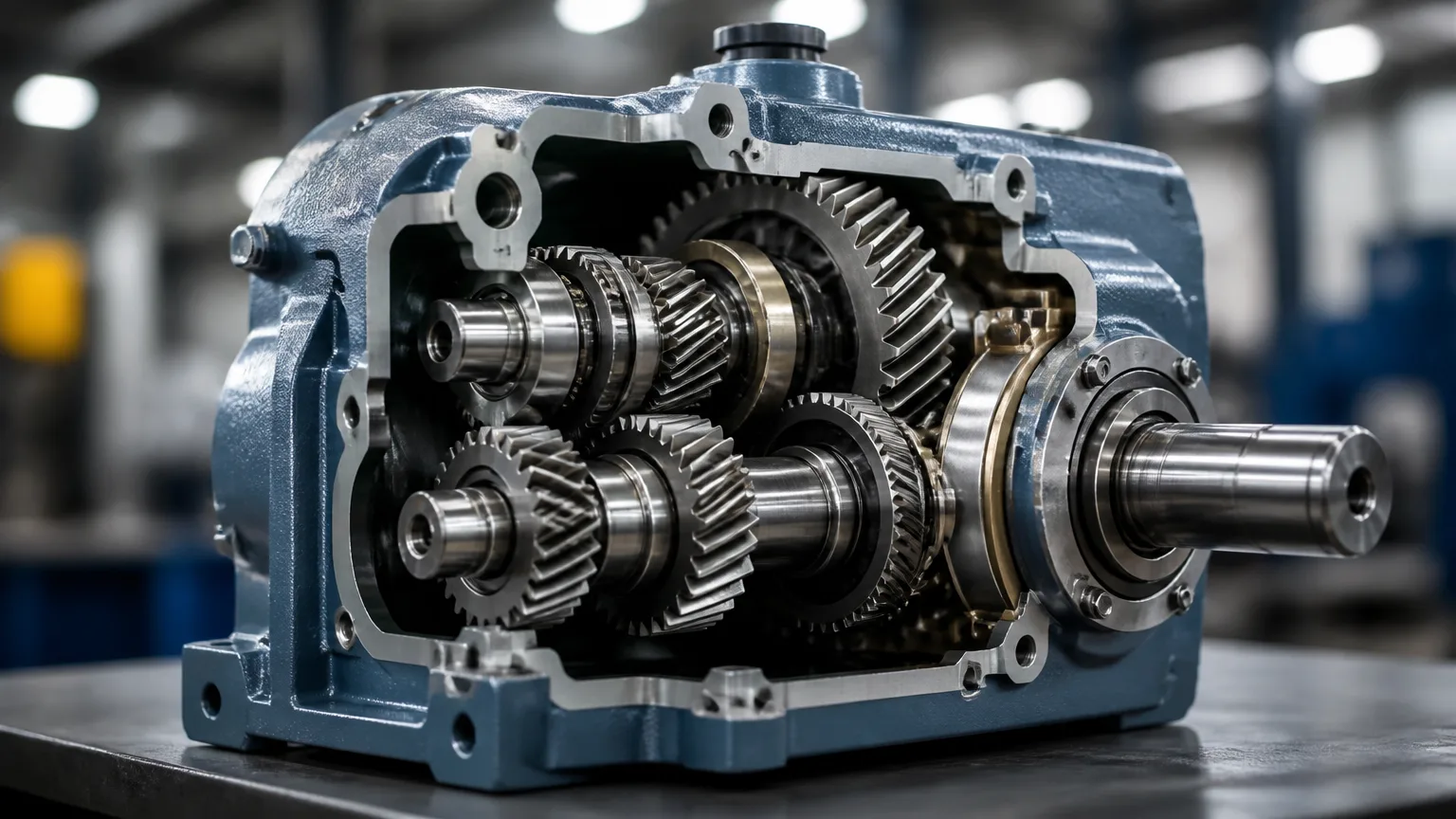
Baker Hughes gearbox repair can happen without warning in demanding industrial applications where reliability is critical. Whether installed in compressors, pumps, process equipment, or other heavy-duty machinery, a gearbox failure can result in costly downtime, lost production, and expensive emergency repairs.
At Industrial Gearbox Solutions, we help maintenance managers, plant engineers, and reliability teams diagnose gearbox problems, identify root causes, and determine whether a gearbox should be repaired, rebuilt, or replaced. Our team supports a wide range of industrial gearbox applications and can provide replacement solutions when OEM lead times are not practical.
In this guide, you’ll learn how to identify common Baker Hughes gearbox problems, understand the repair process, evaluate rebuild options, and reduce the risk of future failures through proper maintenance and condition monitoring.
Need Help With a Baker Hughes Gearbox?
If your Baker Hughes gearbox is making unusual noises, leaking oil, running hot, or experiencing performance issues, our gearbox specialists can help. We assist maintenance teams, plant engineers, OEMs, and industrial facilities with gearbox troubleshooting, replacement recommendations, interchange solutions, and complete rebuild services.
Need immediate assistance? Call Industrial Gearbox Solutions at 1-877-465-9108 to speak with a gearbox expert.
Use the form below to tell us about your application. Upload a gearbox nameplate photo, provide your required torque and RPM information, and our team will review your project and recommend the best solution for your operation.
Whether you need an emergency replacement, a rebuild evaluation, or help identifying an existing Baker Hughes gearbox, we’re here to help minimize downtime and get your equipment back into service as quickly as possible.
1. Identifying Common Gearbox Issues
Most Baker Hughes gearbox failures begin with warning signs that should never be ignored. Identifying these symptoms early can help prevent catastrophic damage, reduce repair costs, and minimize unplanned downtime.
Unusual Noise
Grinding, knocking, whining, or rattling noises often indicate internal wear or damage. Common causes include worn gear teeth, bearing deterioration, improper backlash, lubrication issues, or shaft misalignment. Changes in operating sound are frequently one of the first indicators that a gearbox requires inspection.
Excessive Vibration
Abnormal vibration may signal bearing failure, gear damage, coupling problems, shaft misalignment, or mounting issues. Vibration analysis is one of the most effective predictive maintenance tools for detecting developing gearbox problems before they result in equipment failure.
Overheating
A gearbox that operates above its normal temperature range may be suffering from inadequate lubrication, contaminated oil, overloading, internal friction, or insufficient cooling. Excessive heat accelerates wear and can significantly reduce the service life of gears, bearings, seals, and lubricants.
Oil Leaks and Lubrication Problems
Leaking seals, damaged gaskets, low oil levels, or contaminated lubricants can quickly lead to premature gearbox failure. Water, dirt, and process contaminants reduce lubricant effectiveness and increase internal component wear.
Reduced Performance and Efficiency
Operators may notice reduced output torque, inconsistent speed, increased energy consumption, or difficulty maintaining production requirements. These symptoms often indicate internal wear, damaged components, or lubrication-related issues that require further evaluation.
Why Early Detection Matters
Many gearbox failures can be repaired before extensive damage occurs if problems are identified early. Routine inspections, vibration monitoring, oil analysis, and temperature tracking help maintenance teams detect developing issues and schedule repairs before a costly shutdown becomes necessary.
If your Baker Hughes gearbox is exhibiting any of these warning signs, a professional inspection can help determine whether repair, rebuild, or replacement is the most cost-effective solution.
Save our number in your phone: Industrial Gearbox Solutions (IGS): 1-877-465-9108.
Regular inspections and monitoring are essential for identifying these problems before they escalate. Understanding these indicators helps in implementing timely Baker Hughes gearbox repair solutions, ensuring your operations remain efficient and productive. For a deeper dive into common gearbox problems, consider checking the detailed Nord vs Radicon Gearboxes: Industrial Comparison and Replacement Guide.
2. Prioritizing Preventive Maintenance
Implementing a robust preventive maintenance program is crucial for minimizing downtime and extending the life of your Baker Hughes gearboxes. Regular checks and servicing not only identify potential issues early but also enhance overall operational efficiency.
Begin by establishing a maintenance schedule tailored to your equipment’s specific needs. This should include routine inspections, lubrication, and alignment checks. For instance, a monthly visual inspection can reveal signs of wear, while quarterly servicing allows for more in-depth assessments.
Incorporate condition monitoring technologies, such as vibration analysis, to detect anomalies. This proactive approach enables you to address problems before they escalate into costly repairs. Furthermore, training your maintenance team on the importance of these checks fosters a culture of reliability.
Engaging in predictive maintenance techniques can also provide valuable insights into gear performance. By prioritizing preventive measures, you can significantly reduce the likelihood of gearbox failure, ensuring your operations remain uninterrupted.
3. Leveraging Technology for Diagnostics
Utilizing modern diagnostic technologies is crucial for identifying gearbox issues swiftly and accurately. Advanced tools such as vibration analysis software and thermal imaging cameras allow for real-time monitoring of gearbox performance. These technologies help detect anomalies before they escalate into costly failures.
Early detection systems play a vital role in this process. By continuously monitoring key parameters like temperature and vibration, these systems alert operators to potential problems. This proactive approach minimizes downtime and extends the lifespan of your equipment.
For instance, software that analyzes vibration data can pinpoint specific faults, such as misalignment or bearing wear. This targeted information allows maintenance teams to address issues before they disrupt operations, enhancing overall productivity.
Integrating these diagnostic tools into your maintenance strategy can transform your approach to Baker Hughes gearbox repair. By identifying problems early, you can implement timely interventions, ensuring your operations run smoothly and efficiently.
4. Choosing the Right Repair Partner
Selecting the right repair partner for Baker Hughes gearbox repair is crucial for minimizing downtime. Start by assessing their experience in the industry. Look for service providers who have a solid track record with similar gearbox models and applications. Their expertise can significantly influence repair quality and turnaround time.
Next, evaluate the range of services they offer. A reputable partner should provide comprehensive repair capabilities, from diagnostics to complete overhauls. This breadth of service ensures that all aspects of your gearbox can be effectively addressed.
Customer reviews are another key factor. Positive feedback from previous clients can give you confidence in the service provider’s reliability. Look for testimonials that highlight quick response times and successful repairs.
Lastly, consider the warranty and post-repair support they offer. A solid warranty not only protects your investment but also indicates the provider’s commitment to quality. Reliable support after repair ensures you have assistance if issues arise, helping you maintain operational efficiency.
5. Implementing a Quick Repair Strategy
To effectively manage gearbox repairs and minimize operational downtime, it’s crucial to have a rapid response plan in place. Begin by establishing a dedicated response team trained to handle gearbox failures. This team should be equipped with the necessary tools and resources to act swiftly.
When a failure occurs, follow these steps for a quick response:
1. Immediate Assessment: Evaluate the severity of the failure to determine if it’s a minor fix or a major repair.
2. Resource Mobilization: Quickly gather the required parts and tools, ensuring that you have everything necessary for a successful repair.
3. Communication: Notify all relevant stakeholders about the situation and expected timelines.
Implementing a corrective action plan can streamline this process. Outline specific procedures for identifying issues, deploying resources, and executing repairs. By adhering to this structured approach, you can significantly reduce downtime and ensure your operations remain productive.
For further insights into implementing effective repair strategies, consider exploring the Best Gearboxes for Cement Plants: Industrial Buyer Guide. This resource offers valuable information tailored to gearbox performance optimization.
Maximizing Uptime through Effective Gearbox Management
In conclusion, timely repairs of Baker Hughes gearboxes are crucial for maintaining operational efficiency. Proactive management not only minimizes downtime but also enhances productivity across your operations. By adopting predictive maintenance and regular diagnostic checks, you can identify potential issues before they escalate into costly failures.
Implementing these strategies fosters long-term reliability, ensuring that your gearboxes function optimally. Remember, a well-maintained gearbox is a cornerstone of efficient industrial operations. Investing in quality repairs and ongoing support can safeguard your equipment and keep your business competitive.
Take action today by evaluating your current gearbox management practices. Prioritize proactive strategies that will not only address immediate concerns but also pave the way for sustained operational success. Your commitment to effective gearbox management is essential for maximizing uptime and minimizing disruptions.