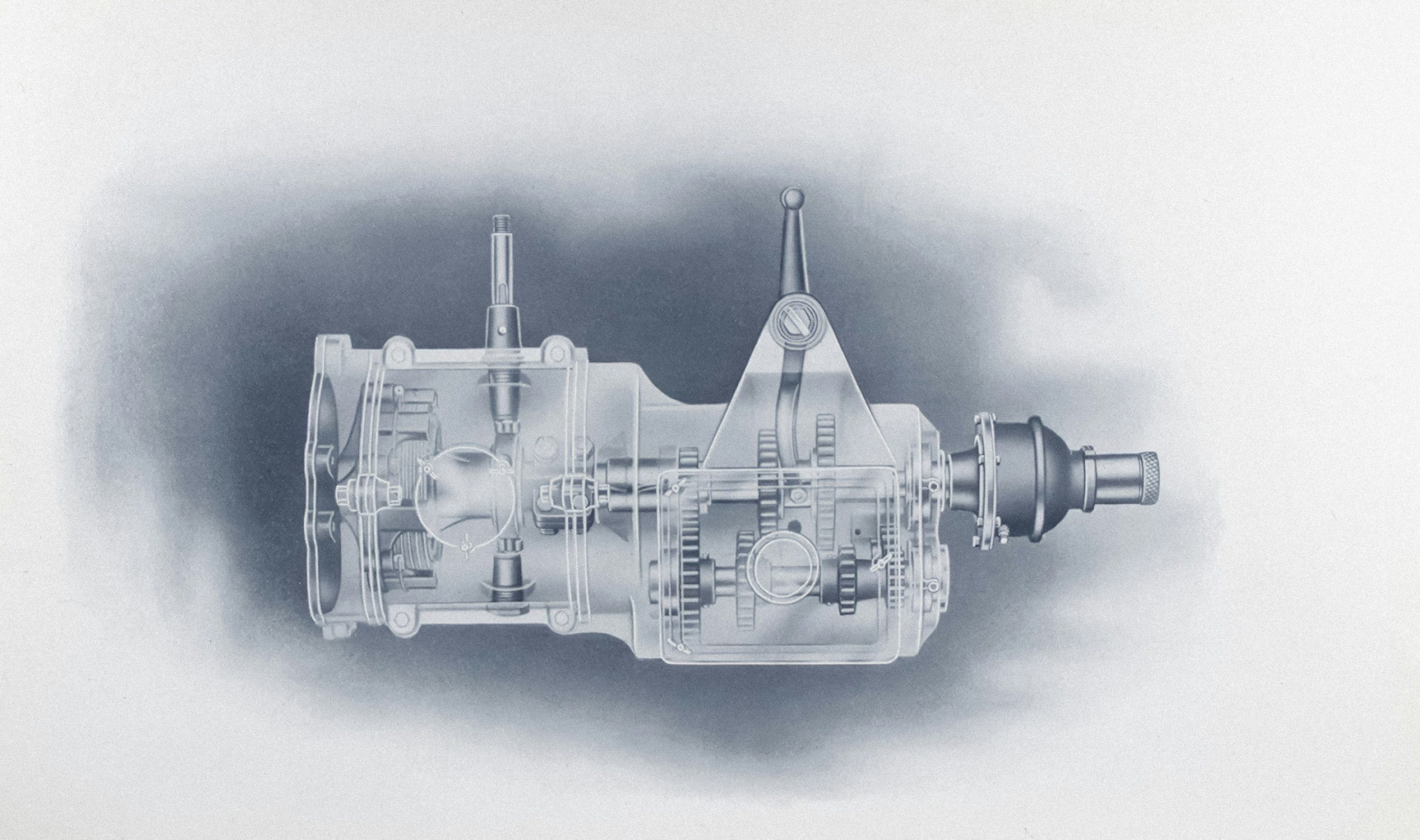
So, you’re looking to get a quote for a replacement gearbox and wondering what exactly the mechanics or shop will need to know. It’s a fair question, because getting it right from the start saves everyone time and a lot of potential headaches. The short answer is they need to nail down precisely which gearbox you have and why it needs replacing, along with understanding what kind of replacement you’re after. It’s a bit like getting a quote for a custom kitchen – they need to know the dimensions, the style, and what features you want.
Let’s break down what goes into getting that accurate price tag for a new gearbox. It’s not just about yanking out the old one and slapping in a new one; there’s a bit more to it than meets the eye.
This might seem obvious, but you’d be surprised how many times people just say “my car” or “that Ford.” The more precise you can be here, the smoother the quoting process will be. Think of it as giving them the car’s full birth certificate.
Make, Model, and Year
This is your starting point. “Ford Focus” is a good start, but “Ford Focus Zetec” is better, and “2018 Ford Focus Zetec EcoBoost” is even closer. Different trims, engine options, and even regional variations can all have different gearboxes.
Engine Size and Type
Is it a 1.6L petrol, a 2.0L diesel, or a hybrid? The engine influences the torque it’s putting through the gearbox, and manufacturers often pair specific gearboxes with certain engine configurations. For example, a high-performance engine will likely have a beefier gearbox than an economy model.
Transmission Type
This is a big one: manual or automatic. This is the most fundamental distinction and immediately narrows down the possibilities. But it goes deeper.
For Automatic Transmissions:
- Automatic with Manual Override (Tiptronic/DSG/PDK etc.): Even within automatics, there’s a wide range. Is it a traditional torque converter auto, a Continuously Variable Transmission (CVT), or a more advanced dual-clutch transmission (DCT)? These all have different internal designs and require different replacement units. Shops will also want to know if it’s a standard automatic or if it has those paddle shifters or manual modes, as this sometimes indicates a more complex unit.
For Manual Transmissions:
- Number of Gears: A 5-speed manual is a distinctly different beast from a 6-speed. The gear ratios and the overall design will vary.
When considering the necessary information to quote a replacement gearbox, it’s essential to understand the specific requirements and details that can impact the selection and pricing of the gearbox. For further insights into gearbox maintenance and repair, you can refer to a related article on industrial gearbox repair services in Tallahassee, Florida. This resource provides valuable information on the types of services available and the factors that influence gearbox performance and longevity. You can read more about it here: Industrial Gearbox Repair in Tallahassee, Florida.
The Gearbox’s Own Fingerprint: Identification Numbers
Once they’ve identified your vehicle, the next crucial step is to identify the exact gearbox fitted to it from the factory. This is where things get really specific.
Gearbox Code or Part Number
This is the most definitive piece of information you can provide. Every gearbox has a serial number, a part number, or an internal manufacturing code stamped onto it, or it can be found on an identification plate. This code tells them precisely which unit it is, regardless of the car’s trim level.
- Why it’s so important: Two cars of the same make, model, and year can sometimes have different gearboxes fitted, especially if they have different engine options or were built in different factories. Using the gearbox code eliminates guesswork.
- Where to find it: This can often be found on a sticker or metal plate directly on the gearbox itself. Sometimes, dealerships or specialized gearbox shops have access to databases that can cross-reference your VIN (Vehicle Identification Number) with the factory-fitted gearbox code. Asking your mechanic to locate this is part of their job.
VIN (Vehicle Identification Number)
While the gearbox code is ideal, your VIN can also be a powerful tool. Mechanics can often use the VIN to look up the original factory specifications for your vehicle, which should include the correct gearbox. It’s like the car’s DNA, linking it to its original build spec.
Understanding the Problem: Diagnosis and Symptoms
Knowing what gearbox you have is one thing, but knowing why it needs replacing is just as important for an accurate quote. A minor leak is a very different job and cost to a gearbox that’s making clunking noises and refusing to engage gears.
Confirmed Fault Codes
Modern cars are packed with sensors. If your “Check Engine” or transmission warning light has come on, a mechanic will almost certainly perform an OBD-II scan. This scan pulls diagnostic trouble codes (DTCs) from the car’s computer. These codes give them a starting point for diagnosing the problem, pointing towards specific components or systems that are malfunctioning. For example, a P0741 code might indicate a torque converter clutch circuit performance issue.
Fluid Condition and Leaks
The gearbox lubricant is crucial for its operation and longevity.
- Fluid Level: Is it low? Is it overfilled?
- Fluid Condition: Is it burnt, dark, or filled with metal shavings? Burnt fluid often indicates overheating and potential internal damage. Metal shavings are a clear sign of wear and tear inside the gearbox.
- Leak Points: Where is it leaking from? Common leak points include the input or output shaft seals, the pan gasket (on automatics), or the breather. Identifying leaks helps determine if it’s just a seal replacement or a sign of a larger issue.
Specific Symptoms
This is where you describe what the car is doing (or not doing) that makes you think the gearbox is faulty. Be as descriptive as possible.
- Slipping: Does the engine rev up but the car doesn’t accelerate as expected, especially when changing gears or under load?
- Grinding Noises: Do you hear a metallic grinding sound when shifting gears, or in certain gears?
- Shuddering or Jerking: Does the car feel like it’s lurching or vibrating when gears are changing?
- Not Shifting: Does the car refuse to engage a particular gear, or any gear at all? Does it get stuck in “limp mode” (a reduced power state)?
- Delayed Engagement: Is there a noticeable pause between selecting a gear (like Drive or Reverse) and the car actually engaging it?
- Reverse Issues: Problems engaging or holding in Reverse are common and often point to specific internal issues.
Sure, here is the sentence with the clickable link:
Please feel free to contact Industrial Gearbox Solutions for any inquiries.
Assessing the Damage: Rebuild vs. Replace
Based on the diagnosis and symptoms, the mechanic will form an opinion on the extent of the gearbox’s failure. This directly impacts the cost of the replacement.
Internal vs. External Failures
- External Failures: These are often easier and cheaper to fix. This could include a leaking seal, a faulty sensor, or a damaged cooler line. Sometimes, parts like a mechatronic unit (the control module for many modern automatics) can be replaced without stripping down the entire gearbox.
- Internal Failures: This is where things get serious. Damage to gears, bearings, clutches, or torque converters usually means the gearbox needs a significant overhaul or complete replacement. Metal shavings in the fluid are a huge red flag for internal damage.
Repairability of the Unit
Some gearboxes are designed to be more easily rebuilt than others. Manufacturers might make certain parts readily available, while others might not be serviceable at all, forcing a full replacement. The assessment of whether the existing unit can be repaired affordably or if it’s beyond economical repair is a key part of the quoting process.
When considering the necessary information to quote a replacement gearbox, it’s essential to understand the specific requirements and details that can influence the pricing and selection. For a comprehensive overview of gearbox repair services, you may find it helpful to explore this related article on industrial gearbox repair in Little Rock, Arkansas, which outlines the factors that can affect both repairs and replacements. This resource can provide valuable insights into the common issues faced and the solutions available in the industry.
Your Replacement Options: New, Reconditioned, or Used
| Information Needed | Description |
|---|---|
| Gearbox Model | The specific model of the gearbox that needs to be replaced |
| Dimensions | The physical dimensions of the gearbox, including length, width, and height |
| Power Requirements | The amount of power the gearbox needs to handle |
| Speed Requirements | The desired speed output of the gearbox |
| Mounting Configuration | The specific mounting configuration needed for the replacement gearbox |
| Environmental Conditions | Any specific environmental conditions the gearbox will be exposed to, such as temperature, humidity, or corrosive elements |
| Special Features | Any special features or requirements for the replacement gearbox, such as overload protection or specific material requirements |
What kind of gearbox you opt for will have a significant impact on the price. Mechanics will usually present you with a few choices, each with its own pros and cons.
Brand-New Gearbox
- Pros: The most reliable option, usually comes with the longest warranty. It’s a factory-fresh unit with no prior wear and tear.
- Cons: The most expensive option by far. Availability can sometimes be an issue for older or less common models.
Reconditioned or Remanufactured Gearbox
- What it means: This is an old gearbox that has been completely stripped down, inspected, cleaned, and rebuilt using new parts (bearings, seals, clutches, etc.) where necessary. Often, they are rebuilt to meet or exceed original factory specifications.
- Pros: A good balance between cost and reliability. They are typically less expensive than new but offer a significant level of confidence. Warranties are usually good, but might be shorter than for a brand-new unit.
- Cons: Quality can vary depending on the rebuilder. It’s important to go with a reputable company or workshop that offers a solid warranty.
Used Gearbox
- What it means: A gearbox salvaged from another vehicle, typically from a salvage yard or written-off car.
- Pros: The cheapest option.
- Cons: The riskiest option. You have no guarantee of its condition or how long it will last. Warranties are often very limited, sometimes just 30 or 60 days. There’s a higher chance of buying a unit with hidden wear or imminent problems.
Considerations: When discussing used gearboxes, it’s essential to ask about its mileage, the reason it was removed, and the warranty offered. A used gearbox from a low-mileage vehicle might be a reasonable gamble, but one from a badly damaged car is less appealing.
Beyond the Gearbox Itself: Associated Components
Replacing a gearbox isn’t always just about the gearbox unit itself. A number of other parts are often involved, either as necessary replacements or as good practice while the gearbox is out.
Clutch Kit (for Manual Transmissions)
If
FAQs
What information is needed to quote a replacement gearbox?
To quote a replacement gearbox, you will need to provide the gearbox manufacturer, model number, serial number, and any other relevant specifications such as gear ratio, input and output shaft sizes, and mounting configuration.
Why is the gearbox manufacturer important when requesting a quote?
The gearbox manufacturer is important when requesting a quote because different manufacturers produce gearboxes with unique specifications and designs. Providing the manufacturer’s name ensures that the replacement gearbox will be compatible with your equipment.
What is the significance of the gearbox model number and serial number?
The gearbox model number and serial number are crucial for identifying the specific gearbox unit that needs to be replaced. These numbers help the supplier to accurately match the replacement gearbox to the original unit.
What other specifications should be included when requesting a quote for a replacement gearbox?
In addition to the manufacturer, model number, and serial number, it is important to provide any other relevant specifications such as gear ratio, input and output shaft sizes, mounting configuration, and any special features or modifications required for the replacement gearbox.
Why is it important to provide accurate information when requesting a quote for a replacement gearbox?
Providing accurate information when requesting a quote for a replacement gearbox is essential to ensure that the supplier can offer the most suitable replacement option. Inaccurate or incomplete information may lead to delays, incorrect orders, or compatibility issues with the replacement gearbox.