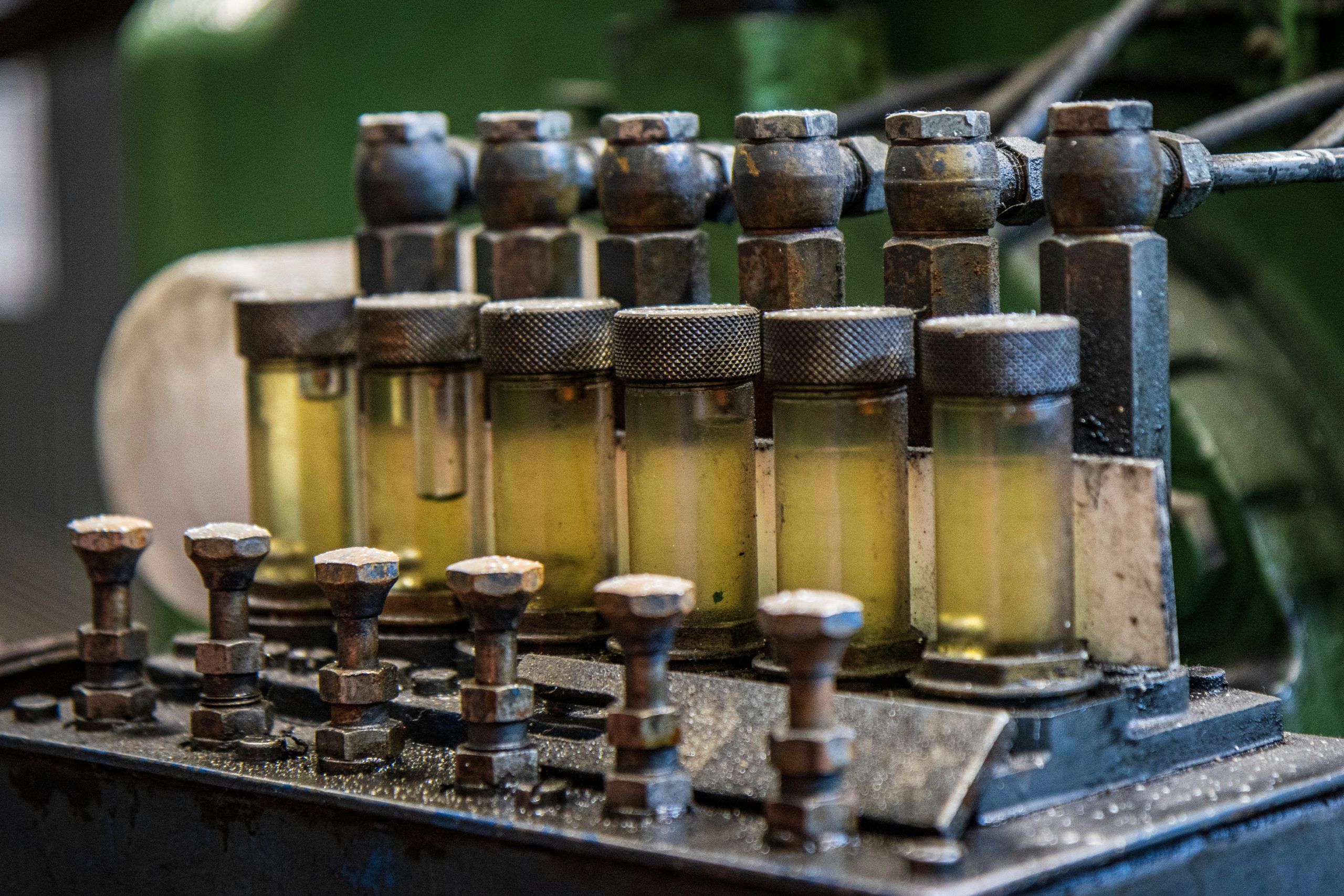
So, you’re looking to keep your industrial gearboxes humming along nicely? When it comes to industrial gearbox lubrication, the core idea is simple: the right lubricant in the right place at the right time significantly extends gearbox life and prevents costly downtime. We’re not talking about magic here, just good, practical science. This guide will walk you through the essentials, cutting through the noise to give you actionable insights.
Understanding the Lubricant Landscape
It might seem like there are a million different oils out there, but at their heart, industrial gear lubricants fall into a few key categories, each with its own strengths. The AGMA 9005-D94 standard, which has been our trusted guide for ages, lays this out clearly.
The Four Main Types of Gear Oil
- R&O (Rust & Oxidation-inhibited) Oils: Think of these as your go-to for general-purpose enclosed drives. They’re designed to protect against rust formation and resist oxidation, which is basically the oil breaking down over time due to heat and air. If your gearbox isn’t facing extreme loads or temperatures, R&O is often your best bet.
- Compounded Oils: These are specifically formulated for gears that experience a lot of sliding contact, like worm gears. The “compounded” part means they have fatty acid additives that enhance the oiliness, helping prevent scuffing and wear where those sliding motions occur.
- EP (Extreme Pressure) Oils: When your gears are under serious stress—high loads, high speeds, or shock loads—EP oils step up. They contain special additives that react to the pressure and heat at the metal surfaces, forming a protective layer that keeps metal-to-metal contact, and thus wear, to a minimum.
- Synthetic Oils: These are the high-performers, designed for when you face extreme conditions, whether that’s really high or really low temperatures, or if you’re looking for better energy efficiency. Synthetics are engineered from scratch, giving them superior thermal stability, a higher viscosity index (meaning their viscosity changes less with temperature), and often a longer lifespan.
Key Performance Properties to Look For
Choosing a lubricant isn’t just about picking a type; it’s about making sure that lubricant can actually do its job well under real-world conditions. Modern lubricants need to be tough cookies.
- Thermal/Oxidative Stability: This is about how well the oil resists breaking down when exposed to heat and oxygen. If an oil degrades too quickly, it loses its protective qualities, leading to sludge, varnish, and increased wear.
- High-Temperature EP Protection: Even if you’re using an EP oil, its ability to protect under high-temperature extreme pressure is crucial. Some EP additives can become less effective or even corrosive at elevated temperatures.
- Seal Compatibility: You don’t want your lubricant attacking the very seals designed to keep it contained. Bad seal compatibility means leaks, contamination, and a whole lot of extra maintenance work.
- Demulsibility (Water Release): Industrial environments often have water. A good gear oil needs to be able to separate easily from water, preventing emulsions that can reduce lubrication effectiveness and lead to rust.
- Cleanliness (Anti-Wear): Beyond just preventing rust and oxidation, a high-quality lubricant should also resist forming deposits and minimize wear through its anti-wear additives. This keeps the internal workings of your gearbox cleaner and extends component life.
For those looking to enhance their understanding of industrial gearbox maintenance, the article on industrial gearbox repair in Virginia provides valuable insights into the repair processes and best practices. This resource complements the Industrial Gearbox Lubrication Guide by highlighting the importance of proper lubrication in extending the lifespan of gearboxes. You can read more about it here: Industrial Gearbox Repair in Virginia.
Getting the Viscosity Right
Viscosity is probably the single most important property of a lubricant. It’s essentially how thick or thin the oil is, and it directly impacts how well it can form a protective film between gear teeth and other moving parts. Too thick, and it causes energy loss and heat build-up. Too thin, and you risk metal-to-metal contact and wear.
The General Viscosity Rules
- Temperature Adjustments: This is a big one. Industry wisdom suggests that if your ambient temperatures regularly creep above 35°C (95°F), or if your oil operating temperatures consistently exceed 65°C (150°F), you should consider increasing your ISO viscosity grade by one step. This ensures the oil maintains adequate film strength at higher temperatures. Think of it like this: hot oil thins out, so you start with a slightly thicker oil to compensate.
- Minimum Startup Temperature: At the other end of the spectrum, you need to make sure your oil isn’t too thick when the gearbox starts up in cold weather. The pour point of your lubricant needs to be at least 5°C (9°F) below your minimum startup temperature. This ensures the oil can flow freely to all critical components even on a frosty morning. If the oil is too thick, it won’t circulate properly, leading to starved lubrication and potential damage during initial operation.
Why Viscosity Matters So Much
The right viscosity ensures your gears are properly cushioned and lubricated, reducing friction, heat, and wear. It’s a Goldilocks situation – not too thick, not too thin, but just right for your specific operating conditions. Always check your equipment manufacturer’s recommendations first, then consider environmental factors.
Battling the Invaders: Contamination Control
Contamination is the silent killer of gearboxes. Dust, dirt, water, and even tiny metal particles wear down your components, shorten oil life, and lead to early failures. Aggressive contamination control is not just a good idea; it’s essential for longevity.
Sealing Up Tight
It might sound obvious, but keeping contaminants out in the first place is the first line of defense.
- Sealed Throughout Maintenance: This is a crucial, yet often overlooked, detail. When you’re performing maintenance, try to keep the gearbox as sealed as possible. Open oil ports and reservoirs invite airborne contaminants. Use clean lids, plugs, and covers whenever you have to open things up. Even briefly exposed oil becomes a magnet for dust and moisture.
- High-Quality Breathers: Replace standard breather caps with high-quality, desiccant breathers. These not only filter out airborne particulates but also absorb moisture, preventing water ingress, especially in humid environments or when the gearbox breathes (expands and contracts with temperature changes).
Boosting Cleanliness with Offline Filtration
While internal filters do some work, they’re often not enough to achieve the cleanliness levels needed for maximum gearbox life.
- Recirculating Through a High-Efficiency Filter: This is where offline filtration shines. Instead of just relying on the in-line filter, you continuously pump a small stream of dirty oil from the reservoir through a dedicated, high-efficiency filter and then back into the reservoir. This “kidney loop” filtration system can achieve significantly lower ISO cleanliness codes, meaning fewer particles causing wear. The particles that cause the most damage are often too small for standard in-line filters to catch effectively.
Why Cleanliness is King
Every particle creates micro-pitting and wear. Over time, these tiny damages accumulate, leading to component fatigue and eventual failure. Cleaner oil means less wear, longer component life, and fewer unexpected breakdowns. Think of it as a low-friction, high-efficiency existence for your gears.
Sure, here is the sentence with the clickable link:
Please feel free to contact Industrial Gearbox Solutions for any inquiries.
The Rhythm of Maintenance: Intervals and Monitoring
Even the best oil eventually degrades or becomes too contaminated to do its job. Knowing when to change it, or more importantly, when to check it, is paramount.
General Oil Change Guidelines
- Time-Based Changes: A good rule of thumb for many industrial gearboxes is to change the oil every 3 to 6 months. This provides a baseline for routine care, especially if you don’t have a sophisticated monitoring program in place.
- Operating Hours/Kilometers: For systems where hours or mileage are more relevant (like mobile equipment or continuously operating machinery), manufacturer specifications based on these metrics should take precedence. This is often quoted as X hours of operation or Y kilometers traveled.
The Power of Oil Sampling Programs
For significant assets, especially those running for more than a few years, relying solely on time-based changes is leaving money on the table.
- Annual Checks for Long-Term Assets: For any operational asset expected to run for two years or more, implementing an annual oil sampling program is highly recommended. This isn’t just about checking if the oil is dirty; it’s about understanding the health of your gearbox.
- What Oil Analysis Tells You: A professional oil analysis lab can provide a wealth of information:
- Viscosity: Is the oil still at the right thickness? Has it thinned out due to heat or contamination?
- Contaminant Levels: How much dirt, water, or metal wear particles are present? This can indicate issues with seals, breathers, or even internal component wear.
- Additive Depletion: Are the EP, anti-oxidant, and anti-wear additives still effective?
- Oxidation/Nitration Levels: How much has the oil degraded due to heat and air exposure?
- Water Content: Is there excessive moisture, potentially leading to rust and reduced lubrication?
- Moving to Condition-Based Maintenance: The goal of oil sampling is to move away from rigid, calendar-based oil changes towards condition-based maintenance. You change the oil when the analysis indicates it’s necessary, not just because a certain number of months have passed. This can significantly extend oil life, reduce waste, and allow you to proactively address potential gearbox issues before they become catastrophic failures.
For those looking to deepen their understanding of gearbox maintenance, the Industrial Gearbox Lubrication Guide is an essential resource. It provides comprehensive insights into the best practices for ensuring optimal lubrication, which is crucial for the longevity and efficiency of industrial gearboxes. Additionally, you may find it beneficial to explore a related article that discusses the necessary steps for repairing a gearbox, which can complement your knowledge on lubrication. You can read more about it here.
The Art of the Oil Change: Proper Reservoir Preparation
Changing the oil isn’t just a matter of draining the old and pouring in the new. How you prepare the reservoir can make a big difference in the lifespan of your fresh lubricant and your gearbox.
Draining While Warm
- Why Warm? Always drain the old oil while the unit is still warm. Warm oil is less viscous, meaning it flows more easily and carries suspended contaminants with it, ensuring a more complete drain. Cold, thick oil will leave more residue and contaminants clinging to internal surfaces.
Avoiding Nasty Solvents
- Resist Chlorinated Solvents: It might be tempting to use harsh solvents to “clean out” a really dirty gearbox, but resist the urge, especially with chlorinated solvents. These can attack seals, leave behind harmful residues, and even react with new lubricants, reducing their effectiveness and accelerating degradation. They can also be extremely harmful to personnel and the environment.
The Light R&O Oil Flush
This is a best practice often overlooked, particularly when switching lubricant types or dealing with a very contaminated gearbox.
- Why Flush? A flush helps remove remaining old oil, sludge, and any lingering rust preventatives or contaminants that a simple drain might leave behind. It ensures your new, expensive lubricant isn’t immediately contaminated by residues from the old oil.
- How To Do It:
- After draining the warm old oil completely, add a portion of a light R&O oil – about one-third of the reservoir’s total volume.
- Circulate this flush oil through the gearbox. Crucially, do this under no-load conditions. You’re just trying to move the oil around to pick up residues, not lubricate under stress. This no-load circulation typically involves running the motor for a short period (e.g., 15-30 minutes).
- Drain the flush oil thoroughly. This flush oil will be contaminated and should not be reused.
- Now, the reservoir is properly prepared and much cleaner for your new fill of lubricant.
Refilling with Care
Once flushed and drained, it’s time to refill. Use dedicated, clean transfer pumps and containers to avoid introducing new contaminants. Filter the new oil as it goes into the reservoir – even “new” oil from the drum isn’t always as clean as your gearbox needs it to be.
Matching Lubricant to Application
Choosing the right lubricant isn’t a one-size-fits-all situation. Different industrial gearbox applications have different demands, and aligning your lubricant choice with these demands is key to optimal performance and longevity.
Standard Enclosed Drives: R&O Oils
- The Default Choice: For most standard industrial enclosed gearboxes that operate under moderate loads and temperatures, Rust & Oxidation (R&O) inhibited oils are typically the recommended and most cost-effective choice. They offer good protection against rust, resist oxidation, and provide basic lubrication. If your gearbox manufacturer doesn’t specify otherwise and your operating conditions aren’t extreme, R&O is often your starting point.
Sliding Gears (e.g., Worm Gears): Compounded Oils
- The Slippery Solution: Worm gears, in particular, involve a lot of sliding friction between the worm and the gear. This sliding action can lead to scuffing and wear if the lubricant doesn’t have sufficient “oiliness.” Compounded oils, with their enhanced lubricity (often from fatty acid additives), are specifically designed to excel in these high-sliding environments, providing a stronger protective film that prevents metal-to-metal contact.
High-Load/High-Speed Drives: EP Oils
- Under Pressure: When your gearbox is handling significant power, experiencing high loads, high speeds, or frequent shock loads, the forces between gear teeth can be immense. Here, you need the added protection of Extreme Pressure (EP) oils. The EP additives in these oils react under high pressure and temperature to form a sacrificial protective layer on the metal surfaces, preventing direct metal-to-metal contact and catastrophic wear. Without EP protection, gears in such applications would quickly suffer from scuffing, pitting, and ultimately, failure.
Extreme Temperatures or Energy Efficiency: Synthetic Oils
- The Premium Performer: Synthetic lubricants are where you turn for the highest demands or specific performance goals.
- Extreme Temperatures: If your gearbox operates in very high ambient temperatures (where mineral oils would quickly degrade and thin out) or very low temperatures (where mineral oils would become too thick and solidify), synthetics offer superior thermal stability and wider operating temperature ranges. Their viscosity changes less with temperature, ensuring consistent performance.
- Energy Efficiency: The consistent viscosity and lower friction characteristics of some synthetic oils (like PAOs or PGs) can actually lead to measurable energy savings. For large operations with many gearboxes, these savings can add up, justifying the higher upfront cost.
- Extended Drain Intervals: Synthetics inherently resist oxidation and degradation much better than mineral oils, often allowing for significantly longer oil change intervals. This reduces maintenance costs and downtime, though always follow oil analysis recommendations to confirm extended intervals are safe.
By carefully considering the operating conditions and design of your industrial gearbox, and then matching that with the right lubricant type, you’ll be well on your way to a more reliable and efficient operation. It’s about being informed and practical, not just guessing.
FAQs
What is an industrial gearbox?
An industrial gearbox is a mechanical device that is used to increase torque while reducing speed in a mechanical system. It is commonly used in industries such as manufacturing, construction, and transportation.
Why is lubrication important for industrial gearboxes?
Lubrication is important for industrial gearboxes because it helps to reduce friction and wear between the moving parts, which in turn helps to extend the lifespan of the gearbox and improve its overall efficiency.
What are the common types of lubricants used for industrial gearboxes?
Common types of lubricants used for industrial gearboxes include mineral oils, synthetic oils, and grease. The choice of lubricant depends on factors such as operating temperature, load, and speed.
How often should industrial gearboxes be lubricated?
The frequency of lubrication for industrial gearboxes depends on factors such as operating conditions, load, and type of lubricant used. However, as a general guideline, industrial gearboxes should be lubricated at regular intervals as recommended by the manufacturer.
What are the signs of inadequate lubrication in industrial gearboxes?
Signs of inadequate lubrication in industrial gearboxes include increased operating temperature, unusual noise or vibration, and accelerated wear on the gearbox components. Regular monitoring and maintenance can help prevent these issues.