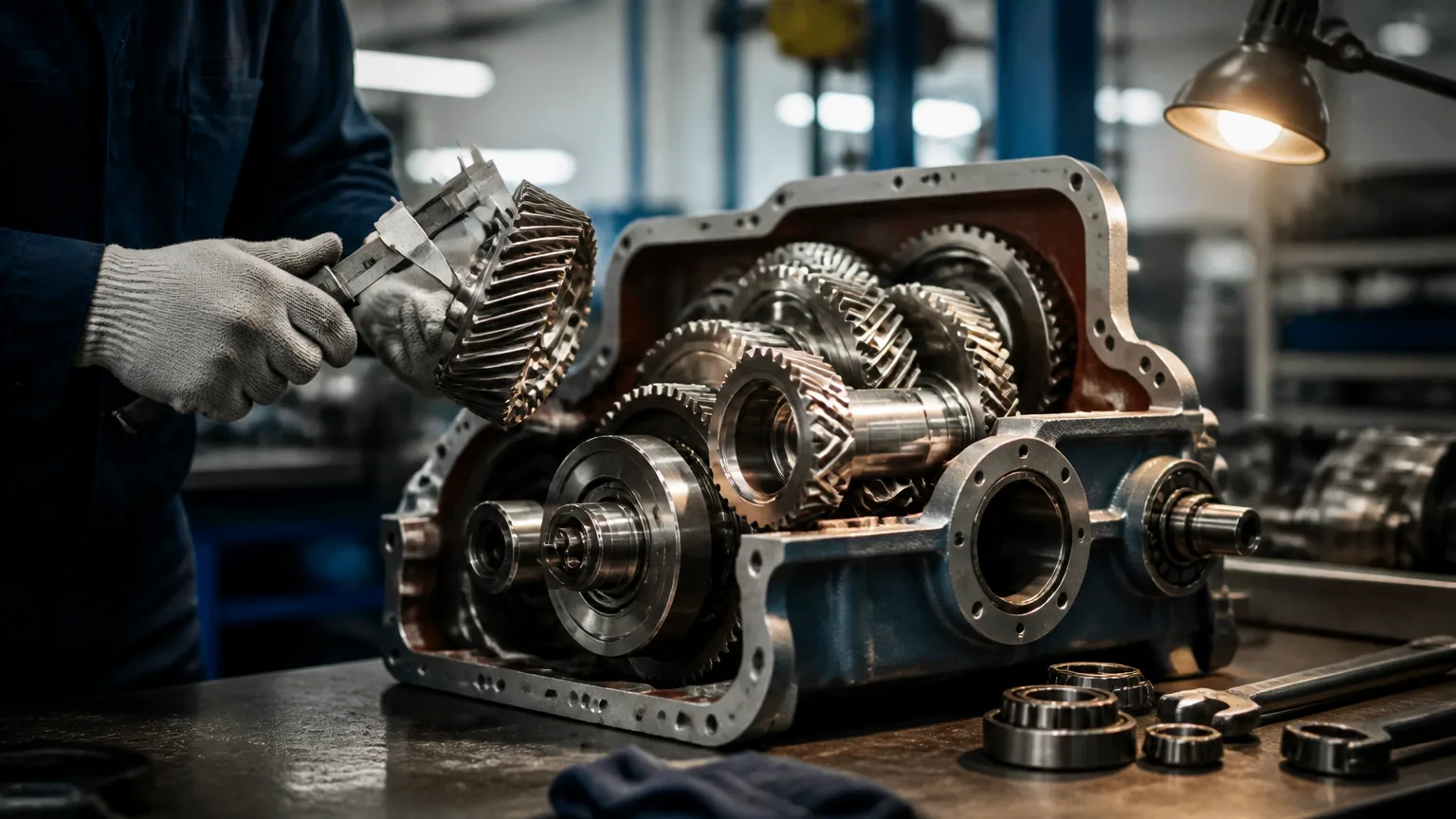
An industrial gearbox rebuild can be a practical alternative to immediate replacement when production depends on reliable power transmission. Unlike repairing one failed component, rebuilding involves controlled disassembly, detailed inspection, refurbishment, and precise reassembly of the existing gearbox. The right decision directly affects uptime, production reliability, and total equipment cost.
Facility managers must determine what the rebuild includes, what drives its cost, and when it offers better value than replacement. Accurate diagnosis is essential because failure may result from misalignment, poor lubrication, excessive loading, or installation problems—not only worn gears. Working with trusted gearbox specialists helps identify these underlying issues and prevent repeat failures. This article explains how the process works, where costs arise, and when rebuilding can restore dependable service faster and more economically.
The Industrial Gearbox Rebuild Process, Step by Step
A professional industrial gearbox rebuild begins with failure assessment, not disassembly. Technicians review operating history, failure symptoms, load conditions, and maintenance records. They also examine vibration and temperature data, then complete a visual inspection to identify likely causes.
Next, the team documents the gearbox’s condition, configuration, and component positions. Technicians isolate energy sources, remove the unit safely, and clean it before teardown. Each gear, shaft, bearing, seal, housing, and lubrication passage is inspected for wear, contamination, cracking, or other damage. These steps align with established industrial gearbox repair services practices.
Reusable components are measured against manufacturer tolerances. Damaged parts are replaced or remanufactured, depending on condition and availability. Common work includes bearing replacement, seal renewal, gear correction, shaft repair, and housing inspection. Technicians may restore worn bores, correct gear tooth damage, or replace components that cannot meet specifications.
During reassembly, technicians set gear clearances, backlash, and bearing preload precisely. They also follow specified torque values and apply the correct lubricant at the required levels. Proper alignment and sealing help prevent premature wear after installation.
Finally, the rebuilt gearbox undergoes no-load or load testing. Technicians monitor noise, temperature, vibration, leakage, and operating performance. Test results confirm whether the unit meets required standards before it returns to service. If issues appear, the team can correct them before installation and production downtime.
How Much Does an Industrial Gearbox Rebuild Cost?
The cost of an industrial gearbox rebuild depends on the unit and the work it requires. Key variables include gearbox size and design, internal damage, parts availability, machining needs, labor hours, testing, shipping, and repair urgency.
Some costs are relatively predictable. Seals, bearings, cleaning, inspection, and standard fasteners usually fit within a defined refurbishment scope. Costs can increase significantly when the rebuild requires custom gears, cracked housings, damaged shafts, or obsolete components. These issues may require specialized machining or replacement parts with long lead times.
Compare the rebuild estimate with the full cost of replacement. Include production downtime, expedited freight, removal and installation, alignment, commissioning, and the risk of repeat failure. A lower repair price may not provide better value if the gearbox returns to service slowly or fails again.
Request an itemized inspection report and estimate from experienced gearbox repair services near your facility. The estimate should separate required repairs, recommended upgrades, optional work, warranty coverage, and expected turnaround time. This detail helps decision-makers compare repair, replacement, and downtime costs accurately.
Rebuild or Replace? Comparing the Available Solutions
An industrial gearbox rebuild is often the best choice when the housing and major structural components remain sound. It is especially attractive when the unit matches the application and replacement would require redesign, new mounting work, or a long lead time.
Keeping the existing gearbox preserves known fit and mounting dimensions, torque capacity, and ratio characteristics. It also reduces integration work and limits changes to connected shafts, couplings, controls, and driven equipment. A remanufactured gearbox can offer similar value, provided its specifications, inspection records, and warranty meet your requirements.
Replacement may be preferable when the housing has severe damage, parts are unavailable, or the design is obsolete. It may also make more sense when repeated failures indicate an undersized gearbox. If rebuilding costs approach the price of a dependable new or alternate-brand unit, compare total ownership costs, delivery time, warranty coverage, and expected service life.
Technically complex designs require additional caution. Planetary gearboxes contain multiple interacting gear elements, so hidden damage can make repairs expensive. Specialized planetary gearbox repairs capabilities are essential before selecting a rebuild over replacement. Ask the repair provider to document component condition and explain why the proposed solution fits your operating requirements.
The Business Benefits of a Professional Gearbox Rebuild
A professional industrial gearbox rebuild can reduce capital expenditure when the housing, shafts, and other core components remain serviceable. However, savings depend on damage severity, replacement-part availability, and the required upgrades. Reusing sound components also reduces material waste compared with manufacturing a complete replacement unit.
Rebuilding supports planned downtime. The gearbox can be removed, repaired in a controlled shop environment, and reinstalled during scheduled maintenance instead of failing during production. Reliability improves when technicians correct the original failure cause, replace worn components, improve sealing, verify lubrication, and record clearances and test results.
These records also strengthen maintenance planning. Documented component condition, parts used, and test performance help teams plan spare-parts inventory and preventive maintenance intervals. The result is better cost control, fewer unexpected failures, and greater confidence in the gearbox’s future operating performance.
Planning a Reliable Industrial Gearbox Rebuild
Act on early warning signs before secondary damage increases downtime exposure. Balance technical condition, lifecycle cost, replacement lead time, production importance, and application demands. Give your specialist the model and serial data, load, speed, lubrication details, failure history, and inspection records for a more accurate estimate. Review gearbox selection and repair considerations for aggregate conveyors when evaluating conveyor applications.
Choose a repair partner that documents component condition, repairs, and test results. An industrial gearbox rebuild is a reliability investment when it restores the right equipment correctly—not merely a short-term return to service.