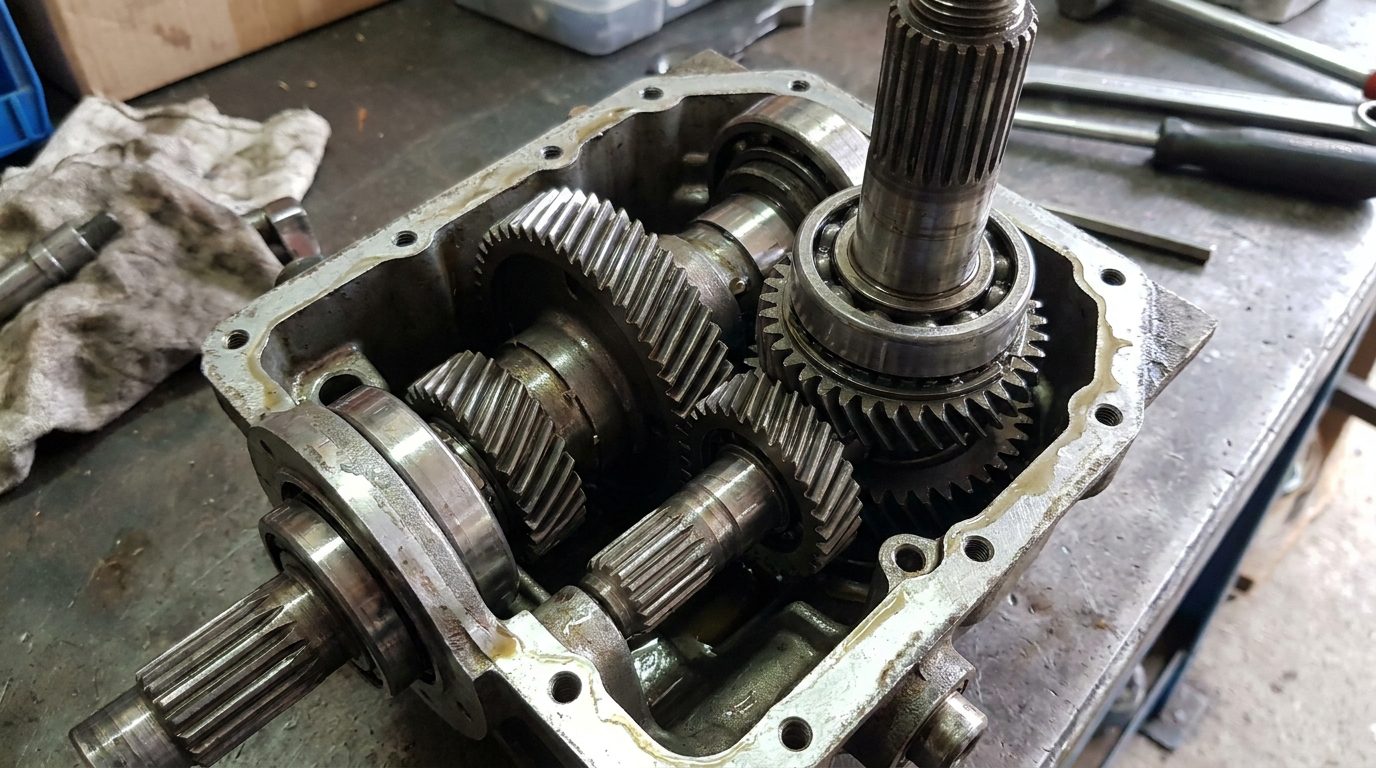
In the relentless rhythm of industrial operations, gearboxes are the unsung heroes, tirelessly transmitting power and enabling critical processes. However, as machinery ages and technology advances, the question inevitably arises: what happens when a vital gearbox becomes obsolete? This isn’t a hypothetical scenario; it’s a recurring challenge for plant managers, maintenance teams, engineers, and buyers alike. Facing an obsolete gearbox can trigger a cascade of concerns, from production downtime and escalating costs to safety risks and the daunting prospect of finding suitable replacements. This article delves into the realities of dealing with obsolete gearboxes, offering a comprehensive guide to assessing, resolving, and preventing these critical situations, ensuring your operations remain efficient, reliable, and cost-effective.
In exploring the options for dealing with an obsolete gearbox, it’s essential to consider the benefits of professional repair services. A related article that delves into this topic is available at Industrial Gearbox Repair in Indianapolis, which outlines the advantages of repairing versus replacing gearboxes and provides insights into the repair process. This resource can help you make an informed decision about the best course of action for your gearbox needs.
Navigating the Obsolete Gearbox Dilemma: Rebuild or Replace?
The word “obsolete” often carries a sense of finality, implying that a component is beyond repair or no longer supported. When it comes to industrial gearboxes, this can create significant operational headaches. An obsolete gearbox might be one where the original manufacturer no longer produces spare parts, the design is outdated, or the unit has suffered severe damage that exceeds typical repair capabilities due to discontinued components. Understanding whether to invest in a rebuild or opt for a replacement is a strategic decision with far-reaching implications for your plant’s productivity, budget, and long-term sustainability. This section will explore the factors that necessitate this crucial choice.
Understanding Obsolescence in Gearboxes
Gearbox obsolescence can manifest in several ways. It’s not always a sudden event but often a gradual process influenced by technological evolution, manufacturing practices, and the lifecycle of machinery.
Reasons for Gearbox Obsolescence
- Discontinuation of Parts: The most common driver is when the original manufacturer ceases production of critical internal components such as gears, bearings, seals, or even housing parts. This can happen due to design changes, new product lines, or the company itself ceasing operations. This is a major hurdle for rebuilding, as sourcing these specific parts becomes impossible.
- Outdated Design and Technology: Older gearbox designs may lack modern efficiency improvements, lubrication systems, or sealing technologies. They might also be less robust or more prone to failure compared to contemporary units. While functionally still operational, their inherent limitations can become a bottleneck.
- End-of-Life for the Driven Equipment: Sometimes, the entire machine the gearbox is part of is nearing the end of its service life. In such cases, investing in a rebuild of an obsolete gearbox might not be economically justifiable compared to replacing the entire system.
- Severe Damage Beyond Repair: Certain types of damage, like significant housing cracks, severely worn shafts, or catastrophic gear failure, can render a gearbox irreparable if specialized parts are no longer available. The cost and complexity of fabricating custom components for such extensive repairs can quickly outweigh the cost of a new unit.
- Changes in Regulations or Standards: Evolving safety or environmental regulations might necessitate upgrades or replacements of older gearbox designs that cannot meet current standards.
The Impact of Operating with Obsolete Gearboxes
The consequences of continuing to operate with an obsolete, failing gearbox can be severe and multifaceted.
- Increased Downtime and Reduced Productivity: As components wear out or fail without readily available spares, unscheduled downtime becomes inevitable. This directly impacts production schedules, leading to lost output and revenue.
- Escalating Maintenance Costs: While parts might be scarce, the need for repairs and adjustments will likely increase as the gearbox deteriorates. This can lead to expensive, time-consuming custom fabrication or the use of inferior, ill-fitting parts, which often fail prematurely.
- Safety Hazards: Worn or damaged gearboxes can exhibit increased vibration, noise, and potential for catastrophic failure, posing significant safety risks to personnel working in the vicinity. Leaking lubricants can also create slip hazards.
- Energy Inefficiency: Older gearbox designs are often less efficient than modern counterparts, leading to higher energy consumption and increased operational costs.
- Risk of Secondary Damage: A failing gearbox can put undue stress on connected equipment, such as motors or driven machinery, potentially causing damage that leads to even larger repair bills.
Diagnosing and Assessing an Obsolete Gearbox
Before making any decisions, a thorough diagnosis is paramount. This involves understanding the current state of the gearbox, identifying the root cause of its obsolescence, and evaluating the feasibility and cost-effectiveness of both rebuilding and replacement.
Warning Signs of Impending Gearbox Failure
Early detection is key to minimizing damage and downtime. Keep a vigilant watch for these common indicators:
- Unusual Noises: Grinding, whining, clicking, or knocking sounds that deviate from the gearbox’s normal operating noise can indicate gear wear, bearing failure, or misalignment.
- Increased Vibration: A noticeable increase in vibration levels during operation suggests internal component issues like worn bearings, damaged gears, or imbalances.
- Overheating: Gearboxes that are running hotter than usual could indicate insufficient lubrication, increased friction due to wear, or overload conditions.
- Oil Leaks: Any signs of oil leakage, especially around seals or gaskets, point to potential seal degradation or internal pressure issues. The color and consistency of the leaked oil can also provide clues about internal wear.
- Changes in Performance: A noticeable decrease in output speed or torque, or difficulty starting under load, can signal internal wear or compromised gear teeth.
- Visible Wear or Damage: If the gearbox housing is damaged, or if external components appear worn or loose, it’s a clear sign of trouble.
Diagnostic Procedures for Obsolete Gearboxes
A comprehensive diagnostic approach should involve multiple methods:
- Visual Inspection: A thorough external inspection can reveal obvious signs of damage, leaks, or wear. Check mounting points, seals, breathers, and any external components.
- Auditory and Vibrational Analysis: Using stethoscopes or specialized vibration analysis equipment can help pinpoint the source of abnormal noises and vibrations. Trends in vibration data over time can also predict impending failures.
- Oil Analysis: Regularly scheduled oil analysis is one of the most effective diagnostic tools. It can reveal the presence of wear particles (identifying the type of metal and component), lubricant breakdown, and contamination. This is crucial for assessing the internal health of a gearbox, especially when external signs are subtle. Sources like the Society of Tribologists and Lubrication Engineers (STLE) provide extensive guidance on oil analysis best practices.
- Performance Monitoring: Tracking key performance indicators such as output speed, torque, temperature, and energy consumption can reveal gradual degradation or sudden drops in performance.
- Internal Inspection (if feasible and safe): In some cases, it may be necessary to safely open the gearbox (after proper lockout/tagout procedures) for an internal inspection of gears, bearings, and seals. This provides the most definitive assessment of wear and damage.
Assessing the “Obsolete” Factor: Part Availability and Technical Feasibility
The core of the decision lies in determining if a rebuild is even a viable option.
- Obtain Manufacturer Data Sheets and Schematics: If available, these are invaluable for understanding the original design and identifying specific component part numbers.
- Consult with Gearbox Specialists/Rebuilders: Experienced third-party rebuilders often have extensive knowledge of older designs and may be able to source hard-to-find parts or offer equivalent alternatives. They can assess the feasibility of rebuilding based on the extent of wear and the availability of parts.
- Evaluate Custom Fabrication Costs: If original parts are unavailable, assess the cost and lead time of having custom gears, shafts, or housings fabricated. This is often a significant expense and may not be practical for less critical or older equipment.
- Consider Design Upgrades: A rebuild might present an opportunity to incorporate modern upgrades, such as improved sealing, more robust bearings, or enhanced lubrication systems, even if the core design remains the same.
Check out our blog for more articles on industrial gearbox solutions: more articles.
Rebuild Options: Breathing New Life into an Old Workhorse
When a gearbox is deemed “obsolete” primarily due to the unavailability of original spare parts, but the core design is still sound and the damage is repairable, a rebuild might be the most cost-effective and practical solution.
The Rebuilding Process
A typical gearbox rebuild involves a comprehensive overhaul, aiming to restore the unit to its original specifications or better.
- Disassembly and Cleaning: The gearbox is meticulously disassembled. All components are thoroughly cleaned and degreased to allow for detailed inspection.
- Component Inspection and Assessment: Each part – gears, bearings, seals, shafts, housing, oil seals, etc. – is inspected for wear, cracks, deformation, and other damage. Wear limits defined by manufacturers or industry standards are used for evaluation.
- Replacement of Worn or Damaged Parts:
- Gears: If gears are worn or damaged, they will need to be replaced. This is where the “obsolete” factor truly bites. If original parts are unavailable, custom-machined gears will be required. This can involve reverse-engineering from existing, worn parts or using original schematics if they exist.
- Bearings: Bearings are typically replaced as a matter of course during a rebuild, as they are wear items. Sourcing bearings for older units might require consulting specialized bearing suppliers who maintain extensive inventories of obsolete or less common sizes.
- Seals: All seals (oil seals, lip seals, O-rings) are replaced to prevent leaks and contamination. Standard seal sizes are often available even for older units.
- Shafts: If shafts are bent, scored, or have worn bearing journals, they may need to be straightened, repaired, or replaced.
- Repair of Housing: Cracks or significant wear in the gearbox housing may be repairable through welding or metal stitching, provided the structural integrity can be guaranteed.
- Reassembly and Lubrication: The gearbox is carefully reassembled using precise tolerances. The correct type and quantity of lubricant are added.
- Testing and Quality Control: After reassembly, the gearbox is typically run under load in a test stand to verify performance, noise levels, vibration, and temperature.
When is Rebuilding a Good Option?
- Component Availability or Customization is Feasible: The primary factor is whether replacement parts can be sourced or custom-fabricated within a reasonable cost and timeframe.
- Core Design is Still Relevant and Efficient: If the gearbox’s original design meets current operational needs for power, speed, and torque, and its efficiency is acceptable.
- Extensive Damage is Not Present: Minor to moderate wear and damage are generally repairable. Catastrophic failure of multiple major components might make rebuilding uneconomical.
- Cost-Effectiveness: Rebuilding is often significantly less expensive than purchasing a new, equivalent gearbox, especially if custom parts are not required.
- Lead Time Constraints: A rebuild can sometimes be completed faster than sourcing and procuring a new, potentially specialized gearbox, especially if existing components can be reused or repaired.
Challenges and Risks of Rebuilding Obsolete Gearboxes
- Part Sourcing Difficulty: This remains the biggest hurdle. Lead times for custom-fabricated parts can be exceptionally long, and costs can be prohibitive.
- Unknown Internal Condition: When disassembling, unexpected damage or wear might be discovered, increasing the scope and cost of the rebuild.
- Performance Limitations: A rebuilt gearbox will likely perform to its original design specifications. If those specifications are now insufficient or inefficient for current demands, rebuilding won’t solve the underlying problem.
- Warranty Limitations: Rebuilders may offer limited warranties, and these might not be as comprehensive as those for new units.
- Risk of Substandard Repairs: Not all rebuilders are created equal. Poor workmanship or the use of inferior parts can lead to premature failure. It’s crucial to select a reputable and experienced provider.
When considering whether to rebuild or replace an obsolete gearbox, it’s essential to evaluate the long-term benefits and costs associated with each option. A related article discusses the intricacies of gearbox repair and maintenance, providing valuable insights for those facing this decision. For more information on the repair processes available, you can read about it in this detailed guide. Understanding these factors can help you make an informed choice that best suits your operational needs.
Replacement Options: Embracing Modern Technology
When rebuilding is not feasible, either due to extreme damage, insurmountable part scarcity, or the desire to upgrade, replacement becomes the necessary path. This can range from finding a direct replacement to a complete system redesign.
Finding a Direct Replacement
This is the ideal scenario for replacement, minimizing modifications to existing infrastructure.
- Manufacturer’s Successor Model: The original manufacturer may have a newer model that is a direct or close substitute for the obsolete unit. This often ensures compatibility with existing mounting and shaft configurations.
- Aftermarket Equivalent: Several companies specialize in manufacturing aftermarket gearboxes that are designed to be drop-in replacements for common obsolete models. These are often more cost-effective than OEM units. Sources like the American Gear Manufacturers Association (AGMA) can provide guidance on specifying gearboxes and identifying reputable manufacturers.
- Generic or Standardized Gearboxes: For less specialized applications, it might be possible to replace an obsolete gearbox with a standard, off-the-shelf unit that meets the required torque, speed, and mounting specifications.
Upgrade and Redesign Options
Sometimes, a direct replacement isn’t available or doesn’t meet evolving operational needs. This is where an upgrade or redesign becomes necessary.
- Newer Generation Gearbox: Select a modern gearbox with higher efficiency, better sealing, improved lubrication systems, and potentially more robust construction. This can lead to long-term cost savings in energy and maintenance.
- Change in Gearbox Type: Depending on the application, it might be beneficial to switch to a different type of gearbox (e.g., from a helical to a planetary gearbox) if it offers better performance, space efficiency, or torque density for the specific application.
- Motor and Gearbox Integration: Consider replacing both the motor and gearbox as a single unit, especially if the existing motor is also aging or inefficient. Integrated units can offer optimized performance and simplified installation.
- System Redesign: In some extreme cases, the obsolescence of a gearbox may trigger a broader system review. This could involve re-evaluating the driven equipment and the overall process to ensure optimal performance with modern components.
Considerations for Replacement
- Compatibility: Ensure the new gearbox matches the existing mounting footprint, shaft size and type, and power input/output requirements. Any deviations will require modifications to the connected equipment, which can be costly and time-consuming.
- Performance Specifications: The replacement must meet or exceed the original gearbox’s power, speed, torque, and duty cycle requirements.
- Efficiency and Energy Consumption: Modern gearboxes are generally more efficient. A replacement can lead to significant energy savings over its lifespan.
- Maintenance and Lubrication: Consider the ease of maintenance, lubrication requirements, and availability of spare parts for the new gearbox.
- Environmental Factors: Ensure the new gearbox is suitable for the operating environment (temperature, dust, moisture, etc.).
- Cost Analysis: Compare the total cost of ownership, including purchase price, installation, potential modifications, and long-term operating and maintenance costs.
Risks and Challenges of Replacement
- Higher Initial Cost: New gearboxes, especially high-performance or specialized units, can have a significant upfront cost.
- Installation Complexity and Modifications: If a direct replacement isn’t found, modifications to mounting, shaft couplings, or even the driven equipment may be necessary, increasing installation time and cost.
- Extended Lead Times: Sourcing specialized or high-efficiency gearboxes can sometimes involve long lead times, leading to prolonged downtime.
- Technical Integration Issues: Ensuring seamless integration with existing control systems and driven equipment requires careful planning and engineering.
Cost Analysis: Rebuild vs. Replace
The financial aspect is often the deciding factor. A thorough cost analysis should go beyond the initial purchase or repair price to consider the total cost of ownership over the gearbox’s remaining life.
Cost Components of Rebuilding
- Labor Costs: Disassembly, cleaning, inspection, reassembly, and testing.
- Parts Costs: Bearings, seals, gaskets, and any gears or shafts that need replacement.
- Custom Fabrication Costs: If original parts are unavailable, the cost of machining new components.
- Shipping and Handling: Transporting the gearbox to and from the rebuilder.
- Overhead and Profit: The rebuilder’s operational costs and profit margin.
Cost Components of Replacement
- Purchase Price of New Gearbox: This varies widely based on size, type, manufacturer, and features.
- Installation Costs: Labor, materials (couplings, mounting hardware), and potential modifications to existing infrastructure.
- Engineering and Design Costs: If significant modifications or system redesigns are needed.
- Shipping and Handling: Transporting the new gearbox.
- Disposal Costs: For the old gearbox.
- Potential Energy Savings: While not a direct cost, the long-term reduction in energy consumption can offset initial investment.
- Reduced Maintenance Costs: Modern gearboxes often require less frequent or less intensive maintenance.
Making the Financial Decision
- Obtain Quotes: Get detailed quotes for both rebuilding and replacement options. Ensure quotes clearly itemize all costs.
- Perform a Total Cost of Ownership (TCO) Analysis:
- For Rebuilding: Estimate the remaining useful life of the rebuilt unit. Factor in anticipated future maintenance and potential for minor repairs.
- For Replacement: Estimate the lifespan of the new gearbox and factor in projected energy savings and reduced maintenance costs.
- Consider Risk Factors: Factor in the risk of unexpected costs during rebuilding or potential integration issues with replacement.
- Evaluate ROI: Calculate the return on investment for each option, considering the impact on productivity and operational efficiency.
For example: A rebuild might have a lower initial cost, but if it requires custom parts that lead to a long lead time and the rebuilt unit has a shorter lifespan than a new one, the TCO might be higher. Conversely, a new, more efficient gearbox might have a higher upfront cost but lead to significant energy savings and reduced downtime, making it more economical long-term.
Prevention and Proactive Maintenance Strategies
The best way to deal with obsolete gearboxes is to avoid reaching that critical point in the first place. Proactive maintenance and strategic planning are essential.
Implementing a Robust Maintenance Program
- Scheduled Lubrication: Adhere strictly to lubrication schedules using the correct type and grade of lubricant. Consult lubricant manufacturers and AGMA recommendations for best practices.
- Regular Inspections: Conduct routine visual, auditory, and vibrational inspections as part of your preventive maintenance schedule.
- Oil Analysis Program: Implement a regular oil analysis program. This is one of the most effective tools for early detection of wear and contamination.
- Temperature Monitoring: Install temperature sensors on critical gearboxes to monitor for overheating.
- Vibration Analysis: Incorporate regular vibration analysis into your maintenance routine, especially for critical equipment.
- Seal Management: Pay close attention to seals. Replace them proactively during scheduled maintenance or if any signs of leakage appear.
Strategic Gearbox Management
- Asset Management and Tracking: Maintain a comprehensive inventory of all gearboxes, including their make, model, serial number, installation date, maintenance history, and original specifications.
- Life Cycle Assessment: Understand the typical lifespan of your gearboxes and plan for replacements well in advance. Don’t wait for a failure to initiate the procurement process.
- Spare Parts Strategy: For critical gearboxes, consider stocking essential spare parts, especially if they are known to be older or have a history of component obsolescence.
- Supplier Relationships: Build strong relationships with reputable gearbox manufacturers, distributors, and rebuilders. They can provide valuable insights and support.
- Technology Watch: Stay informed about advancements in gearbox technology. When replacing a gearbox, consider upgrading to a more efficient and reliable modern unit.
- Documentation and Schematics: Ensure you have access to all relevant documentation, including owner’s manuals, schematics, and parts lists for your gearboxes.
The Role of Technology in Prevention
- Condition Monitoring Systems: Invest in advanced condition monitoring systems that can provide real-time data on vibration, temperature, and oil quality, alerting you to potential issues before they become critical.
- Predictive Maintenance Software: Utilize software that analyzes maintenance data to predict potential failures and optimize maintenance schedules.
Conclusion: A Strategic Approach to Gearbox Longevity
The question of whether an obsolete gearbox can be rebuilt or replaced is rarely a simple yes or no. It’s a complex decision that requires a thorough understanding of the gearbox’s condition, the reasons for its obsolescence, available repair and replacement options, and a comprehensive financial analysis. By implementing robust preventive maintenance programs, maintaining detailed asset records, and fostering strong relationships with gearbox specialists, you can proactively manage your gearbox inventory, minimize the impact of obsolescence, and ensure the continued reliable operation of your industrial processes. Whether opting for a meticulous rebuild or a strategic replacement, a well-informed decision is the key to maximizing efficiency, minimizing costs, and safeguarding your operations for the future.
Frequently Asked Questions (FAQ)
Q1: How can I determine if my gearbox is truly obsolete?
A gearbox is considered obsolete if the original manufacturer no longer produces spare parts, the design is significantly outdated and inefficient, or it has suffered damage that cannot be repaired due to unavailable components. A thorough inspection and consultation with gearbox specialists are crucial for this determination.
Q2: What are the main risks associated with rebuilding an obsolete gearbox?
The primary risks include difficulty in sourcing or fabricating replacement parts, potentially leading to long lead times and high costs. There’s also the risk of discovering unexpected internal damage during disassembly, increasing the scope and cost of the rebuild, and the possibility of limited warranty coverage compared to new units.
Q3: Is it always more expensive to replace an obsolete gearbox than to rebuild it?
Not necessarily. While new gearboxes often have a higher upfront cost, a rebuilt obsolete unit might require expensive custom parts and have a shorter remaining lifespan. A total cost of ownership analysis, factoring in energy savings, reduced maintenance, and expected lifespan, is essential to determine the most cost-effective solution.
Q4: How long does it typically take to rebuild an obsolete gearbox?
The timeline for rebuilding an obsolete gearbox can vary significantly. If all necessary parts are readily available or can be quickly custom-fabricated, it might take a few weeks. However, if specialized parts require extensive lead times for manufacturing, the process could extend to several months.
Q5: What are the advantages of upgrading to a modern gearbox when replacing an obsolete one?
Modern gearboxes offer several advantages, including higher energy efficiency, improved sealing for better lubricant retention and reduced contamination, enhanced durability, quieter operation, and often more advanced lubrication systems. These benefits can lead to significant long-term cost savings and improved operational reliability.
Q6: Can a reputable rebuilder help me source hard-to-find parts for an obsolete gearbox?
Yes, experienced and reputable gearbox rebuilders often have extensive networks and knowledge of older designs. They may be able to source obsolete parts, offer equivalent alternatives, or even reverse-engineer and custom-manufacture components.
Q7: What is the most important factor to consider when specifying a replacement gearbox?
Ensuring compatibility with your existing mounting footprint, shaft dimensions, and power input/output requirements is paramount to minimize installation costs and avoid extensive modifications to your machinery. Beyond compatibility, matching or exceeding the original performance specifications (torque, speed, duty cycle) is critical.