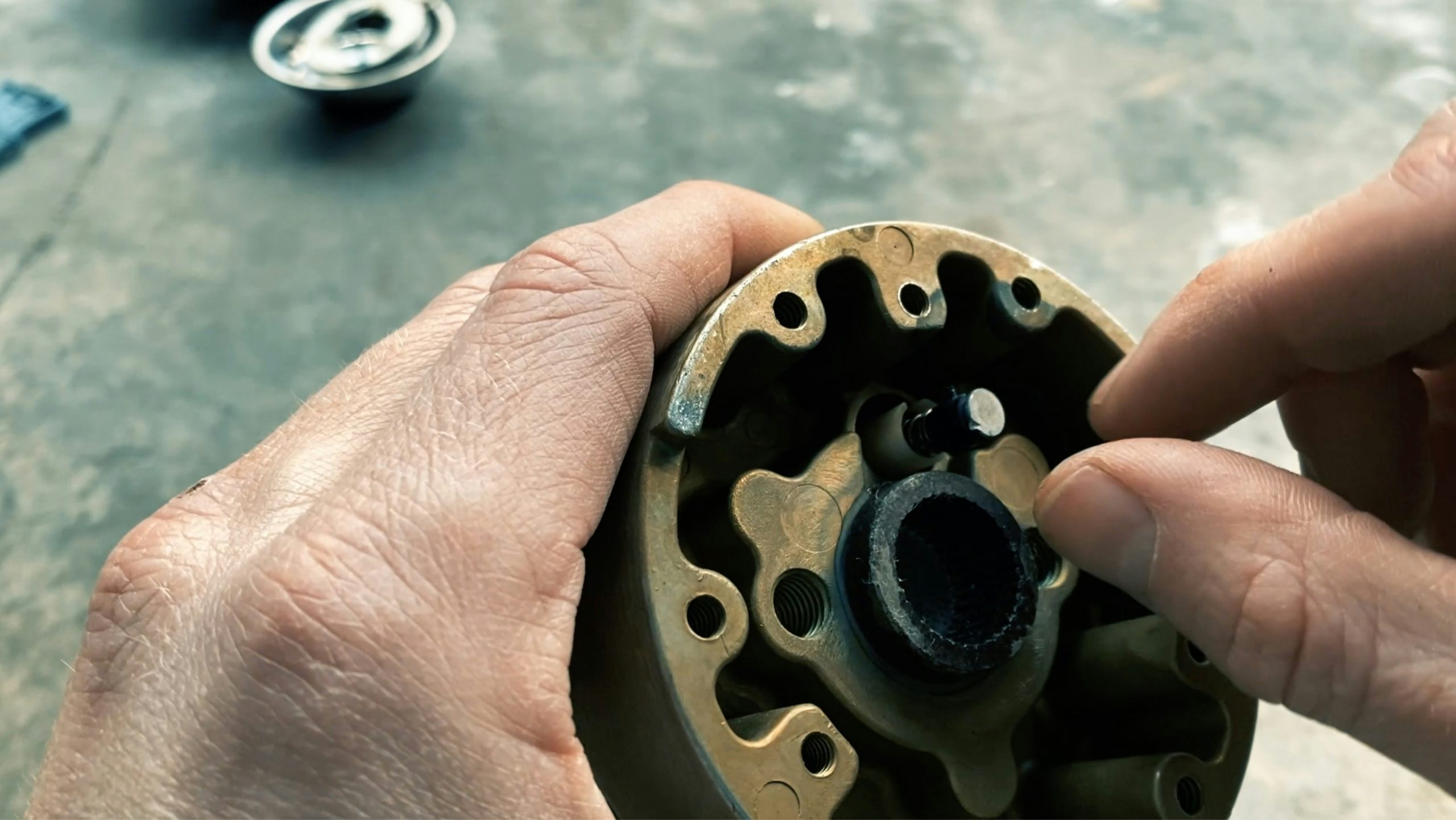
So, you’re wondering what makes gearbox bearings fail and how to keep them running smoothly? In a nutshell, most bearing failures boil down to a few key culprits: improper lubrication, contamination, incorrect installation, overloading, and plain old fatigue. The good news is, with a bit of attention and the right practices, a lot of these problems are entirely preventable. Let’s dig deeper into each one.
Gearboxes are tough, but their bearings are often the most delicate components. When they go, the whole operation can grind to a halt. Understanding why they fail is the first step in keeping your machinery humming.
1. Lubrication Issues: It’s More Than Just Adding Oil
Think of lubrication as the lifeblood of your bearings. Without it, or with the wrong kind, things go south fast.
Insufficient or Incorrect Lubricant
This is probably the most common cause. Not enough oil or grease means metal-on-metal contact, leading to excessive friction and heat. But it’s not just about quantity. Using the wrong type of lubricant – one with the wrong viscosity, additives, or base oil – can be just as damaging. For instance, a lubricant too thick might not reach all surfaces, while one too thin won’t provide adequate film strength under load. Old or degraded lubricant also loses its protective properties.
Over-Lubrication: Yes, It’s a Problem
Counter-intuitive, right? But stuffing a bearing full of grease can actually cause problems. Excess grease creates internal resistance and friction, leading to increased operating temperatures. Higher temperatures break down the lubricant faster and can contribute to premature bearing fatigue. It’s about finding that Goldilocks zone – just right.
Contamination of Lubricant
Even a perfectly specified lubricant can become a problem if it’s dirty. Dust, dirt, moisture, metal particles (from wear in other parts of the gearbox), or even process fluids can mix with your lubricant. These contaminants act like sandpaper, accelerating wear on the bearing surfaces, pitting, and etching. Water contamination, especially, can lead to rust and hydrogen embrittlement if not addressed quickly.
2. Environmental & Operational Stresses: The World Around Your Gearbox
The environment and how your gearbox operates play a huge role in bearing longevity.
Contamination (Non-Lubricant Related)
This goes beyond just dirty oil. External contaminants like dust, grit, or even corrosive chemicals can directly enter the bearing through seals that are worn, damaged, or improperly installed. These particles can score races and rolling elements, creating stress concentrators and leading to spalling.
Misalignment
If the shafts connected to your gearbox aren’t perfectly aligned, or if the gearbox itself isn’t mounted correctly, it puts undue stress on the bearings. Misalignment forces the bearing to handle loads it wasn’t designed for, causing uneven load distribution across the rolling elements. This leads to localized stress, increased friction, heat, and premature fatigue failure, often showing up as spalling in specific areas of the raceway.
Overloading (Static and Dynamic)
Every bearing has a rated capacity. Exceeding this capacity, whether it’s a constant heavy load (static) or frequent shock loads and vibrations (dynamic), will significantly shorten its life. Overloading leads to plastic deformation of the raceways and rolling elements, making the surfaces uneven and accelerating fatigue. Impact loads, like those from sudden stops or starts, are particularly damaging.
Excessive Vibration
Constant vibration, whether from the machine itself, an imbalance in a linked component, or external sources, can damage bearings. It can cause brinelling (indentations on the raceway without material removal) at static contact points, especially when the machinery is not running. During operation, excessive vibration can lead to fretting corrosion and increase dynamic stresses, accelerating fatigue.
Temperature Extremes
Both high and low temperatures can be detrimental. High temperatures can degrade lubricants quickly, reduce load-carrying capacity, and cause dimensional changes in bearing components, leading to loss of clearance or even interference fits. Low temperatures can make lubricants too viscous, impairing their ability to flow and protect, and can also make metals more brittle. Thermal shock, rapid heating or cooling, can also induce stresses.
Understanding the causes and prevention of gearbox bearing failure is crucial for maintaining the efficiency and longevity of industrial machinery. For a deeper insight into this topic, you may find the article on industrial gearbox repair particularly useful. It discusses various aspects of gearbox maintenance and offers practical solutions to common issues. To read more, visit this article on industrial gearbox repair.
Installation and Maintenance Blunders: Setting Them Up for Failure
Even a perfect bearing can be ruined before it ever makes a revolution if not handled and installed correctly.
1. Improper Mounting Procedures
This is a big one. Bearings are precision components and need to be treated as such.
Incorrect Fitting
Pressing a bearing onto a shaft or into a housing with uneven force, or using the wrong tools, can damage the raceways, rolling elements, or cages. Hammering directly on the outer or inner ring without proper support is a classic mistake. This can cause brinelling or even cracking. The correct tools, like induction heaters or hydraulic presses, ensure even force distribution.
Damage During Installation
Accidental nicks, scratches, or dropping a bearing during installation can compromise its integrity. Even a small imperfection can become a stress riser, initiating a crack or spalling later on. Pre-heating inner rings and chilling shafts can aid in proper interference fits, reducing the force needed and thus the risk of damage.
Incorrect Clearances
Bearings are designed with specific internal clearances to allow for thermal expansion and ensure proper lubrication film formation. If a bearing is installed with too much interference (too tight), it can eliminate or reduce this clearance, leading to excessive internal stress, friction, heat, and premature failure. Too little interference (too loose) can lead to fretting corrosion or creep of the ring on its seat.
2. Inadequate Maintenance Practices
“Set it and forget it” is a recipe for disaster with gearbox bearings.
Infrequent or Poor Lubricant Replenishment
As mentioned before, lubricant degrades over time and gets used up. Not sticking to a regular lubrication schedule means the lubricant runs dry or loses its protective qualities. This often happens because schedules are ignored, or the wrong amount of lubricant is added.
Not Checking for Wear and Tear
Ignoring minor signs of wear during routine inspections – slight increases in vibration, unusual noises, or temperature spikes – allows small problems to escalate into major failures. Regular monitoring, even if simple, can catch issues early.
Using Substandard or Unsuitable Replacement Parts
While tempting to save money, using cheap, non-spec bearings or seals can negate all other good practices. Substandard components don’t have the same material quality, precision, or design integrity as OEM or reputable replacements, leading to significantly shorter lifespans and potentially causing damage to other gearbox components.
Practical Prevention Strategies: Keeping Your Bearings Healthy
Now that we know what goes wrong, let’s talk about what to do right. A proactive approach is always better than reacting to a failure.
Understanding the causes and prevention of gearbox bearing failure is crucial for maintaining optimal equipment performance. For those looking to delve deeper into this topic, a related article offers valuable insights into the intricacies of gearbox repair and maintenance. By exploring the information provided, you can enhance your knowledge and implement effective strategies to mitigate potential issues. To read more about this, visit this informative article.
1. Master Your Lubrication Regimen
This is your first line of defense. Get it right.
Select the Right Lubricant
Consult your gearbox manufacturer’s specifications. If you don’t have them, work with a reputable lubricant supplier or bearing expert. Consider the operating temperature range, speeds, loads, and environmental conditions. Is a grease or oil better? What viscosity? What additives are needed (EP, anti-wear, rust inhibitors)?
Adhere to Proper Lubrication Schedules and Amounts
Don’t guess. Follow the manufacturer’s recommended lubrication intervals and quantities. If conditions are harsher than average (higher temps, heavier loads, dusty environment), you might need to lubricate more frequently. Over-lubrication is as bad as under-lubrication, so use calibrated tools if possible.
Implement Lubricant Analysis (Oil Analysis)
For critical gearboxes, especially those using oil, regular oil analysis is invaluable. It tells you the health of your lubricant (viscosity, oxidation, additive depletion) and, crucially, the health of your gearbox. Detecting wear particles (iron, chrome, copper) can give you early warning signs of bearing, gear, or shaft degradation before a catastrophic failure occurs. It also identifies contamination (water, dirt, fuel).
2. Focus on Precision in Installation
A good start makes a world of difference.
Use Correct Mounting Tools and Techniques
Never hammer a bearing directly. Use bearing heaters (induction or oil baths) to expand inner rings for shaft mounting and hydraulic presses for housing installation. Ensure even pressure and that the force is applied to the correct ring (inner ring for shaft, outer ring for housing). Consult bearing manufacturer guidelines for specific tools and procedures.
Ensure Proper Shaft and Housing Tolerances
Before installation, verify that shaft and housing dimensions are within the specified tolerances for the chosen bearing fit. Too tight or too loose a fit will negatively impact bearing performance and life. A micrometer or caliper is essential here.
Achieve Accurate Alignment
Misalignment is a silent killer. Use precision alignment tools – laser alignment systems are highly recommended – to ensure that shafts are perfectly aligned in both angular and parallel planes. Regularly check alignment as part of your maintenance routine, especially after any major interventions or if vibration issues arise.
3. Vigilant Monitoring and Proactive Maintenance
Prevention is an ongoing process, not a one-time fix.
Implement a Vibration Analysis Program
For critical gearboxes, professional vibration analysis is a powerful diagnostic tool. Changes in vibration patterns can indicate early stages of bearing degradation, unbalance, misalignment, or gear wear. Trending these measurements allows you to predict failures and plan maintenance proactively.
Regular Temperature Monitoring
Use infrared thermometers or permanently installed temperature sensors to monitor bearing housing temperatures. A sudden or sustained increase in temperature is a strong indicator of an impending problem – often lubrication issues, overloading, or developing internal damage. Establish baseline temperatures and set alarm limits.
Noise Monitoring and Visual Inspections
Sometimes, the simplest methods are still effective. Listen for unusual noises – grinding, squealing, rattling. These are often audible signs of a failing bearing. During routine shutdowns, visually inspect bearing housings, seals, and the surrounding area for signs of grease leakage, corrosion, or external damage.
Maintain a Clean Operating Environment
Prevent contaminants from entering the gearbox in the first place. Ensure seals are in good condition and replaced if damaged. Keep the area around the gearbox clean and free of dust and debris. Use filter breathers on gearboxes to prevent airborne contaminants and moisture from entering through the vent.
Stock Quality Spare Parts
Don’t wait for a bearing to fail entirely before you order a replacement. Keep a stock of quality, manufacturer-specified bearings and seals. This minimizes downtime and ensures you’re not forced to use substandard parts in an emergency. Store them properly in their original packaging, in a clean, dry environment, to prevent contamination or corrosion before use.
By understanding the common failure modes and diligently applying these preventive measures, you can significantly extend the life of your gearbox bearings, reduce unexpected downtime, and keep your operations running smoothly and efficiently. It’s an investment in reliability and productivity.
FAQs
What are the common causes of gearbox bearing failure?
Common causes of gearbox bearing failure include inadequate lubrication, contamination from dirt or debris, overloading, misalignment, and improper installation or maintenance.
How can inadequate lubrication lead to gearbox bearing failure?
Inadequate lubrication can lead to gearbox bearing failure by causing increased friction and heat, which can lead to premature wear and eventual failure of the bearings.
What are some preventive measures to avoid gearbox bearing failure?
Preventive measures to avoid gearbox bearing failure include regular inspection and maintenance, proper lubrication, ensuring proper alignment and installation, and avoiding overloading the gearbox.
What are the signs of gearbox bearing failure?
Signs of gearbox bearing failure may include unusual noises such as grinding or squealing, increased vibration, and elevated operating temperatures.
How can contamination from dirt or debris lead to gearbox bearing failure?
Contamination from dirt or debris can lead to gearbox bearing failure by causing abrasive wear on the bearings, leading to premature failure. Regular cleaning and maintenance can help prevent this type of failure.