Thinking about your car’s gearbox is usually a “when it breaks” kind of situation, and naturally, your first thought is: “What’s going to cost me less – fixing it or getting a whole new one?” It’s not always a straightforward answer, as there are a bunch of factors that swing the balance, from the type of gearbox you have to how much damage there is. We’ll break down the nitty-gritty of gearbox rebuild versus replacement costs so you can get a clearer picture of what’s coming your way financially.
Before we dive into the numbers, let’s make sure we’re on the same page about what a rebuild and a replacement actually entail. It’s easy to use these terms interchangeably, but they’re distinct processes with different implications.
What Exactly is a Gearbox Rebuild?
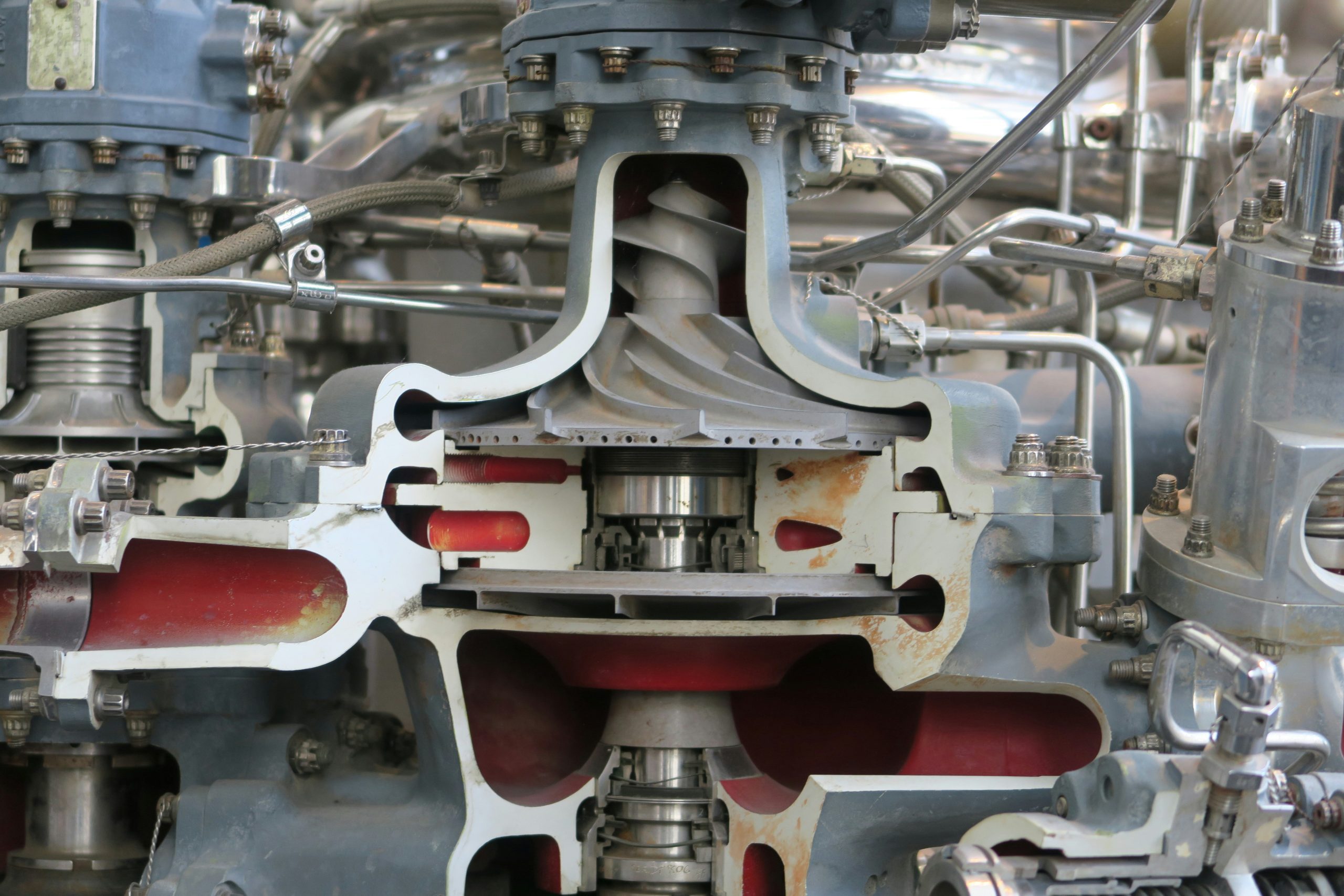
A gearbox rebuild is essentially taking your existing transmission apart, examining every single component, and then repairing or replacing any worn-out or damaged parts.
The Process of a Rebuild
When your transmission is rebuilt, it’s a comprehensive overhaul. This usually involves:
- Complete Disassembly: The entire gearbox is taken apart, piece by piece. This is a meticulous process that requires specialized tools and knowledge.
- Thorough Cleaning: All components are degreased and cleaned to allow for proper inspection. This is crucial to spot hairline cracks or minor wear that might otherwise go unnoticed.
- Inspection and Diagnosis: Each individual part – gears, bearings, seals, clutches, torque converter (for automatics), solenoids, valve body, and more – is carefully inspected for wear, damage, or defects. This is where the technician identifies what needs to be fixed.
- Replacement of Worn Parts: Any parts that are found to be worn, broken, or beyond their service life are replaced with new or reconditioned components. This typically includes seals, gaskets, clutches, bands, and often bearings.
- Reassembly: The gearbox is put back together according to manufacturer specifications, ensuring everything is perfectly aligned and torqued correctly.
- Testing: The rebuilt transmission is usually tested, either on a bench or in the vehicle, to ensure it shifts smoothly and operates as it should.
When is a Rebuild a Good Option?
A rebuild often makes sense when the core components of your gearbox are still sound, and the problem stems from wear and tear on specific, replaceable parts.
- Minor Wear and Tear: If your gearbox is exhibiting symptoms like slipping gears, rough shifting, or strange noises primarily due to worn clutch packs, seals, or bearings, a rebuild is a strong contender. These are common wear items that are relatively straightforward to replace.
- Specific Component Failure: Sometimes, only one or two components within the gearbox might fail catastrophically. If the damage is localized and hasn’t compromised the entire unit, a targeted repair (which is part of a rebuild) can be cost-effective.
- High-Quality Parts Availability: For certain vehicles, especially older or less common models, readily available high-quality replacement transmissions might be scarce or extremely expensive. In such cases, rebuilding with new or certified remanufactured parts can be the most practical approach.
- Preserving Originality: For classic cars or vehicles where originality is important, rebuilding the original transmission with its original case and serial numbers can be desirable, even if it costs a bit more than a generic replacement.
What Does a Gearbox Replacement Involve?
A gearbox replacement involves removing your current transmission and installing a completely different unit. This new unit could be brand new from the manufacturer, a remanufactured unit, or a used unit from another vehicle.
Types of Replacement Transmissions
There are a few flavors of replacement transmissions, each with its own cost and warranty implications.
- New (OEM): This is a brand-new transmission straight from the car manufacturer. It’s typically the most expensive option but comes with the longest warranty and guaranteed compatibility.
- Remanufactured: This is a complex process where a used transmission is brought back to original factory specifications. It’s more than just a rebuild; it’s a deep dive into the unit, often with updated components and testing to meet or exceed original standards. These usually come with competitive warranties.
- Reconditioned/Overhauled: Similar to remanufactured, but might not be as extensive. They are used units that have been disassembled, cleaned, inspected, and have worn parts replaced. The extent of work can vary.
- Used/Salvaged: This is a transmission pulled from a wrecked vehicle. It’s the cheapest option, but also the riskiest. You have very little idea of its history or remaining lifespan, and warranties are often minimal or non-existent.
When is a Replacement a Better Choice?
Replacement becomes the more attractive option when the damage to your existing gearbox is extensive, or when the cost of rebuilding approaches or exceeds the cost of a unit that’s already known to be in good working order.
- Extensive Internal Damage: If your gearbox has suffered severe internal damage – for example, shattered gears, a cracked housing, or major damage to the torque converter or planetary gear sets – it might be more economical to replace it. The cost of sourcing and replacing all these damaged parts during a rebuild can quickly escalate.
- High Mileage and General Wear: For vehicles with very high mileage where multiple internal components are likely nearing the end of their lifespan, a complete replacement with a remanufactured or new unit might offer better long-term reliability and peace of mind.
- Limited Repairability: Some modern transmissions are designed with integrated electronics or complex assemblies that make them difficult or prohibitively expensive to rebuild. In these cases, replacement is the standard solution.
- Time Constraints: If you need your vehicle back on the road as quickly as possible, a replacement can sometimes be faster than a rebuild. This is especially true if a suitable replacement unit is readily available at a trusted shop.
- Cost Parity: When the estimated cost of a full rebuild is very close to the cost of a quality remanufactured or even a new replacement unit, most people opt for the replacement for the assurance of a fresh start.
When considering the costs associated with gearbox maintenance, it’s essential to evaluate the options of rebuilding versus replacing your gearbox. A comprehensive analysis can be found in the article on industrial gearbox repair in Idaho Falls, which discusses the factors influencing the decision-making process and provides insights into cost-effectiveness. For more details, you can read the article here: Industrial Gearbox Repair in Idaho Falls.
Cost Breakdown: The Numbers Game
Now, let’s get down to the real meat of it – how much do these options typically set you back? Keep in mind these are estimates, and your specific situation will dictate the final bill.
Rebuild Costs: What to Expect
A gearbox rebuild can be a significant investment, but it’s often less than a brand-new replacement. The cost is heavily influenced by the complexity of your transmission and the extent of the damage.
Factors Affecting Rebuild Price
Several elements play a role in how much a rebuild will ultimately cost you.
- Labor Costs: This is a huge chunk of the expense. Rebuilding a transmission is a labor-intensive job that requires skilled technicians. Rates vary significantly by region and the reputation of the shop. A simple front-wheel-drive automatic transmission might take 8-12 hours of labor, while a complex all-wheel-drive manual could take much longer.
- Parts Cost: The price of replacement parts can range from inexpensive seals and gaskets to costly internal components like gear sets, clutch packs, and valve bodies. Some transmissions use proprietary or hard-to-find parts, which can drive up the cost.
- Transmission Type: Automatic transmissions are generally more complex and expensive to rebuild than manual transmissions due to their intricate hydraulic systems, torque converters, and electronic controls.
- Severity of Damage: As mentioned, if only a few seals are leaking, the rebuild will be much cheaper than if you have multiple broken gears and damaged clutch plates. The initial diagnosis often reveals the extent of the required parts.
- Fluid and Filters: New transmission fluid and filters are always part of a rebuild. While not the most expensive item, it’s an essential cost.
- Shop Overhead and Profit Margin: Like any business, repair shops have overhead costs (rent, tools, utilities) and need to make a profit. These are factored into the overall price.
Typical Rebuild Price Ranges
For a typical passenger car or light truck, a gearbox rebuild can often range from $2,500 to $5,000 or more.
- Manual Transmission Rebuild: Simpler designs mean fewer parts and less complex procedures. You might be looking at $1,500 to $3,000 for a manual transmission rebuild, depending on the vehicle and parts needed.
- Automatic Transmission Rebuild: These are notoriously more complex. Basic automatics might fall within the $2,500 to $4,500 range. High-performance, heavy-duty, or electronically complex automatics (like many modern CVTs or dual-clutch transmissions) can easily push the upper limit or even exceed $5,000-$7,000.
Replacement Costs: Looking at New, Reman, and Used
When you opt for replacement, you’re buying into a whole unit, which can sometimes make budgeting a bit easier, though the price tags can be higher upfront.
Factors Influencing Replacement Price
The cost of a replacement transmission is influenced by several key aspects, much like a rebuild, but with a slightly different focus.
- Type of Replacement Unit: This is the biggest differentiator. A brand-new OEM unit will cost significantly more than a used one.
- Warranty: Longer and more comprehensive warranties typically come with higher-priced units (new or remanufactured) and offer greater peace of mind. Short or no warranties on used units are a significant risk you’re accepting.
- Labor to Install: Just like a rebuild, the labor involved in removing the old transmission and installing the replacement is a substantial part of the overall cost. This involves disconnecting drivelines, exhaust, electronics, shifter linkages, and mounting points.
- Associated Parts: Often, when replacing a transmission, it’s recommended to replace the torque converter (for automatics), transmission mounts, and sometimes even associated sensors or cooler lines, which adds to the total bill.
- Vehicle Make and Model: The cost of transmissions varies wildly between different makes, models, and years of vehicles. Luxury cars, performance cars, and heavy-duty trucks will have much more expensive transmissions than economy cars.
- Availability: For rare or specialized vehicles, finding a suitable replacement transmission can be challenging, which can drive up both the cost of the unit and the labor if the shop has to special order parts or spend extra time sourcing.
Typical Replacement Price Ranges
Here’s a general idea of what you might expect for different types of replacements:
- Used/Salvaged Transmission: These can range from $500 to $2,000, often depending on the vehicle and the seller. However, remember that this price usually excludes installation and any warranty, making it a very risky proposition.
- Reconditioned/Overhauled Transmission: Costs for these units can fall between $1,500 and $3,500, generally including some level of warranty.
- Remanufactured Transmission: These are typically priced from $2,000 to $4,500, and sometimes more for high-performance or complex units. They usually come with a decent warranty (e.g., 1-3 years).
- New OEM Transmission: This is the most expensive option, starting from $3,000 and easily going up to $6,000 or even $10,000+ for heavy-duty or specialized applications. These typically have the best warranties.
Don’t forget to factor in installation labor. For any replacement, expect another $800 to $2,000 or more for the mechanics to put it in your car. So, a $3,000 remanufactured transmission could end up costing you $4,000-$5,000 installed.
When is Rebuilding the Smarter Financial Move?
Sometimes, you just want to know which path is going to cause the least pain to your wallet in the long run. Rebuilding, while not always the cheapest upfront, often proves to be the more financially savvy choice in specific scenarios.
Analyzing the Value Proposition
It’s not just about the immediate cost; it’s about the long-term value and reliability you’re getting for your money.
Long-Term Reliability and Warranty
A well-executed rebuild with quality parts, backed by a reputable shop’s warranty, can offer reliability comparable to a new unit. This is crucial for avoiding repeat repairs down the line.
- Shop Warranty: Reputable shops that perform rebuilds often offer warranties on their work, typically ranging from 1 to 3 years, sometimes with unlimited mileage. This provides a significant safety net.
- Known Components: With a rebuild, you know exactly which parts are being replaced. If you have a high-quality shop, they’ll use reliable parts that will give you good mileage.
- Originality Maintained: For older or classic cars, rebuilding the original transmission preserves the vehicle’s historical integrity, which can be important for resale value or personal satisfaction.
Cost-Effectiveness for Specific Issues
If the problem is contained and doesn’t involve widespread, catastrophic damage, rebuilding can be a clear winner.
- Minor Wear Items: If the diagnosis points to worn-out seals, clutches, or bearings, these are relatively inexpensive parts to replace compared to the cost of an entire new or remanufactured unit.
- Preventative Measures: Sometimes, during a rebuild for one issue, a mechanic might proactively replace other components that are showing early signs of wear, saving you from a future breakdown and another repair bill.
The “Sweet Spot” for Rebuilds
There’s a point where the cost of a rebuild becomes very attractive compared to a replacement.
- When Rebuild Costs are Significantly Lower: If a competent rebuild is quoted at, say, $3,000, and a remanufactured unit of comparable quality is $4,000-$5,000 plus installation, the rebuild is clearly the more economical choice.
- For Models with Expensive Replacement Units: If you own a vehicle where new or remanufactured transmissions are exceptionally costly (e.g., some European luxury brands, high-performance vehicles), rebuilding can provide a cost-effective way to get your transmission back in working order.
- When the Vehicle’s Overall Value is Moderate: If your car is not a high-value collectible but still has plenty of life left in it, investing in a rebuild that costs less than 50% of the car’s value makes a lot of sense. You’re getting a sound vehicle for a reasonable investment.
Sure, here is the sentence with the clickable link:
contact Industrial Gearbox Solutions for all your gearbox needs.
When is Replacement the More Sensible Path?
There are definite scenarios where cutting your losses and going for a complete replacement is the more logical and financially sound decision. It’s about looking at the bigger picture and avoiding future headaches.
Addressing Major Damage and Component Failure
When the core of the transmission has been compromised, the cost and effort of rebuilding can quickly outweigh the benefits.
The “Point of No Return” Scenarios
Certain types of damage effectively seal the fate of a transmission, making replacement the only practical option.
- Cracked Transmission Case/Housing: If the metal casing of the transmission is cracked, especially due to impact or severe internal stress, it’s almost always more cost-effective to replace the entire unit. Repairing a cracked housing is often unreliable and expensive.
- Gears Shattered or Severely Damaged: When gears have broken into pieces or have significant pitting and fragmentation, the damage is usually widespread. Rebuilding would involve replacing multiple expensive gear sets, often making it uneconomical.
- Torque Converter Catastrophe (Automatics): While torque converters can often be serviced as part of a rebuild, if the internal components have completely failed and caused secondary damage throughout the transmission (like sending metal debris everywhere), replacing the whole unit becomes more logical.
- Significant Valve Body Damage: The valve body is the “brain” of an automatic transmission. If it’s severely damaged by debris or wear, finding and replacing all affected parts can be incredibly complex and costly, sometimes making a replacement unit a better buy.
The Risk of Hidden Damage
Sometimes, what appears to be a localized issue can have far-reaching consequences.
- Overheating and Warped Components: Extreme overheating can warp metal components, warp clutch plates, and degrade seals. If the overheating was severe and prolonged, it’s hard to be certain that all affected parts have been identified and replaced during a rebuild. A replacement unit offers a fresh start.
- Contamination from Debris: If metal shavings or other debris have circulated throughout the transmission due to a major failure, it can cause accelerated wear on other components even if they appear intact during an initial inspection. This makes a full replacement a safer bet for long-term reliability.
Weighing the Cost Against the Uncertainty of Rebuilds
Sometimes, replacement offers a more predictable outcome.
- Known Quantity with Warranty: A remanufactured or new transmission comes with a defined warranty. You know what you’re getting, and if it fails within the warranty period, the repair is covered. With a rebuild, while often reliable, the risks of unforeseen issues can sometimes be higher if not done by a truly top-tier specialist.
- Time Savings: As mentioned, replacement can often be faster. If your car is your livelihood or essential for daily tasks, the time downtime associated with a potentially lengthy rebuild can be a significant hidden cost.
When considering the financial implications of maintaining your machinery, understanding the nuances between a gearbox rebuild and replacement is crucial. For a deeper dive into this topic, you can explore a related article that provides insights into the cost analysis of these options. This resource can help you make an informed decision based on your specific needs and circumstances. To learn more about the intricacies of gearbox maintenance, visit this informative article.
Factors Beyond Pure Cost: Other Considerations
| Cost Category | Gearbox Rebuild | Gearbox Replacement |
|---|---|---|
| Parts Cost | 1000 | 2000 |
| Labor Cost | 500 | 1000 |
| Downtime | 2 days | 5 days |
| Total Cost | 1500 | 3000 |
The decision between rebuilding and replacing isn’t solely about the dollars and cents. Several other significant factors can influence which path is best for you and your vehicle.
Vehicle Age, Mileage, and Overall Condition
The life stage of your car plays a big role in this decision.
Balancing the Investment
Consider the total value and anticipated future of your vehicle.
- Future Life Expectancy: If your car has extremely high mileage (e.g., over 200,000 miles) and is showing signs of age in other areas (engine, suspension, body rust), investing thousands in a transmission rebuild might not be wise in the long run. You might be facing other expensive repairs soon.
- Overall Health of Other Major Components: Is the engine in good shape? Is the chassis sound? If other expensive components are on their last legs, sinking a large sum into the transmission might not be the most strategic decision.
- Market Value of the Vehicle: If the cost of a rebuild or replacement is a significant percentage of your car’s current market value, you need to seriously consider if the repair is financially justifiable. Sometimes, you might be better off putting that money towards a newer, more reliable vehicle.
Warranty and Peace of Mind
What kind of safety net do you want when you drive away from the repair shop?
The Value of a Guarantee
A warranty provides a crucial layer of security against future issues.
- Rebuild Warranty: A good rebuild shop will offer a warranty, often ranging from 1 year to 3 years, sometimes with mileage limitations. This is a primary consideration when evaluating rebuild options.
- Replacement Unit Warranty: New OEM units typically have the longest warranties (e.g., 3 years/unlimited miles). Remanufactured units usually have good warranties too, making them a popular choice. Used units often have very short warranties (e.g., 30-90 days) or none at all, which is a significant risk.
- Installer’s Warranty: Beyond the warranty on the transmission itself (whether rebuilt or replaced), consider the warranty the shop offers on their labor. This covers issues related to the installation process.
Availability and Lead Times
Sometimes, practical logistics dictate your options.
Getting Back on the Road Swiftly
How quickly do you need your car back?
- Lead Time for Parts: For a rebuild, if specific parts are hard to find, the process could be significantly delayed.
- Availability of Replacements: Stock availability of new or remanufactured units varies. Some shops might have a unit readily available for your specific vehicle, while others might need to order it, adding to the wait time.
- Shop Bottlenecks: The workload at your chosen repair shop can also affect lead times, regardless of whether it’s a rebuild or replacement. Specialized transmission shops might have longer wait times but also greater expertise.
When considering the costs associated with a gearbox, it’s essential to evaluate whether a rebuild or replacement is the most economical choice. A related article that delves into the intricacies of gearbox repair options can be found here, providing insights that can help you make an informed decision. Understanding the factors that influence these costs can ultimately save you time and money in the long run.
Making Your Decision: A Practical Checklist
So, you’ve got the information, but now it’s time to put it all together and make the best choice for your situation. Here’s a practical checklist to guide you.
Your Step-by-Step Action Plan
Follow these steps to get a clear path forward.
1. Get a Professional Diagnosis
- Problem Identification: The absolute first step is to get a thorough diagnosis from a trusted mechanic or a transmission specialist. Don’t just accept a symptom; understand the cause.
- Clear Explanation: Ask them to explain exactly what’s wrong, which components are affected, and what the proposed solution (rebuild or replacement) entails.
- Get it in Writing: Request a written estimate that clearly outlines the work to be done, the parts to be used, and the associated costs.
2. Obtain Multiple Quotes
- Specialists vs. General Shops: Try to get quotes from at least two or three reputable transmission specialists if possible. General mechanics can do transmissions, but specialists often have more expertise and potentially better pricing on parts.
- Compare Apples to Apples: Ensure the quotes you receive are for comparable work. For a rebuild, specify the same level of parts quality. For a replacement, clarify whether the quote is for a new, remanufactured, or used unit, and what the warranty is.
3. Analyze the Quotes Critically
- Rebuild Quote:
- Does it include all necessary parts (seals, clutches, bands, filters, fluid)?
- What is the warranty offered on the labor and parts?
- Does it seem reasonable compared to other rebuild quotes?
- Replacement Quote:
- What type of replacement unit is being quoted (new OEM, remanufactured, reconditioned, used)?
- What is the specific warranty on the unit and the labor?
- Does the price include installation, fluids, and any other necessary parts (like a torque converter)?
4. Consider Your Vehicle’s Value and Condition
- Is the Car Worth the Investment?: Look up the market value of your car in its current condition. If the repair cost is more than 50% of its value, you might want to reconsider.
- Future Repairs: Are there other major issues likely to arise soon? If so, a costly transmission repair might be throwing good money after bad.
5. Factor in Long-Term Outlook
- How Long Do You Plan to Keep the Car?: If you plan to sell it soon, a rebuild might offer better resale value than a temporary fix. If you plan to drive it for many more years, investing in a quality remanufactured unit with a good warranty might be the most sensible long-term choice.
- Peace of Mind: Sometimes, even if it’s slightly more expensive, the peace of mind that comes with a solid warranty or a brand-new unit is worth the extra investment.
By systematically working through these steps, you can move from a state of confusion to a confidently made decision that balances cost, reliability, and practicality for your specific automotive situation.
FAQs
1. What is a gearbox rebuild?
A gearbox rebuild involves disassembling the gearbox, inspecting all components for wear and damage, replacing any worn or damaged parts, and reassembling the gearbox to factory specifications.
2. What is gearbox replacement?
Gearbox replacement involves removing the entire gearbox unit and installing a new or refurbished unit in its place.
3. What are the factors to consider when deciding between gearbox rebuild and replacement?
Factors to consider include the extent of damage to the gearbox, the availability of replacement parts, the cost of replacement parts, the cost of a new gearbox unit, and the labor costs associated with either option.
4. What are the potential cost savings of a gearbox rebuild compared to replacement?
In many cases, a gearbox rebuild can be more cost-effective than a full replacement, especially if the damage is limited to specific components and replacement parts are readily available.
5. When is gearbox replacement a more viable option than a rebuild?
Gearbox replacement may be a more viable option when the damage to the gearbox is extensive, when replacement parts are not readily available, or when the cost of a new gearbox unit is comparable to the cost of a rebuild.