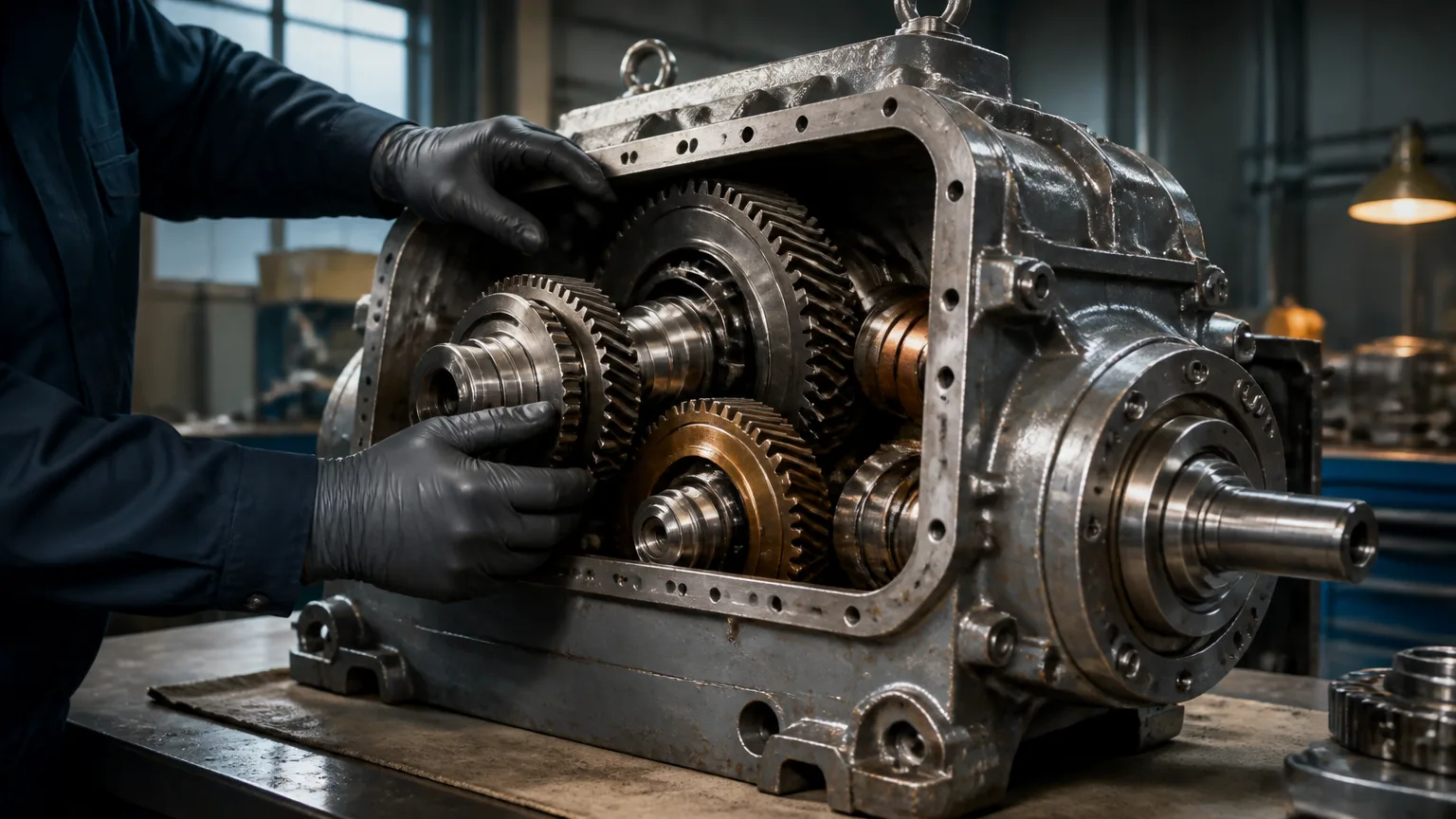
A Lufkin gearbox can play a critical role in keeping production on schedule. When it fails, unexpected stoppages can raise costs, disrupt output, and create safety risks for maintenance teams. Timely lufkin gearbox repair starts with recognizing warning signs before minor wear becomes a major breakdown.
The right response depends on what caused the problem and how severe the damage is—not simply on replacing parts. A careful diagnosis, well-planned repair, and preventive maintenance can help reduce downtime and preserve service life. This article explains how to make those decisions with confidence.
Recognize Warning Signs and Find the Root Cause
Rising noise or vibration, excess heat, lubricant leaks, and metal particles in the oil can all signal a gearbox problem. Changes in output speed, torque, or overall operating performance also warrant investigation. These symptoms point to trouble, but they do not identify the cause on their own.
Record when each symptom occurs, including whether it appears during startup, under a specific load, or after extended operation. Check load, alignment, mounting, and lubrication conditions before settling on a diagnosis. For example, vibration may result from misalignment or loose mounting—not necessarily damaged gears.
A technician uses operating history, condition assessment, and inspection findings to distinguish visible effects from underlying faults. Oil analysis, measurements, and internal inspection can help locate wear, bearing damage, lubrication problems, or other sources of failure. This evidence guides the lufkin gearbox repair scope, so the team can address the cause rather than only the symptom.
A clear diagnosis also helps prevent repeat failures and avoid unnecessary work. For a related overview of repair planning, see a plant manager’s guide to Cone Drive gearbox repair.
Plan the Repair to Minimize Production Disruption
Once the failure is understood, coordinate the repair before the gearbox leaves the site. Share its model and serial information, application, operating conditions, and failure history with the repair provider. These details help the team prepare for the right inspection and parts, reducing delays and avoiding assumptions about the cause.
Agree on access and outage logistics early. Schedule gearbox removal and transport, confirm replacement coverage or a temporary operating plan, and make sure maintenance staff are available when needed. For example, arranging lifting equipment and transport in advance can prevent a repair from waiting idle after production has stopped.
Define the overhaul scope in writing. It should cover inspection of gears, bearings, shafts, seals, and housing, with findings documented before repair work proceeds. Agree on which components may be repaired or replaced, how changes will be approved, and what testing is required before return to service.
Testing should match the gearbox and its application, with clear acceptance criteria shared in advance. For more detail on inspection and verification, see a practical guide to gearbox overhauling and testing. A well-coordinated lufkin gearbox repair helps limit uncertainty during the outage and supports a reliable restart.
Choose Repair or Replacement Based on Condition and Risk
With the inspection findings and test criteria in hand, compare repair with replacement against the gearbox’s condition and operating demands. Repair may be appropriate when damage is limited, critical components can be restored or sourced, and the unit can meet service requirements after testing. For example, replacing worn bearings and correcting a lubrication issue may be practical if the gears and housing remain serviceable.
Replacement may be more dependable when damage is extensive, failures have repeated, parts are obsolete, or the gearbox no longer suits its duty. Consider load, speed, operating environment, and future production needs; these factors for choosing a gearbox for heavy-duty machinery can help clarify whether the existing design remains suitable. A broader gearbox repair and replacement guide for industry can also support the decision.
Compare total downtime and lifecycle implications, not purchase price alone. Include lead times, installation, commissioning, expected service life, and the operational cost of another failure. If a repair offers a short-term saving but leaves a high-risk component in service, replacement may reduce disruption over time. The right lufkin gearbox repair decision should reflect both verified condition and the consequences of failure for the facility.
Protect the Repaired Gearbox with Consistent Maintenance
After a successful lufkin gearbox repair, consistent maintenance helps protect restored components and catch developing problems before they cause another outage. Start with operating practices that match the gearbox’s load, speed, and environment. Avoid abrupt load changes, and follow manufacturer guidance for startup and operation.
Use the lubricant specified for the application, selected to suit operating conditions and manufacturer requirements. Maintain the correct fill level, and monitor lubricant condition and contamination through routine checks or oil analysis. For help assessing options, see this guidance on synthetic lubricants for industrial gearboxes.
Set a regular inspection schedule and record findings against a post-repair baseline. Check for leaks, temperature changes, vibration, alignment issues, and unusual noise. A rising temperature or new vibration can signal a developing problem; documenting when it appears helps maintenance teams investigate and respond early.
Adjust inspection frequency to the gearbox’s duty and operating conditions. Review trends over time, not just individual readings, so small changes are less likely to go unnoticed. When a check identifies an abnormal condition, investigate its cause before it develops into a larger failure.
Keep the Line Moving with a Proactive Repair Strategy
Prompt fault assessment, a repair-or-replacement decision based on verified condition, and consistent follow-up maintenance can reduce downtime and extend gearbox service life. Together, these steps help address developing problems before they cause an unplanned shutdown.
If you notice unusual noise, heat, vibration, or leakage, document the symptoms and equipment details, then seek an assessment. A specialist can clarify the repair scope and coordinate a solution around your facility’s needs. Acting early helps keep the line moving.