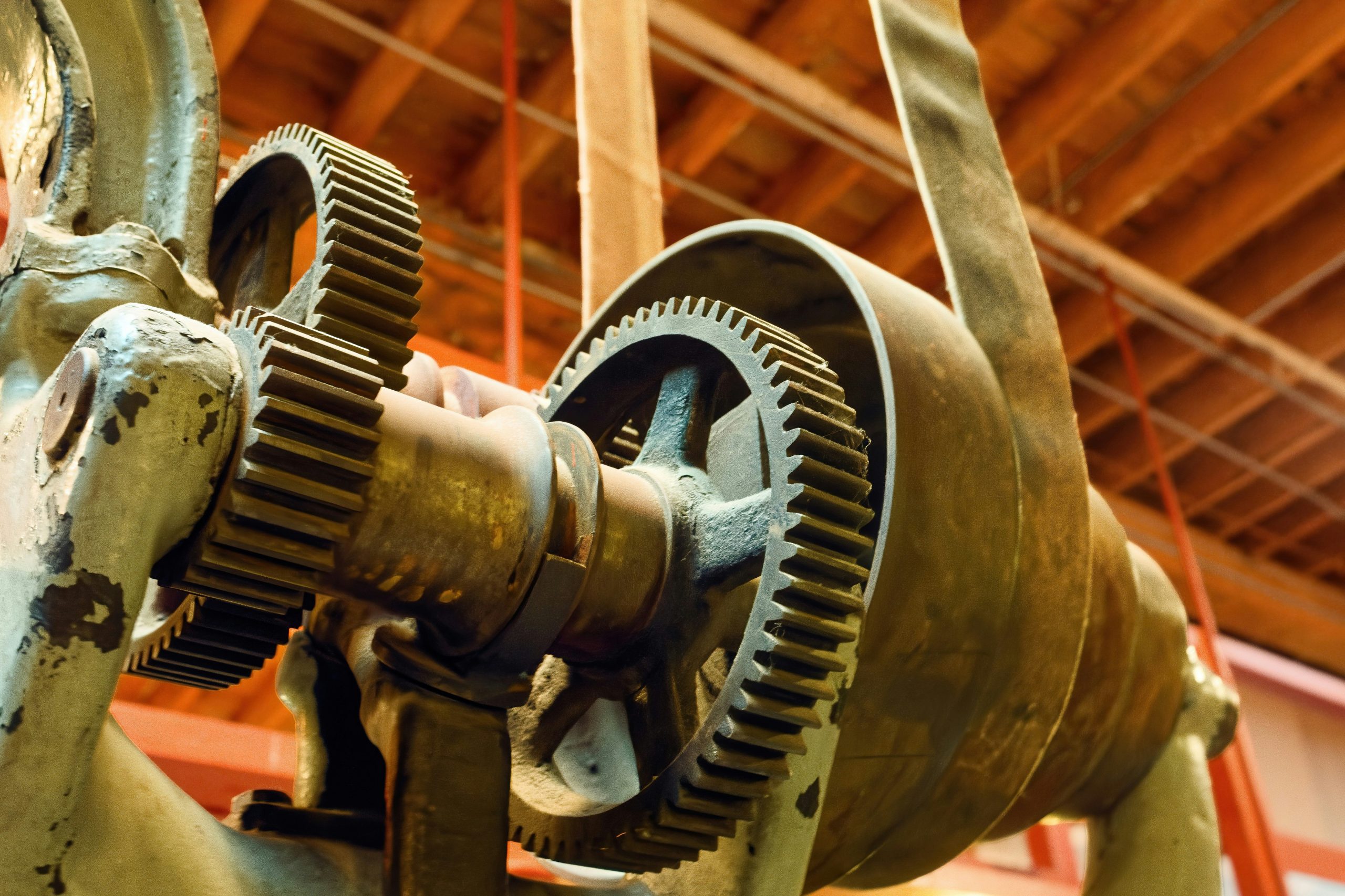
Chances are, if you’re reading this, your industrial gearbox might be giving you some grief. The short answer to “does my gearbox need replacing?” is often “yes” if you’re seeing more than one of the issues we’re about to discuss. Think of it this way: a gearbox is a critical component, and ignoring its distress signals can lead to bigger, more expensive problems down the line, including unscheduled downtime and potential safety hazards. It’s not just about the cost of a new unit; it’s about the cost of everything else that grinds to a halt when that gearbox finally gives up the ghost.
Let’s dive into what those distress signals actually look and sound like, so you can make an informed decision before things get truly dire.
Your industrial gearbox isn’t meant to be a rock concert. While some level of operational hum is normal, any significant change in the sound it produces is a big red flag. These aren’t just annoying; they’re often symptomatic of deeper issues.
Grinding or Gnashing Sounds
This is probably one of the most concerning noises you can hear. Grinding usually indicates metal-on-metal contact where it shouldn’t be happening.
- What it often means: Worn or damaged gear teeth is the prime suspect. This could be due to insufficient lubrication, improper meshing, or excessive loading. If the teeth are chipped or breaking, you’ll hear that distinct grinding.
- Why it’s bad: Damaged gear teeth will quickly accelerate wear on other components, create metallic debris that contaminates the lubricant, and can lead to sudden, catastrophic failure.
Knocking or Hammering
A rhythmic or intermittent knocking sound can be unsettling, and for good reason.
- What it often means: This generally points to issues with bearings (worn, spalled, or brinelled), loose components within the gearbox, or even an unbalance in the shaft. Sometimes, it can indicate a broken tooth impacting other gears, or a shaft bearing with excessive clearance.
- Why it’s bad: Loose components can cause severe damage at high speeds. Bearing failures can lead to shaft misalignment and eventually, total seizure.
Whining or High-Pitched Squealing
While not always as dramatic as grinding, these high-frequency sounds shouldn’t be ignored.
- What it often means: Often linked to lubrication issues, like insufficient oil film between gear teeth or bearings. It can also point to high speed gears that are failing, or misaligned shafts causing undue stress on components. Sometimes, if the pitch of the whine changes with load, it’s a good indication of gearing problems.
- Why it’s bad: Lack of proper lubrication leads to rapid wear and tear. Overheating is a common side effect, which can degrade seals and further exacerbate lubrication problems.
Hissing
While less common, a persistent hissing sound is worth investigating.
- What it often means: This typically indicates a problem with seals, allowing pressurized air or oil vapor to escape. It can also be associated with cavitation in the lubricant if it’s struggling to flow correctly under pressure.
- Why it’s bad: Leaking seals mean reduced lubricant levels and potential contamination from the outside environment, both of which shorten gearbox life significantly.
If you’re noticing unusual noises, overheating, or decreased efficiency in your machinery, it may be time to consider the signs your industrial gearbox needs replacement. For more insights on how to maintain your equipment and the importance of timely repairs, check out this informative article on industrial gearbox repair in Memphis, TN. You can read it here: Industrial Gearbox Repair in Memphis, TN.
Excessive Heat: When Things Get Too Hot to Handle
A certain amount of heat generation is normal for any working machine, including a gearbox. However, if your gearbox is running significantly hotter than usual, or too hot to touch comfortably, that’s a serious problem.
Increased Operating Temperature
Monitoring the temperature of your gearbox is crucial. Modern systems often have sensors, but a simple infrared thermometer or even a cautious hand test can give you early warnings.
- What it often means: Elevated temperatures usually signify excessive friction. This can stem from a variety of causes: inadequate or degraded lubrication, bearing failure, misaligned shafts, overloading, or even incorrect backlash settings.
- Why it’s bad: High temperatures accelerate lubricant degradation, causing it to lose its protective properties faster. This creates a vicious cycle of increased friction and heat. It can also cause seals to harden and crack, leading to leaks, and potentially lead to component distortion or differential expansion which can cause further misalignment and stress.
Smoke or Burning Smell
This is a critical, immediate warning sign. Don’t ignore it.
- What it often means: This almost always indicates severe overheating, often to the point where the lubricant is breaking down completely or seals are burning. It can also be related to electrical issues in some configurations, but predominantly points to mechanical failure leading to extreme friction.
- Why it’s bad: At this point, significant damage has likely already occurred. Continued operation risks fire, catastrophic mechanical failure, and can be extremely dangerous. Shut down the machine immediately and investigate.
Leaking Lubricant: A Dripping Problem That Can Lead to Disaster
Oil leaks might seem minor, but they are never a good sign and can quickly lead to more severe issues.
Visible Oil Puddles or Seepage
If you’re seeing oil outside the gearbox, it’s actively escaping.
- What it often means: The most common culprits are worn or damaged seals (lip seals, labyrinth seals). Gaskets between housing halves can also fail, especially if bolts loosen or if the housing warps due to temperature fluctuations. Cracks in the housing itself (though less common) can also cause leaks.
- Why it’s bad: Reduced lubricant volume means critical components aren’t getting the lubrication they need. This increases friction, heat, and wear. It also makes the gearbox susceptible to external contamination (dust, water, corrosive agents) entering the reduced oil supply, further accelerating wear. Additionally, it creates a potential slip hazard and environmental concern.
Foaming or Discolored Lubricant
Looking at the lubricant itself can tell you a lot.
- What it often means: Foaming often suggests water contamination, air entrainment due to an incorrect oil level, or lubricant degradation. Discoloration (beyond normal darkening from use) can indicate contamination with wear particles (metallic sheen), oxidation (brown/black sludge), or mixing with incompatible lubricants.
- Why it’s bad: Contaminated or degraded lubricant loses its ability to protect components, leading to increased wear, corrosion, and overheating. Water contamination, in particular, can lead to hydrogen embrittlement in bearings and outright failure.
Sure, here is the sentence with the clickable link:
Please feel free to contact Industrial Gearbox Solutions for any inquiries.
Performance Degradation: When the Gearbox Just Isn’t Pulling Its Weight Anymore
A gearbox’s primary job is to transfer power efficiently. If it’s not doing that effectively, it’s telling you something is wrong.
Reduced Power Output
If the machinery driven by the gearbox isn’t performing as it should, the gearbox might be the culprit.
- What it often means: This can be due to increased internal friction from worn bearings or gears, significant lubricant degradation leading to drag, or even slipping clutches within more complex gearboxes. Overloading can also manifest as reduced power output if the gearbox is struggling to maintain its intended speed or torque.
- Why it’s bad: Reduced power output means your process is inefficient, costing you money in lost productivity and potentially higher energy consumption for the same output. It also indicates significant internal stresses and wear.
Increased Vibration
Vibration is often a precursor to catastrophic failure and should always be taken seriously.
- What it often means: This is one of the most common signs of gearbox trouble. It can be caused by misaligned shafts, worn or failing bearings, imbalances in rotating components, or damaged gear teeth. Resonant frequencies can also be excited by these issues, amplifying the problem.
- Why it’s bad: Excessive vibration not only wears out the gearbox itself but puts stress on connected components, foundations, and even surrounding equipment. This can lead to fatigue failures in other parts of your system and can pose safety risks.
Erratic or Inconsistent Operation
A gearbox should provide smooth, consistent power transfer.
- What it often means: This could be linked to issues like backlash that’s too great, causing hesitant engagement; intermittent binding due to debris or distorted components; or problems with the control system itself if it’s an intelligent gearbox. If the speed or torque fluctuates without changes to the input, it’s a strong indicator.
- Why it’s bad: Inconsistent operation can damage products, lead to quality control issues, and cause unpredictable stresses on the entire mechanical system. It’s unsafe and inefficient.
If you’re noticing unusual noises or vibrations from your machinery, it may be time to consider the condition of your industrial gearbox. Understanding the signs that indicate a need for replacement can help prevent costly downtime and repairs. For more in-depth information on how to maintain your equipment and when to seek professional help, check out this informative article on industrial gearbox repair. Taking proactive steps can ensure the longevity and efficiency of your operations.
Visible Damage or Wear: The Obvious Signs You Can’t Ignore
| Signs Your Industrial Gearbox Needs Replacement |
|---|
| Excessive noise or vibration |
| Leaking oil or lubricant |
| Overheating |
| Loss of efficiency |
| Frequent breakdowns |
| Visible wear or damage |
Sometimes, the problems aren’t hidden inside; they’re right there for you to see (or feel). Regular visual inspections are vital.
Cracks or Fractures on the Housing
The external casing is more than just a shell; it protects the vital internal components.
- What it often means: Cracks are usually a sign of excessive stress, shock loading, or material fatigue. Poor foundation mounting can also induce stresses leading to cracks. Casting defects, while rare, can also manifest over time.
- Why it’s bad: A compromised housing offers less protection to internal components. It’s a prime location for leaks to start or for environmental contaminants to get in. In severe cases, a cracked housing can lead to complete structural collapse of the gearbox.
Loose Fasteners or Mounting Bolts
While easily overlooked, loose hardware can lead to a cascade of problems.
- What it often means: Over time, vibration can loosen bolts. Thermal expansion and contraction can also contribute. Sometimes, improper torque during installation can be the root cause.
- Why it’s bad: Loose bolts allow the gearbox to shift, leading to misalignment with connected shafts. This, in turn, causes increased vibration, bearing stress, and potential shaft fatigue in the connected equipment. It can also exacerbate housing cracks.
Excessive Backlash or Play
Backlash is the rotational movement in a gear pair without any corresponding movement in the driven gear. A certain amount is necessary, but too much is a problem.
- What it often means: This typically points to significant wear on the gear teeth themselves, where the tooth profile has been eroded. It can also be a symptom of worn bearings allowing the shafts to shift.
- Why it’s bad: Excessive backlash leads to shock loading (impacts) as the driving gear picks up the slack when the load reverses or changes. This accelerates wear dramatically, generates noise, and can lead to uneven, erratic operation. It also makes precise positioning difficult if the gearbox is used in an application requiring accuracy.
If you’re noticing unusual noises or vibrations from your machinery, it may be time to consider the condition of your industrial gearbox. Understanding the signs that indicate a need for replacement can help prevent costly downtime and repairs. For a deeper insight into related components, you might find it helpful to read about the role of speed reducers in gear systems. This article provides a comprehensive overview of gear reduction, which is essential for optimizing performance and efficiency in industrial applications. You can explore it further by visiting this link.
Internal Component Analysis: The Deeper Dive (Often Requiring Shutdown)
While the previous signs can often be observed during operation or simple visual checks, sometimes you need to get inside the gearbox, or analyze its ‘blood’ – the oil.
Metal Particles in Lubricant (via Oil Analysis)
Oil analysis is like a blood test for your gearbox; it reveals critical health information.
- What it often means: The presence and type of metal particles (e.g., iron, copper, chromium) in the lubricant indicate which specific components are wearing out. Iron usually points to gears or bearing races, copper to bronze cages or thrust washers, chromium to roller bearings. The quantity and size of particles are also crucial indicators.
- Why it’s bad: Metal particles are highly abrasive contaminants. They circulate through the lubricant, causing further wear to all lubricated surfaces, effectively turning your oil into sandpaper. This accelerates the degradation of every component it touches and can clog filters.
Pitting, Spalling, or Scratches on Gear Teeth
When you can directly inspect the gears, these are the visual cues of severe wear.
- What it often means:
- Pitting: Small, localized surface depressions often caused by high contact stress or localized fatigue. It’s usually the earliest sign of contact fatigue.
- Spalling: A more severe form of pitting where larger flakes of material break off, indicating advanced surface fatigue.
- Scratches/Scoring: Caused by abrasive particles in the lubricant or insufficient lubrication allowing metal-on-metal contact.
- Fractures/Broken Teeth: The ultimate failure, often from overloading, shock, or severe fatigue.
- Why it’s bad: These forms of damage compromise the gear’s ability to transmit power smoothly and efficiently. They create stress concentrations, generate heat and noise, and rapidly lead to a cascading failure of other gear teeth and components due to increased impact and uneven loading. Broken teeth render the gearbox inoperable.
Bearing Discoloration, Brinelling, or Spalling
Bearings are crucial for smooth rotation, and their condition is paramount.
- What it often means:
- Discoloration: Often from overheating, indicating excessive friction or lubrication breakdown.
- Brinelling: Indentations on the bearing race, typically caused by static overload or impact, or improper installation.
- Spalling: Flaking of the race material, similar to gear spalling, due to fatigue from repeated stress, often from overloading or defective material.
- Excessive Clearance: Worn internal bearing components allowing too much play.
- Why it’s bad: Damaged bearings create friction, generate heat, and introduce vibration. They compromise shaft alignment and can lead to the “walking” of shafts, putting undue stress on gears and seals. A seized bearing will halt operation entirely and can cause significant damage to the shaft itself.
Shaft Misalignment or Runout
This might not be “damage” to the gearbox itself, but it’s a critical factor affecting its lifespan.
- What it often means: This can be due to improper installation, shifting foundations, or stress from external forces. Bearing wear within the gearbox can also cause shaft runout at the output.
- Why it’s bad: Misalignment creates severe stress on the gearbox input and output shafts, their associated bearings, and input/output couplings. This leads to accelerated wear, vibration, premature seal failure, and drastically shortens the lifespan of the gearbox and connected equipment.
Making the Call: Repair or Replace?
So, you’ve identified some of these signs. Now what? The decision between repairing and replacing your industrial gearbox isn’t always straightforward.
Consider Repair When:
- The damage is isolated: A single worn bearing, a damaged seal, or a minor gear issue.
- The cost of repair is significantly less than replacement (e.g., 20-40% of new unit cost).
- Downtime for repair is manageable.
- The gearbox is a custom-made, long lead-time, or unique unit where replacement is difficult.
- A reputable shop can guarantee the repair.
Consider Replacement When:
- Multiple major components are damaged (e.g., several gears, multiple bearings, housing cracks).
- The cost of repair approaches or exceeds 50-60% of a new unit.
- The gearbox has reached the end of its projected service life, and wear is widespread.
- The unit is obsolete, and finding parts is difficult or impossible.
- You need to upgrade to a more efficient or higher-capacity unit.
- Downtime is critical, and a new unit offers faster turnaround than a complex repair.
- Safety is a major concern, and the integrity of the existing unit cannot be fully guaranteed after repair.
Ultimately, preventing these issues through regular maintenance, oil analysis, and condition monitoring is always the best strategy. But when the signs are clear, acting decisively to repair or replace your industrial gearbox will save you headaches, downtime, and potentially much greater expense in the long run. Don’t wait until it completely breaks down – listen to what your gearbox is telling you.
FAQs
1. What are the common signs that indicate an industrial gearbox needs replacement?
Some common signs that indicate an industrial gearbox needs replacement include unusual noises such as grinding or whining, leaks or drips of oil, excessive vibration, and overheating.
2. How often should industrial gearboxes be inspected for potential replacement?
Industrial gearboxes should be inspected regularly, typically every 6 to 12 months, to check for signs of wear and tear that may indicate the need for replacement.
3. What are the potential consequences of not replacing a faulty industrial gearbox?
Not replacing a faulty industrial gearbox can lead to equipment failure, production downtime, increased maintenance costs, and potential safety hazards for workers.
4. What are the steps involved in replacing an industrial gearbox?
The steps involved in replacing an industrial gearbox typically include assessing the extent of damage, sourcing a replacement gearbox, removing the old gearbox, installing the new gearbox, and testing the equipment for proper functionality.
5. What factors should be considered when selecting a replacement industrial gearbox?
When selecting a replacement industrial gearbox, factors to consider include the specific application and operating conditions, compatibility with existing equipment, quality and reliability of the gearbox, and the availability of technical support and spare parts.