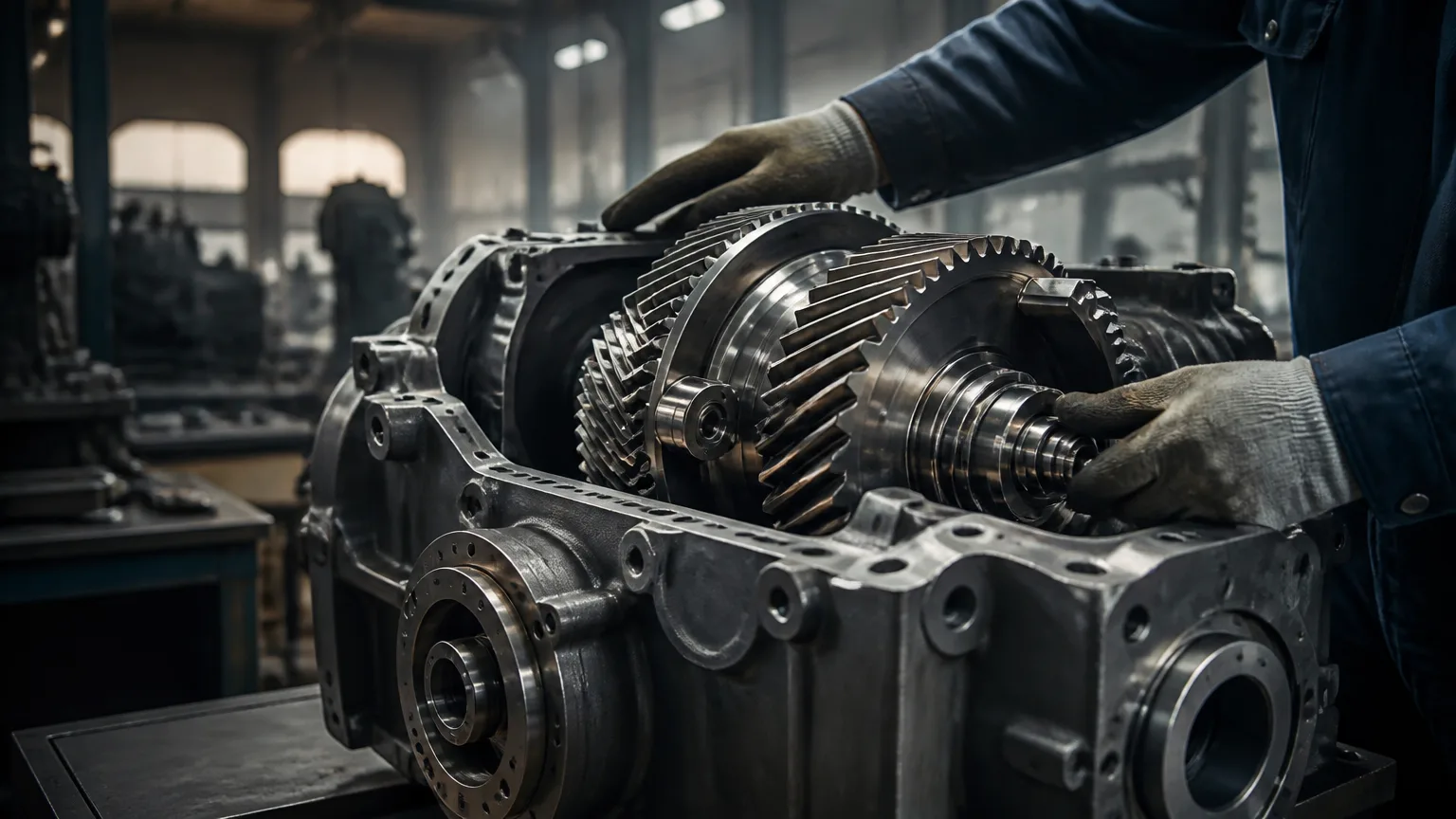
Sumitomo gearboxes help keep industrial equipment operating at the right speed and torque. When performance changes, timely sumitomo gearbox repair can protect production schedules and prevent added damage to connected components.
A gearbox may slow a motor’s output while increasing torque to suit the driven equipment. Wear, lubrication problems, misalignment, or damaged parts can disrupt that balance. Warning signs such as unusual noise, heat, vibration, or leaks deserve prompt attention, especially when a line depends on continuous operation.
Repair is a reliability and production-continuity decision—not simply a matter of replacing parts. The right response depends on the gearbox model, its condition, and your facility’s operating demands. This article explains common issues, service options, and practical next steps to help you decide how to keep critical equipment in service.
Common Sumitomo Gearbox Problems and Warning Signs
Changes in sound, temperature, vibration, or output can signal a developing gearbox problem. A new grinding or knocking noise may point to worn bearings or gears, while rising vibration can result from wear, misalignment, or an overloaded drive. These symptoms can have several causes, so none confirms a specific fault on its own.
Overheating may indicate inadequate lubrication, unsuitable oil, excessive load, or restricted cooling. Check for oil leaks around seals and joints. Cloudy, discolored, or debris-filled oil may suggest contamination or internal wear. Reduced or inconsistent output can stem from gear damage, bearing problems, lubrication issues, or operating conditions beyond the gearbox’s capacity.
Record when each change occurs, including load, speed, temperature, and recent maintenance. This information helps a technician assess whether Sumitomo gearbox repair is needed and identify likely causes. If a significant change appears, continued operation can worsen damage. Follow your site’s safety and shutdown procedures, and arrange an inspection rather than relying on one symptom to diagnose the gearbox.
What Inspection and Diagnosis Should Establish
A qualified service provider should identify the fault and assess whether repair is practical. Diagnosis should account for the specific Sumitomo gearbox model and the equipment’s duty conditions, including load, speed, and operating environment. Reviewing the nameplate and service history helps establish the unit’s configuration and maintenance context.
Inspection may cover lubricant condition, seals, bearings, gear teeth, shafts, and housing. The provider may also recommend testing based on the symptoms and equipment. Together, these steps can help distinguish a localized issue, such as a damaged seal, from broader internal wear. Industrial gearbox lubricant considerations can also inform the review of lubricant condition and service needs.
Findings should support a clear scope of work, including recommended repairs and parts availability. Ask for an estimated turnaround and what post-service verification is planned. Understanding the gearbox overhaul and testing process can help you assess whether the proposed sumitomo gearbox repair addresses the identified fault and confirms the unit’s condition before return to service.
Repair, Rebuild, or Replace: Comparing Service Options
The right service path depends on inspection findings, operating priorities, and the gearbox’s role—not the Sumitomo name alone. A targeted repair may suit an isolated, accessible fault, such as a failed seal or bearing, when other components remain in good condition. This option can limit cost and downtime, but it may not address broader wear.
A rebuild may be appropriate when inspection shows wear across multiple internal components. Replacing or restoring those parts can extend service life, though the work may require more time and budget than a focused repair. As a plant manager’s guide to gearbox repair explains, the choice should reflect the unit’s condition and production needs.
Replacement becomes worth considering when damage is extensive, parts are unavailable, lifecycle costs favor a new unit, or reliability requirements make repair impractical. Before selecting a replacement, confirm fit, ratio, torque capacity, mounting, and integration with the driven equipment. These gearbox repair and replacement considerations can help frame that assessment.
For example, a gearbox with localized bearing damage may be repairable, while widespread gear and housing damage could change the calculation. The scope and likely outcome of any Sumitomo gearbox repair must be determined for the individual unit. Compare estimated service life, downtime, cost, and compatibility after inspection.
Preparing for Service and Minimizing Downtime
Once you have a likely repair path, prepare information that helps the provider assess the gearbox and plan the work. Gather its model and serial details, clear photos, operating conditions, and a description of the symptoms. Include maintenance records and any previous repair history, noting when the issue began and how it has changed.
Coordinate service around production before scheduling removal. Clarify site access, lifting or removal requirements, and how the gearbox will be transported. Share production deadlines and confirm whether a spare unit or temporary operating plan is available. These details help the provider propose a realistic schedule and identify potential delays.
Before authorizing sumitomo gearbox repair, request a documented scope of work. Confirm parts and labor assumptions, the testing approach, warranty terms, and how updates will be communicated. Agree on when you will receive findings and approval requests, especially if inspection reveals additional damage. Clear expectations make it easier to manage costs, downtime, and the return to service.
Choosing a Clear Next Step for Your Sumitomo Gearbox
Timely diagnosis helps you compare repair, rebuild, and replacement using the gearbox’s actual condition—not assumptions. Inspection findings, downtime priorities, operating demands, and compatibility should guide the decision. No service option or turnaround can be confirmed before the unit is assessed.
Record symptoms such as noise, vibration, heat, leaks, and changes in performance. Then share the gearbox model and application details with an industrial gearbox service provider, such as Industrial Gearbox Solutions, to discuss assessment and service options. A clear evaluation is the practical next step toward informed planning.