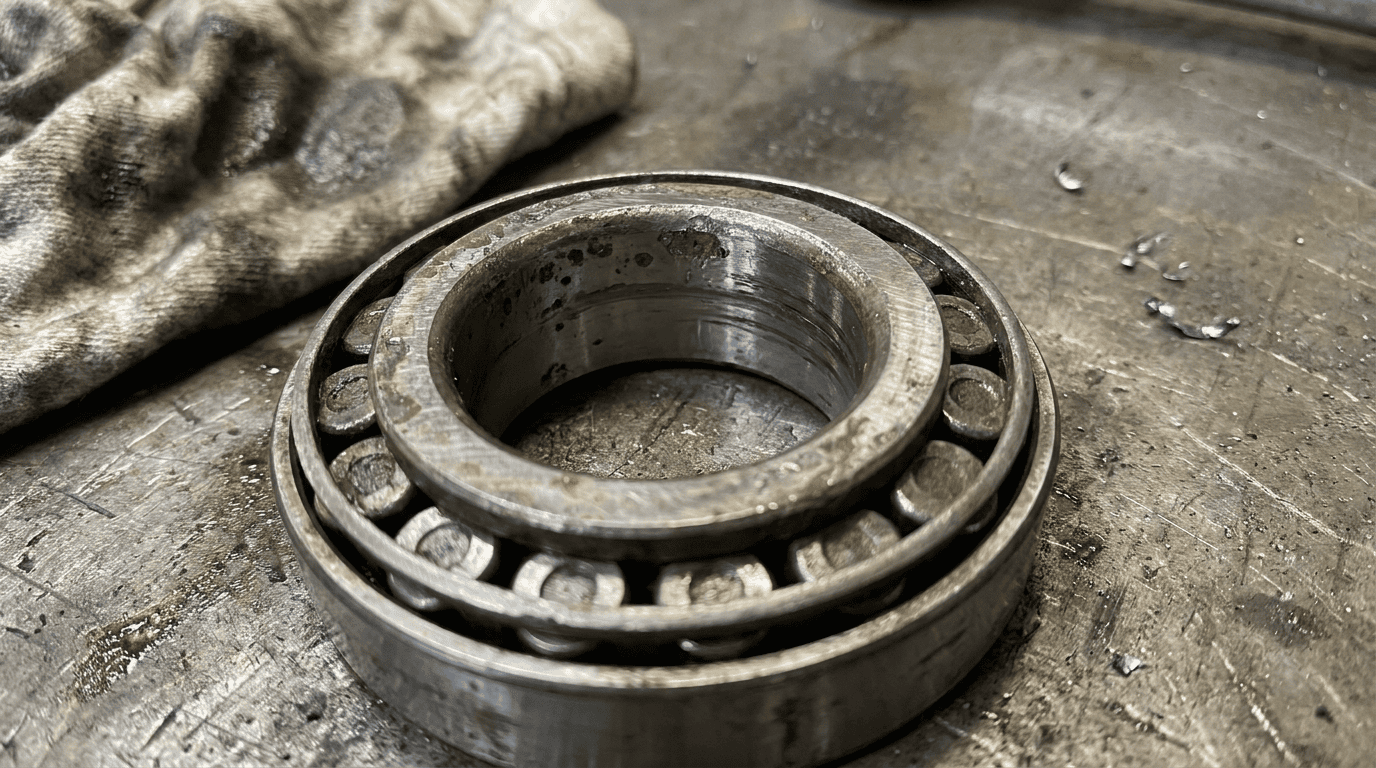
Troubleshooting Bearing Failures in Inline Gearboxes starts with recognizing that bearing distress is rarely an isolated issue—it is usually a symptom of lubrication problems, misalignment, overload, contamination, installation error, or operating conditions that exceed the gearbox design. For maintenance managers, plant engineers, reliability teams, mechanics, and purchasing professionals, the goal is to identify the failure mode early, correct the root cause, and prevent repeat downtime. Inline gearboxes are widely used in conveyors, mixers, pumps, packaging machinery, process lines, and heavy industrial equipment, so bearing reliability directly affects uptime, repair cost, energy efficiency, and production throughput.
Bearing failures in inline gearboxes are most commonly caused by inadequate lubrication, contamination, shaft misalignment, excessive loads, improper bearing installation, overheating, electrical fluting, and fatigue. Typical symptoms include abnormal noise, vibration, rising temperature, metallic debris in the oil, seal leakage, increased motor amperage, and loss of gearbox efficiency. Troubleshooting should include vibration analysis, oil analysis, thermal inspection, endplay checks, visual inspection, shaft alignment verification, and a review of operating conditions. The best corrective action depends on whether the damage is localized and repairable or whether the gearbox requires bearing replacement, shaft repair, gear inspection, or full gearbox replacement.
Bearing failure in inline gearboxes can lead to significant operational disruptions and costly repairs. Understanding the factors that contribute to this issue is crucial for maintaining gearbox efficiency and longevity. For those interested in exploring the selection process for gearboxes that can help mitigate such failures, a related article titled “Choosing the Right Cone Drive Gearbox for Your Industrial Applications” provides valuable insights. You can read the article here: Choosing the Right Cone Drive Gearbox for Your Industrial Applications.
Why Bearing Failures Matter in Inline Gearboxes
Bearings support shafts, control gear mesh position, handle radial and axial loads, and maintain proper alignment inside an inline gearbox. When a bearing begins to fail, gear teeth may no longer mesh correctly. This can lead to excessive noise, increased heat, oil degradation, seal failure, tooth wear, shaft damage, and ultimately catastrophic gearbox failure.
In an inline gearbox, the input and output shafts are generally arranged along the same axis or in a straight-through power transmission configuration. This compact layout is efficient, but it also means that bearing condition is critical to shaft stability and gear contact pattern. A small amount of bearing wear can create gear misalignment, which accelerates wear throughout the gearbox.
For industrial plants, the cost of a bearing failure is not limited to the bearing itself. Unplanned downtime may include:
- Lost production
- Emergency labor
- Expedited freight
- Damage to gears, shafts, seals, and housings
- Motor overload or coupling damage
- Safety risks during emergency maintenance
- Increased spare parts inventory costs
If your facility is evaluating an existing unit, visit our internal resource on industrial gearbox repair services or explore inline gearbox rebuild and replacement support for repair planning.
Common Causes of Bearing Failures in Inline Gearboxes
Bearing failure is often described as a component problem, but the root cause is usually related to lubrication, installation, loading, environment, or system design. Correctly identifying the cause is essential before replacing the bearing.
Inadequate Lubrication
Lubrication problems are among the most common causes of bearing failure in inline gearboxes. Bearings require a sufficient oil film to separate rolling elements from raceways. When lubrication is inadequate, metal-to-metal contact occurs, resulting in heat, wear, scoring, and spalling.
Common lubrication-related causes include:
- Low oil level
- Wrong oil viscosity
- Incorrect lubricant type
- Extended oil change intervals
- Oil oxidation
- Foaming or aeration
- Blocked oil passages
- Incompatible grease or oil
- Starved bearings during startup
- Excessive lubricant causing churning and heat
According to lubrication best practices from organizations such as Noria, oil analysis and contamination control are essential for extending gearbox and bearing life.
Contamination
Contamination can enter the gearbox through failed seals, breathers, inspection covers, poor maintenance practices, or washdown conditions. Even small particles can damage bearing raceways and rolling elements.
Common contaminants include:
- Dust and dirt
- Water or process fluid
- Metal wear particles
- Sand or abrasive material
- Chemical vapors
- Old gasket material
- Cleaning solvents
Water contamination is especially damaging because it reduces lubricant film strength, promotes corrosion, and accelerates fatigue. Dirt and metallic particles can create dents in the bearing raceway, leading to stress concentrations and eventual spalling.
Misalignment
Inline gearboxes are designed to maintain precise shaft alignment. If the gearbox, motor, coupling, or driven equipment is misaligned, bearings may experience abnormal radial or axial loading.
Misalignment may result from:
- Improper installation
- Soft foot
- Foundation movement
- Thermal growth
- Coupling wear
- Incorrect shimming
- Pipe strain on connected equipment
- Bent shafts
Misalignment often shows up as high vibration, coupling wear, uneven bearing loading, and abnormal gear contact patterns.
Overloading and Shock Loading
Bearings are selected based on load capacity, speed, duty cycle, and operating environment. When the actual load exceeds the design rating, bearing fatigue accelerates.
Overload conditions may be caused by:
- Jammed conveyors
- Frequent starts and stops
- High torque spikes
- Process overload
- Incorrect gearbox selection
- Increased production demands
- Heavy shock loading
- Improper motor or drive upgrades
Purchasing professionals should verify that replacement gearboxes match the real application load, not just the original nameplate rating.
Improper Bearing Installation
Even premium bearings can fail quickly if installed incorrectly. Installation errors introduce defects before the gearbox ever returns to service.
Common installation mistakes include:
- Hammering directly on the bearing
- Applying force through the rolling elements
- Incorrect heating temperature
- Contaminated assembly area
- Incorrect fits or tolerances
- Reusing damaged locknuts or spacers
- Incorrect preload or endplay
- Failure to verify shaft and housing dimensions
Bearing manufacturers such as SKF and Timken provide detailed guidance on bearing mounting, lubrication, and failure analysis.
Excessive Heat
Heat accelerates lubricant oxidation, reduces oil viscosity, damages seals, and changes internal bearing clearances. A gearbox running hotter than normal should always be investigated.
Common causes of overheating include:
- Low or incorrect oil
- Overload
- Excessive speed
- Bearing preload too tight
- Misalignment
- Blocked cooling airflow
- Dirty gearbox exterior
- High ambient temperature
- Internal friction from damaged components
Electrical Fluting
Electrical current passing through bearings can create microscopic pits on bearing raceways. Over time, these pits form washboard-like fluting patterns. This issue is often associated with variable frequency drives, grounding problems, or stray shaft currents.
Symptoms may include high-pitched noise, vibration, and repeated bearing failures even when lubrication and alignment appear acceptable.
Industrial gearbox bearing failure can lead to costly downtime and production losses, so it’s important to address the issue promptly. Industrial gearbox bearing failure
Symptoms of Bearing Failure in Inline Gearboxes
Early symptoms are often subtle. A maintenance team that tracks vibration, temperature, oil condition, and noise trends can detect bearing distress before catastrophic failure.
Audible Noise
Bearing damage often produces distinct noise patterns:
| Noise Type | Possible Meaning | Recommended Action |
||||
| Rumbling or growling | Bearing fatigue, spalling, contamination | Perform vibration and oil analysis |
| Clicking or popping | Localized defect, cage damage, debris | Inspect bearing and oil for particles |
| High-pitched whining | Lubrication starvation, preload issue, gear mesh concern | Check oil level, viscosity, alignment |
| Grinding | Severe bearing damage or metal contact | Shut down and inspect immediately |
| Intermittent knocking | Loose bearing fit, broken cage, shaft movement | Check endplay and housing fits |
Vibration Changes
Vibration analysis is one of the best tools for troubleshooting bearing failures in inline gearboxes. A bearing defect can produce specific frequencies related to the outer race, inner race, rolling elements, or cage.
Common vibration indicators include:
- Increased high-frequency vibration
- Peaks at bearing defect frequencies
- Sidebands around gear mesh frequency
- Rising overall vibration trend
- Impacting or periodic shock pulses
- Changes after load or speed variation
For critical gearboxes, route-based or online vibration monitoring can detect developing defects weeks or months before failure.
Rising Operating Temperature
Temperature should be trended over time. A single temperature reading is helpful, but a rising trend is more valuable.
Possible causes of elevated temperature include:
- Lubrication breakdown
- Bearing friction
- Excessive preload
- Overload
- Misalignment
- Contamination
- Cooling problems
Infrared thermography can quickly identify hot bearing locations, but it should be combined with vibration and oil analysis for root cause confirmation.
Oil Debris and Metallic Particles
Bearing failures often release metallic debris into the lubricant. Oil analysis may reveal:
- Increased iron, chromium, or other bearing metals
- Particle count increase
- Water contamination
- Oxidation or acid number increase
- Viscosity change
- Additive depletion
- Ferrous debris
If metallic particles are visible on a magnetic drain plug, filter, or inspection port, the gearbox should be scheduled for inspection before secondary damage spreads.
Seal Leakage
Bearing wear can allow shaft movement, which damages seals and causes leakage. Conversely, seal failure can allow contamination to enter the gearbox and initiate bearing damage. A leaking inline gearbox should not be dismissed as a minor housekeeping issue.
Understanding the intricacies of bearing failure in inline gearboxes is crucial for maintaining optimal performance in industrial applications. For those looking to delve deeper into gearbox maintenance and repair, a related article can provide valuable insights. You can explore more about effective solutions and services by visiting this link, which discusses the importance of timely repairs and the impact of bearing issues on overall gearbox functionality.
Troubleshooting Process for Bearing Failures
| Causes of Bearing Failure | Effects of Bearing Failure | Preventive Measures |
|---|---|---|
| Improper lubrication | Increased friction and heat | Regular lubrication maintenance |
| Contamination | Reduced lifespan of bearings | Implementing proper sealing and cleaning procedures |
| Overloading | Excessive wear and tear | Regular monitoring of load capacity |
A structured troubleshooting process prevents guesswork and helps teams identify the actual root cause rather than repeatedly replacing failed bearings.
Step 1: Collect Operating History
Before disassembly, gather application and maintenance data. This helps determine whether the bearing failed due to operating conditions, maintenance practices, or installation defects.
Collect the following:
- Gearbox model, ratio, and serial number
- Motor horsepower and speed
- Load profile and duty cycle
- Lubricant type and change history
- Recent repairs or bearing replacements
- Operating temperature history
- Vibration trends
- Oil analysis reports
- Alignment records
- Failure frequency
- Changes in process demand
- Environmental conditions
If you need help interpreting failure records, see our guide to gearbox failure analysis.
Step 2: Inspect Externally Before Shutdown
If the gearbox can be safely evaluated while running, inspect it before teardown.
Look for:
- Abnormal noise
- Excessive vibration
- Oil leaks
- Loose mounting bolts
- Coupling wear
- Hot spots
- Damaged guards
- Foundation cracks
- Soft foot indicators
- Breather blockage
- Discolored paint from overheating
Always follow plant safety procedures, lockout/tagout requirements, and guarding rules.
Step 3: Check Lubricant Condition
The lubricant tells a story about gearbox health. Before draining oil, obtain a representative oil sample while the unit is warm and recently operated.
Check for:
- Oil level
- Color and odor
- Foaming
- Water contamination
- Metal particles
- Sludge or varnish
- Viscosity
- Particle count
- Additive condition
Oil that smells burnt, appears milky, contains metallic debris, or has heavy sludge indicates a serious operating problem.
Step 4: Perform Vibration Analysis
Vibration analysis should be performed by trained personnel using appropriate measurement points and operating conditions. For inline gearboxes, collect data at input, intermediate, and output bearing locations when accessible.
Typical vibration measurements include:
- Overall velocity
- Acceleration
- Demodulation or enveloping
- Time waveform
- Spectrum analysis
- Phase readings
- Gear mesh frequencies
- Bearing defect frequencies
The American Gear Manufacturers Association provides standards and technical resources related to gear drive design, rating, and performance that can support engineering evaluation.
Step 5: Verify Alignment and Mounting
Misalignment is a frequent root cause of bearing and seal failure. Even if the gearbox was aligned during installation, alignment may change due to foundation settling, thermal expansion, or equipment movement.
Inspection should include:
- Laser shaft alignment
- Coupling inspection
- Soft foot check
- Baseplate condition
- Bolt torque verification
- Shaft runout
- Coupling gap and angularity
- Thermal growth compensation
Step 6: Disassemble and Inspect Internally
Once the gearbox is removed from service, document all findings before cleaning parts. Take photos of bearing locations, shaft fits, gear teeth, seals, shims, spacers, and oil condition.
Inspect:
- Bearing raceways
- Rolling elements
- Cages
- Shaft journals
- Housing bores
- Retaining shoulders
- Gear tooth contact pattern
- Spacer condition
- Seal surfaces
- Oil passages
- Breathers and plugs
Do not discard failed bearings until the root cause has been determined.
Inspection Methods for Inline Gearbox Bearings
Effective inspection combines hands-on mechanical checks with predictive maintenance technologies.
Visual Bearing Inspection
Visual inspection can reveal the failure mode. Common findings include:
| Bearing Appearance | Likely Failure Mode | Possible Root Cause |
||||
| Spalling on raceway | Fatigue failure | Overload, age, contamination |
| Blue or black discoloration | Overheating | Lubrication failure, excessive preload |
| Rust or corrosion | Moisture contamination | Failed seals, poor storage, condensation |
| Frosted or fluted raceways | Electrical damage | Stray current, VFD grounding issue |
| Smearing or scoring | Sliding contact | Lubrication starvation, high speed |
| Dented raceways | Brinelling | Shock load, improper installation |
| Polished wear paths | Misalignment or looseness | Poor fits, incorrect installation |
| Cage fracture | Severe vibration or lubrication issue | Overload, debris, inadequate lubrication |
Shaft and Housing Fit Inspection
A bearing is only as reliable as the surfaces supporting it. If a shaft journal or housing bore is worn, the new bearing may spin, creep, or loosen.
Measure:
- Shaft diameter
- Housing bore diameter
- Roundness
- Taper
- Surface finish
- Shoulder squareness
- Keyway condition
- Evidence of fretting corrosion
If shaft or housing fits are outside tolerance, repair may require sleeving, metalizing, machining, or replacement.
Gear Contact Pattern Inspection
Bearing failure can change gear mesh alignment. During inspection, look for abnormal wear on gear teeth.
Warning signs include:
- Edge loading
- Pitting
- Scoring
- Uneven contact pattern
- Broken teeth
- Excessive backlash
- Misaligned wear marks
For repair support, see our resource on industrial gearbox inspection and rebuilds.
Oil Filter and Magnetic Plug Inspection
Magnetic plugs and filters capture debris that may not be visible in the drained oil. Inspect them carefully.
Debris clues:
- Fine gray paste: normal wear or early distress
- Shiny flakes: spalling or gear tooth damage
- Bronze particles: cage or bushing wear
- Black sludge: oxidized oil or overheating
- Rust particles: water contamination
Bearing Failure Modes and What They Mean
Understanding failure modes helps maintenance and reliability teams move from symptom detection to root cause correction.
Fatigue Spalling
Fatigue spalling appears as flaked or pitted areas on the raceway or rolling elements. It can occur after normal service life, but premature spalling often indicates overload, contamination, or improper lubrication.
Corrective actions:
- Confirm bearing load rating
- Check actual operating load
- Improve filtration and sealing
- Verify oil viscosity
- Inspect gear alignment
- Review startup and shock loads
Brinelling and False Brinelling
True brinelling is permanent denting caused by shock or static overload. False brinelling is fretting wear caused by vibration while the bearing is stationary.
Common causes:
- Improper handling
- Hammering during installation
- Equipment vibration during storage
- Standby machinery exposed to vibration
- Shock loads during operation
Prevent false brinelling by rotating stored shafts periodically and isolating standby gearboxes from vibration.
Smearing and Scuffing
Smearing occurs when rolling elements slide instead of rolling properly. It is often caused by insufficient lubricant film, rapid acceleration, light loading, or high speed.
Corrective actions:
- Verify lubricant viscosity
- Check minimum load requirements
- Review speed changes
- Inspect oil supply path
- Confirm correct bearing type
Corrosion Damage
Corrosion is usually caused by water ingress, condensation, chemical exposure, or poor storage. Rust pits create stress risers that lead to premature fatigue.
Prevention methods:
- Use desiccant breathers
- Improve seals
- Control washdown practices
- Use proper storage procedures
- Maintain lubricant condition
- Run equipment periodically to drive off moisture
Electrical Erosion
Electrical damage creates small pits or fluting on bearing raceways. It is common in systems with VFD-driven motors if grounding is inadequate.
Corrective actions:
- Install shaft grounding rings
- Use insulated bearings where appropriate
- Improve motor grounding
- Check VFD installation
- Inspect couplings and grounding paths
Repair vs. Replacement: How to Decide
Not every bearing failure means the entire inline gearbox must be replaced. However, replacing only the bearing without correcting root cause can lead to repeat failure.
When Bearing Replacement May Be Enough
Bearing replacement may be appropriate when:
- Damage is limited to one bearing
- Shafts and housing fits are within tolerance
- Gear teeth are in good condition
- Lubrication system is clean and functional
- Failure cause is identified and corrected
- No severe overheating occurred
- Replacement bearings are available quickly
When a Gearbox Rebuild Is Recommended
A complete rebuild may be necessary when:
- Multiple bearings are damaged
- Gears show pitting, scoring, or misalignment
- Shafts are worn or bent
- Housing bores are damaged
- Seals and lubricant system are compromised
- Oil contains heavy metallic debris
- Backlash or endplay is outside specification
- The gearbox has a history of repeat failures
A rebuild typically includes bearing replacement, seal replacement, dimensional inspection, gear inspection, shaft repair if needed, cleaning, reassembly, backlash/endplay setup, and test run.
When Replacement May Be the Better Option
Gearbox replacement may be the better choice when:
- Housing is cracked or distorted
- Gear sets are obsolete or severely damaged
- Repair cost approaches replacement cost
- Lead time for parts is excessive
- The gearbox is undersized for the application
- Production demands have changed
- Efficiency upgrades are desired
- Multiple failures have occurred despite repairs
Purchasing teams should compare total cost of ownership, not just purchase price. Consider downtime cost, energy efficiency, lead time, warranty, spare parts availability, and application suitability.
| Decision Factor | Repair | Rebuild | Replacement |
|||||
| Minor bearing damage | Usually best | Sometimes | Rarely |
| Gear damage present | Not enough | Often best | Possible |
| Cracked housing | Not recommended | Sometimes not practical | Usually best |
| Obsolete parts | Difficult | Possible with reverse engineering | Often best |
| High downtime cost | Fast repair if parts available | Depends on scope | Best if in stock |
| Repeated failures | Not enough | Good if root cause corrected | Best if gearbox is undersized |
Prevention Strategies for Bearing Failures
Preventing bearing failures requires a combination of correct lubrication, contamination control, alignment, operating discipline, and predictive maintenance.
Improve Lubrication Practices
Lubrication best practices include:
- Use the OEM-recommended lubricant type and viscosity
- Verify viscosity for actual operating temperature
- Maintain correct oil level
- Use clean transfer containers
- Filter new oil before filling
- Label lubricants clearly
- Avoid mixing incompatible oils
- Set oil change intervals based on analysis, not guesswork
- Use proper breathers
- Inspect oil sight glasses and level gauges
Control Contamination
Contamination control is one of the highest-return reliability improvements.
Best practices:
- Install desiccant breathers
- Replace damaged seals promptly
- Keep fill ports clean
- Use quick-connect filtration systems
- Avoid open buckets and funnels
- Control washdown spray direction
- Seal inspection covers properly
- Store lubricants indoors
- Use dedicated transfer equipment
Align Equipment Correctly
Precision alignment reduces bearing loads and improves gearbox life.
Recommended practices:
- Use laser alignment tools
- Correct soft foot before alignment
- Account for thermal growth
- Inspect couplings
- Verify baseplate rigidity
- Recheck alignment after initial operation
- Document alignment readings
Manage Loads and Operating Conditions
Reliability engineers should compare actual duty cycle against gearbox ratings.
Review:
- Torque demand
- Shock loads
- Start-stop frequency
- Reversing loads
- Ambient temperature
- Speed changes
- Process jams
- Motor upgrades
- VFD ramp settings
If the gearbox is undersized, repeated bearing replacement will not solve the problem.
Store Spare Gearboxes and Bearings Correctly
Improper storage can damage bearings before installation.
Storage recommendations:
- Keep bearings in original packaging
- Store in clean, dry areas
- Avoid vibration exposure
- Rotate gearbox shafts periodically
- Protect machined surfaces
- Use rust inhibitors where appropriate
- Keep spare gearboxes sealed and covered
- Avoid temperature extremes
Maintenance Best Practices for Inline Gearbox Bearings
A disciplined preventive and predictive maintenance program can dramatically reduce bearing failures.
Recommended Inspection Schedule
| Interval | Maintenance Task | Purpose |
||||
| Daily/Shift | Listen for abnormal noise and check leaks | Identify obvious issues early |
| Weekly | Check oil level, temperature, and vibration feel | Detect developing problems |
| Monthly | Inspect breather, seals, mounting bolts, coupling | Prevent contamination and misalignment |
| Quarterly | Oil sampling and trend review | Detect wear, contamination, lubricant degradation |
| Semiannual | Vibration analysis and thermography | Identify bearing and gear defects |
| Annual | Alignment verification and detailed inspection | Confirm mechanical condition |
| Shutdown | Internal inspection if trends indicate distress | Prevent catastrophic failure |
Predictive Maintenance Tools
Useful tools include:
- Vibration analyzer
- Infrared camera
- Oil sampling kit
- Ultrasonic detector
- Laser alignment system
- Borescope
- Magnetic plug inspection
- Motor current analysis
- Online condition monitoring sensors
Documentation and Trending
Good records improve decision-making. Document:
- Lubricant changes
- Oil analysis results
- Vibration readings
- Bearing part numbers
- Installation dates
- Alignment reports
- Temperature readings
- Failure photos
- Repair findings
- Load changes
- Corrective actions
Trending data helps maintenance managers move from reactive repair to planned reliability.
Troubleshooting Table: Symptoms, Causes, and Corrective Actions
| Symptom | Probable Cause | Inspection Method | Corrective Action |
|||||
| Bearing growl | Spalling, contamination, poor lubrication | Vibration analysis, oil analysis | Replace bearing, flush gearbox, correct lubrication |
| High temperature | Overload, low oil, excessive preload | Thermal scan, oil level check | Correct oil level, verify load, inspect bearing setup |
| Oil leak | Seal wear, shaft movement, overfilled gearbox | Visual inspection, shaft runout | Replace seal, inspect bearings, correct oil level |
| Metallic debris | Bearing or gear wear | Oil analysis, magnetic plug | Shut down, inspect internals, replace damaged parts |
| Repeated bearing failure | Misalignment, wrong bearing, poor fits | Alignment check, dimensional inspection | Correct root cause before replacement |
| High vibration after rebuild | Incorrect preload, misalignment, gear issue | Vibration and assembly review | Recheck setup, alignment, and gear contact |
| Milky oil | Water contamination | Oil analysis, visual check | Drain, flush, improve seals and breather |
| Fluted raceways | Electrical current | Bearing inspection, shaft voltage test | Install grounding or insulated bearing solution |
Branded Image Suggestions
Image 1: Inline Gearbox Bearing Failure Close-Up
Alt text: Failed bearing from an inline gearbox showing spalling and raceway damage
Caption: Close inspection of bearing raceways helps identify whether failure was caused by fatigue, contamination, lubrication loss, or overload.
Image 2: Technician Performing Vibration Analysis
Alt text: Reliability technician collecting vibration data from an inline industrial gearbox
Caption: Vibration analysis is one of the most effective methods for detecting bearing defects before catastrophic gearbox failure.
Image 3: Oil Sample with Metallic Debris
Alt text: Gearbox oil sample showing metallic particles from bearing wear
Caption: Oil analysis and debris inspection provide early warning of internal bearing and gear damage.
Image 4: Laser Alignment of Motor and Inline Gearbox
Alt text: Laser shaft alignment between electric motor and inline gearbox
Caption: Precision alignment reduces bearing load, coupling wear, seal leakage, and gearbox vibration.
Image 5: Rebuilt Inline Gearbox Ready for Installation
Alt text: Rebuilt inline gearbox with new bearings and seals prepared for industrial service
Caption: A quality gearbox rebuild includes bearing replacement, seal replacement, dimensional inspection, gear inspection, and test run verification.
Frequently Asked Questions
What is the most common cause of bearing failure in inline gearboxes?
The most common cause is lubrication failure, including low oil level, incorrect viscosity, contaminated oil, degraded lubricant, or blocked oil flow. Contamination and misalignment are also major contributors.
How do I know if a gearbox bearing is failing?
Common signs include abnormal noise, increased vibration, rising temperature, oil leakage, metallic debris in the lubricant, higher motor current, and changes in gearbox performance. Vibration analysis and oil analysis are the best confirmation tools.
Can I replace only the failed bearing?
Sometimes, yes. However, the shaft, housing bore, gears, seals, and lubricant system must be inspected. If the root cause is not corrected, the replacement bearing may fail quickly.
Why do bearings fail shortly after a gearbox rebuild?
Early bearing failure after rebuild may be caused by incorrect installation, improper preload or endplay, contaminated assembly conditions, misalignment, incorrect bearing selection, poor shaft or housing fits, or failure to correct the original root cause.
What does metal in gearbox oil mean?
Metal in the oil indicates internal wear. Fine metallic paste may suggest normal or early wear, while flakes or chips can indicate bearing spalling, gear tooth damage, or severe internal distress. Oil analysis should be performed immediately.
How often should gearbox oil be sampled?
For critical gearboxes, quarterly oil sampling is common. Severe-duty applications may require monthly sampling. Less critical equipment may be sampled semiannually. The best interval depends on load, environment, operating hours, and failure history.
Can misalignment cause bearing failure?
Yes. Misalignment increases radial and axial loads on bearings, causes uneven gear contact, raises vibration, damages seals, and shortens bearing life. Laser alignment is recommended after installation, repair, or equipment movement.
What does a fluted bearing raceway indicate?
Fluting often indicates electrical current passing through the bearing. This is commonly associated with VFD-driven motors, poor grounding, or stray shaft voltage. Corrective action may include shaft grounding rings, insulated bearings, or improved electrical grounding.
Is overheating always caused by a bad bearing?
No. Overheating can be caused by overload, low oil level, incorrect lubricant viscosity, excessive oil, misalignment, blocked cooling airflow, high ambient temperature, or gear mesh problems. A full inspection is needed.
When should an inline gearbox be replaced instead of repaired?
Replacement may be best when the housing is cracked, gears are severely damaged, parts are obsolete, repair cost is too high, lead time is unacceptable, or the gearbox is undersized for the application.
Key Takeaways
- Bearing failures in inline gearboxes are usually symptoms of lubrication, contamination, misalignment, overload, installation, or operating problems.
- Early warning signs include noise, vibration, heat, oil debris, seal leakage, and performance changes.
- Vibration analysis, oil analysis, thermography, alignment checks, and dimensional inspection are essential troubleshooting tools.
- Replacing a bearing without correcting the root cause often leads to repeat failure.
- Lubrication cleanliness, proper oil viscosity, seal integrity, precision alignment, and load control are critical for prevention.
- Repair, rebuild, or replacement decisions should consider gearbox condition, downtime cost, part availability, and long-term reliability.
- Documentation and condition monitoring help maintenance teams shift from reactive repairs to planned reliability.
SEO Metadata
Suggested SEO Title
Troubleshooting Bearing Failures in Inline Gearboxes: Causes, Symptoms, and Fixes
Suggested Meta Description
Learn how to troubleshoot bearing failures in inline gearboxes, including causes, symptoms, inspection methods, repair vs. replacement, and prevention best practices.
Suggested URL Slug
troubleshooting-bearing-failures-inline-gearboxes
Primary Keyword
Troubleshooting Bearing Failures in Inline Gearboxes
Secondary Keywords
- Inline gearbox bearing failure
- Gearbox bearing troubleshooting
- Industrial gearbox repair
- Gearbox vibration analysis
- Gearbox oil analysis
- Bearing failure causes
- Inline gearbox maintenance
- Gearbox bearing replacement
- Gearbox overheating
- Gearbox contamination control
Suggested Internal Links
- Industrial Gearbox Repair
- Gearbox Rebuild Services
- Gearbox Failure Analysis
- Industrial Gearbox Inspection
- Gearbox Maintenance Services
Suggested External Sources
- SKF Bearing Damage and Failure Analysis
- Timken Bearing Maintenance and Failure Analysis
- AGMA Gear Standards and Technical Resources
- Noria Lubrication and Oil Analysis Resources
Conclusion
Troubleshooting bearing failures in inline gearboxes requires more than replacing a damaged bearing. The most reliable approach is to identify the failure mode, confirm the root cause, inspect related components, correct operating or installation problems, and implement preventive maintenance practices that reduce repeat failures. Lubrication quality, contamination control, precision alignment, load verification, and condition monitoring all play essential roles in extending gearbox life.
For maintenance managers and plant engineers, the best time to act is before a bearing failure becomes a full gearbox failure. If your inline gearbox is showing signs of vibration, heat, oil contamination, seal leakage, or repeated bearing damage, a professional inspection can help determine whether repair, rebuild, or replacement is the most cost-effective path forward.
FAQs
What are the common causes of bearing failure in inline gearboxes?
Common causes of bearing failure in inline gearboxes include inadequate lubrication, contamination, overloading, misalignment, and improper installation.
How can inadequate lubrication lead to bearing failure in inline gearboxes?
Inadequate lubrication can lead to bearing failure in inline gearboxes by causing increased friction, heat, and wear on the bearings, leading to premature failure.
What types of contamination can contribute to bearing failure in inline gearboxes?
Contamination such as dirt, dust, metal particles, and water can contribute to bearing failure in inline gearboxes by causing abrasive wear, corrosion, and reduced lubrication effectiveness.
How does overloading impact bearing failure in inline gearboxes?
Overloading can impact bearing failure in inline gearboxes by causing excessive stress and fatigue on the bearings, leading to premature failure.
What are the signs of bearing failure in inline gearboxes?
Signs of bearing failure in inline gearboxes include increased noise, vibration, temperature, and decreased performance. It is important to regularly inspect and maintain inline gearboxes to prevent bearing failure.