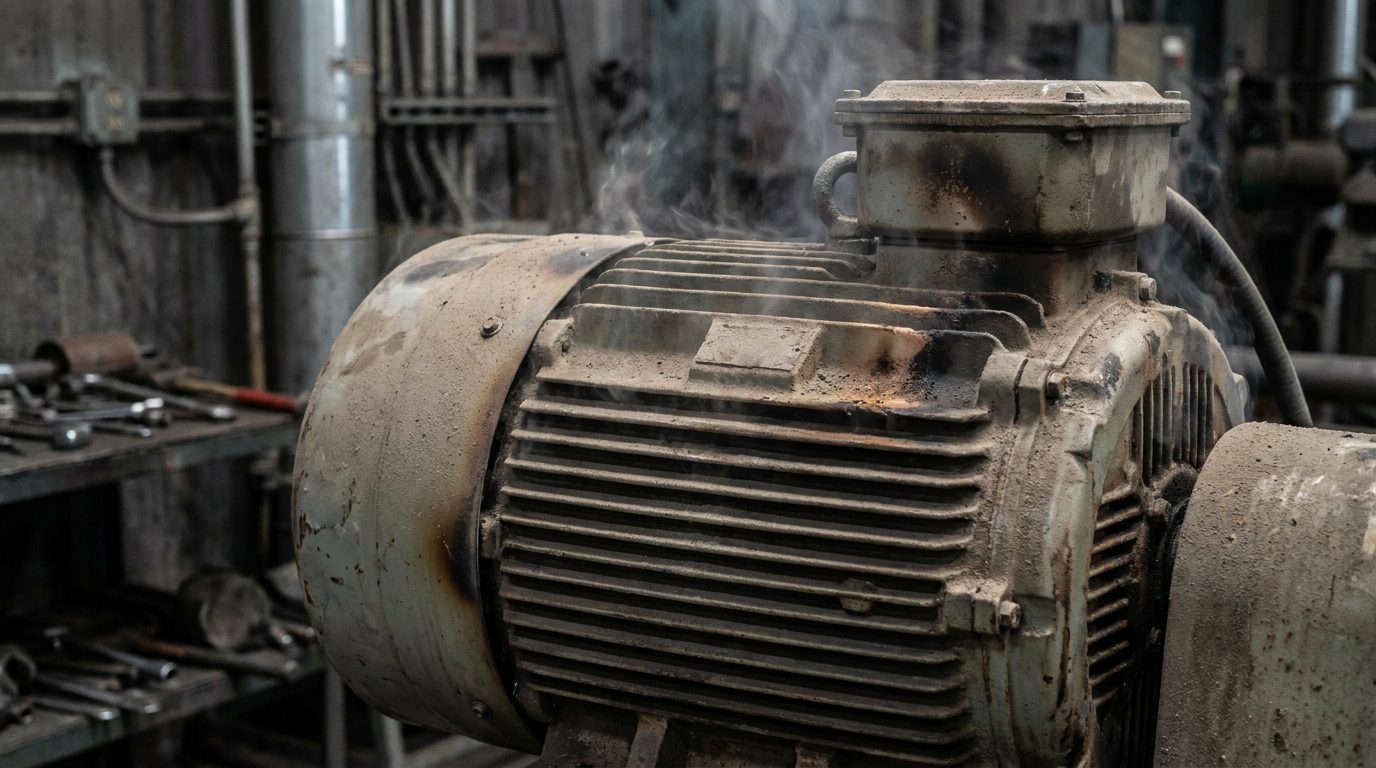
In the relentless hum of industrial operations, electric motors are the workhorses, driving production lines, powering machinery, and ensuring the seamless flow of processes. However, even the most robust motor can fall victim to a silent, insidious threat: overheating. This phenomenon, often overlooked until it manifests as catastrophic failure, can lead to costly downtime, extensive repairs, and reduced operational efficiency. Understanding the causes, recognizing the warning signs, and implementing effective strategies to combat motor overheating is paramount for plant managers, maintenance teams, engineers, buyers, and industrial operators alike. This article delves deep into the detrimental effects of excessive heat on industrial electric motors, providing actionable insights to safeguard your critical assets and maintain peak performance.
Understanding how overheating damages industrial electric motors is crucial for maintaining operational efficiency. For further insights into the importance of proper maintenance and repair in industrial machinery, you can refer to this related article on industrial gearbox repair, which highlights the significance of timely interventions to prevent overheating and other issues: Industrial Gearbox Repair in Rochester, NY.
Get Expert Analysis of Your Motor or Gearbox Overheating Issues
The Insidious Impact of Excessive Heat on Industrial Electric Motors
Overheating is not merely an inconvenience; it’s a direct assault on the intricate components of an electric motor. The sustained elevation of internal temperatures, even by a few degrees above its designed operating range, triggers a cascade of detrimental effects that compromise the motor’s integrity and lifespan. At its core, heat accelerates the rate of chemical and physical degradation within the motor. This means that insulation materials, lubricants, and even the metallic components themselves are subjected to accelerated wear and tear. Imagine subjecting a sensitive electronic device to continuous high temperatures; the results are invariably negative, and industrial motors are no different. The consequences range from minor efficiency losses to complete winding burnout, rendering the motor inoperable and necessitating costly replacements.
Degradation of Electrical Insulation
The primary victim of motor overheating is its electrical insulation system. This critical barrier, typically composed of materials like enamel wire coatings, slot liners, and impregnating varnishes, prevents electrical current from short-circuiting between windings, or between windings and the motor frame. As temperatures rise, these insulating materials begin to soften, become brittle, and lose their dielectric strength. This degradation is a progressive process. Initially, it might lead to increased leakage currents, manifesting as minor power losses. However, as the insulation deteriorates further, it creates pathways for electrical shorts, leading to rapid and often irreversible winding damage. The heat generated by these shorts then exacerbates the problem, creating a vicious cycle of escalating temperatures and insulation failure. According to the Electrical Apparatus Service Association (EASA), insulation failure is one of the leading causes of electric motor failure, and a significant percentage of these failures are directly attributable to thermal stress.
Lubricant Breakdown and Bearing Damage
Beyond the electrical components, the mechanical heart of the motor – its bearings – is also highly susceptible to the ill effects of overheating. Bearings rely on a thin film of lubricant to minimize friction and wear between their rolling elements and races. Excessive heat can cause lubricants to thin out, lose their viscosity, and even break down chemically. This leads to inadequate lubrication, increased friction, and premature bearing wear. The metal-on-metal contact that results generates even more heat, further accelerating the damage. Eventually, this can lead to bearing seizure, a common cause of motor shaft damage and subsequent motor failure.
Thermal Expansion and Mechanical Stress
Different materials within the motor expand at varying rates when subjected to heat. This differential thermal expansion can create significant mechanical stresses on internal components. For example, windings can expand more than the stator slots they are housed in, leading to chafing and abrasion of the insulation. Similarly, the rotor can expand, potentially causing it to rub against the stator, leading to mechanical damage and further heat generation. These stresses can weaken joints, loosen connections, and contribute to overall structural fatigue within the motor.
Reduced Motor Efficiency and Increased Energy Consumption
Even before overt failure, overheating silently saps a motor’s efficiency. Degraded insulation leads to increased resistance, requiring the motor to work harder to produce the same output. This translates directly into higher energy consumption and increased operating costs. For large industrial motors, even a small percentage decrease in efficiency can represent a substantial financial burden over time. Moreover, increased energy consumption contributes to further heat generation, creating another feedback loop that accelerates the motor’s decline.
Check out our blog for more articles on industrial gearbox solutions: more articles.
Identifying the Culprits: Common Causes of Industrial Motor Overheating
Understanding the root causes of motor overheating is the first step towards effective prevention and mitigation. These causes are often interconnected and can arise from a variety of operational and environmental factors.
Overloading and Excessive Torque Demand
One of the most straightforward causes of motor overheating is simply asking it to do too much. When a motor is consistently operated beyond its rated capacity, its windings draw excessive current. This increased current flow generates significantly more heat due to electrical resistance (Joule heating, or I²R losses). Overloading can occur due to sudden surges in the driven load, incorrect motor sizing for the application, or issues with the driven equipment that increase resistance or torque demand. For instance, a conveyor belt that becomes jammed, or a pump operating against a closed valve, will place an immense strain on the driving motor, leading to rapid overheating.
Insufficient or Dirty Ventilation
Electric motors rely heavily on airflow to dissipate the heat generated during operation. Cooling fins on the motor housing and internal fan systems are designed to promote this airflow. When these ventilation pathways become obstructed by dust, dirt, grease, or other debris, the motor’s ability to cool itself is severely compromised. Dirty ventilation systems are a pervasive issue in many industrial environments, especially those with high levels of particulate matter. This blockage prevents cool air from reaching the motor and restricts the expulsion of hot air, leading to a gradual but significant rise in internal temperatures.
Bearing Lubrication Issues
As discussed earlier, improper bearing lubrication is a critical factor in motor overheating. This can manifest in several ways:
- Under-lubrication: Insufficient lubricant leads to increased friction and wear, generating excessive heat.
- Over-lubrication: While seemingly counterintuitive, too much lubricant can also cause issues. Excess grease can churn, creating drag and heat, and it can also migrate and contaminate windings or ventilation passages.
- Incorrect Lubricant Type: Using a lubricant that is not suited for the operating temperature, load, or speed of the motor will result in premature breakdown and loss of protective properties.
- Contaminated Lubricant: Foreign particles or moisture within the lubricant can abrade bearing surfaces, increasing friction and heat.
Electrical Supply Problems
The quality and stability of the electrical power supplied to the motor can also be a significant contributor to overheating.
- Low Voltage: Operating a motor on a voltage significantly lower than its rating causes it to draw more current to compensate for the reduced power, leading to increased heat generation.
- High Voltage: While less common, excessive voltage can cause magnetic saturation in the motor’s core, leading to increased core losses and heat.
- Unbalanced Voltages: Uneven voltage across the motor’s phases in a three-phase system creates parasitic currents and magnetic fields that induce additional heat, particularly in the windings. This is a common issue in older or poorly maintained electrical distribution systems.
- Harmonics: Power system harmonics, often generated by variable frequency drives (VFDs) or other non-linear loads, can distort the waveform of the supply voltage. This distortion can lead to increased RMS current and core losses in the motor, resulting in elevated temperatures.
Environmental Factors
The ambient conditions in which a motor operates play a crucial role in its ability to dissipate heat.
- High Ambient Temperatures: If the surrounding air is already hot, the motor has less capacity to transfer its internal heat to the environment, leading to higher operating temperatures. This is particularly problematic in environments like foundries, boiler rooms, or outdoor locations in hot climates.
- Poor Airflow in Enclosure: Motors installed in enclosed cabinets or control panels can suffer from inadequate ventilation if the enclosure itself is not properly designed for airflow. This traps heat, effectively creating a mini-hotbox for the motor.
- Moisture and Corrosive Atmospheres: While not directly a cause of heat generation, moisture can degrade insulation and facilitate corrosion, which can lead to electrical faults that then cause overheating. Corrosive atmospheres can also attack motor components, leading to premature failure.
Bearing Misalignment and Improper Installation
When a motor is misaligned with its driven equipment, or if bearings are not properly installed, it creates abnormal mechanical stresses. This misalignment can cause the shaft to bend or vibrate, leading to premature bearing wear and the generation of excess heat. Improper bearing installation, such as using excessive force during press-fitting, can damage the bearing races or cages, initiating a cycle of friction and heat.
Frequent Starts and Stops
While designed to handle intermittent duty, electric motors generate a significant amount of heat during startup due to the high inrush current. Frequent starting and stopping cycles can prevent the motor from cooling down sufficiently between starts, leading to a cumulative buildup of heat. This is a common issue in applications with frequent load cycling or emergency stop procedures.
Understanding the impact of overheating on industrial electric motors is crucial for maintaining their efficiency and longevity. For those interested in optimizing their equipment, a related article discusses the importance of measuring gearbox efficiency in the field. By ensuring that gearboxes operate efficiently, businesses can reduce the risk of overheating and subsequent damage to motors. To learn more about this essential aspect of industrial machinery, you can read the article on how to measure gearbox efficiency here.
Deciphering the Warning Signs: Recognizing a Motor in Distress
Proactive detection of overheating is crucial to prevent catastrophic failures. By paying close attention to subtle changes in motor behavior, maintenance teams can identify and address issues before they escalate.
Elevated Motor Temperatures
This is the most direct indicator of overheating. While some motors are designed to operate at elevated temperatures, consistently exceeding their rated operating temperature is a red flag.
- Thermal Imaging: Infrared (IR) cameras are invaluable tools for detecting temperature anomalies on motor surfaces. They can quickly identify hot spots that may not be visible to the naked eye, indicating localized overheating in windings, bearings, or connection points. Routine thermal surveys of critical motors can reveal developing problems before they become critical.
- Contact Thermometers: Using contact thermometers on motor housings, bearing assemblies, or exhaust vents can provide direct temperature readings. Comparing these readings to historical data or manufacturer specifications can highlight deviations.
- Over-Temperature Alarms: Modern motors and control systems often incorporate thermal sensors (like RTDs or thermocouples) that can trigger alarms or shutdown sequences when temperatures reach critical levels. Ensuring these systems are calibrated and functioning correctly is vital.
Unusual Odors
Degrading insulation materials and lubricants often emit distinct odors.
- “Hot Spot” Smell: A sharp, acrid smell, often described as burning plastic or ozone, is a clear indication of overheating insulation. This smell can be localized to a specific area of the motor.
- Burnt Oil Smell: If lubricants are breaking down due to heat, a burnt oil odor can be detected, suggesting bearing issues or general overheating within the motor.
Audible Changes
Changes in the motor’s sound can be early indicators of mechanical distress related to heat.
- Increased Humming or Buzzing: As windings heat up and their insulation degrades, the magnetic fields can become less stable, leading to an increase in the audible hum or buzz.
- Bearing Noise: As bearings overheat and their lubrication fails, they can begin to produce whining, grinding, or rumbling sounds. These noises are often indicative of mechanical damage in progress.
- Grinding or Scraping Sounds: If thermal expansion causes internal components to rub, grinding or scraping noises can be heard.
Visual Deterioration
Visible signs of overheating, though often appearing later, are clear indicators of severe problems.
- Discolored Paint or Housing: Areas of the motor housing that appear discolored, blackened, or blistered can indicate localized intense heat.
- Leaking Lubricant: If bearing lubricant is visibly leaking from seals, it can be a sign of overheating that has thinned or melted the grease.
- Swollen or Brittle Insulation: In severe cases, insulation may appear swollen, cracked, or brittle upon visual inspection, especially if the motor has been opened.
Reduced Performance and Increased Amperage Draw
A motor that is overheating due to overloading or electrical issues may exhibit signs of reduced output.
- Slower Speeds: If the motor is struggling to maintain its rated speed, it could be due to increased resistance from heat or mechanical drag.
- Increased Amperage: A motor drawing significantly more current than its nameplate rating (under normal load conditions) is a strong indicator of internal electrical problems, often exacerbated by heat. This can be monitored using clamp meters or motor control center (MCC) data.
Understanding the impact of overheating on industrial electric motors is crucial for maintaining their efficiency and longevity. For those interested in related topics, an insightful article on industrial gearbox repair can provide valuable information on how to prevent overheating issues in gear systems that often accompany motor failures. You can read more about this in the article on industrial gearbox repair, which highlights the importance of regular maintenance and timely repairs to avoid costly downtime.
Diagnosing the Root Cause: Uncovering the “Why” Behind the Heat
Once warning signs are detected, a systematic diagnostic process is crucial to pinpoint the exact cause of overheating. This often involves a combination of on-site inspection, electrical testing, and potentially disassembling the motor.
Visual Inspection and Environmental Assessment
A thorough visual inspection is the starting point.
- Cleanliness: Assess the motor’s exterior and ventilation paths for dust, dirt, grease, and other obstructions. Check internal fans for damage or blockage.
- Connections: Examine all electrical connections for looseness, corrosion, or signs of overheating (discoloration, melting).
- Bearings: Check for signs of lubricant leakage, contamination, or physical damage to bearing housings.
- Ambient Conditions: Note the ambient temperature, humidity, and any airflow restrictions in the motor’s operating environment.
Electrical Testing
Electrical tests provide critical insights into the motor’s internal condition.
- Insulation Resistance (Megger) Test: This test measures the resistance of the insulation between windings and between windings and ground. Low readings indicate insulation degradation, often a precursor to winding failure. This test should be performed when the motor is cold and dry for accurate results.
- Winding Resistance Test: Measuring the resistance of each winding (often using a micro-ohmmeter) can reveal shorted turns or open circuits, which can cause imbalances and increased heat. Consistent readings across phases are important.
- Surge Testing: This advanced test can detect inter-turn shorts and insulation breakdown that might not be apparent with a simple megger test.
- Motor Current Analysis: Monitoring the motor’s current draw under load can reveal imbalances, high starting currents, or consistent over-current conditions indicative of overloading or electrical issues.
Mechanical Diagnostics
Assessing the motor’s mechanical integrity is equally important.
- Vibration Analysis: High vibration levels can indicate bearing issues, rotor imbalance, or misalignment, all of which can lead to increased heat. Using accelerometers and specialized analysis software can identify the source and severity of vibrations.
- Bearing Lubrication Analysis: If the lubricant is contaminated or degraded, it can be sampled and sent for laboratory analysis to determine its condition and suitability for continued use.
- Shaft Alignment Check: Using laser alignment tools to verify the alignment between the motor and its driven equipment is essential, especially after maintenance or if misalignment is suspected.
Load Testing and Performance Monitoring
Observing the motor’s performance under its typical operating load can reveal underlying issues.
- Amperage Draw: Verify that the motor’s amperage draw under load is within its nameplate specifications.
- Temperature Readings: Monitor operating temperatures of windings, bearings, and housing during normal operation.
Repair or Replace: Navigating the Options and Costs
When a motor is found to be overheating, a critical decision point arises: repair or replace? The answer depends on several factors, including the severity of the damage, the cost of repair versus replacement, the motor’s age and criticality, and the availability of spare parts.
Repair Options
Repairing an overheating motor often involves addressing specific components.
- Rewinding: If the motor windings have failed due to insulation breakdown, a complete rewind involves stripping the old windings, reinsulating the stator core, and installing new windings. This is a common and often cost-effective repair for medium to large motors.
- Bearing Replacement: If overheating is attributed to bearing failure, replacing the bearings is a straightforward repair. It’s crucial to ensure the correct type and size of bearings are used, and proper installation procedures are followed.
- Cleaning and Overhauling: For motors experiencing overheating due to dirty ventilation or minor lubricant issues, a thorough cleaning, re-lubrication, and general overhaul can restore proper operation.
- Electrical Connection Repair: Loose or corroded electrical connections can be repaired by cleaning and tightening them, or by replacing damaged wiring.
Replacement Options
In some cases, replacing the motor entirely is the more practical or cost-effective solution.
- New Motor: Purchasing a new motor of the same or an upgraded specification provides the latest technology, improved efficiency, and a full warranty. This is often the preferred option for older, inefficient motors or when a significant upgrade in performance is desired.
- Remanufactured Motor: A remanufactured motor has been disassembled, inspected, repaired, and tested to meet original specifications. These can be a cost-effective alternative to new motors, often carrying a warranty similar to new units.
- Refurbished Motor: A refurbished motor typically undergoes less extensive work than a remanufactured unit, focusing on essential repairs and cleaning. These are generally the least expensive option but may have a shorter warranty or lifespan.
Cost Considerations
The cost comparison between repair and replacement is multifaceted.
- Repair Costs: Typically include labor, materials (winding wire, insulation, bearings, lubricants), and shipping. For large motors, a rewind can be a significant investment, often ranging from 30% to 70% of the cost of a new motor.
- Replacement Costs: Involve the purchase price of the new or remanufactured motor, potential installation labor, and the cost of any necessary modifications to the mounting or electrical connections.
- Downtime Costs: This is often the most significant, albeit indirect, cost. The longer a critical motor is out of service, the greater the loss in production. Therefore, the speed of repair or replacement is a crucial factor.
- Efficiency Gains: A new, more efficient motor can lead to long-term energy savings that offset the initial purchase price.
Risks Associated with Each Option
- Repair Risks:
- Incomplete Repair: If the root cause isn’t fully understood or addressed, the repaired motor may fail again prematurely.
- Quality of Repair: The skill and expertise of the repair facility are critical. Poor workmanship can lead to future failures.
- Hidden Damage: During disassembly, previously undetected damage might be found, increasing repair costs.
- Replacement Risks:
- Compatibility Issues: Ensuring the new motor fits existing mounting, shaft dimensions, and electrical connections can sometimes require modifications.
- Obsolete Specifications: If the original motor is very old, finding an exact replacement might be difficult, requiring a change in control systems or mechanical linkages.
- Initial Performance Issues: Even a new motor can experience issues if not properly installed or commissioned.
Preventing Overheating: Proactive Strategies for Longevity
The most effective approach to motor overheating is prevention. Implementing a robust maintenance program and adhering to best practices can significantly extend motor life and minimize downtime.
Implement a Comprehensive Preventive Maintenance (PM) Program
A well-structured PM program is the cornerstone of motor reliability.
- Regular Inspections: Schedule routine visual inspections to check for cleanliness, loose connections, and obvious signs of wear.
- Lubrication Schedules: Adhere strictly to manufacturer-recommended lubrication schedules for bearings, using the correct type and quantity of lubricant.
- Cleaning Regimens: Establish a schedule for cleaning motor cooling fins and ventilation pathways to ensure unimpeded airflow.
- Performance Monitoring: Periodically monitor motor operating parameters such as temperature, vibration, and amperage draw to detect deviations from normal.
Optimize Ventilation and Cooling
Ensuring adequate airflow is paramount.
- Clearance: Ensure sufficient clearance around motors for optimal airflow. Avoid storing materials or building structures that obstruct ventilation.
- Enclosure Design: If motors are housed in enclosures, ensure these are adequately ventilated and equipped with fans or louvers to promote air exchange.
- Filter Maintenance: For motors with filtered intake air, ensure filters are regularly inspected and replaced as needed.
Monitor Electrical Supply Quality
Poor power quality can be a silent killer of motors.
- Voltage and Phase Balance Checks: Periodically check the incoming voltage and phase balance to identify potential issues with the power grid or distribution system.
- Harmonic Distortion Analysis: If VFDs or other non-linear loads are present, consider periodic harmonic distortion analysis to identify and mitigate potential problems.
Proper Load Management
Avoid consistently overloading motors.
- Accurate Sizing: Ensure motors are correctly sized for their intended applications during the design and procurement phases.
- Load Monitoring: Implement systems to monitor the load on critical motors and alert operators if consistently high loads are detected.
- Variable Frequency Drives (VFDs): For applications with variable speed requirements, VFDs can improve efficiency and reduce stress on the motor by matching speed to load, but their impact on motor heating must also be considered (see below).
Consider Motor Design and Application
Choosing the right motor for the job is crucial.
- Enclosure Types: Select appropriate motor enclosure types (e.g., TEFC, TENV, ODP) based on the environmental conditions and protection requirements of the application.
- Service Factor: Understand the motor’s service factor, which indicates its ability to handle temporary overloads without damage.
- Duty Cycle: Ensure the motor’s duty cycle rating matches the application’s requirements.
Leverage Advanced Technologies
Modern technology offers powerful tools for proactive motor management.
- Condition Monitoring Systems: Implement continuous condition monitoring systems that track vibration, temperature, current, and other parameters. These systems can provide early warnings of developing issues and allow for predictive maintenance.
- Thermal Imaging Surveys: Conduct regular thermal imaging surveys of critical motors, especially during peak operating periods, to identify hot spots.
- Variable Frequency Drive (VFD) Considerations: While VFDs offer many benefits, they can also alter the thermal behavior of motors.
- Cooling at Low Speeds: At low speeds, the motor’s internal cooling fan is less effective, making it more susceptible to overheating, especially under load. Using motors specifically designed for VFD operation with external blowers or oversizing the motor might be necessary.
- Harmonics: Ensure appropriate harmonic filters are used if harmonic distortion is a concern.
- Over-voltage and Over-current Protection: Configure VFD parameters carefully to protect the motor from electrical stresses.
Actionable Takeaways for Plant Managers, Engineers, and Operators
- Prioritize Motor Health: Treat electric motors as critical assets. Implement a proactive maintenance strategy, not just a reactive one.
- Invest in Training: Ensure your maintenance teams are trained on proper motor inspection, testing, and lubrication techniques.
- Utilize Technology: Leverage thermal imaging, vibration analysis, and condition monitoring systems to gain early insights into motor health.
- Review Load Demands: Regularly assess the load demands on your motors. Are they consistently operating at or near their maximum capacity?
- Maintain Cleanliness: Implement strict housekeeping protocols to keep motor ventilation pathways clear of debris.
- Document Everything: Keep detailed records of motor maintenance, repairs, performance data, and troubleshooting efforts. This historical data is invaluable for identifying trends and making informed decisions.
- Collaborate: Foster strong communication between maintenance, engineering, and operations teams. Shared knowledge is key to preventing failures.
- Procurement Due Diligence: When purchasing new motors, consider not just the initial cost but also efficiency ratings, expected lifespan, and the supplier’s support.
Frequently Asked Questions (FAQ)
Q1: How often should I perform thermal surveys on my critical motors?
A1: The frequency depends on the motor’s criticality and operating environment. For highly critical motors or those in harsh environments, monthly or quarterly surveys are recommended. For less critical applications, semi-annual surveys might suffice.
Q2: Can a motor that smells burnt be safely run?
A2: No. A burnt smell indicates that the insulation is likely degrading and may have already suffered permanent damage. Continuing to run the motor risks a complete winding failure, short circuits, and potential fire hazards. It should be shut down immediately and inspected.
Q3: What is the difference between a rewind and a recondition?
A3: A rewind involves completely replacing the motor’s windings with new ones. Reconditioning typically involves cleaning, inspecting, replacing bearings, and making minor repairs to existing components. A rewind is a more comprehensive and extensive repair.
Q4: How does a Variable Frequency Drive (VFD) affect motor overheating?
A4: VFDs can lead to overheating, particularly at low speeds where the motor’s self-cooling fan is less effective. They can also introduce harmonics that generate additional heat. Proper motor selection for VFD use and appropriate VFD parameter settings are crucial.
Q5: Is it always cheaper to repair than replace an overheating motor?
A5: Not necessarily. The cost of repair (especially for a rewind) can approach or even exceed the cost of a new motor, especially for older or smaller units. Consider the lifespan of the repaired motor, its efficiency improvements, and the cost of downtime when making this decision.
Conclusion: Investing in Prevention, Ensuring Reliability
Overheating in industrial electric motors is a pervasive and potentially devastating issue. However, by understanding its causes, diligently recognizing its warning signs, and implementing a proactive maintenance and diagnostic strategy, plant managers, engineers, and operators can significantly mitigate the risks. Investing in regular inspections, quality lubricants, clean ventilation systems, and robust electrical monitoring is not an expense; it is an investment in the reliability, efficiency, and longevity of your critical industrial assets. By shifting from a reactive to a predictive approach, you can transform your motor maintenance from a constant battle against failure to a strategy of continuous operational excellence, ensuring your production lines hum smoothly and efficiently for years to come.