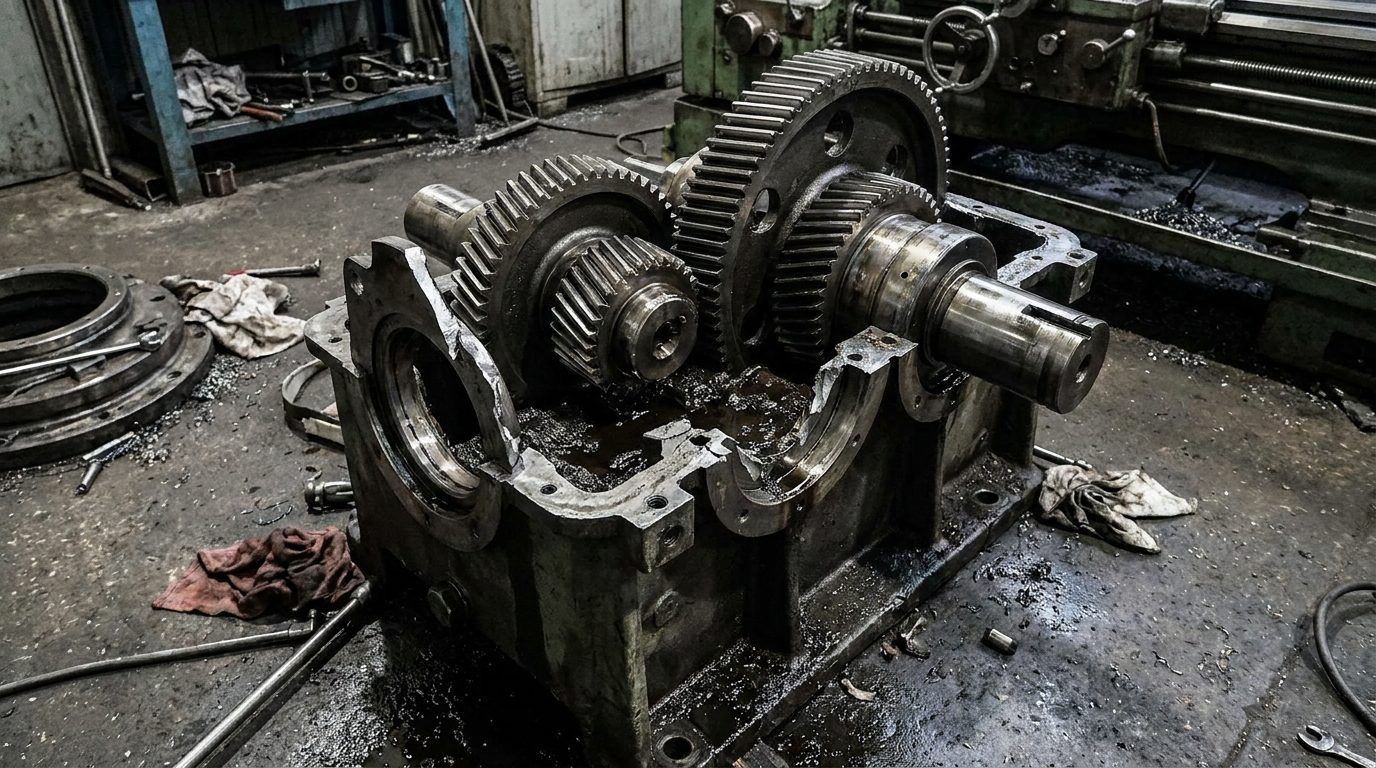
The pulsating heart of any industrial operation, the gearbox, is a critical component responsible for transmitting power and controlling speed. Its reliable performance is paramount to maintaining production efficiency, preventing costly downtime, and ensuring the safety of your workforce. Yet, even the most robust gearboxes are susceptible to failure. Understanding the common culprits behind these breakdowns is the first step toward proactive maintenance, extended equipment life, and ultimately, optimizing your plant’s operational and financial health. This article delves into the prevalent causes of industrial gearbox failure, equipping you with the knowledge to identify, diagnose, and prevent these issues before they bring your operations to a grinding halt.
Understanding the common causes of industrial gearbox failure is crucial for maintaining operational efficiency and minimizing downtime. For further insights into how to effectively address gearbox issues, you can refer to a related article on industrial gearbox repair in Miami, Florida. This resource provides valuable information on repair services and best practices to extend the lifespan of your gearboxes. For more details, visit here.
Lubrication Issues: The Silent Killer
Inadequate or improper lubrication is arguably the most frequent and preventable cause of industrial gearbox failure. Gearboxes rely on a precise film of lubricant to separate moving surfaces, reduce friction, dissipate heat, and protect against contaminants. When this vital function is compromised, the consequences can be swift and severe.
Insufficient Lubricant Levels
Running a gearbox with too little oil is akin to asking an engine to operate without its lifeblood. The oil film becomes too thin, leading to increased metal-to-metal contact between gear teeth, bearings, and seals.
- Causes: Leaks from seals or gaskets, improper filling during maintenance, oil degradation and evaporation over time, or simply forgetting to top up the oil.
- Warning Signs: Overheating of the gearbox casing, increased noise levels (whining, grinding, or knocking sounds), premature wear on gear teeth, and reduced efficiency. You might also notice increased vibration.
- Diagnosis: Regularly check the oil level through sight glasses or dipsticks. Monitor oil temperature; a consistent rise above normal operating parameters is a critical indicator. Visual inspection of the oil itself for discoloration or particulate matter can also reveal issues.
- Repair/Replacement: If caught early, adding the correct type and amount of lubricant can rectify the issue. However, significant damage may necessitate component replacement or even a full gearbox rebuild.
- Costs: Minor top-ups are negligible. However, replacing worn gears or bearings can range from thousands to tens of thousands of dollars. A full gearbox replacement can easily exceed six figures.
- Prevention: Implement a rigorous preventative maintenance schedule for lubricant level checks. Utilize automatic lubrication systems where feasible. Train operators and maintenance personnel on proper lubrication procedures.
Contaminated Lubricant
Even if the lubricant level is adequate, contamination can render it ineffective and actively detrimental to gearbox health. Contaminants can be solid particles (dirt, wear debris, rust), water, or other foreign fluids.
- Causes: Ingress of dust and debris through breathers or damaged seals, water contamination from washdowns or steam, cross-contamination from other systems, or breakdown of internal components generating wear particles.
- Warning Signs: The oil may appear cloudy, discolored, or contain visible particles. Increased wear rates, pitting, and spalling on gear teeth and bearings. Unusual noises, particularly grinding or abrasive sounds. Overheating can also occur as the lubricant’s viscosity changes and its ability to lubricate is compromised.
- Diagnosis: Oil analysis is the gold standard for detecting lubricant contamination. This involves sending a sample to a laboratory for analysis of wear metals, particulate count, viscosity, water content, and other critical parameters. Visual inspection of the oil and the gearbox internals during scheduled maintenance is also crucial.
- Repair/Replacement: Draining and flushing the gearbox with clean lubricant is often the first step. Replacing contaminated oil filters and breathers is essential. If significant internal wear has occurred, component replacement or a gearbox rebuild will be necessary.
- Costs: Oil changes and flushing are relatively inexpensive. However, the cost of replacing damaged components can be substantial.
- Prevention: Ensure breathers are equipped with appropriate filters and are regularly inspected and replaced. Maintain the integrity of seals and gaskets. Implement strict housekeeping practices around the gearbox to prevent external contamination. Use dedicated and clean containers for lubricant storage and transfer. Consider splash guards to prevent water ingress.
Improper Lubricant Type or Viscosity
Using the wrong type of lubricant or one with an incorrect viscosity for the operating conditions can lead to a host of problems. Lubricants are engineered for specific applications, temperatures, loads, and speeds.
- Causes: Human error during maintenance, using generic lubricants without considering specific gearbox requirements, or failing to adjust lubricant viscosity for extreme temperature variations.
- Warning Signs: Gearboxes operating at excessively high temperatures can indicate lubricant that is too viscous (thick) for the operating temperature, creating excess drag. Conversely, excessively low temperatures might point to a lubricant that is too thin, failing to provide adequate film strength. Unusual wear patterns, such as scuffing or scoring on gear teeth, can also result from incorrect lubricant properties. Increased noise and vibration are common.
- Diagnosis: Verify the lubricant type and viscosity against the gearbox manufacturer’s recommendations. Oil analysis can reveal deviations in viscosity from the specified grade. Examination of wear patterns on gear teeth can provide clues about lubrication effectiveness.
- Repair/Replacement: Draining the incorrect lubricant and refilling with the proper type and viscosity is the immediate fix. If damage has occurred due to the incorrect lubricant, component replacement might be required.
- Costs: The cost of the lubricant itself is usually minor, but the damage caused by incorrect application can be significant.
- Prevention: Maintain clear labeling of lubricants and storage areas. Document the correct lubricant for each gearbox and ensure this information is readily accessible to maintenance personnel. Train staff on lubricant selection and application.
Lubricant Degradation
Over time, lubricants can degrade due to heat, oxidation, and shear forces. This degradation reduces their effectiveness and can lead to the formation of harmful byproducts.
- Causes: Prolonged operation at high temperatures, exposure to air (oxidation), contamination, and the shear stress experienced by the lubricant as it passes between moving parts.
- Warning Signs: The lubricant may darken in color, develop a burnt smell, and its viscosity may change. Increased wear, overheating, and sludge formation within the gearbox are common symptoms.
- Diagnosis: Oil analysis is crucial for monitoring lubricant health. It can detect signs of oxidation, viscosity breakdown, and the presence of acidic byproducts. Visual inspection of the oil and internal components for sludge or varnish is also important.
- Repair/Replacement: Draining and replacing the degraded lubricant with fresh oil is essential. If significant degradation has occurred, a thorough cleaning and flushing of the gearbox may be necessary. Component wear resulting from degraded lubricant will require repair or replacement.
- Costs: Regular oil changes are a cost-effective preventative measure compared to the cost of repairing or replacing damaged components.
- Prevention: Adhere to recommended oil change intervals based on operating conditions and oil analysis results. Ensure proper sealing to minimize air and moisture ingress. Monitor gearbox operating temperatures to avoid overheating.
Mechanical Stresses and Overload
Industrial gearboxes are designed to operate within specific load and speed parameters. Exceeding these limits, even for short periods, can lead to catastrophic failure.
Overloading
Applying a torque to the gearbox that exceeds its rated capacity is a direct path to damage. This can manifest as excessive stress on gear teeth, shafts, and bearings.
- Causes: Sudden shock loads from upstream equipment, undersized gearboxes for the application, process upsets that demand higher torque, or operator error in starting or stopping machinery.
- Warning Signs: Loud banging or crashing noises, visible deformation or breakage of gear teeth, shaft bending or fracture, bearing failure, and excessive gearbox housing stress or cracking. The gearbox may also become unusually hot.
- Diagnosis: Examining the damaged components for signs of overload, such as fractured teeth, bent shafts, or collapsed bearings. Reviewing operational data for evidence of torque spikes or extended periods of high load.
- Repair/Replacement: Overloaded gearboxes often require extensive repair or complete replacement of damaged components, including gears, shafts, and bearings. In severe cases, the entire gearbox unit will need replacement.
- Costs: The cost can be extremely high, encompassing not only the repair or replacement of the gearbox but also potential damage to connected machinery and significant production losses.
- Prevention: Accurately size gearboxes for the application, accounting for peak loads and shock conditions. Implement load monitoring systems and alarms. Train operators on proper start-up and shutdown procedures and the dangers of overloading. Consider torque limiters or overload clutches.
Misalignment
Misalignment between the gearbox and the connected motor or driven equipment introduces uneven loading and stress on the gearbox components, leading to premature wear and failure.
- Causes: Improper installation, foundation settling, thermal expansion differences between connected components, wear in mounting points, or vibration.
- Warning Signs: Increased vibration levels, elevated operating temperatures, premature bearing wear, noise emanating from the gearbox, and accelerated wear on shaft seals. You might also notice increased power consumption.
- Diagnosis: Laser alignment tools are the most accurate method for detecting and correcting shaft misalignment. Vibration analysis can also identify misalignment-related issues by revealing specific vibration frequencies. Visual inspection for signs of premature wear on bearings and seals.
- Repair/Replacement: Correcting misalignment involves precise adjustment of the connected components. If components have already been damaged due to misalignment (e.g., worn bearings, seals), they will need to be replaced.
- Costs: The cost of laser alignment is relatively low, especially when compared to the cost of gearbox repair or replacement due to misaligned-induced damage.
- Prevention: Implement rigorous alignment procedures during installation and maintenance. Regularly check alignment, especially after significant temperature changes or if the equipment has been subjected to shock loads. Use appropriate shims and alignment techniques.
Shock Loads and Vibration
Sudden, forceful impacts or continuous, excessive vibration can wreak havoc on a gearbox’s internal components, leading to fatigue and eventual failure.
- Causes: Sudden starting or stopping of connected machinery, material handling issues, unbalanced rotating components, or structural resonance.
- Warning Signs: Intermittent loud noises, excessive vibration, premature wear on bearings and gear teeth, fatigue cracks, and loosening of fasteners.
- Diagnosis: Vibration analysis is a key diagnostic tool. Examining components for signs of impact damage or fatigue cracking. Reviewing operational procedures for instances of shock loading.
- Repair/Replacement: Damaged components will need replacement. If vibration is severe and continuous, the source of the vibration needs to be identified and addressed, which might involve balancing rotating parts, strengthening structures, or implementing vibration dampening solutions.
- Costs: The cost of identifying and mitigating vibration sources can vary widely. Replacement of damaged components can be costly.
- Prevention: Implement soft-start capabilities for motors. Ensure proper balancing of rotating components. Design for rigidity and consider vibration isolation for critical equipment. Regularly inspect for and address any sources of excessive vibration.
Check out our blog for more articles on industrial gearbox solutions: more articles.
Environmental Factors and Operational Conditions
The environment in which a gearbox operates can significantly influence its lifespan and reliability. Harsh conditions can accelerate wear and increase the risk of failure.
Extreme Temperatures
Operating a gearbox outside its designed temperature range can have detrimental effects on the lubricant and internal components.
- Causes: Insufficient cooling in hot environments, inadequate heating in cold environments, or process heat being radiated directly onto the gearbox.
- Warning Signs: In hot environments, overheating, lubricant breakdown, and accelerated wear. In cold environments, the lubricant may become too viscous, leading to increased drag, potential lubrication starvation on startup, and difficulty in achieving proper lubrication.
- Diagnosis: Temperature monitoring through sensors and infrared thermometers. Oil analysis can reveal lubricant degradation. Visual inspection of components for wear or signs of thermal stress.
- Repair/Replacement: If overheating is due to insufficient cooling, implementing additional cooling systems (fans, heat exchangers) may be necessary. In cold environments, pre-heating systems or specialized low-temperature lubricants might be required. Component replacement may be needed if damage has already occurred.
- Costs: The cost of installing and maintaining cooling or heating systems can be significant.
- Prevention: Ensure adequate ventilation around the gearbox. Utilize appropriate lubricants for the operating temperature range. Consider specialized gearbox housings or cooling solutions for extreme environments.
Corrosive Environments
Exposure to corrosive substances, such as acids, alkalis, or saltwater, can degrade gearbox materials and compromise sealing.
- Causes: Proximity to chemical processing, coastal environments, or frequent washdowns with aggressive cleaning agents.
- Warning Signs: Visible corrosion on the gearbox housing, shafts, or fasteners. Degradation of seals and gaskets. Lubricant contamination with corrosive byproducts.
- Diagnosis: Visual inspection for signs of corrosion. Material analysis if severe degradation is suspected.
- Repair/Replacement: Cleaning and application of protective coatings. Replacement of corroded components and seals. In severe cases, replacing the entire gearbox with a corrosion-resistant material or coating may be necessary.
- Costs: Protective coatings and specialized lubricants can add to initial costs, but are often more economical than frequent repairs.
- Prevention: Select gearboxes constructed from corrosion-resistant materials or with appropriate protective coatings. Implement regular cleaning and inspection routines. Ensure seals are in good condition and regularly replaced.
Dust and Debris Ingress
Fine particles of dust, dirt, or other abrasive materials can infiltrate the gearbox and act like sandpaper, accelerating wear on gear teeth and bearings.
- Causes: Poor sealing, damaged seals, open breathers in dusty environments, or inadequate housekeeping around the equipment.
- Warning Signs: Increased noise, accelerated wear on internal components, and contaminated lubricant.
- Diagnosis: Visual inspection of the lubricant for abrasive particles. Examination of internal components for wear and scoring.
- Repair/Replacement: Replacing damaged components and seals. Thoroughly cleaning and flushing the gearbox.
- Costs: Relatively low if caught early, but can become very expensive if internal components are severely worn.
- Prevention: Ensure all seals and gaskets are in excellent condition and replaced regularly. Utilize high-quality breathers with appropriate filtration. Implement stringent housekeeping practices in the vicinity of the gearbox. Consider using labyrinth seals for added protection.
Understanding the common causes of industrial gearbox failure is crucial for maintaining operational efficiency and reducing downtime. For those looking to delve deeper into this topic, a related article discusses effective strategies for industrial gearbox repair in Athens, Georgia. This resource provides valuable insights into the repair process and highlights the importance of addressing issues promptly to prevent further complications. You can explore the article further by visiting industrial gearbox repair in Athens, Georgia.
Wear and Tear: The Inevitable March of Time
Even with meticulous maintenance, all mechanical components experience wear over time. However, certain factors can accelerate this process, leading to premature failure.
Gear Tooth Wear
The meshing of gear teeth is fundamental to gearbox operation. Wear on these teeth reduces efficiency, increases noise, and can eventually lead to tooth breakage.
- Causes: Insufficient lubrication, contamination, overloading, misalignment, and incorrect gear geometry.
- Warning Signs: Increased backlash between gears, whining or grinding noises, and visible pitting, spalling, or scuffing on gear teeth.
- Diagnosis: Visual inspection of gear teeth for wear patterns. Measurement of backlash.
- Repair/Replacement: Minor wear might be compensated for by adjusting backlash. Significant wear necessitates gear replacement, which often requires disassembling the gearbox. In severe cases, the entire gearbox may need replacement.
- Costs: Gear replacement can be costly, depending on the size and material of the gears.
- Prevention: Proper lubrication, contamination control, correct sizing, and regular inspections are key to minimizing gear tooth wear.
Bearing Failure
Bearings are critical for supporting rotating shafts and reducing friction. Bearing failure can quickly lead to complete gearbox shutdown.
- Causes: Insufficient lubrication, contamination, overloading, misalignment, improper installation, fatigue, and improper lubricant viscosity.
- Warning Signs: Increased noise (grinding, rumbling), excessive heat from the bearing housing, vibration, and increased torque requirements.
- Diagnosis: Vibration analysis can pinpoint bearing issues. Visual inspection of bearings for signs of wear, pitting, spalling, or brinelling. Oil analysis can detect bearing wear particles.
- Repair/Replacement: Replacing the faulty bearing. If the bearing failure has caused damage to the shaft or housing, these may also need repair or replacement.
- Costs: Bearing replacement can range from hundreds to thousands of dollars, depending on the size and type of bearing.
- Prevention: Ensure proper lubrication, contamination control, and alignment. Follow manufacturer recommendations for bearing installation and maintenance.
Seal Degradation
Seals are vital for preventing lubricant leakage and the ingress of contaminants. Degraded seals can lead to both lubrication loss and contamination.
- Causes: Age, exposure to heat, chemical attack, abrasive wear, improper installation, and excessive shaft runout.
- Warning Signs: Visible oil leaks, ingress of dust or moisture into the gearbox, and increased wear on seals.
- Diagnosis: Visual inspection of seals for cracks, tears, hardening, or signs of wear.
- Repair/Replacement: Replacing the degraded seals.
- Costs: Seal replacement is generally a low-cost maintenance task.
- Prevention: Use high-quality seals appropriate for the operating environment. Inspect and replace seals during routine maintenance. Ensure proper shaft finish and runout.
Installation and Manufacturing Defects
While less common than lubrication or operational issues, faulty installation or manufacturing defects can also lead to gearbox failure.
Improper Installation
Incorrect installation can introduce stresses and misalignments that lead to premature wear and failure.
- Causes: Lack of proper alignment during mounting, incorrect tightening of fasteners, using improper tools, or failing to follow manufacturer instructions.
- Warning Signs: Excessive vibration, noise, and accelerated wear on components immediately after installation or during initial operation.
- Diagnosis: Comprehensive review of the installation process. Laser alignment checks. Vibration analysis.
- Repair/Replacement: Reinstallation by qualified personnel, correcting any initial errors. Replacement of any components damaged during the improper installation.
- Costs: Reworking installation can incur labor costs and potential material replacement.
- Prevention: Ensure installation is performed by trained technicians adhering strictly to the manufacturer’s guidelines. Utilize proper tools and equipment.
Manufacturing Defects
Although quality control in manufacturing is stringent, rare instances of defects can occur.
- Causes: Material imperfections, machining errors, or assembly flaws.
- Warning Signs: Unusual noises, premature wear, or complete failure shortly after the gearbox is put into service, often without any apparent external cause.
- Diagnosis: Detailed inspection of internal components for anomalies. Consultation with the gearbox manufacturer.
- Repair/Replacement: Typically, the manufacturer will replace or repair the defective unit under warranty.
- Costs: Usually covered by the manufacturer’s warranty.
- Prevention: Purchase gearboxes from reputable manufacturers with strong quality control processes. Document any unusual behavior from the outset to facilitate warranty claims.
Actionable Takeaways for Plant Managers and Maintenance Teams:
- Prioritize Lubrication: Implement a robust lubrication program including regular level checks, oil analysis, and adherence to manufacturer-recommended lubricant types and change intervals.
- Embrace Vibration Analysis: Integrate regular vibration analysis into your preventative maintenance schedule to detect early signs of wear, misalignment, and bearing issues.
- Document Everything: Maintain detailed records of all maintenance activities, oil changes, repairs, and operating parameters. This data is invaluable for troubleshooting and predictive maintenance.
- Train Your Team: Ensure all personnel involved in gearbox operation and maintenance are adequately trained on proper procedures, safety protocols, and the importance of their role in equipment longevity.
- Invest in Diagnostics: Consider investing in tools like infrared thermometers, ultrasonic leak detectors, and oil analysis kits to enhance your diagnostic capabilities.
- Proactive Replacement: Don’t wait for a catastrophic failure. Based on condition monitoring data, plan for component or gearbox replacements during scheduled downtime to minimize unexpected outages.
- Supplier Collaboration: Work closely with your gearbox suppliers and lubricant providers. They can offer valuable insights, technical support, and recommendations for your specific applications.
Frequently Asked Questions (FAQ):
Q1: How often should I perform oil analysis on my industrial gearboxes?
A1: The frequency of oil analysis depends heavily on the gearbox’s criticality, operating conditions, and manufacturer recommendations. For critical gearboxes operating under heavy loads or in harsh environments, monthly or quarterly analysis is often recommended. For less critical units or those operating under ideal conditions, semi-annual or annual analysis might suffice. Your lubricant supplier or a specialized lab can provide guidance.
Q2: What are the signs that my gearbox is overheating?
A2: Signs of gearbox overheating include a significant increase in the gearbox casing temperature (felt by touch or measured with an infrared thermometer), a burnt smell from the lubricant, visible oil discoloration or degradation, and a decrease in overall equipment efficiency. Many gearboxes also have temperature sensors that can trigger alarms.
Q3: Can I use a generic lubricant if I don’t have the specific type recommended by the manufacturer?
A3: It is strongly advised not to use generic lubricants unless explicitly approved by the gearbox manufacturer. The specific formulation, viscosity, and additive package of a lubricant are critical for proper gearbox performance and longevity. Using the wrong lubricant can lead to increased wear, overheating, and eventual failure. Always consult the gearbox’s operation and maintenance manual.
Q4: How do I distinguish between bearing noise and gear noise in my gearbox?
A4: Bearing noise often manifests as a continuous rumbling, grinding, or high-pitched squeal, which can change in intensity with shaft speed. Gear noise can be more intermittent, characterized by clashing, whining, or knocking sounds, often directly related to the meshing of gear teeth. Vibration analysis is an excellent tool for differentiating these issues.
Conclusion
The reliable operation of industrial gearboxes is a cornerstone of efficient and profitable manufacturing. By understanding the common causes of failure, from the insidious effects of poor lubrication to the dramatic impact of overloading, plant managers, maintenance teams, engineers, buyers, and operators can implement proactive strategies to prevent costly breakdowns. Embracing a culture of preventative maintenance, investing in condition monitoring technologies, and fostering a knowledgeable workforce are the keys to extending gearbox life, minimizing downtime, and ensuring the continuous, robust performance of your industrial operations. Don’t let gearbox failure be an unexpected crisis; make it a preventable chapter in your plant’s success story.