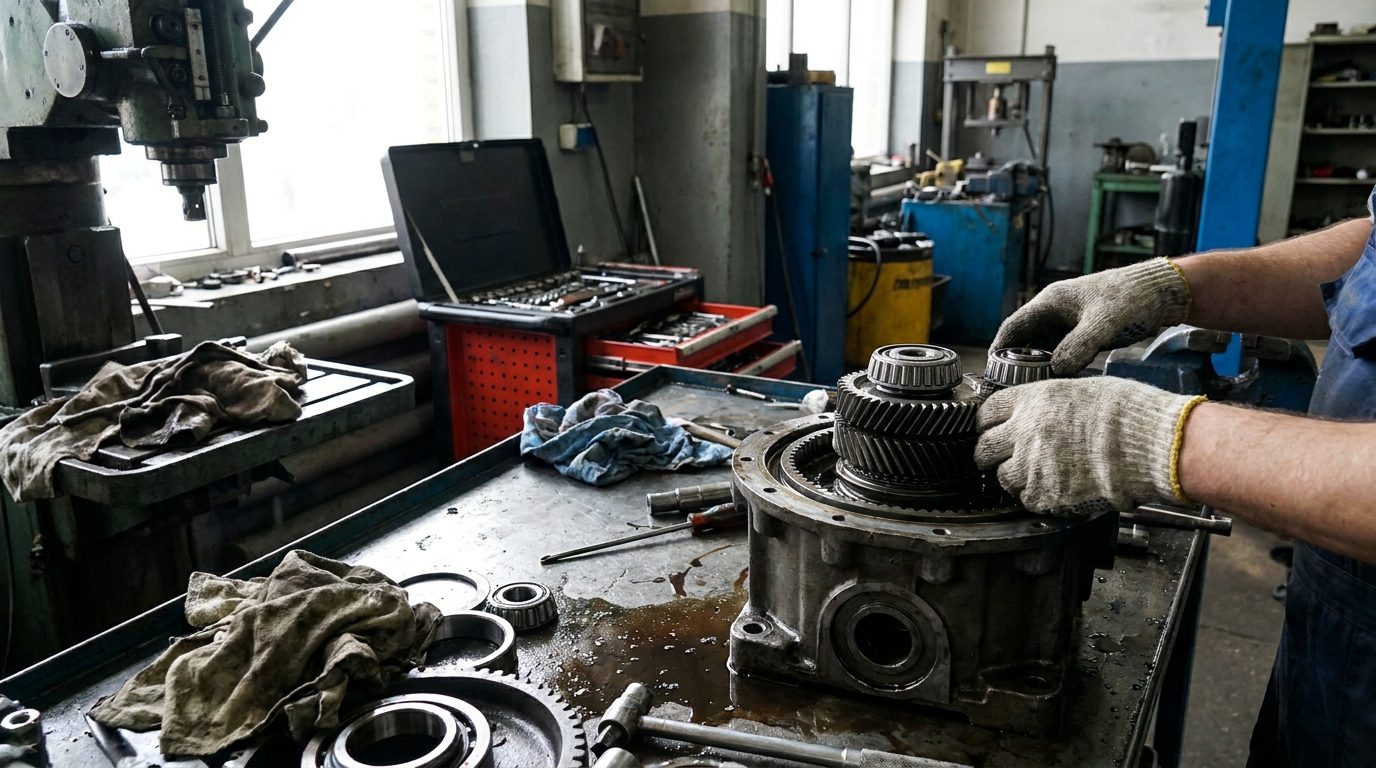
Gearbox Repair vs. Replacement: How to Decide
In the intricate world of industrial machinery, the gearbox stands as a critical component, transforming motor speed and torque to power a vast array of operations. When a gearbox begins to falter, the decision between repair and replacement looms large, impacting production schedules, budgets, and operational efficiency. This article delves into the critical factors plant managers, maintenance teams, engineers, buyers, and industrial operators must consider to make the most informed choice, ensuring minimal downtime and maximum return on investment. Understanding the nuances of gearbox failure and the available solutions is paramount to maintaining the smooth, reliable operation of your facility.
Gearbox failures are rarely sudden and often stem from a combination of internal and external factors. A comprehensive understanding of these root causes is the first step in determining the most effective course of action.
Wear and Tear: The Inevitable Factor
Over time, all mechanical components experience wear. In gearboxes, this manifests as:
- Tooth Wear: This can range from simple abrasion to more severe pitting, spalling, or even complete tooth breakage. It’s often caused by insufficient lubrication, abrasive contaminants in the oil, or overloading. According to a study published in the Journal of Tribology, the proper selection and maintenance of lubricants are paramount in mitigating wear in gear systems. Insufficient or degraded lubrication increases friction, leading to accelerated material loss.
- Bearing Degradation: Bearings, crucial for smooth shaft rotation, can suffer from fatigue, corrosion, or contamination. This leads to increased vibration, heat, and ultimately, shaft misalignment and further gear damage. The American Bearing Manufacturers Association (ABMA) consistently highlights the impact of contamination on bearing life, emphasizing the need for stringent sealing and filtration.
- Seal Failure: Compromised seals allow lubricant to escape and contaminants to enter, creating a vicious cycle of wear and potential system contamination. This is a common failure point, often exacerbated by age, improper installation, or chemical incompatibility.
Lubrication Issues: The Lifeblood of the Gearbox
Lubrication is the single most critical factor in gearbox longevity. Issues here are a primary driver of failure:
- Insufficient Lubrication: Low oil levels mean gears and bearings are not adequately protected, leading to increased friction, heat, and rapid wear. This can be due to leaks, improper filling, or evaporation.
- Contaminated Lubrication: The presence of dirt, metal particles, water, or other foreign substances in the lubricant acts as an abrasive, grinding away at gear teeth and bearing surfaces. Regular oil analysis, as recommended by organizations like the Society of Tribologists and Lubrication Engineers (STLE), is essential to detect and address contamination.
- Incorrect Lubricant Type: Using a lubricant with the wrong viscosity, additive package, or base oil can lead to inadequate protection, excessive heat generation, or even chemical degradation of seals and internal components. The API (American Petroleum Institute) classification for gear oils provides critical guidance on selecting the appropriate lubricant for specific applications.
- Lubricant Degradation: Over time, lubricants break down due to heat, oxidation, and shear. This reduces their ability to lubricate and protect, accelerating wear.
Operational Overloads and Misalignment
External factors related to the operation of the gearbox can also lead to premature failure:
- Overloading: Exceeding the gearbox’s designed torque or speed capacity places excessive stress on its internal components, leading to premature wear, deformation, or fracture. This is often a result of process changes or improper application design.
- Misalignment: Misalignment between the motor and gearbox, or between the gearbox output shaft and the driven equipment, creates significant radial and axial loads on bearings and gears, leading to accelerated wear and potential catastrophic failure. Proper alignment procedures, often involving laser alignment tools, are crucial. The American Society of Mechanical Engineers (ASME) provides extensive guidelines on shaft alignment best practices.
- Shock Loads: Sudden, unexpected increases in load, often caused by jamming of driven equipment or rapid starts/stops, can impart severe shock forces on gearbox components, leading to impact damage.
Environmental Factors
The operating environment can also play a significant role:
- Extreme Temperatures: High ambient temperatures can lead to lubricant breakdown and increased stress on components. Very low temperatures can affect lubricant viscosity and performance.
- Corrosive Atmospheres: Exposure to corrosive chemicals or environments can damage seals, housing, and internal components, accelerating degradation.
When considering whether to repair or replace a gearbox, it’s essential to weigh the pros and cons carefully. For additional insights on this topic, you may find the article on industrial gearbox repair in Warren, Michigan, particularly helpful. It provides a comprehensive overview of the factors influencing the decision-making process, including cost, efficiency, and longevity of repairs. You can read more about it here: Industrial Gearbox Repair in Warren, Michigan.
Warning Signs: Detecting the Onset of Failure
Early detection of gearbox issues can significantly influence the decision between repair and replacement, often favoring repair. Neglecting these signs can escalate a manageable problem into a costly emergency.
Auditory Clues: What Your Gearbox is Telling You
Unusual noises are often the first audible indication of a problem:
- Grinding or Scraping: This can indicate metal-on-metal contact, often due to insufficient lubrication or severely worn gear teeth.
- Whining or Humming: A high-pitched whine that changes with load or speed can point to bearing issues or worn gear profiles.
- Knocking or Clunking: This may suggest loose components, excessive backlash in the gears, or bearing cage damage.
- Clicking: Intermittent clicking can be indicative of a broken gear tooth fragment or a damaged bearing.
Tactile Feedback: Feeling the Difference
Vibration is a critical indicator of mechanical distress:
- Increased Vibration Levels: This is a common symptom of bearing wear, gear tooth damage, or imbalance within the gearbox. Monitoring vibration trends over time using tools like accelerometers is crucial for early detection. ISO 10816 provides standards for assessing vibration severity in rotating machinery.
- Hot Spots and Overheating: An increase in gearbox operating temperature, beyond its normal range, often signifies increased friction due to lubrication breakdown, bearing issues, or excessive load. Using infrared thermometers to monitor external casing temperatures can provide early warnings.
Visual and Olfactory Clues: What to Look For and Smell
These are often more direct indicators of immediate problems:
- Oil Leaks: Visible oil leaks around seals or casing joints are a clear sign of seal failure or over-pressurization.
- Discolored Oil: Oil that appears dark, burnt, or has a metallic sheen indicates excessive heat or the presence of wear particles. Oil analysis is a vital tool to confirm this.
- Unusual Odors: A burnt oil smell is a strong indicator of overheating and lubricant breakdown. A metallic or acrid smell can suggest significant internal wear or contamination.
- Visible Damage: In extreme cases, external inspection might reveal cracks in the housing, bent shafts, or visible damage to external components.
Diagnosis: Pinpointing the Problem
Once warning signs are present, a thorough diagnosis is essential to determine the extent of the damage and the best course of action.
Oil Analysis: The Silent Inspector
Oil analysis is an indispensable diagnostic tool for gearboxes. By examining lubricant samples, technicians can identify:
- Wear Debris: The type, size, and concentration of metal particles can indicate which components are wearing and the severity of the wear. Spectrometric analysis can identify elements like iron, copper, aluminum, and chromium, pointing to specific components.
- Contamination: The presence of water, dirt, or other foreign substances can be detected, highlighting issues with seals or filtration.
- Lubricant Condition: The analysis can assess viscosity, oxidation levels, and additive depletion, indicating whether the lubricant is still providing adequate protection. The American Society for Testing and Materials (ASTM) has numerous standards for lubricant testing.
Vibration Analysis: Listening to the Machinery
As mentioned earlier, vibration analysis is a powerful non-destructive diagnostic technique.
- Frequency Analysis: Specific frequencies of vibration are associated with particular types of faults, such as bearing defects, gear mesh problems, or rotor imbalance. Advanced vibration analysis can even identify the specific rolling element (ball or roller) that is damaged in a bearing.
- Trend Monitoring: Tracking vibration levels over time allows for the identification of gradual degradation before it leads to a failure.
Non-Destructive Testing (NDT) Methods
For suspected internal damage, NDT methods can provide valuable insights without disassembly:
- Ultrasonic Testing: Can detect internal cracks or voids in housings or shafts.
- Eddy Current Testing: Useful for identifying surface cracks and defects in metallic components.
Visual Inspection and Disassembly
In many cases, a physical inspection, sometimes requiring partial or full disassembly, is necessary for definitive diagnosis.
- Gear Tooth Inspection: Examining gear teeth for wear patterns, pitting, spalling, and cracks.
- Bearing Inspection: Checking bearings for signs of brinelling, spalling, corrosion, and cage damage.
- Shaft Straightness: Verifying shaft straightness and checking for signs of bending or fatigue.
Check out our blog for more articles on industrial gearbox solutions: more articles.
Repair vs. Replacement: Weighing the Options
The decision between repairing an existing gearbox and replacing it with a new one is a complex one, involving technical, economic, and operational considerations.
Repair: When It Makes Sense
Repairing a gearbox is often the more cost-effective and environmentally friendly option, provided the damage is contained and the core components are sound.
Advantages of Repair:
- Cost Savings: Generally, repair costs are significantly lower than the cost of a new gearbox, especially for larger or custom units. This can be a major factor for budget-conscious plants.
- Reduced Lead Time: A repaired gearbox can often be returned to service much faster than ordering and commissioning a new unit, minimizing production downtime.
- Environmental Impact: Repairing extends the life of existing components, reducing waste and the need for manufacturing new parts.
- Preservation of Existing Infrastructure: Repairing allows for the continued use of existing mounting, shaft configurations, and power transmission systems, avoiding costly modifications to driven equipment or plant layout.
- Potential for Upgrades: During repair, it might be possible to incorporate minor upgrades, such as enhanced sealing or higher-grade bearings, to improve future performance.
When to Consider Repair:
- Minor Wear or Damage: When the primary issues are limited to worn bearings, seals, or minor gear tooth wear that can be addressed by replacing individual components.
- Cost of Repair vs. New: If the estimated repair cost is less than 50-60% of the cost of a new gearbox, repair often becomes the economically sensible choice.
- Availability of Parts: If replacement parts are readily available for the specific gearbox model.
- Time Constraints: When a quick turnaround is essential to resume production.
- Older or Obsolete Models: For gearboxes that are no longer manufactured or are difficult to source new, repair might be the only viable option.
Common Repair Procedures:
- Bearing Replacement: The most frequent repair, involving removal of old bearings and installation of new, high-quality replacements.
- Seal Replacement: Replacing worn or damaged seals to prevent leaks and contamination.
- Gear Replacemnt or Refurbishment: Depending on the damage, individual gears may be replaced, or in some cases, gear teeth can be re-ground or re-machined.
- Shaft Straightening or Repair: Minor shaft damage may be repairable through straightening or localized build-up and machining.
- Housing Repair: Cracks or worn mounting surfaces in the housing can often be repaired through welding and machining.
- Thorough Cleaning and Inspection: Essential steps to ensure all debris is removed and the full extent of damage is understood.
Replacement: When It’s the Right Choice
While often more expensive, replacement can be the superior option in certain scenarios, offering long-term benefits and mitigating future risks.
Advantages of Replacement:
- Extended Lifespan: A new gearbox comes with a full manufacturer’s warranty and is built to current standards, offering a significantly longer operational life.
- Improved Efficiency and Performance: Newer gearbox designs often incorporate advancements in efficiency, torque density, and noise reduction.
- Elimination of Recurring Issues: If a gearbox has a history of repeated failures or design flaws, replacement ensures these issues are resolved.
- Compliance with New Standards: If regulations or operational requirements have changed, a new gearbox may be necessary to meet these.
- Modernization and Integration: Replacing an old unit can be an opportunity to upgrade to a more advanced model that integrates better with modern control systems or processes.
- Predictable Performance: A new unit offers predictable performance and reliability, simplifying maintenance planning.
When to Consider Replacement:
- Extensive Internal Damage: If multiple components are severely damaged (e.g., multiple worn gears, damaged shafts, cracked housing), the cumulative cost of repair can approach or exceed the cost of a new unit.
- Obsolete or Unavailable Parts: If critical spare parts for the existing gearbox are no longer manufactured or are prohibitively expensive.
- Repeated Failures: If the gearbox has a history of frequent breakdowns, indicating an underlying design flaw or persistent operational issue that repair cannot fully rectify.
- Significant Efficiency Gains: If a new, more energy-efficient gearbox can offer substantial long-term savings in energy consumption, justifying the upfront cost.
- Major Process or Design Changes: If the operational demands of the driven equipment have changed significantly, requiring a gearbox with different specifications.
- Risk Tolerance: If the cost of potential downtime from a repaired gearbox is unacceptably high, replacement with a new, reliable unit may be preferred.
Considerations for Replacement:
- Cost of New Unit: New gearboxes can be a significant capital expenditure.
- Lead Time: Ordering and commissioning a new gearbox can involve considerable lead times, requiring careful planning.
- Installation and Integration Costs: New gearboxes may require modifications to existing mounting, shaft couplings, and electrical systems.
- Disposal of Old Unit: Proper disposal or recycling of the old gearbox needs to be considered.
When considering whether to repair or replace a gearbox, it’s essential to weigh the long-term benefits and costs associated with each option. A related article that delves deeper into the intricacies of gearbox repair can be found at Industrial Gearbox Repair in Arizona. This resource provides valuable insights that can help you make an informed decision based on your specific situation and needs.
Costs, Risks, and Prevention Strategies
Making the right decision involves a thorough analysis of costs, potential risks, and proactive prevention measures.
Cost Analysis: Beyond the Initial Price Tag
The true cost extends beyond the immediate expense of repair or replacement.
- Repair Costs: Include labor, parts, diagnostic services, shipping, and potential overtime for technicians. Consider the risk of unforeseen issues discovered during repair, which can inflate costs.
- Replacement Costs: Include the purchase price of the new gearbox, shipping, installation labor, potential modifications to surrounding equipment, commissioning, and disposal of the old unit.
- Downtime Costs: This is often the most significant, though often overlooked, cost. It includes lost production, idle labor, penalties for missed deadlines, and potential expedited shipping of finished goods. A study by McKinsey & Company highlights that unplanned downtime can cost manufacturers upwards of $50,000 per hour.
- Energy Costs: Newer, more efficient gearboxes can lead to long-term energy savings.
- Maintenance Costs: Consider the ongoing maintenance requirements and costs associated with both repair and replacement options.
Risk Assessment: What Could Go Wrong?
Both repair and replacement carry inherent risks:
- Risks of Repair:
- Incomplete Repair: Unforeseen damage or improper repair techniques can lead to premature failure.
- Reduced Lifespan: A repaired gearbox may not achieve the same lifespan as a new one.
- Warranty Limitations: Repair warranties are often shorter and more limited than new equipment warranties.
- Technological Obsolescence: Repairing an older unit may mean it continues to use less efficient or outdated technology.
- Risks of Replacement:
- Higher Upfront Cost: The immediate financial burden can be substantial.
- Integration Challenges: New units may not integrate seamlessly with existing systems, requiring costly modifications.
- Extended Lead Times: Delays in receiving a new unit can prolong costly downtime.
- Risk of Specifying Incorrectly: Choosing the wrong replacement gearbox can lead to performance issues or premature failure.
Prevention Strategies: The Best Defense
Proactive maintenance is the most effective way to avoid costly repairs and replacements.
- Robust Lubrication Program:
- Regular Oil Analysis: As previously discussed, this is crucial for early detection of wear and contamination.
- Proper Lubricant Selection: Ensure the correct type, grade, and quantity of lubricant are used.
- Regular Oil Changes: Adhere to manufacturer-recommended schedules, or adjust based on oil analysis results.
- Effective Sealing: Maintain and inspect seals regularly to prevent contamination ingress and lubricant egress.
- Regular Inspections and Monitoring:
- Visual Inspections: Check for leaks, unusual noises, and external damage.
- Vibration Monitoring: Implement a predictive maintenance program using vibration analysis.
- Temperature Monitoring: Use infrared thermometers or embedded sensors to track operating temperatures.
- Proper Alignment:
- Precision Alignment: Use laser alignment tools for initial installation and periodic checks. Misalignment is a significant cause of premature bearing and gear failure.
- Load Management:
- Avoid Overloading: Ensure the gearbox is not subjected to loads beyond its rated capacity.
- Manage Shock Loads: Implement soft-start capabilities or shock absorbers where necessary.
- Environmental Control:
- Protect from Contaminants: Shield gearboxes from dust, moisture, and corrosive substances.
- Maintain Optimal Operating Temperatures: Ensure adequate ventilation or cooling if operating in extreme environments.
- Training and Education:
- Operator Training: Ensure operators understand proper startup, shutdown, and operational procedures.
- Maintenance Team Training: Equip the maintenance team with the skills and knowledge for effective gearbox maintenance and diagnostics.
When considering whether to repair or replace your gearbox, it’s essential to weigh the long-term benefits and costs associated with each option. A related article that delves deeper into the intricacies of gearbox repair can be found here, providing valuable insights for those in need of guidance. Understanding the signs that indicate a repair might be sufficient versus when a complete replacement is necessary can save both time and money in the long run. For more detailed information, check out the article on industrial gearbox repair in Knoxville, TN.
Actionable Takeaways for Plant Managers and Teams
- Prioritize Predictive Maintenance: Invest in vibration analysis and regular oil analysis. These are the most effective tools for catching issues early, often before they become catastrophic.
- Develop a Clear Decision Matrix: Create a simple, yet comprehensive, checklist or flowchart to guide repair vs. replacement decisions. Factors like repair cost percentage of new, lead time, and historical failure rates should be included.
- Build Strong Relationships with Reputable Service Providers: For repairs, work with companies that offer detailed diagnostic reports, clear quotes, and robust warranties. For replacements, engage with trusted gearbox manufacturers and distributors who can offer expert application support.
- Factor in Total Cost of Ownership: Don’t just look at the initial purchase price. Consider downtime costs, energy savings, and long-term maintenance when making your decision.
- Implement a Comprehensive Lubrication Program: This is the single most critical preventative measure. Ensure proper lubricant selection, regular changes, and rigorous oil analysis.
- Document Everything: Maintain detailed records of inspections, maintenance, repairs, and oil analysis results. This history is invaluable for diagnosing future issues and informing repair/replacement decisions.
- Invest in Training: Ensure your maintenance team is well-versed in the latest diagnostic techniques and preventative maintenance strategies for gearboxes.
Frequently Asked Questions (FAQ)
Q1: How do I know if a gearbox is truly “obsolete”?
A1: A gearbox is generally considered obsolete if spare parts are no longer manufactured by the original equipment manufacturer (OEM) or their authorized suppliers, or if the OEM no longer provides technical support for that model. Another indicator is when the cost of repairing it approaches or exceeds the cost of a modern, equivalent unit.
Q2: What is the typical lifespan of a well-maintained industrial gearbox?
A2: The lifespan of an industrial gearbox can vary greatly depending on the application, load, operating environment, and maintenance practices. However, a well-maintained gearbox in a moderate application can typically last anywhere from 15 to 25 years or more.
Q3: When should I perform oil analysis on my gearboxes?
A3: For critical gearboxes, oil analysis should be performed at regular intervals, typically every 3 to 6 months, or as recommended by the lubricant manufacturer. For less critical applications, annual analysis might suffice. The frequency should also increase if you suspect an issue or have recently made changes to lubrication practices.
Q4: Can a repaired gearbox be as reliable as a new one?
A4: A properly repaired gearbox, with high-quality parts and expert workmanship, can be highly reliable. However, it’s unlikely to achieve the same lifespan or performance guarantees as a brand-new unit. The decision often hinges on the extent of the original damage and the quality of the repair.
Q5: What is the role of a gearbox specialist?
A5: Gearbox specialists possess in-depth knowledge of gearbox design, operation, failure modes, and repair techniques. They can provide expert diagnostics, recommend appropriate repair or replacement solutions, and often offer custom machining or remanufacturing services.
Conclusion: Making the Smartest Investment
The decision between repairing and replacing an industrial gearbox is a pivotal one for any plant manager or engineering team. It demands a careful, data-driven approach that considers not only immediate costs but also long-term reliability, efficiency, and operational continuity. By thoroughly understanding the causes of gearbox failure, diligently monitoring for warning signs, and employing rigorous diagnostic techniques, you can make informed decisions. Prioritizing proactive maintenance and investing in the right strategies will ensure your gearboxes continue to perform optimally, safeguarding your production processes and maximizing your facility’s return on investment. Ultimately, the most successful approach is one that balances immediate financial considerations with the strategic imperative of sustained operational excellence.