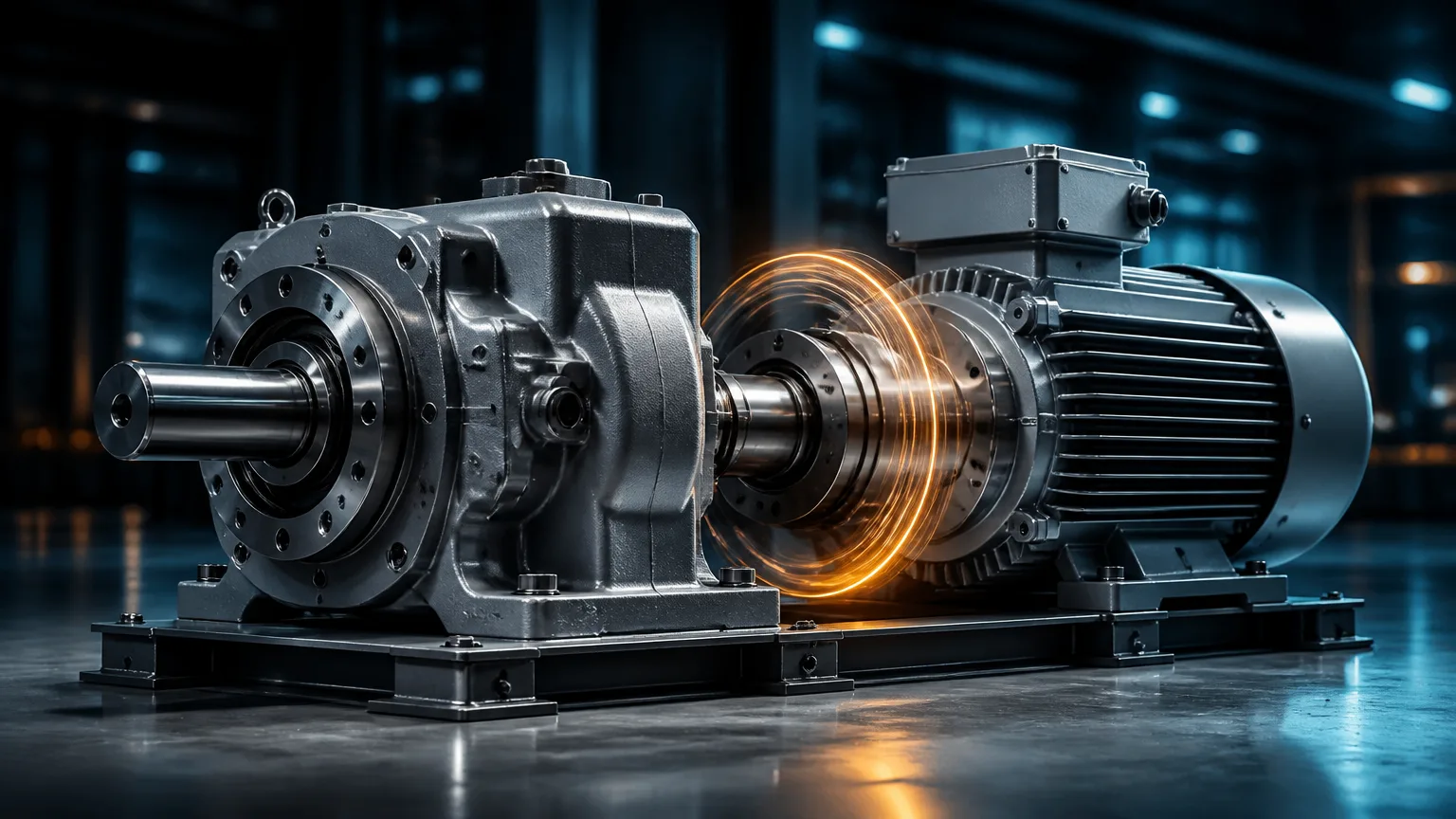
Choosing the right gearbox power rating means matching the motor, driven load, and operating conditions—not simply copying a number from the nameplate. For plant teams planning a replacement, repair, or new installation, considering power, speed, torque, and duty together helps prevent costly mismatches.
An underrated gearbox may overheat or fail prematurely, while unnecessary oversizing can increase costs and reduce efficiency. This guide explains how to assess the demands on your equipment and make a sound selection. For gearbox service and replacement support, contact Industrial Gearbox Solutions.
Start with Required Output Power, Speed, and Torque
Begin with the driven machine, not just the existing gearbox nameplate. Check equipment data, process requirements, and measured operating conditions to establish the output power and speed the application actually needs. Consider the load, duty cycle, and any periods of starting or peak demand.
Power, speed, and torque are closely related. For a given power, reducing output speed generally increases output torque. The gearbox must deliver enough torque at the required speed, while allowing for transmission losses between the motor and the output shaft.
Do not treat the motor’s rated power as the gearbox’s required output power. Motor power describes the input; the useful power available at the gearbox output is lower because some energy is lost during transmission. The required output power depends on what the driven machine needs at its operating point.
For example, a conveyor may need high torque at a relatively low speed to move its load steadily. Confirm those requirements from operating data rather than assuming the current gearbox is correctly sized. If you need help comparing torque values or units, see a practical guide to torque conversion. These figures provide the foundation for selecting an appropriate gearbox power rating.
Account for Load Type, Starts, and Duty Cycle
The required power rating depends on how the gearbox operates across a full cycle, not only on steady-state power draw. A conveyor carrying a consistent load may create smooth, uniform demand. A crusher handling uneven material or a mixer starting with a full batch can create moderate or severe shock loads.
Frequent starts and stops, reversing, and rapidly changing loads also increase stress on gearbox components. These conditions can raise peak torque well above the running load. Hours of operation matter, too: equipment running continuously faces different demands from a machine used for short, occasional cycles.
Service factors and manufacturer rating methods help account for operating severity and select suitable capacity. They are not arbitrary safety multipliers. Apply them using accurate duty information and the gearbox manufacturer’s guidance.
Before choosing a replacement, document:
- Starts and stops per hour, and how often the gearbox reverses
- Peak loads, load variations, and any shock events
- Daily runtime and expected operating schedule
- Process changes that could affect future loads or duty
This information helps match the power rating to actual conditions and avoid premature wear or unnecessary oversizing.
Check the Gearbox’s Thermal and Mechanical Limits
The required power rating is only one part of reliable gearbox selection. A gearbox may meet the nominal power requirement but still overheat or wear prematurely if it cannot reject heat, maintain lubrication, or support the applied loads.
Check the ambient temperature, enclosure, and ventilation around the gearbox. High temperatures or restricted airflow can limit usable power. Confirm that the lubricant suits the operating temperature and load, and that the mounting position supports proper lubrication. Also distinguish continuous operation from intermittent duty, since a gearbox may tolerate a higher load for short periods than for nonstop service.
Mechanical limits matter as well. High torque, radial or axial shaft loads, and misalignment can shorten bearing life even when the power rating appears adequate. Verify that the gearbox’s shafts and bearings can handle the actual loads and installation conditions.
These checks are especially important when deciding whether to repair or replace existing equipment. The Coperion gearbox repair and replacement guide illustrates how operating conditions and gearbox condition factor into that decision. Compare those factors with your application before confirming a rating.
Compare Ratings and Confirm the Replacement Will Fit
Use the operating requirements you have documented to review candidate gearboxes. Compare rated power and output torque at the required speed and ratio, not as isolated figures. A gearbox’s larger nominal power rating does not prove it is suitable; the rating must apply to the specific speed, configuration, and duty.
Check the manufacturer’s rating tables for the proposed operating conditions, including service factor and the full load profile. A gearbox that meets the steady-state demand may still be unsuitable if frequent starts, reversals, shock loads, or long daily runtimes exceed its rating. Confirm any assumptions with a qualified gearbox supplier or engineer.
Then verify that the replacement will fit and connect to the equipment. Check the ratio, shaft dimensions, mounting arrangement, footprint, motor interface, and available space. For example, a gearbox with adequate torque may still require changes if its output shaft or mounting points differ from the existing unit. Resolve these mechanical and interface details before approving the selection.
Make the Rating Decision from Operating Data
Choose a gearbox power rating that meets real-world power and torque demands without exceeding thermal, mechanical, or installation limits. Confirm output speed and torque, load behavior, starts, runtime, operating environment, and mounting details before deciding. This operating data helps match the gearbox to its actual duty rather than relying on assumptions.
If the gearbox repeatedly overheats, makes unusual noise, or wears prematurely, investigate the cause before assuming a higher-rated replacement will solve the problem. A closer condition assessment can help guide the repair-or-replace decision; review the Brevini gearbox repair and service options. Use the findings to confirm a rating that fits both the application and the equipment.