How to Choose the Right Gearbox Power Rating
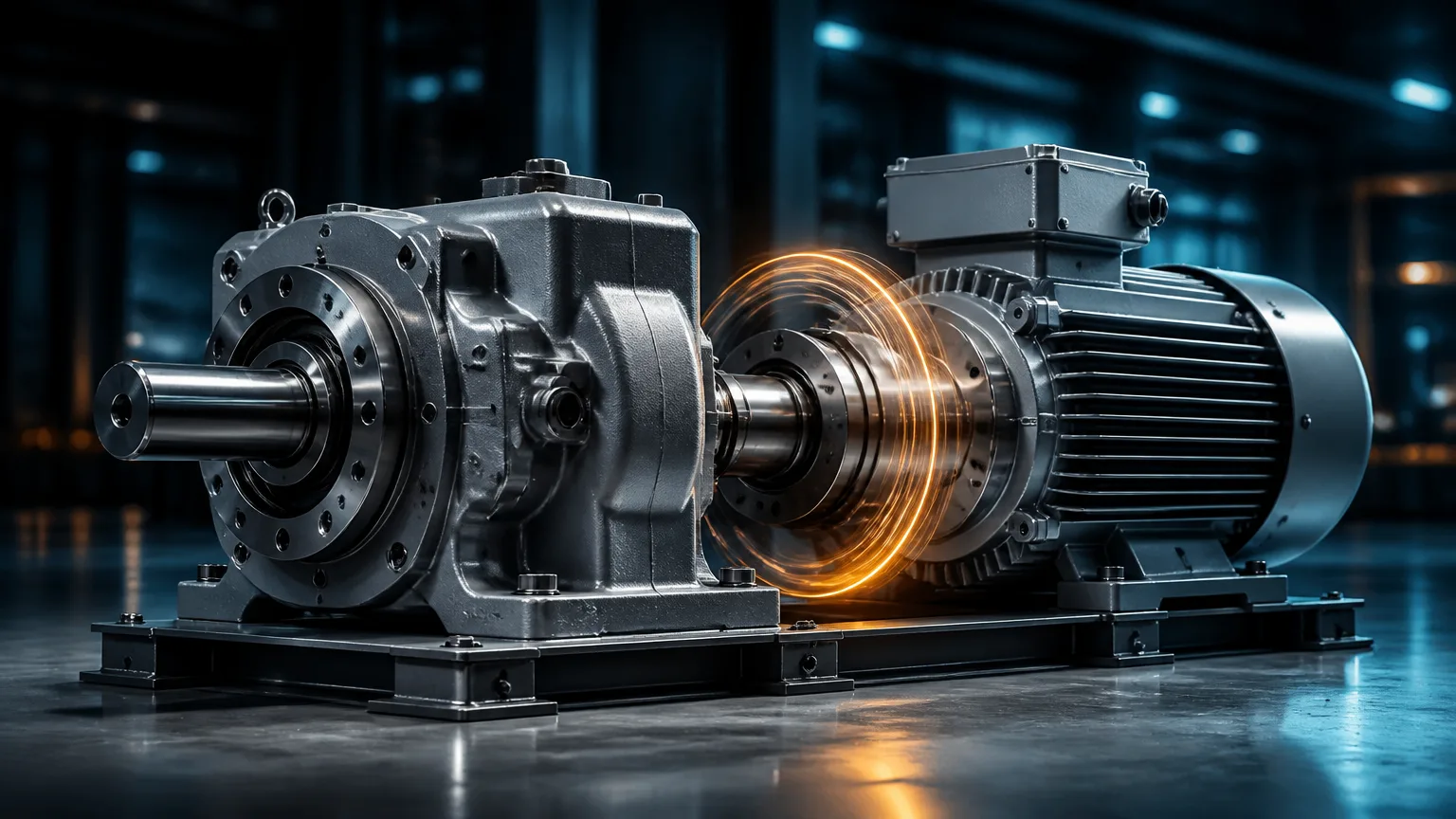
Choosing the right gearbox power rating means matching the motor, driven load, and operating conditions—not simply copying a number from the nameplate. For p…
Choosing the right gearbox power rating means matching the motor, driven load, and operating conditions—not simply copying a number from the nameplate. For p…
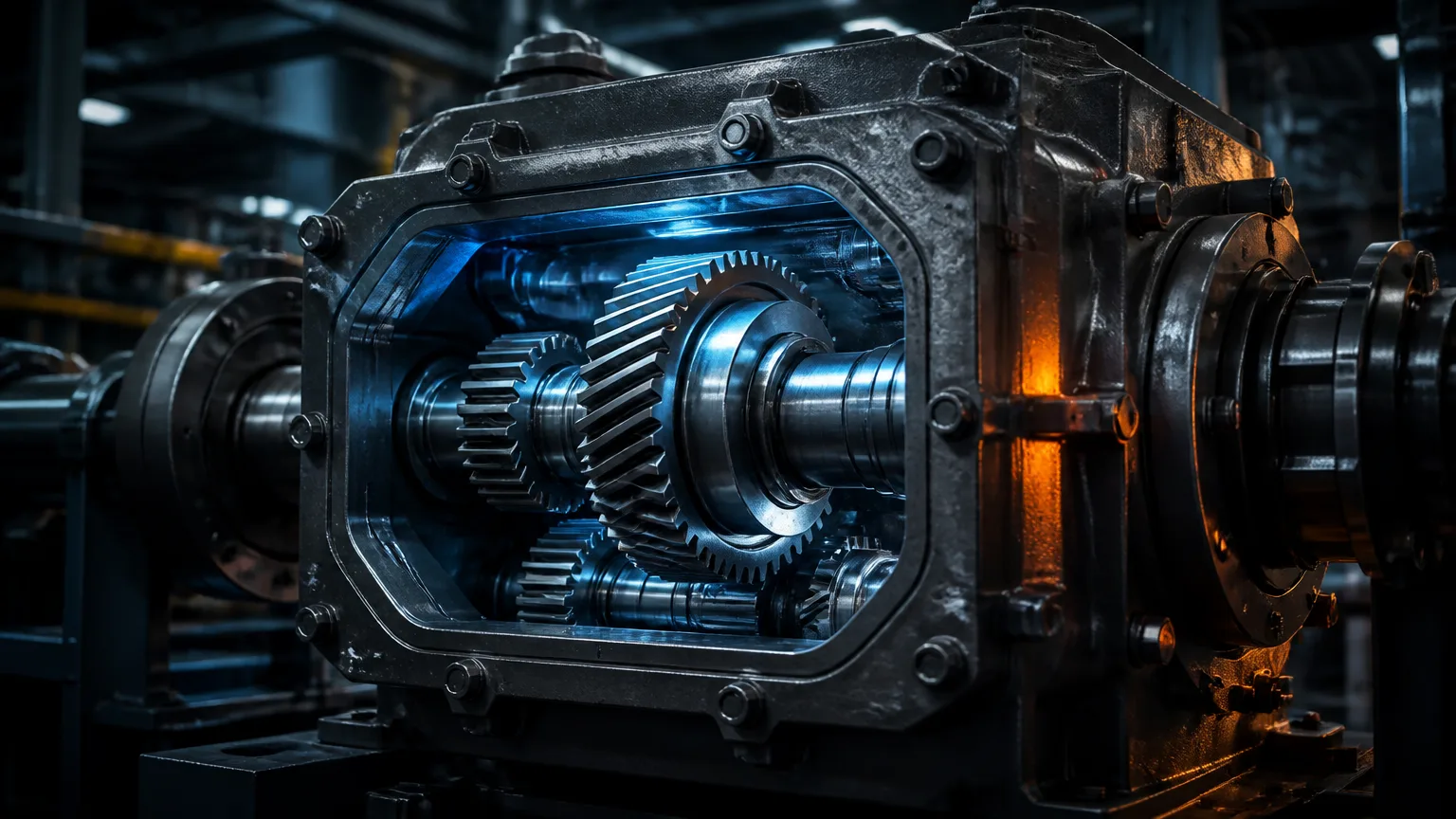
Gearbox efficiency is the share of input power that reaches the output as useful work. In equipment that runs long shifts, even a small efficiency gap can in…
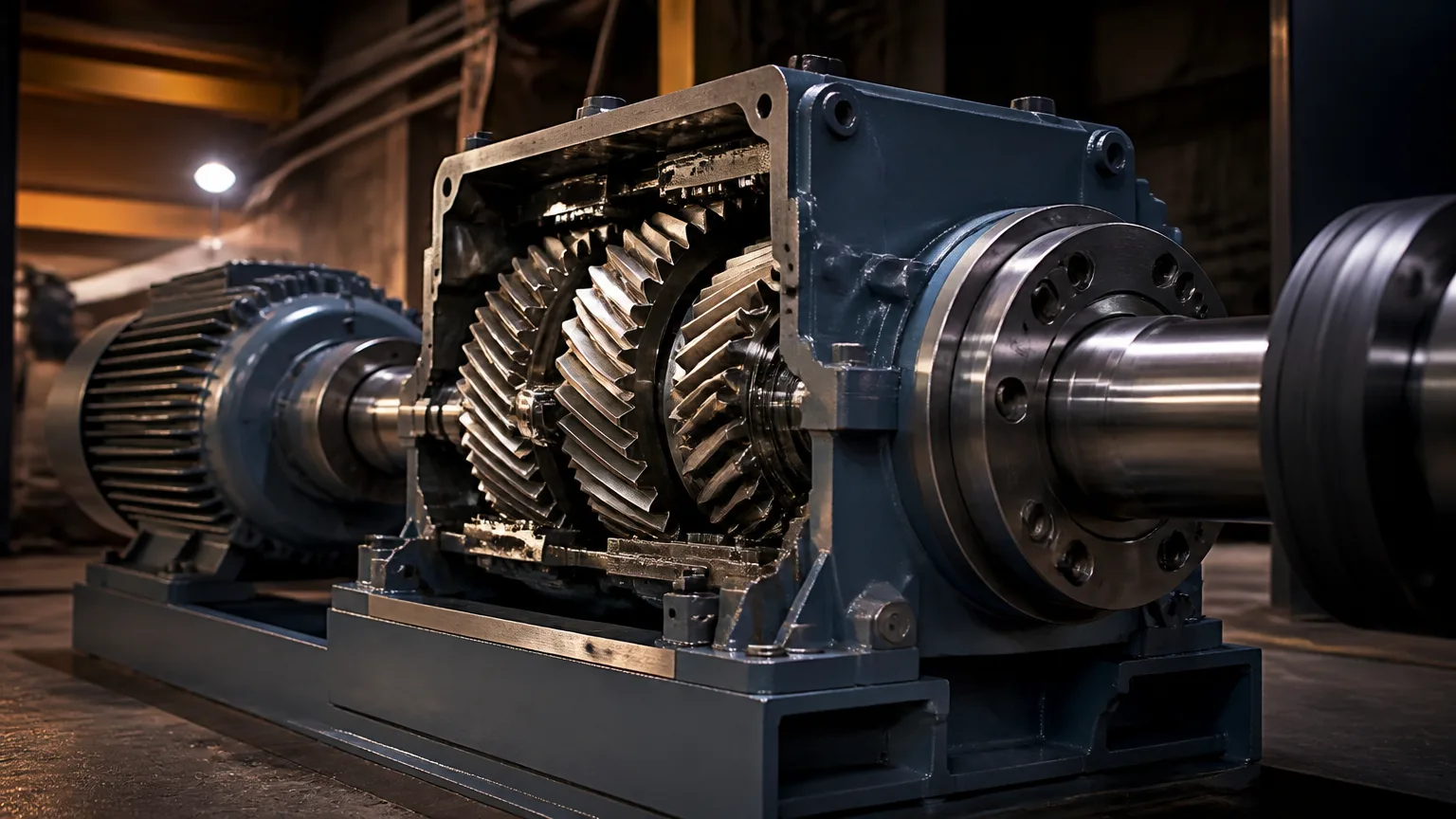
Correct gearbox torque sizing is essential to reliable operation and a good fit for industrial equipment. Whether you’re replacing a gearbox or checking an e…
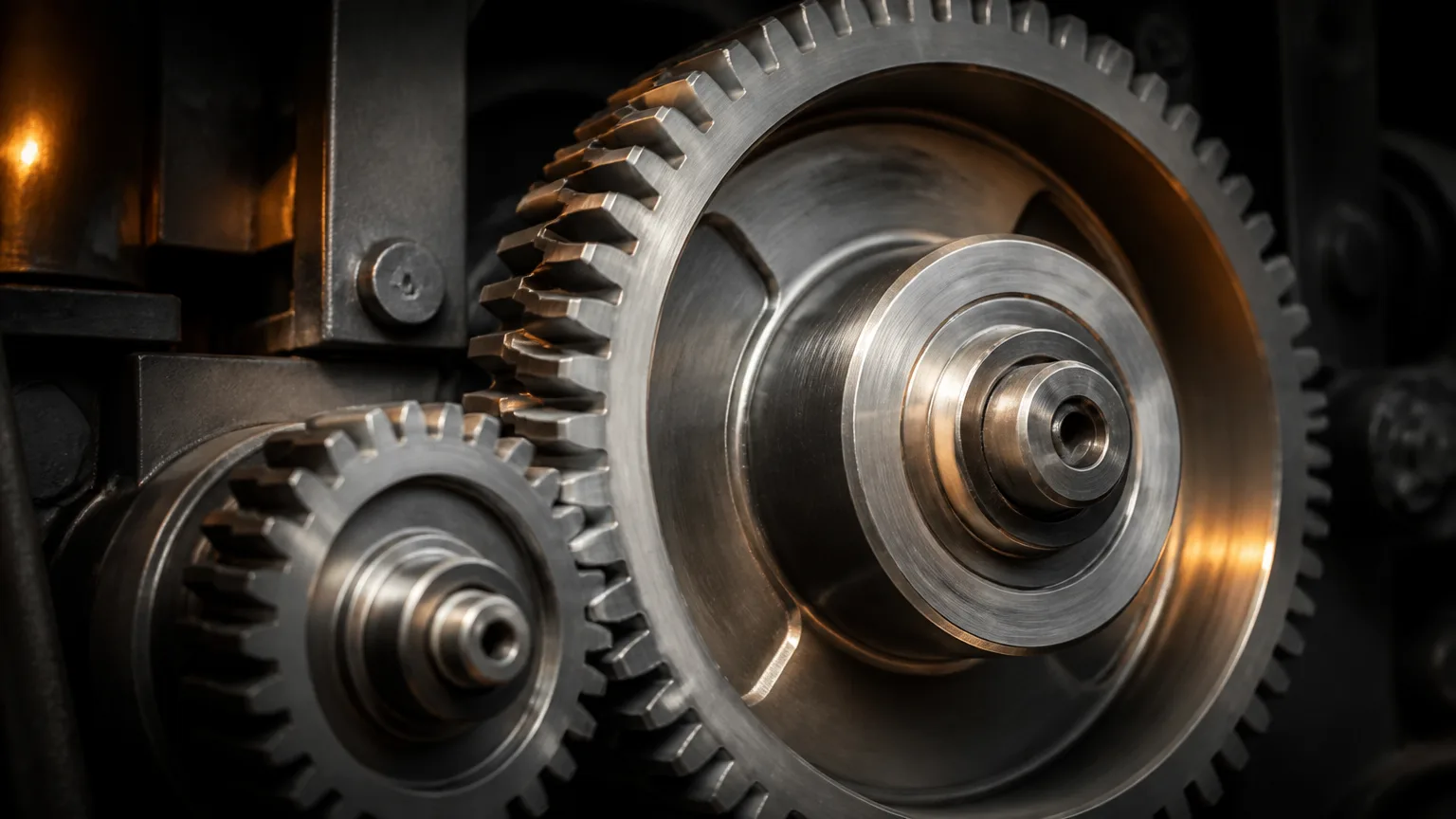
A gear ratio helps match a motor’s speed and torque to the demands of the driven machine. Reducing speed through gearing generally increases available torque…
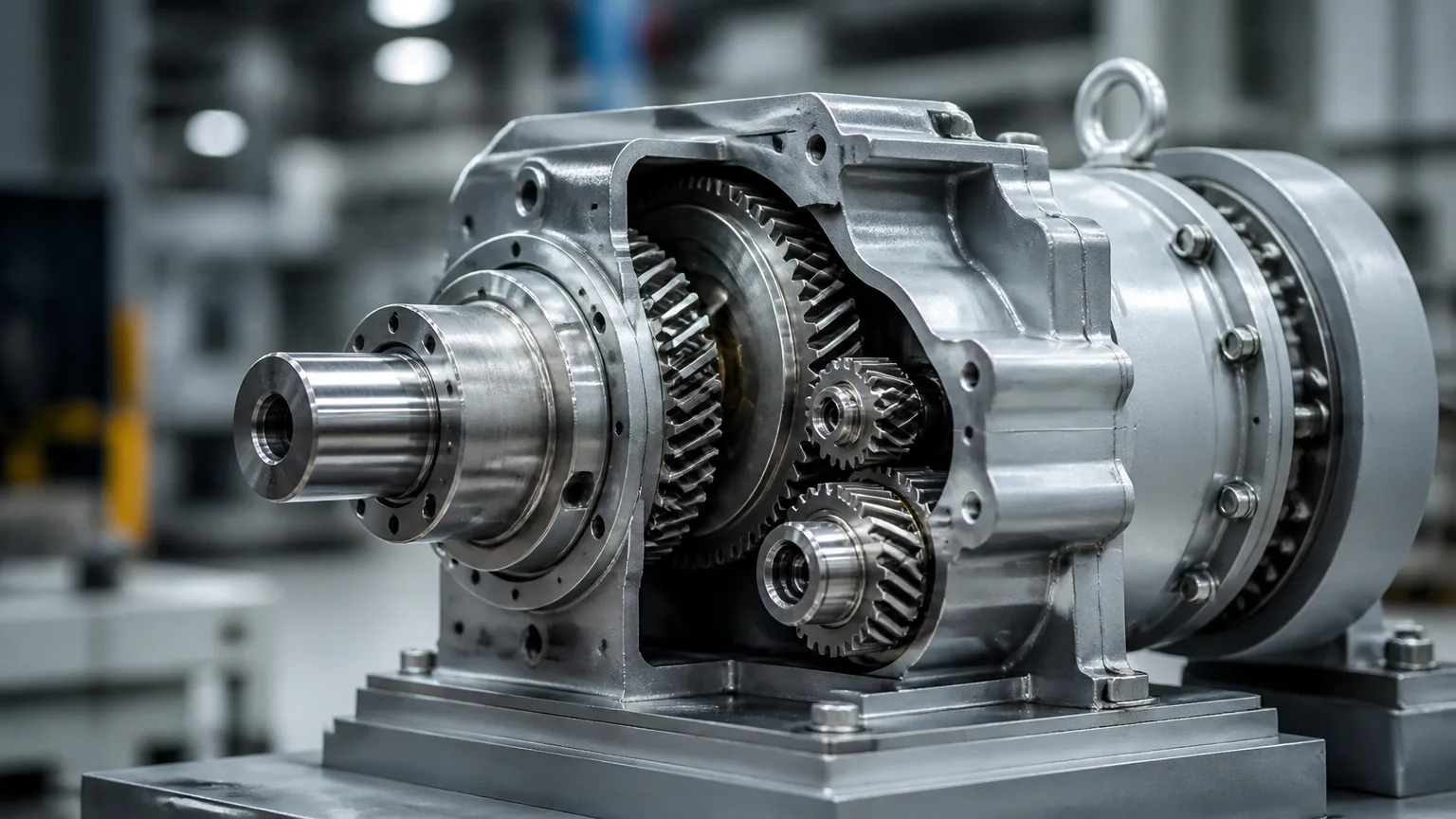
Precision gearing starts with the job the gearbox must do—not the numbers on its nameplate. The right unit supports reliable production, uses energy efficien…
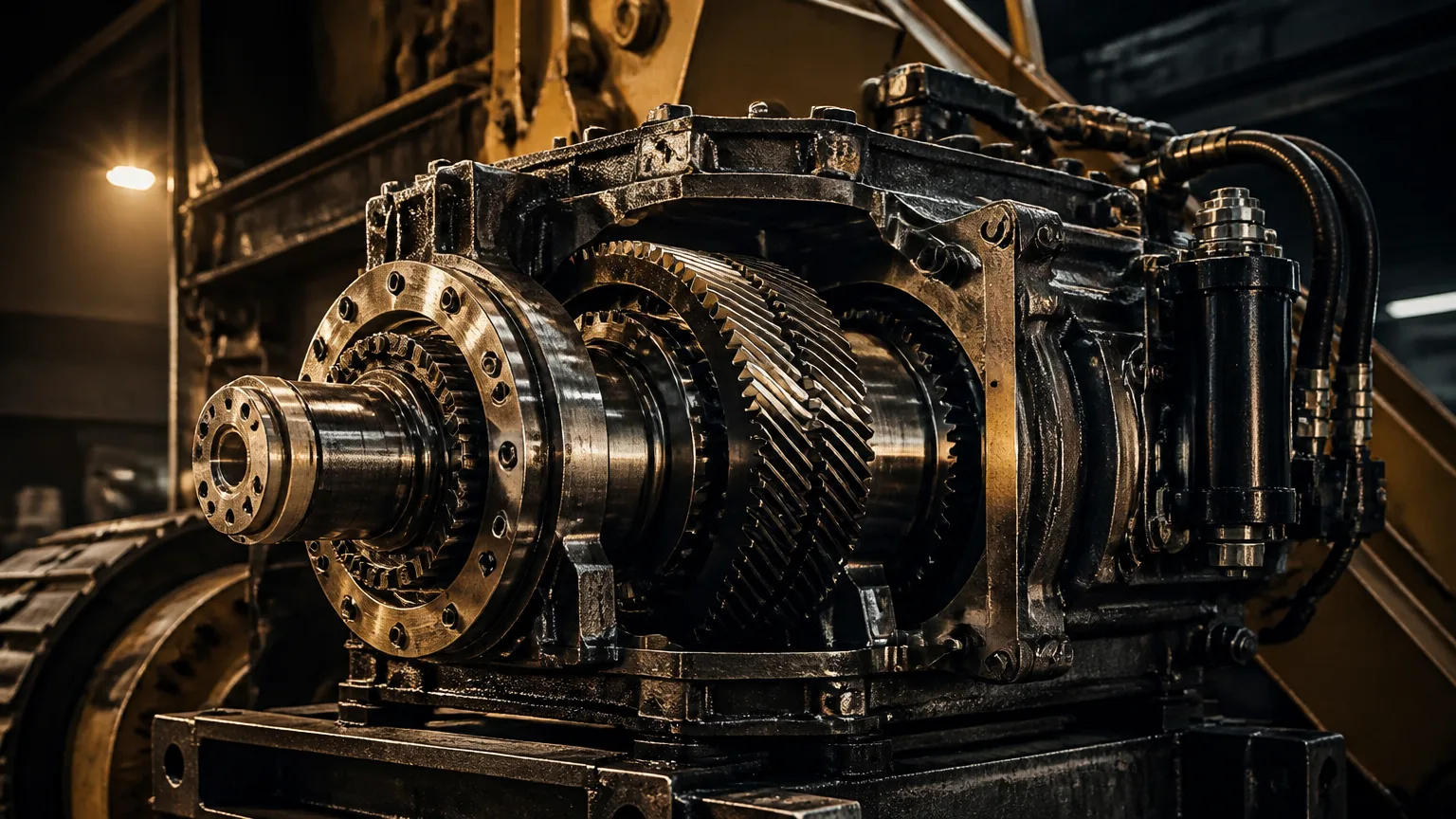
Heavy-duty machinery depends on gearboxes to transmit power, control speed, and manage torque under demanding conditions. Choosing the right unit directly af…
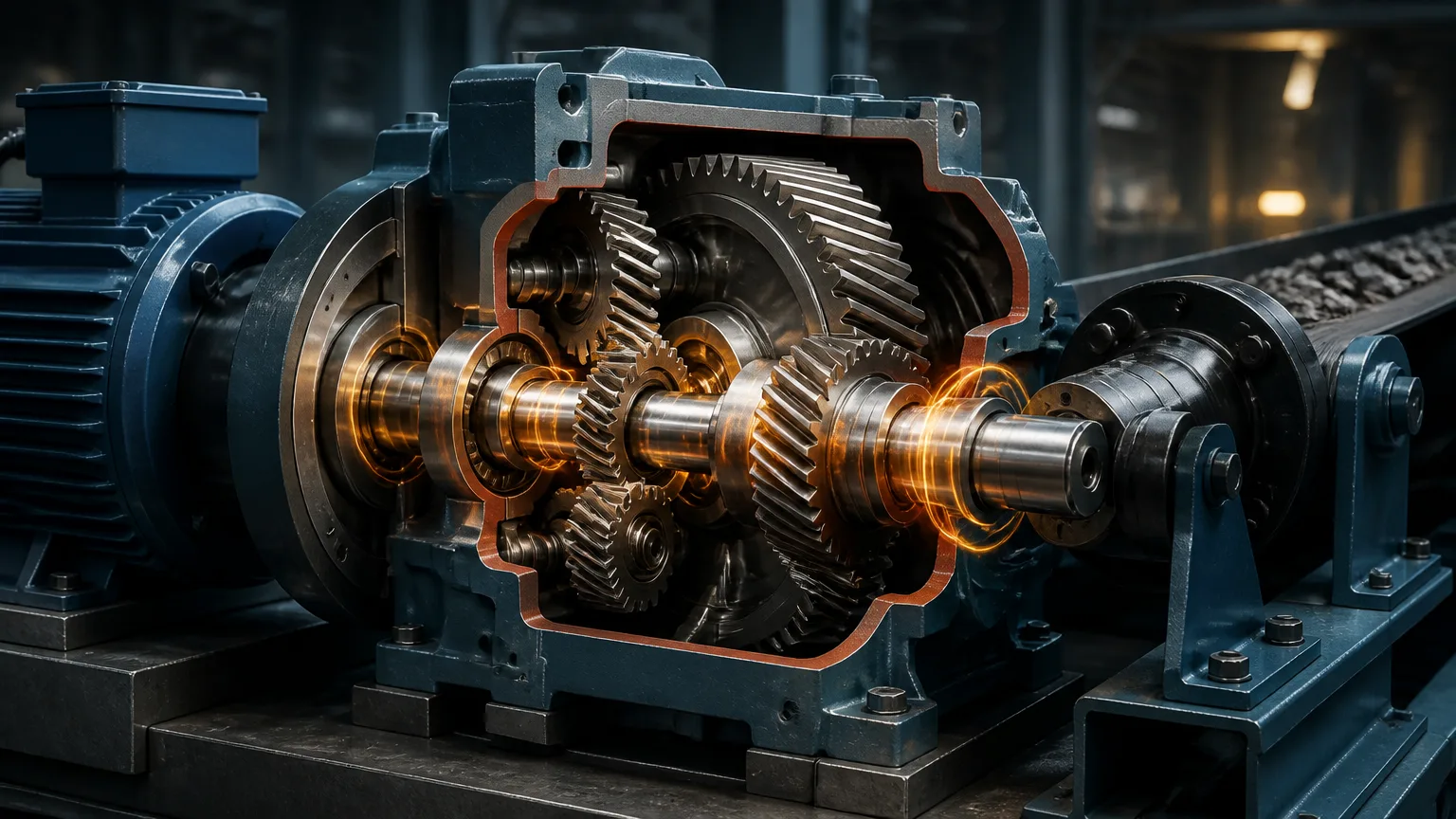
Torque calculation is a critical step when manufacturers and maintenance teams evaluate an existing gearbox or specify a replacement. Torque is the rotationa…
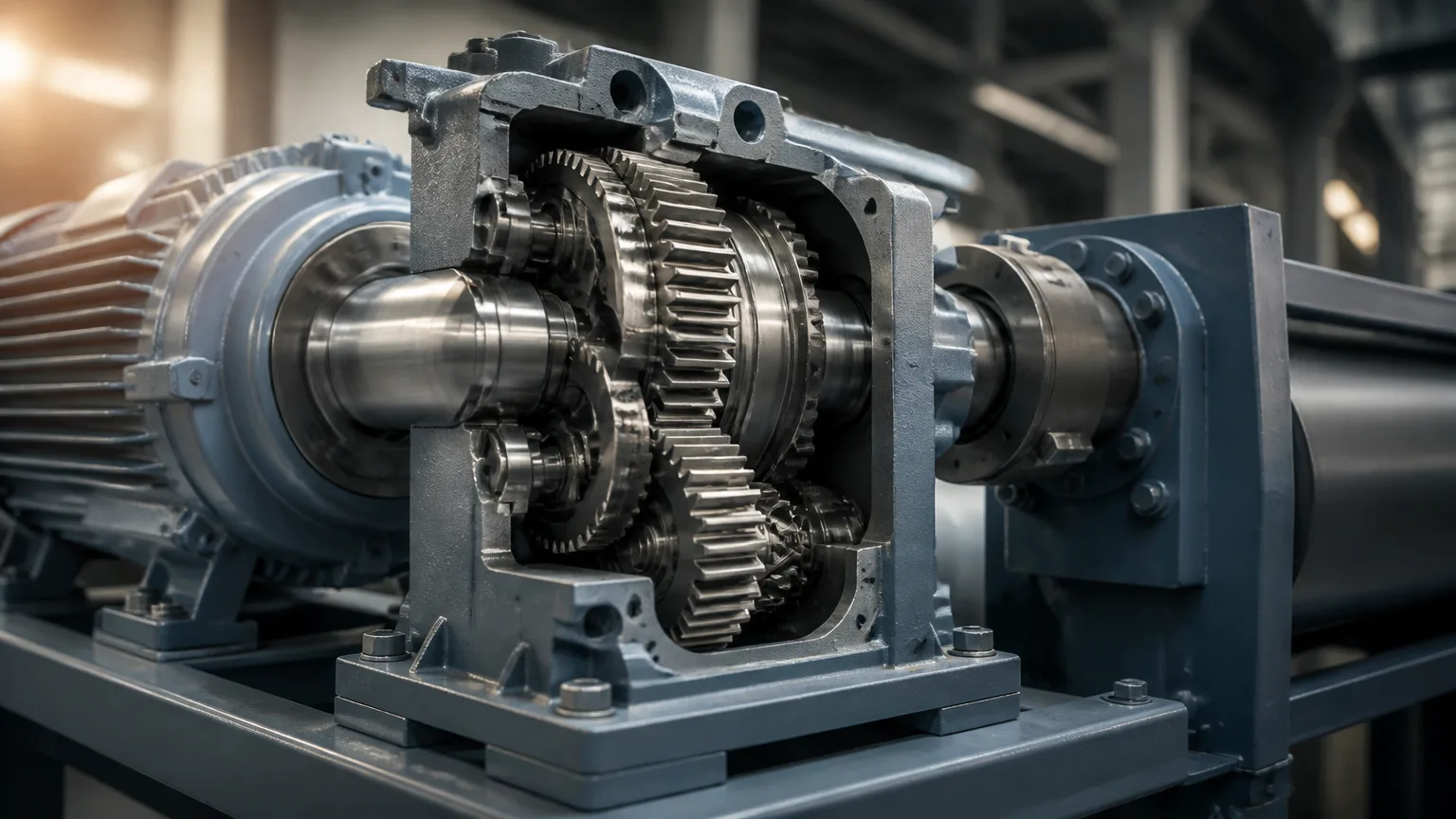
Gear reduction is a fundamental way to match motor performance with industrial equipment demands. It lowers output speed while increasing available torque, h…
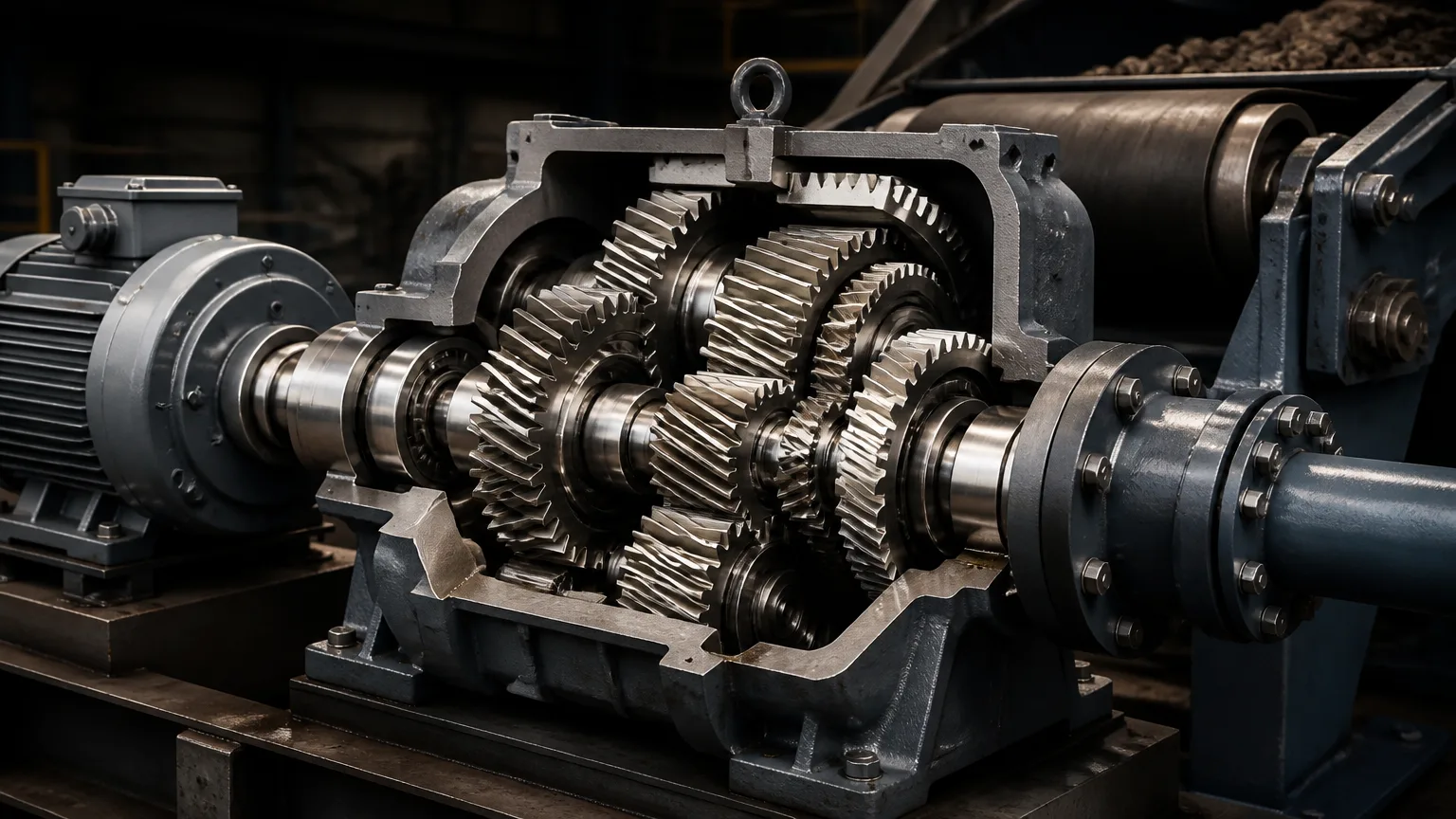
A mechanical transmission transfers and modifies power between a prime mover and industrial equipment. It controls speed, torque, direction, and motion throu…
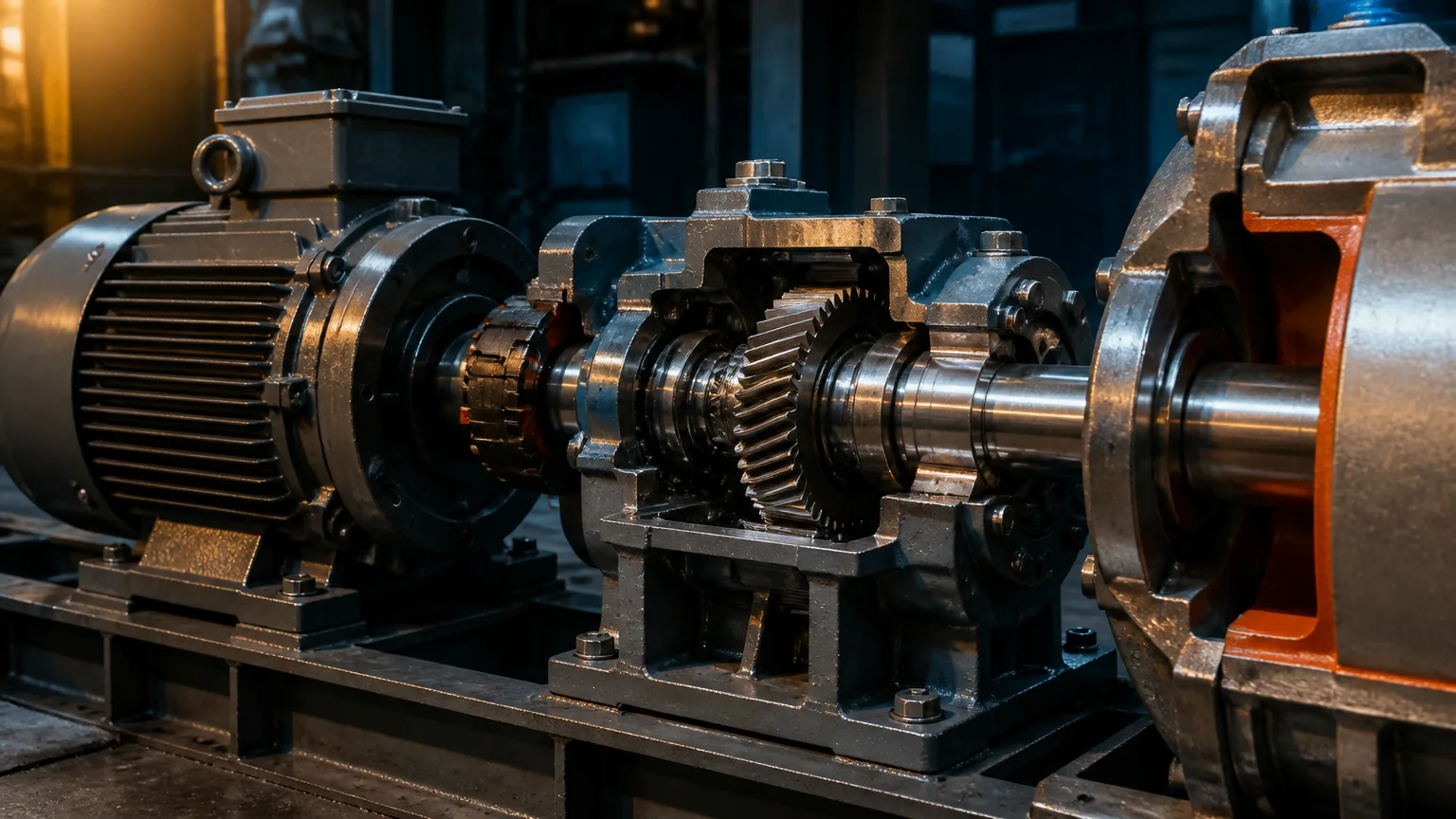
A drive mechanism transfers and controls power from a prime mover to industrial equipment. It typically includes the motor, coupling, gearbox, shafts, bearin…