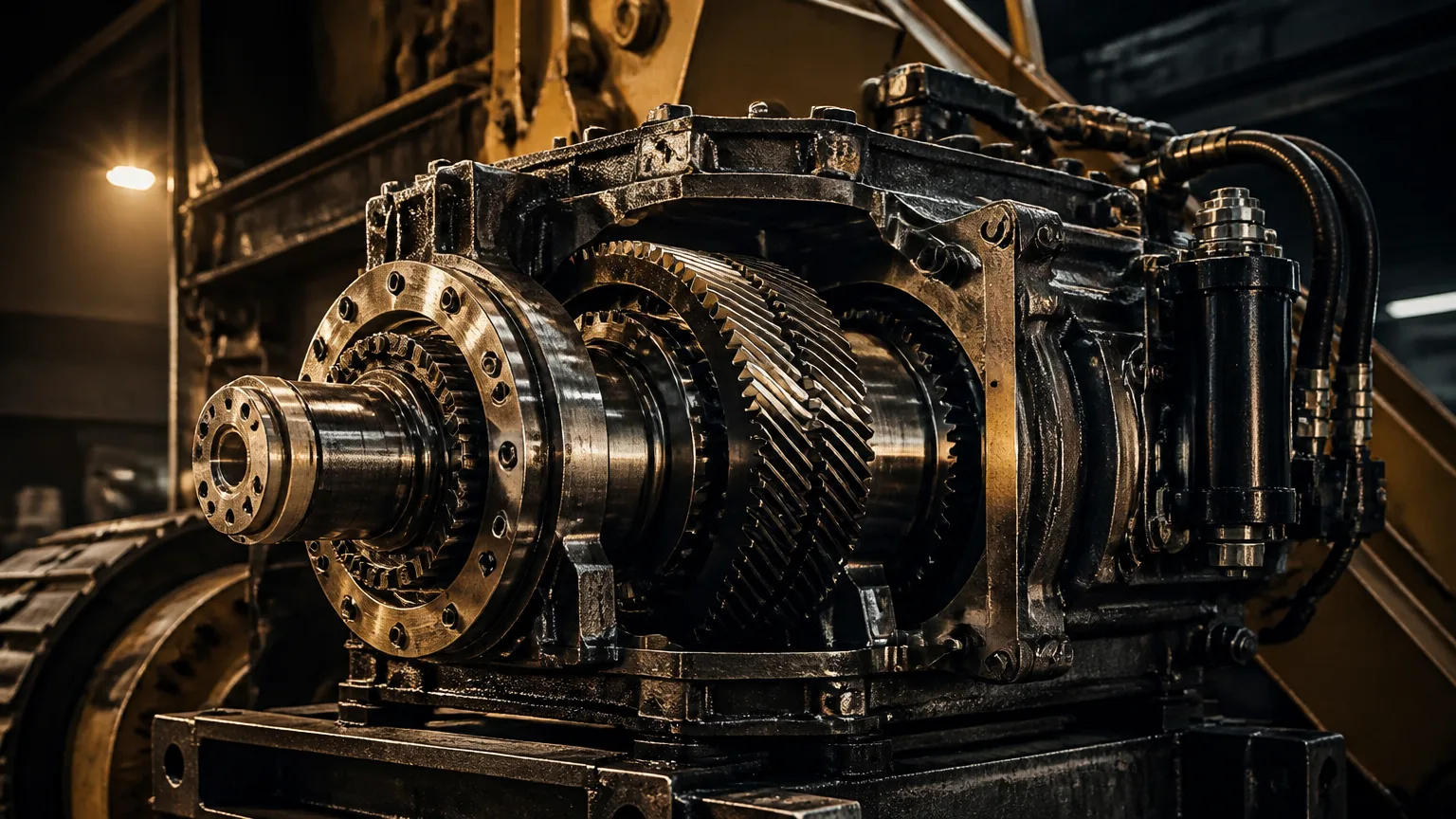
Heavy-duty machinery depends on gearboxes to transmit power, control speed, and manage torque under demanding conditions. Choosing the right unit directly affects uptime, operator safety, energy efficiency, and long-term repair costs. This guide from Industrial Gearbox Solutions explains how to evaluate the factors that matter most.
A gearbox must match the machine’s load, operating speed, duty cycle, environment, and maintenance requirements. Dust, heat, shock loads, and continuous operation can quickly expose a poor selection. We will also distinguish between repairing an existing gearbox and replacing it when limited capacity, poor availability, or severe wear makes continued service impractical. The goal is a reliable decision based on operating conditions—not brand recognition or initial price alone.
Start With the Machine’s Operating Requirements
Before comparing gearbox models, manufacturers should document how the equipment actually operates. This information provides the foundation for selecting a reliable mechanical transmission, rather than choosing by nameplate rating or purchase price alone.
Record these requirements:
- Input and output speed
- Required torque and horsepower
- Peak and shock loads
- Duty cycle and operating hours
- Start-stop frequency and reversing frequency
- Required service factor
Actual conditions matter. An intermittent conveyor may allow cooling periods, while continuous operation subjects gears, bearings, shafts, and housings to sustained heat and fatigue. Reversing applications increase backlash and impact stresses. High-impact equipment can transmit sudden loads through the drivetrain, requiring stronger components and a higher service factor.
Document peak loads, jams, acceleration demands, and load changes during production. Also account for planned capacity increases or future process changes. A gearbox sized only for current average output may become inadequate later.
An undersized unit can suffer premature gear wear, bearing failure, shaft damage, or housing cracks. An unnecessarily oversized gearbox may increase cost, footprint, and energy consumption. For heavy-duty machinery, the correct selection matches the gearbox to both normal operation and the most demanding expected conditions.
Match the Gearbox Design to the Application
Each gearbox arrangement solves a different combination of speed, torque, space, and installation demands. Helical gearboxes provide efficient, quiet power transmission and suit conveyors, mixers, pumps, and other heavy-duty machinery operating continuously. Their high efficiency limits heat generation, while straightforward shaft arrangements simplify coupling and guarding.
Bevel gearboxes change the drive direction, often by 90 degrees. They fit applications where the motor and driven shaft require perpendicular alignment, such as crushers, bucket elevators, and material-handling equipment. Parallel-shaft designs serve similar industrial duties when compact inline width, high torque, and flexible mounting are priorities.
Planetary gearboxes deliver high torque density in a relatively small housing. Their balanced load sharing makes them valuable for hoists, winches, mills, and mobile equipment. They often suit demanding duty cycles where efficiency and limited installation space matter. Backlash requirements, coupling compatibility, and precise positioning should still guide the final choice.
Worm gearboxes can provide compact, high-ratio reduction and convenient mounting orientation. They may suit lifts, conveyors, and indexing equipment with moderate efficiency demands. However, sliding contact creates more heat and lowers efficiency than many Cherry Burrell gearboxes using helical or planetary arrangements.
Before specifying a unit, confirm shaft direction, mounting position, available clearance, service access, and guarding. These physical factors can eliminate an otherwise suitable design. Select the arrangement that meets peak torque and reduction ratio without creating unnecessary heat, backlash, cost, or footprint.
Evaluate Materials, Environment, and Serviceability
A gearbox must withstand its actual environment, not just its rated load. Washdown areas require suitable enclosure ratings, corrosion-resistant coatings, and effective shaft seals. Dusty sites need protection against abrasive contamination, while chemical exposure or outdoor installation may require specialized coatings and sealed housings. Select lubricants for ambient temperature, load, and operating speed, especially where elevated temperatures can accelerate oil breakdown.
Vibration and shock loading also expose weaknesses in construction. High-quality bearings, durable gear metallurgy, and appropriate heat treatment improve fatigue resistance. A rigid housing helps maintain gear alignment and prevents premature wear, shaft damage, or cracking under heavy-duty machinery loads.
Serviceability should influence selection from the beginning. Confirm that technicians can reach inspection points, drain ports, breathers, and seals without removing surrounding equipment. Also verify:
- Recommended inspection intervals and lubrication procedures
- Local availability of bearings, seals, gears, and other replacement parts
- Complete installation, service, and troubleshooting documentation
Clear maintenance practices reduce avoidable downtime. A gearbox that is difficult to inspect or support can become a costly liability, even when its initial specifications appear suitable.
Decide Between Gearbox Repair, Rebuild, and Replacement
Professional evaluation is warranted when heavy-duty machinery shows abnormal noise, rising temperature, contaminated oil, vibration, backlash, leaks, or declining output. These symptoms may indicate bearing wear, gear damage, poor lubrication, misalignment, or overloading. A diagnostic inspection should confirm the source of the failure before purchasing parts or a new unit.
Use the inspection findings to compare practical options:
- Repair: Replace limited components when the housing and major interfaces remain sound.
- Rebuild: Restore gears, bearings, seals, and shafts when the core structure is serviceable. A specialized Raymond mill gearbox repair program, for example, applies application-specific knowledge to deliver dependable restoration rather than a temporary fix.
- Replace: Choose a new gearbox when the unit is obsolete, severely damaged, chronically overloaded, or difficult to support.
Cost matters, but lead time and operational risk matter equally. A rebuild may reduce downtime and preserve a proven installation, while replacement can provide better efficiency, capacity, and parts availability. Before installing either option, complete a failure analysis. Correct alignment, lubrication, load, and coupling problems first, or the replacement may fail for the same reason.
Build a Gearbox Decision Around Total Reliability
For heavy-duty machinery, gearbox selection should reflect the complete duty profile—not just rated power. Confirm load calculations, gearbox design, environmental protection, serviceability, and access for inspection and lubrication. Also plan whether future repairs or replacement offer the better lifecycle outcome.
When specifications are incomplete, loads are severe, or failure could interrupt production, involve a qualified gearbox specialist. Their guidance can prevent repeated failures caused by incorrect sizing, alignment, lubrication, or operating conditions.
The lowest upfront price is not always the lowest-cost solution. Downtime, repeat repairs, difficult parts sourcing, and premature replacement can quickly outweigh the initial savings. Choose the gearbox that delivers safe maintenance, predictable costs, and reliable service throughout its operating life.