Gear Reduction: How It Works and When You Need It
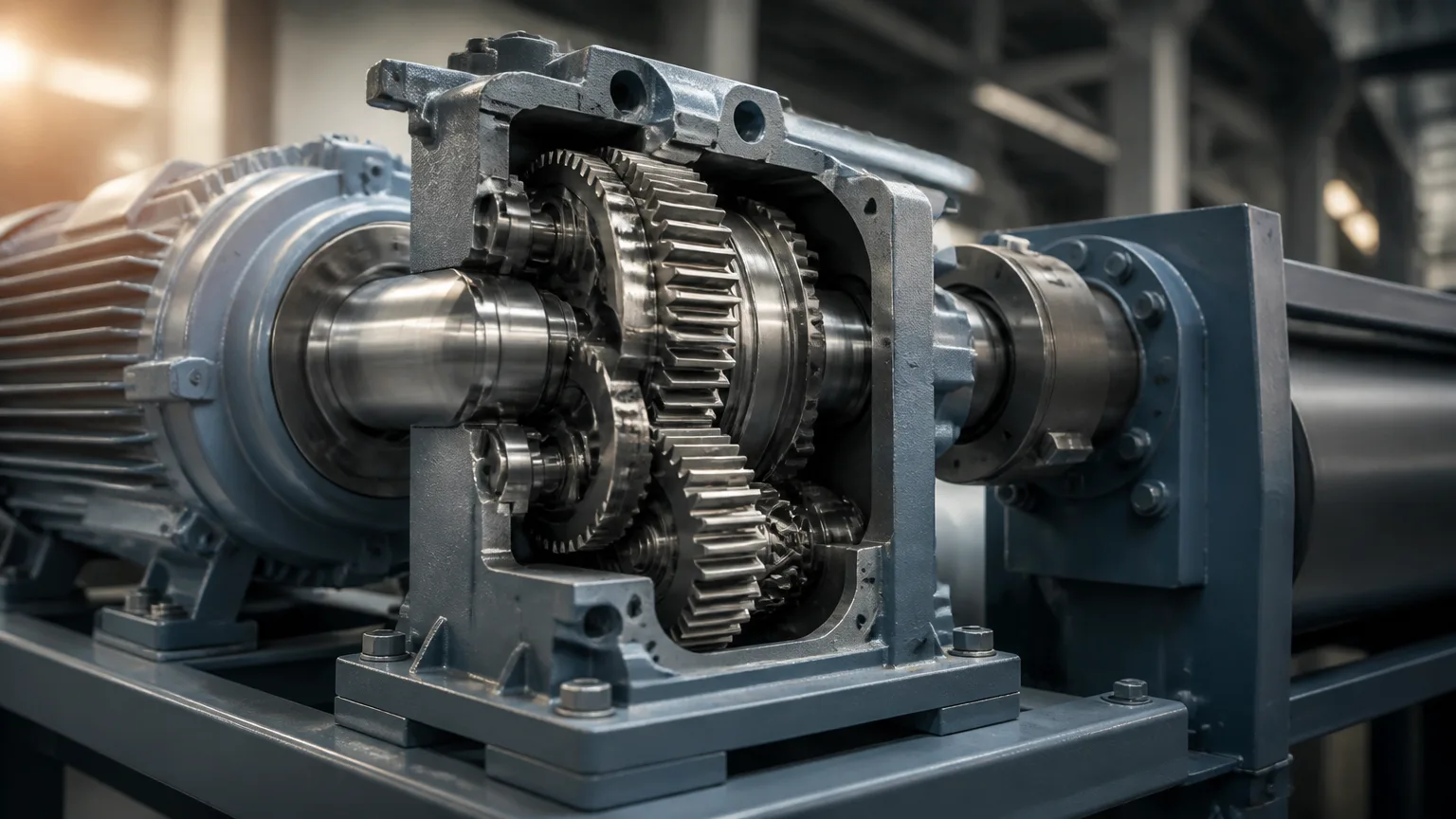
Gear reduction is a fundamental way to match motor performance with industrial equipment demands. It lowers output speed while increasing available torque, h…
Gear reduction is a fundamental way to match motor performance with industrial equipment demands. It lowers output speed while increasing available torque, h…
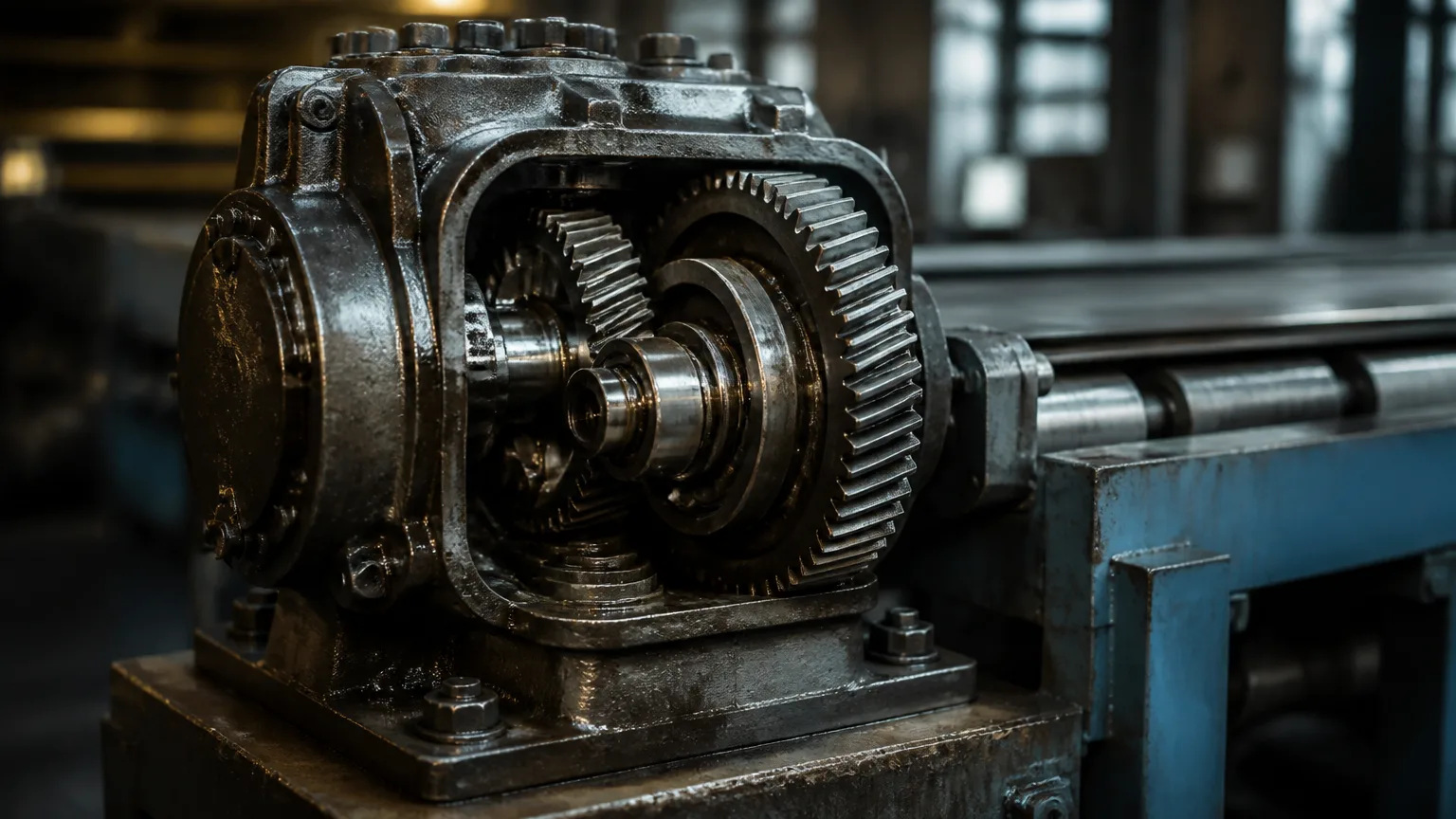
Heavy-duty gearboxes are critical power-transmission components in demanding industrial environments. They handle high torque, shock loads, heat, contaminati…
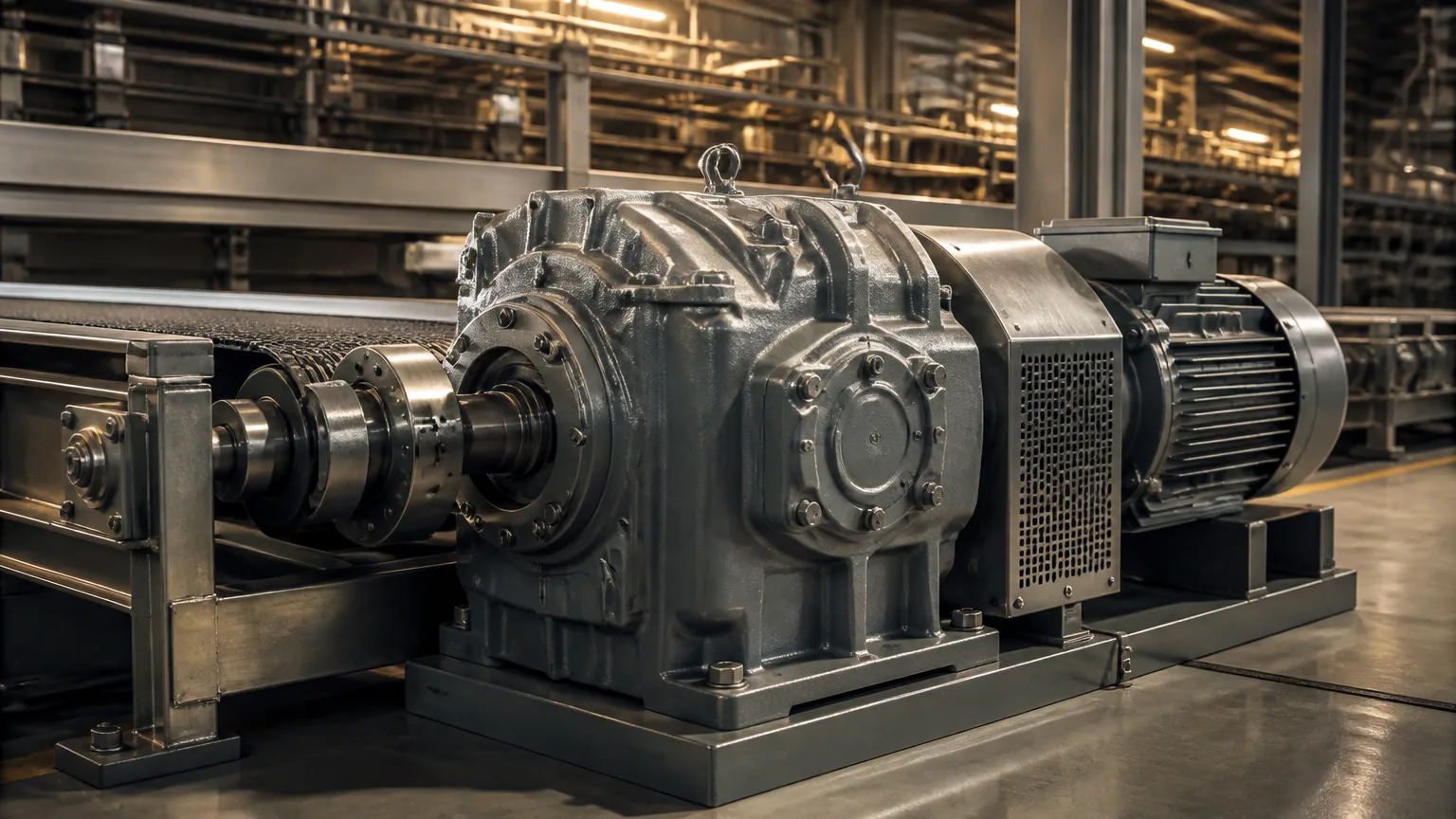
Choosing the right shop gearbox can protect production capacity, product quality, and maintenance budgets. Whether replacing failed equipment or specifying a…
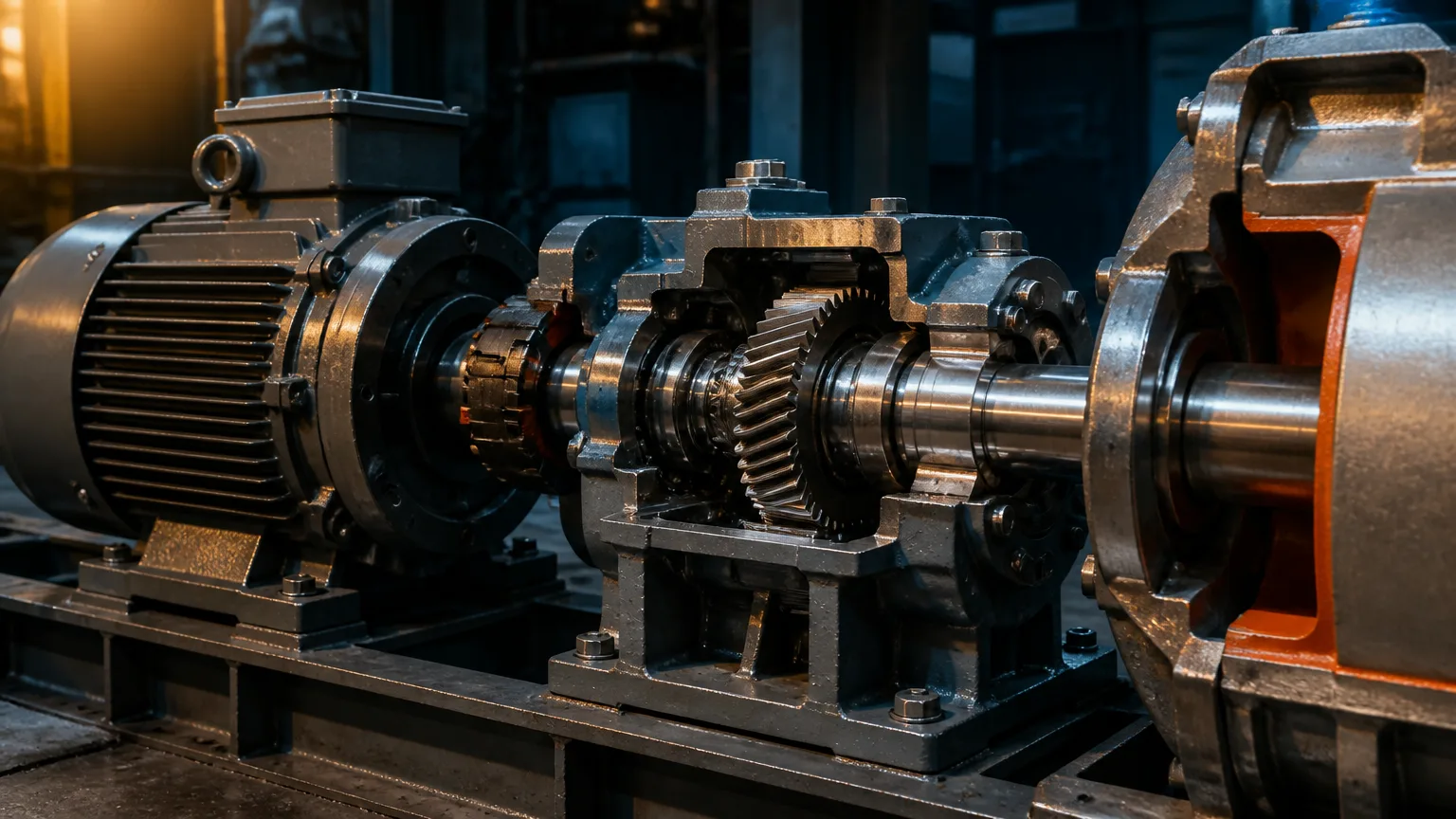
A drive mechanism transfers and controls power from a prime mover to industrial equipment. It typically includes the motor, coupling, gearbox, shafts, bearin…
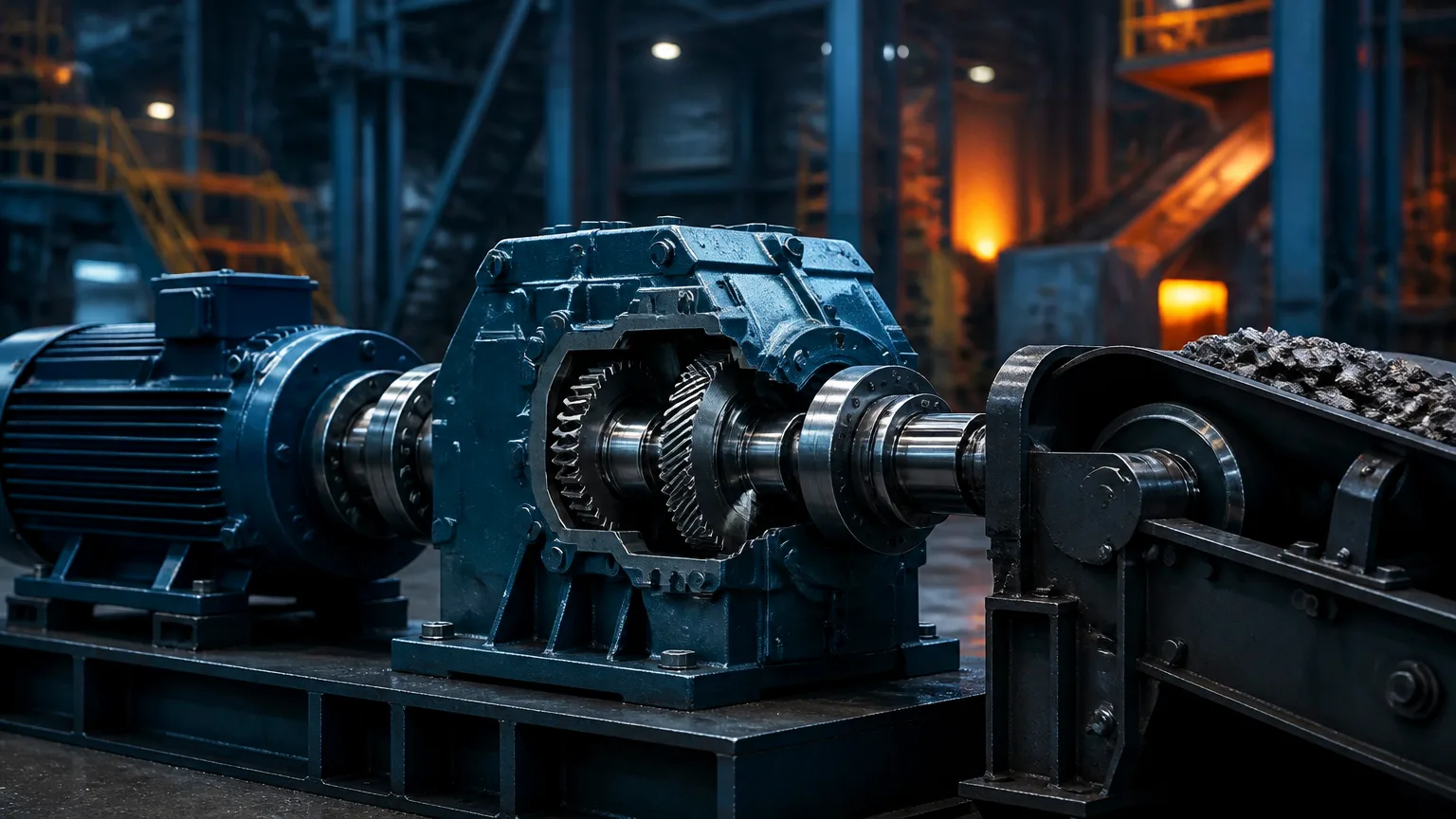
Reducer equipment plays a critical role in industrial power transmission. It lowers motor speed while increasing usable torque, enabling conveyors, mixers, p…

When a motor runs efficiently at one speed but connected equipment needs a different speed and torque, gear ratios provide the solution. A gear ratio describ…
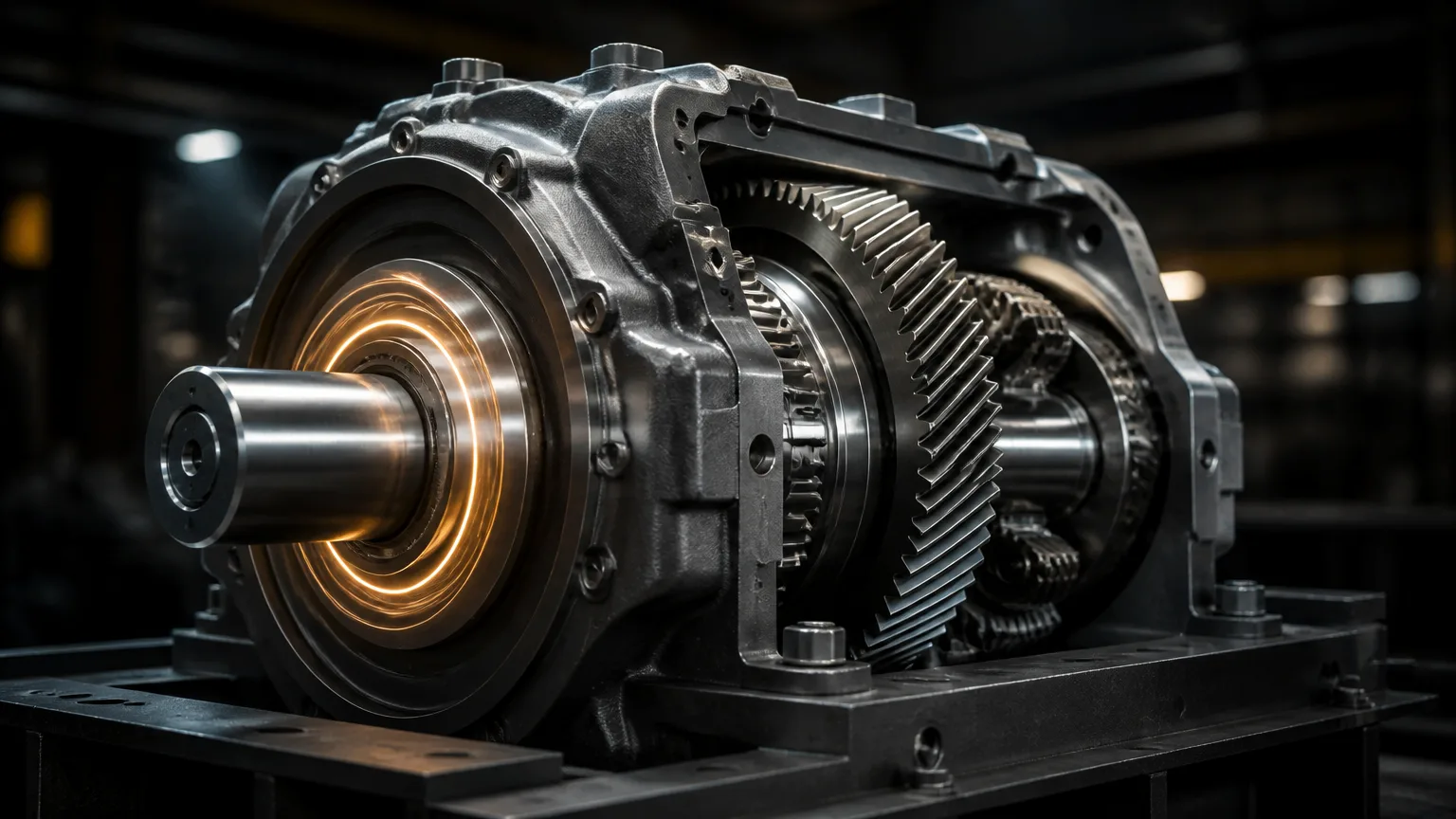
Torque capacity is the twisting force a gearbox can transmit continuously and during short-term operating demands. It is a primary selection criterion, yet h…
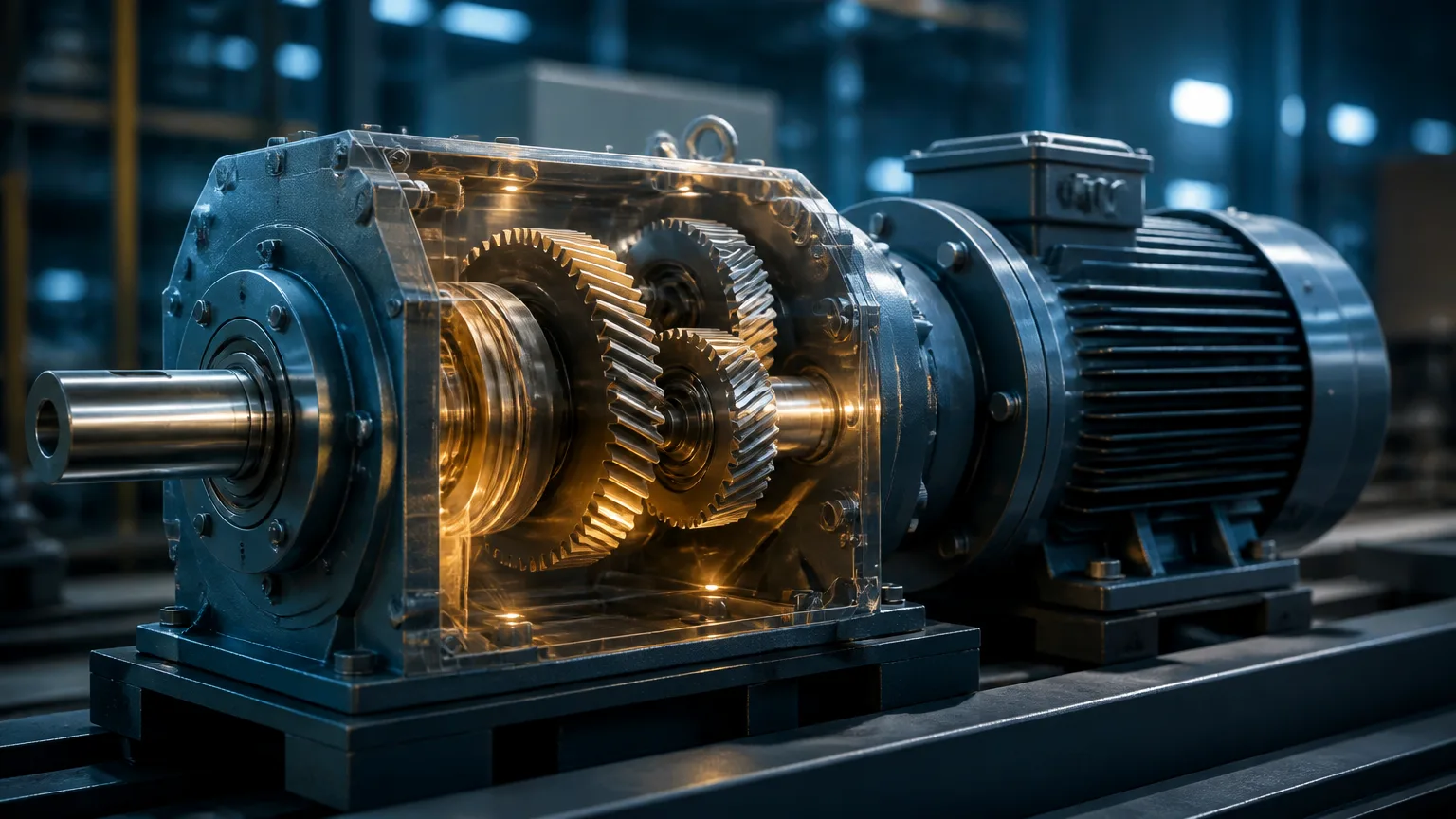
Power transmission depends on the gearbox to transfer motor power, reduce speed, and increase usable torque. This makes the gearbox central to production upt…

Heavy-duty gearboxes are vital components in many industrial operations, directly influencing machinery efficiency and overall productivity. These robust sys…

Cone drive gearboxes are critical components in various industrial applications, designed to efficiently transmit power and torque. These gearboxes feature a…