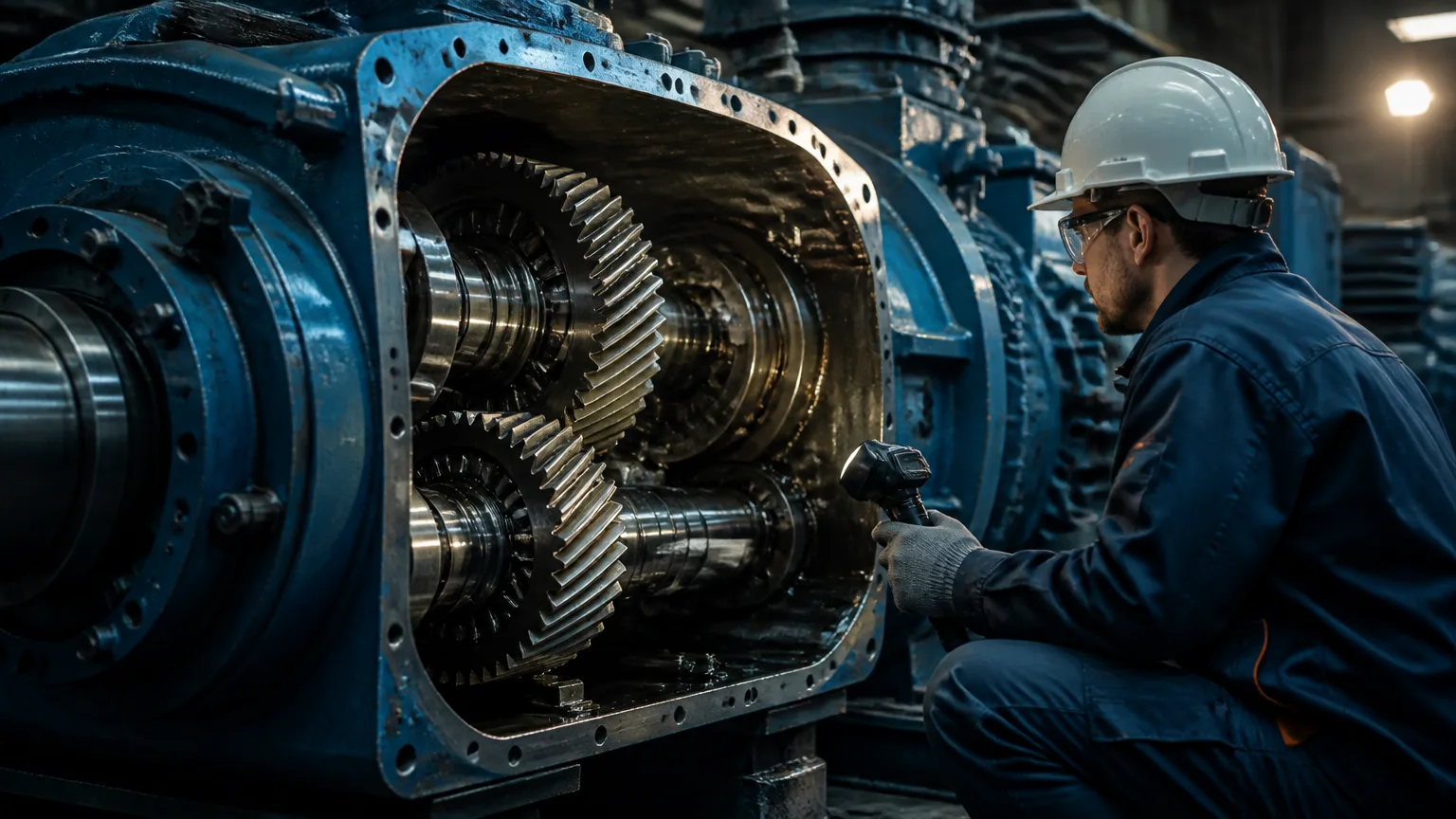
A Tandler gearbox is a critical component in many industrial drive systems, transferring power reliably under demanding conditions. When unusual noise, vibration, heat, oil leakage, backlash, or declining output appears, these signs may indicate developing gearbox problems—not isolated symptoms.
For maintenance managers, plant engineers, and procurement teams, deciding between repair and replacement can directly affect uptime, safety, lifecycle cost, and equipment compatibility. This guide provides a practical framework for evaluating service options, controlling costs, and reducing the risk of unplanned downtime with support from Industrial Gearbox Solutions.
Before authorizing any work, a qualified industrial gearbox specialist should confirm the failure mode. Accurate diagnosis helps determine whether components can be restored, whether a complete replacement is more reliable, and which specifications must be preserved. The right decision protects production while supporting long-term drive system performance.
Recognizing Tandler Gearbox Failure and Diagnosing the Cause
Early warning signs can reveal developing problems in a Tandler gearbox before a sudden shutdown. Rising noise or vibration may indicate bearing wear, gear damage, shaft movement, or coupling misalignment. A rapid temperature increase often points to overload, inadequate lubrication, or excessive friction.
Technicians also inspect the lubricant and housing for evidence of failure. Metal particles, discoloration, or water contamination can signal tooth or bearing damage. Oil around seals may indicate seal deterioration, pressure changes, shaft runout, or misalignment. Visual inspection should check gear tooth pitting, scoring, cracking, and abnormal wear patterns.
Diagnosis must consider more than the damaged component. Specialists review operating history, load demands, speed, duty cycle, installation alignment, and maintenance records. They may use vibration analysis, temperature measurements, lubricant sampling, backlash checks, and shaft-movement testing to confirm the failure mode.
This root-cause process determines whether repair or replacement is appropriate. Replacing damaged gears without correcting contamination, coupling misalignment, excessive loading, or poor lubrication can cause repeat failure. Following established maintenance practices to prevent gearbox failure supports more reliable operation and helps protect the replacement investment.
What a Professional Tandler Gearbox Repair Involves
A professional Tandler gearbox repair begins with safe removal from the drive system. Technicians then clean the unit, record its condition, and document each disassembly stage. This process preserves evidence of the failure and supports accurate reassembly.
During inspection, specialists measure gears, shafts, bearings, housing bores, backlash, and alignment surfaces. They also examine seals and lubrication paths for wear, blockage, or contamination. Non-destructive examination may identify cracks or hidden defects in critical components.
The repair scope depends on these findings. It may include replacing bearings and seals, repairing or replacing shafts, refurbishing or replacing gears, correcting housing damage, and adjusting backlash. Technicians also restore lubrication paths and fill the gearbox with the specified lubricant.
Before return to service, the repaired gearbox undergoes controlled testing. This may include rotation checks, leak inspections, vibration monitoring, temperature checks, and load testing where appropriate. These essential steps for successful gearbox repair help verify reliable operation.
Request a written repair report before accepting the unit. It should identify failed components, recorded measurements, replacement parts, workmanship, testing performed, and any recommended operating limits. This documentation supports maintenance planning and protects the long-term performance of the tandler gearbox.
When Tandler Gearbox Replacement Is the Better Option
Replacement may be more practical when the gear train has extensive damage, the housing is cracked or distorted, or severe contamination has reached critical components. Unavailable parts, obsolete designs, repeated previous repairs, and repair costs approaching replacement value are also strong warning signs.
A replacement Tandler gearbox must match more than the existing unit’s external dimensions. Confirm the ratio, input and output speeds, torque rating, service factor, mounting arrangement, shaft configuration, rotation, thermal capacity, and duty cycle. A dimensional match can still fail if its rating or operating conditions differ.
Verify every interface before ordering. Check motor or drive compatibility, coupling dimensions, lubrication requirements, guarding, and available installation space. Consider access for lifting, alignment, oil filling, inspection, and future maintenance.
When production is at risk, emergency gearbox repair may provide temporary support while sourcing a suitable replacement. However, do not select a unit solely because it is available quickly. Review the failure evidence and operating history to ensure the new gearbox addresses the original cause, including overload, misalignment, contamination, or inadequate lubrication. This approach reduces installation delays and helps prevent another costly failure.
Planning Costs, Lead Times, and Installation Without Disrupting Production
Compare the total lifecycle cost before choosing a Tandler gearbox repair or replacement. A workshop quote is only one part of the budget. Include freight, removal, installation, alignment, oil, testing, lost production, expedited parts, and future maintenance exposure.
Repair may cost less initially, but replacement can offer a longer service interval or better parts availability. Conversely, a well-documented rebuild may preserve a proven housing and reduce installation changes. Review these gearbox rebuild steps, costs, and key benefits when comparing refurbishment options.
Improve quotation accuracy and lead-time planning by supplying:
- The nameplate, drawings, photographs, failure history, operating data, and complete interface requirements, including shaft dimensions, mounting details, couplings, lubrication, and instrumentation.
Build contingency into both schedule and budget. Allow for unexpected internal damage, factory acceptance or run testing, spare parts, and suitable lifting equipment. Reserve time for installation alignment and post-installation vibration and temperature checks. Coordinating these activities during a planned outage helps prevent commissioning delays and limits production disruption.
Selecting the Right Tandler Gearbox Solution
Choose the solution through a disciplined process: document symptoms, identify the root cause, inspect the unit, and compare repair and replacement using total cost and risk. After installation, verify alignment, vibration, temperature, and operating performance.
Condition monitoring and planned maintenance should remain part of the solution, not follow-up tasks. Engage a qualified specialist for a condition-based assessment and a clearly scoped repair or replacement proposal that supports dependable, long-term gearbox performance.