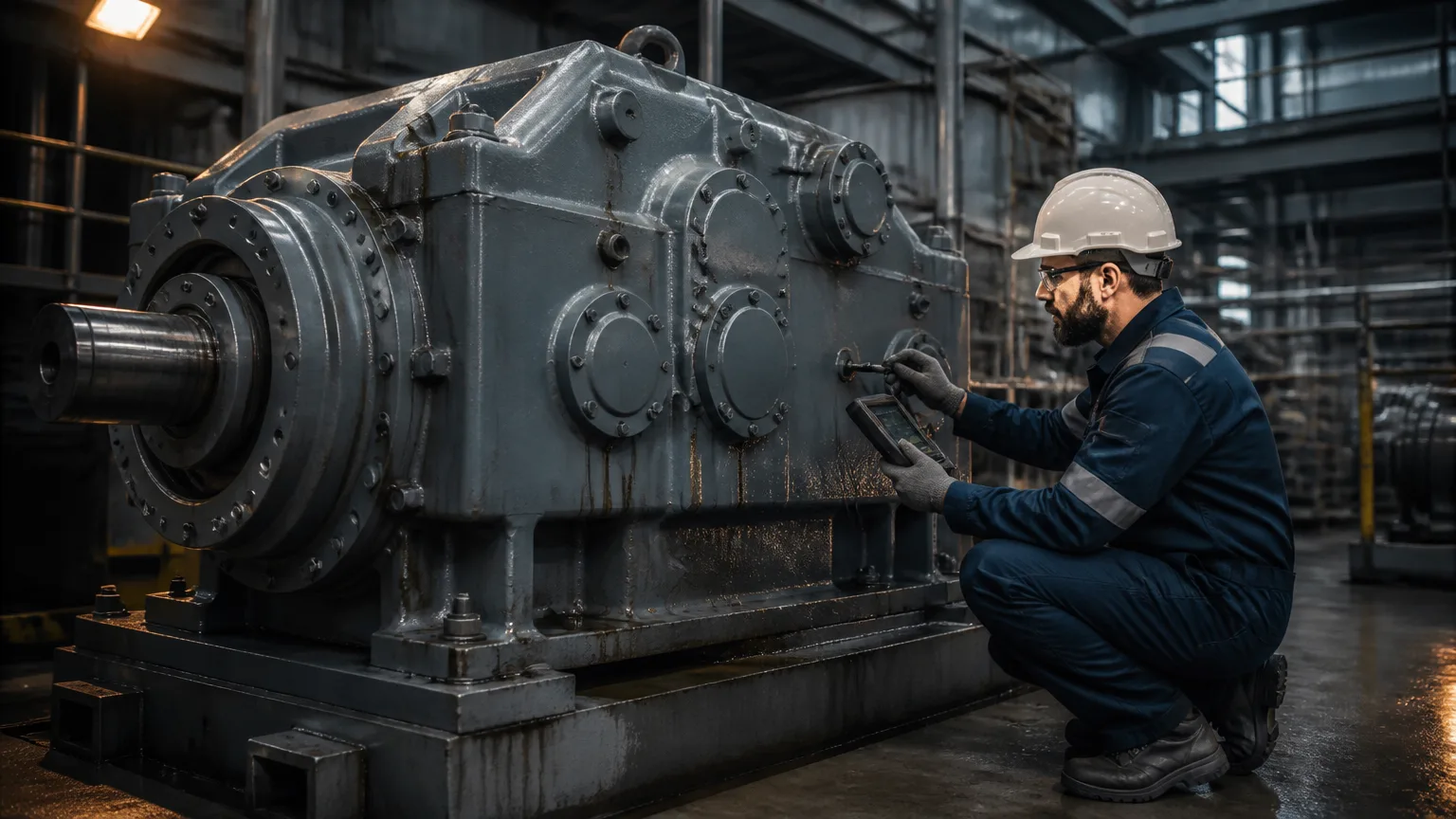
Santasalo gearboxes support demanding industrial processes, where reliable torque transmission keeps production moving. Santasalo gearbox repair is not just a response to failure; timely attention can protect output, reduce downtime, and prevent damage to connected equipment. Working with experienced industrial gearbox solutions providers can help facilities assess concerns before they disrupt operations.
Early signs such as unusual noise, vibration, rising temperatures, or oil leaks deserve prompt investigation. The right service path depends on symptoms, inspection findings, parts availability, and the gearbox’s role in the process. This article explains what to watch for and how to approach repair decisions with reliability and production continuity in mind.
Warning Signs That a Santasalo Gearbox Needs Attention
Rising vibration or unusual noise can indicate a change in gearbox condition. A new rattle, grinding sound, or vibration that grows under load warrants prompt inspection. These symptoms may come from several sources, including misalignment, loose mounting, lubrication issues, or internal wear. Record when the change occurs, along with load, speed, and operating conditions.
Overheating also needs attention, especially if temperatures rise quickly or exceed normal operating levels. Check for lubricant leaks, low oil levels, or contamination such as water or metal particles. Discoloured or foamy oil can provide useful evidence, but does not identify a failed component on its own. Avoid assuming the cause before inspection.
Changes in output speed or torque may affect process performance and point to a gearbox or connected-system issue. Track when the change began and whether it varies with operating conditions. Worsening noise, rapid temperature increases, or visible damage can signal a risk of more extensive failure. Stop equipment and arrange an assessment if safe operation is in doubt; otherwise, seek prompt inspection before symptoms progress.
For Santasalo gearbox repair planning, clear operating records help technicians assess the problem and recommend suitable service options. The same symptom-led approach supports Rossi gearbox repair decisions: describe what changed, when it began, and how the unit was operating.
How Inspection Identifies the Cause of Gearbox Problems
A qualified service provider starts by connecting reported symptoms with the gearbox’s operating history. Technicians review lubrication practices, alignment, vibration readings, and temperature trends. This helps distinguish, for example, a lubrication issue from a developing bearing or gear problem.
Facilities can speed the assessment by sharing the gearbox model and serial details, duty conditions, maintenance records, and a timeline of symptoms. Note when the issue began, whether it is worsening, and any changes in load, noise, heat, or leakage. These details help technicians focus inspection and identify factors that may have contributed to the fault.
When external checks do not explain the symptoms, internal inspection may be appropriate. Technicians may examine gears, bearings, shafts, seals, and housings for wear, damage, or contamination. They also assess whether affected parts can be repaired or need replacement, and whether related components require attention.
The findings establish the likely cause, the extent of damage, and the work needed to return the unit to service. For santasalo gearbox repair planning, a clear assessment supports decisions about repair scope, parts availability, and downtime.
Santasalo Gearbox Service and Repair Options
Inspection findings help determine whether a focused repair or a broader rebuild is the better choice. The decision depends on the damage, the condition of related components, parts availability, and the gearbox’s operating demands.
Targeted work can suit localized damage when the rest of the unit remains serviceable. A repair may involve replacing worn bearings or seals, correcting alignment, restoring the lubrication system, or repairing or replacing damaged gearing. Addressing a specific fault can limit downtime, provided inspection confirms that other components are in acceptable condition.
A rebuild may be more appropriate when several components show wear or when damage is widespread. It can include replacing multiple parts and addressing related issues before they contribute to further failures. Comparing gearbox repair and replacement options can also help frame decisions when repair scope, service life, or availability raises questions.
Before authorizing santasalo gearbox repair, ask the service provider for a clear scope of work. Confirm expected parts and workmanship, what testing or validation will be completed, and the estimated turnaround. These details help set expectations and support planning for production downtime.
Repair or Replace: Choosing the Right Path
Inspection findings help clarify whether santasalo gearbox repair can restore reliable operation or whether replacement is the better choice. Compare the repair estimate and expected service life with the replacement unit’s cost, lead time, installation requirements, and likely production disruption.
Repair may be practical when damage is limited, required parts are available, and the unit can still meet operating demands. Replacement may make more sense if damage is extensive, critical parts cannot be sourced, or the gearbox no longer performs reliably under current conditions.
A replacement must suit the application—not just the available space. Verify fit, mounting, shaft arrangement, ratio, torque, speed, and duty requirements. Reducer equipment selection can help frame these checks, while understanding how speed reduction works in industrial machinery supports ratio decisions.
Finally, weigh downtime constraints against each option’s schedule. A suitable replacement may offer longer-term reliability, but sourcing and installation can extend the outage. A well-scoped repair may return the existing unit to service sooner.
Plan Service Around Reliability and Downtime
When warning signs appear, arrange an evaluation early rather than waiting for a breakdown to reveal the damage. Record symptoms, operating conditions, and when changes began so technicians can assess the gearbox with useful evidence.
Compare repair and replacement plans against equipment condition, service requirements, parts availability, and your production timeline. A sound santasalo gearbox repair decision balances reliability with the time the facility can afford to be offline.