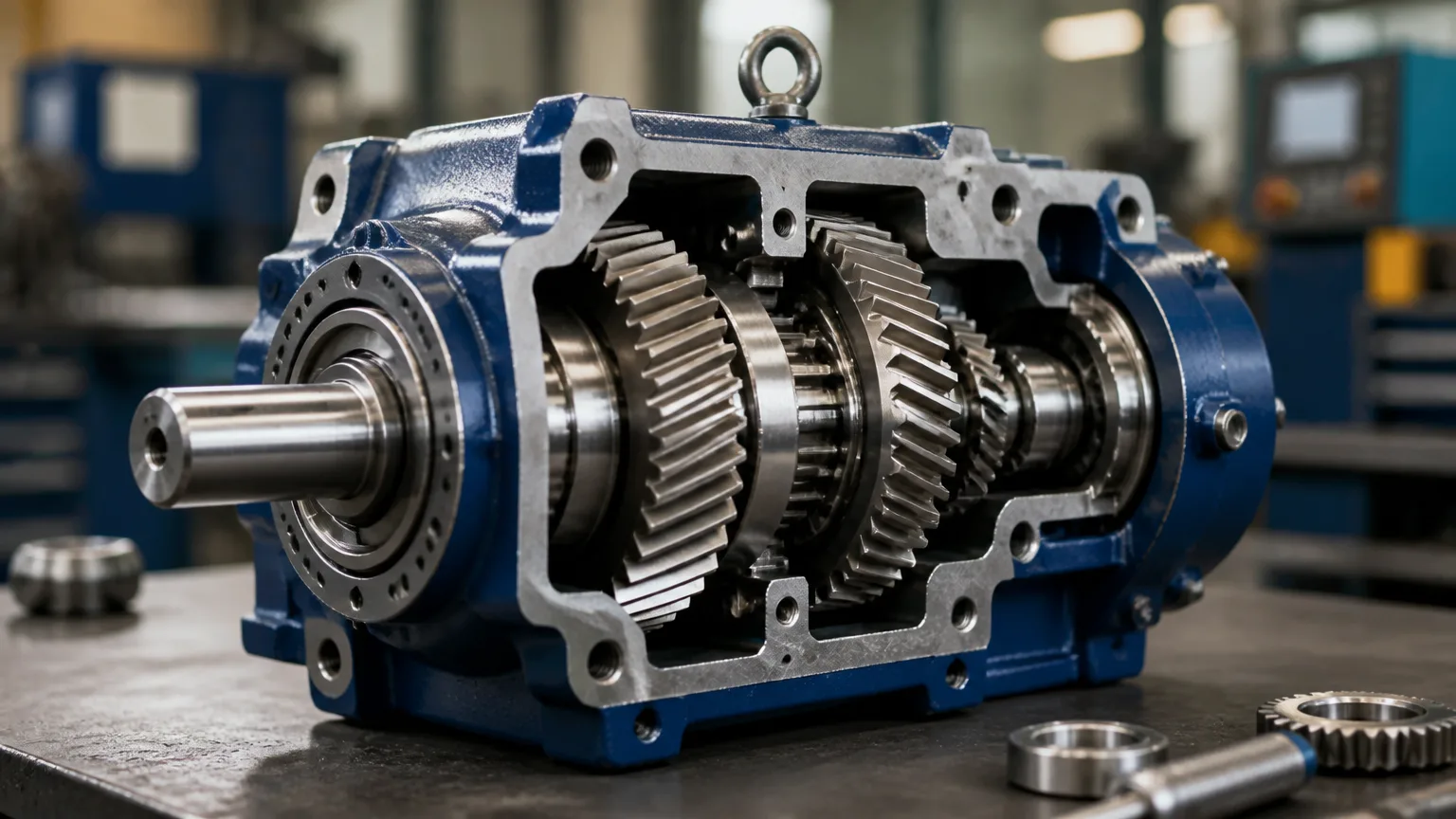
Reduction gearboxes are critical components in industrial systems, playing a pivotal role in optimizing machinery efficiency. By effectively managing torque and speed, these gearboxes enhance the overall performance of various applications, from conveyor systems to heavy machinery. Their ability to reduce the input speed while increasing the output torque makes them indispensable in settings where power and precision are paramount.
In many industrial environments, the demands on machinery are constantly evolving. A reduction gearbox can provide the necessary adjustments to meet these challenges, ensuring that equipment operates smoothly under varying loads. For instance, in applications requiring high torque at low speeds, a reduction gearbox is essential for maintaining operational stability.
Moreover, understanding the intricacies of these gearboxes can lead to better maintenance practices and longer equipment lifespan. For those looking to deepen their knowledge, you can explore more about different types of gearboxes in The Ultimate Guide to Helical Gearboxes for Manufacturers. Recognizing the importance of reduction gearboxes will not only enhance performance but also contribute significantly to the profitability of your operations.
1. Enhanced Torque Management
Reduction gearboxes are essential for optimizing the torque-to-speed ratio in heavy machinery. By increasing torque while reducing speed, these gearboxes provide better control and efficiency in demanding applications. For instance, in construction equipment, a reduction gearbox allows for high torque output, enabling machines to lift and move heavy loads with ease.
Moreover, reduction gearboxes help minimize the risk of mechanical failure under high load conditions. By effectively managing the torque, they prevent excessive strain on the system components. This not only enhances the performance of the machinery but also extends its lifespan, reducing downtime and maintenance costs.
In industries such as mining or manufacturing, where heavy-duty operations are common, the benefits of a reduction gearbox become even more evident. The ability to precisely control torque ensures optimal performance, allowing operators to achieve their production goals safely and efficiently. Investing in a reduction gearbox can therefore lead to significant improvements in operational reliability and productivity.
2. Increased Efficiency
A reduction gearbox significantly enhances operational efficiency by minimizing energy loss during operation. By converting high-speed input into lower-speed output, these gearboxes optimize the power transfer within your system. This efficiency leads to improved fuel and energy consumption, which is crucial in today’s cost-sensitive environment.
For instance, in applications like conveyor systems, a reduction gearbox can ensure that motors do not work harder than necessary. This not only saves energy but also reduces wear and tear on components, leading to lower operational costs over time.
As a result of these improvements, equipment often experiences an extended lifespan. The less strain on machinery translates into fewer repairs and replacements, allowing businesses to allocate resources more effectively. Adopting a reduction gearbox is not just a technical upgrade; it’s a smart business strategy for enhancing overall system performance.
3. Improved Speed Control
Reduction gearboxes play a crucial role in providing fine control over output speed in machinery operations. This precision is essential for processes that require exact timing and movement, such as in conveyor systems or robotic applications.
By allowing operators to adjust the speed to match varying operational needs, reduction gearboxes enhance the versatility of machinery. For instance, in a manufacturing line, different products may require different speeds for optimal assembly. A reduction gearbox makes these adjustments seamless and efficient.
Moreover, improved speed control can lead to energy savings. When machinery runs at the appropriate speed, it operates more efficiently, reducing unnecessary energy consumption. This not only lowers operational costs but also contributes to a more sustainable workflow.
In summary, the integration of a reduction gearbox into your system fosters enhanced performance through superior speed management, ultimately driving productivity and efficiency.
4. Noise and Vibration Reduction
Reduction gearboxes play a crucial role in minimizing operational noise and vibrations in machinery. By effectively dampening vibrations, these gearboxes contribute to longer equipment life and reduce wear and tear on components. This is particularly important in industrial settings where excessive noise can lead to operator fatigue and decreased productivity.
A quieter operation not only enhances workplace comfort but also improves safety for operators. Reduced noise levels allow personnel to communicate more effectively, fostering a safer working environment. For example, in manufacturing facilities, lower noise pollution can help teams respond quickly to potential hazards.
Additionally, vibration reduction leads to more stable machinery performance, decreasing the likelihood of unexpected breakdowns. This stability translates to fewer disruptions in production, ultimately benefiting your bottom line. Embracing a reduction gearbox isn’t merely a technical enhancement; it’s a strategic move toward a safer and more efficient operational landscape.
5. Versatility in Applications
Reduction gearboxes are integral across various industrial sectors, showcasing their adaptability to different machinery types. In automotive applications, they optimize engine power for better performance and fuel efficiency. Meanwhile, in manufacturing, they can be tailored to meet specific requirements, enhancing the operation of conveyor systems, mixers, and pumps.
The versatility of these gearboxes extends to industries such as mining and construction, where they manage heavy loads and harsh conditions effectively. For instance, the Best Gearboxes for Aggregate Conveyors highlight how reduction gearboxes help in optimizing the transport of materials, ensuring consistent throughput.
Furthermore, their design can be customized to address unique challenges. Whether you require increased torque, reduced speed, or enhanced durability, a reduction gearbox can be engineered to meet your performance needs. This adaptability makes them a preferred choice in numerous applications, driving efficiency and reliability across diverse operational settings.
Unlocking Potential with Reduction Gearboxes
Implementing a reduction gearbox can significantly enhance your system’s performance. The advantages—such as improved torque management, reduced energy consumption, and increased operational reliability—are transformative. By reducing strain on machinery, businesses can expect fewer breakdowns and lower maintenance costs.
Now is the ideal time to evaluate your current gearbox solutions. Consider exploring upgrades that can drive efficiency and profitability. For tailored insights, you may want to Choose the Right Heavy-Duty Gearbox for Your Operations.
Incorporating a reduction gearbox isn’t just a technical choice; it’s a strategic investment in your operational future.