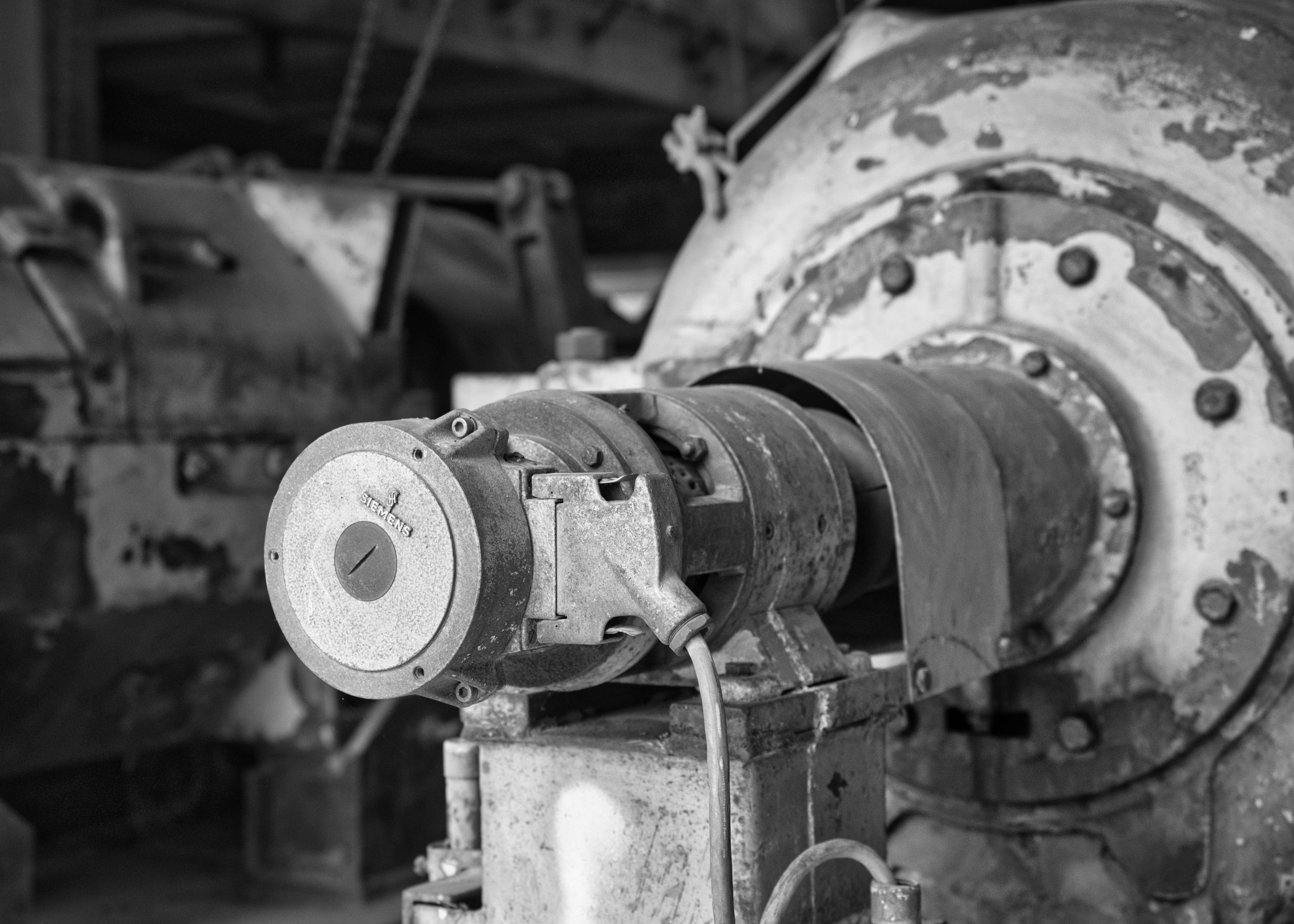
Let’s talk about gearbox coupling failures – specifically, why they happen and what you can do about it. The quick answer to what causes these failures is usually misalignment, imbalances, and wear and tear. But really, it’s a bit more nuanced than that. Understanding these failures isn’t just about spotting a problem; it’s about preventing a whole chain reaction of issues within your machinery.
What’s a Gearbox Coupling Anyway?
Before we dive into the failures, let’s get on the same page about what a gearbox coupling actually is. Think of it as a crucial connector between your gearbox and another piece of rotating equipment, like a motor or a pump. Its main job is to transmit power smoothly, but it also has to handle some level of misalignment and absorb shocks. There are different types, like rigid, flexible, and even fluid couplings, each with their own strengths and weaknesses. The type you have will influence how it fails and what the warning signs are.
Understanding the intricacies of gearbox coupling failure is crucial for maintaining the efficiency and longevity of industrial machinery. For a deeper insight into the repair processes and services available for industrial gearboxes, you can explore this related article on gearbox repair in Oakland. It provides valuable information on how to address common issues and ensure optimal performance: Industrial Gearbox Repair in Oakland.
Misalignment: The Silent Killer
Misalignment is arguably the biggest culprit in most coupling failures. It’s often subtle and can creep up over time, silently stressing your entire drivetrain.
Angular Misalignment
This happens when the centerlines of the two shafts connected by the coupling aren’t parallel. Imagine trying to connect two pipes that are slightly angled away from each other – that’s angular misalignment. The coupling is constantly battling to bridge this angle, leading to uneven stress distribution.
- How it manifests: Look for wear patterns on the coupling that are not uniform around its circumference. You might see more wear on one side of the coupling elements.
- What it causes: Excessive flexing, localized heating, and premature fatigue of the coupling components, especially flexible elements. It can also put extra load on the gearbox bearings.
Parallel Misalignment
Here, the shaft centerlines are parallel, but they’re offset from each other. Picture two train tracks running next to each other, but one is slightly to the left of the other. The coupling has to work harder to accommodate this lateral shift.
- How it manifests: Similar to angular misalignment, you’ll see uneven wear, but it might be more pronounced across the entire face of the coupling elements.
- What it causes: Increased radial loads on the bearings of both the gearbox and the connected equipment, leading to premature bearing failure. It also puts undue stress on the coupling elements themselves.
Axial Misalignment
This is about the shafts being too close together or too far apart. While couplings are designed to accommodate some axial movement (thermal expansion, for example), excessive or restricted movement can be problematic.
- How it manifests: The coupling might be compressed or stretched beyond its design limits. You might see damage around the hub or outer edges of the coupling.
- What it causes: Can lead to the coupling “bottoming out” or separating, causing damage to the coupling elements or even the shafts themselves. It can also affect the proper functioning of components like mechanical seals.
Dynamic Misalignment
This one is a bit trickier. It refers to misalignment that changes during operation. This could be due to thermal expansion as the machinery heats up, or even foundation settling. Static alignment might look perfect when the machine is cold and off, but things change once it’s running.
- How it manifests: Often indicated by intermittent vibrations or knocking sounds that appear only after the machine has been running for a while.
- What it causes: Puts cyclic stress on the coupling and other drivetrain components, leading to fatigue failure over time.
Imbalance: Vibrations from Within
While misalignment stresses the coupling due to improper positioning, imbalance creates stress due to uneven mass distribution within the rotating components themselves. Think of a car tire that isn’t balanced – it shakes at speed. The same principle applies here, but with much greater forces.
Static Imbalance
This is where the center of gravity of the rotating assembly isn’t on the axis of rotation. Imagine a coupling that’s heavier on one side. When you spin it, that heavy side will always try to drop to the bottom.
- How it manifests: Can be observed even at low speeds as a noticeable wobble.
- What it causes: Primarily leads to radial vibrations and loads, stressing bearings and causing premature wear.
Dynamic Imbalance
This is more complex. It’s when the mass is unevenly distributed along the length of the rotating component, creating a wobbling effect. The center of gravity might be on the axis of rotation, but the principal axis of inertia isn’t.
- How it manifests: Becomes much more apparent at higher speeds, creating significant vibrations and noise.
- What it causes: Generates varying forces and moments throughout the rotation, leading to high-frequency vibrations that can damage not just the coupling but also the gearbox, motor, and foundation.
Causes of Imbalance
Imbalance isn’t just a manufacturing defect. It can develop over time due to:
- Uneven wear: Over time, parts of the coupling might wear down unevenly, changing its weight distribution.
- Accumulation of debris: Dirt, rust, or even process material can collect on one side of a coupling, particularly in harsh environments.
- Missing or loose components: A lost bolt, a broken-off piece of the coupling element, or even loose shims can throw off the balance.
- Repairs or modifications: Poorly executed repairs or modifications that add or remove weight unevenly can introduce imbalance.
Sure, here is the sentence with the clickable link:
Please feel free to contact Industrial Gearbox Solutions for any inquiries.
Wear and Tear: The Inevitable Breakdown
Even with perfect alignment and balance, couplings are subject to wear. They’re designed to sacrifice themselves to protect more expensive equipment, but ignoring the signs of wear will lead to trouble.
Fatigue Failure
This is a common mode of failure in flexible couplings. Repeated flexing and stress, often exacerbated by misalignment, causes microscopic cracks to form and propagate, eventually leading to a complete fracture.
- How it manifests: Look for cracks, especially around flexible elements like rubber or elastomer bushings, spokes, or grids. This might start as minor surface cracks and evolve into full breaks.
- What it causes: Complete separation of the coupling, loss of power transmission, and potential damage to surrounding equipment due to flailing components.
Abrasion and Corrosion
In dusty, dirty, or chemically aggressive environments, the coupling materials can degrade. Abrasive particles can wear down surfaces, and corrosive chemicals can eat away at the metal or elastic elements.
- How it manifests: Visible material loss, pitting, discoloration, and a generally “worn out” appearance. You might see a reduction in the thickness of metal components or brittleness in elastomers.
- What it causes: Weakening of the coupling structure, leading to reduced load-carrying capacity and eventual failure. Can also increase friction and heat.
Lubrication Issues (for lubricated couplings)
Some couplings, like gear or chain couplings, require periodic lubrication. If this isn’t done correctly or on schedule, the internal components will experience accelerated wear.
- How it manifests: Excessive heat, grinding noises, and visible signs of metal-on-metal contact. The lubricant itself might appear degraded or contaminated.
- What it causes: Rapid wear of gear teeth or chain links, leading to backlash, increased vibration, and eventual seizure or failure.
Overload
While couplings are designed to transmit a certain amount of torque, exceeding this limit, even momentarily, can cause immediate failure. This could be due to a sudden jolt, a jam in the driven equipment, or simply selecting an undersized coupling for the application.
- How it manifests: Often a catastrophic failure – broken bolts, sheared keys, or shattered coupling elements.
- What it causes: Immediate shutdown of the machinery and potentially extensive damage to the gearbox and motor by transmitting shock loads.
Understanding the intricacies of gearbox coupling failure is crucial for maintaining the efficiency of industrial machinery. For those looking to delve deeper into related topics, you might find the article on industrial gearbox repair in Wasilla, Alaska particularly informative, as it discusses common issues and solutions that can help prevent such failures in the first place. This knowledge can be invaluable for operators aiming to enhance the reliability and longevity of their equipment.
Environmental Factors: The External Pressures
Beyond internal mechanical issues, the environment in which your machinery operates plays a significant role in coupling longevity. Overlooking these factors can lead to unexpected failures.
Extreme Temperatures
Operating a coupling outside its specified temperature range can severely impact its performance and lifespan. High temperatures can degrade lubricants and flexible elements, while extremely low temperatures can make materials brittle.
- How it manifests: Accelerated degradation of rubber or plastic elements (cracking, hardening, softening), lubricant breakdown, and potential thermal expansion issues exacerbating misalignment.
- What it causes: Loss of flexibility, reduced shock absorption, increased friction, and material failure.
Contamination
Dust, dirt, moisture, and corrosive chemicals are coupling enemies. These contaminants can ingress into lubricated couplings, dilute good lubricants, or directly attack exposed materials.
- How it manifests: Accelerated abrasive wear, corrosion, sticky or gummy lubricant, and visible build-up of foreign material.
- What it causes: Increased friction, seizing of components, material degradation, and breakdown of protective barriers.
Vibrations from External Sources
While the machinery itself can generate vibrations (due to imbalance or misalignment), external sources like nearby heavy equipment, structural resonances, or even ground tremors can impose additional stresses on a coupling.
- How it manifests: Often difficult to distinguish from internal vibration issues, but can lead to rapid fatigue cracking, loosening of fasteners, and accelerated wear.
- What it causes: Adds to the overall stress on the coupling, reducing its fatigue life and potential contributing to accelerated wear of all components.
Poor Installation and Maintenance Practices
Even the best-designed coupling will fail prematurely if it’s not installed correctly or maintained properly. Many failures can be traced back to human error during these critical stages.
Incorrect Alignment Procedures
As discussed, misalignment is a huge problem. This often stems from improper alignment techniques during installation or re-installation. Tools might be misused, or tolerances might not be met.
- How it manifests: All the signs of misalignment that we discussed earlier, often appearing much sooner than expected.
- What it causes: Premature wear, excessive vibration, and damage to bearings in the connected equipment.
Improper Lubrication
For couplings that require it, insufficient or incorrect lubrication is a major cause of failure. Using the wrong type of grease, not applying enough, or sticking to an infrequent schedule will lead to problems.
- How it manifests: Overheating, grinding noises, increased resistance to rotation, and visible signs of wear on metallic components.
- What it causes: Accelerated wear, seizing, and premature failure of engaging surfaces.
Incorrect Fastening / Torque
Bolts that are too loose can allow parts to shift and fret, leading to wear and vibration. Bolts that are too tight can stress materials beyond their limit, leading to cracks or stripped threads.
- How it manifests: Loosened bolts, evidence of fretting corrosion, premature cracking around bolt holes, or sheared bolts.
- What it causes: Loosening of the coupling components, increased play, vibration, and eventual failure due to parts separating or being subjected to unintended stresses.
Lack of Inspection
Ignoring couplings until they fail is a costly approach. Regular visual and tactile inspections can catch minor issues before they escalate.
- How it manifests: Minor issues like small cracks, discoloration, or slight looseness go unnoticed until they become major failures.
- What it causes: Unplanned downtime, increased repair costs, and potential secondary damage to other machinery components.
In summary, gearbox coupling failures are rarely a single isolated event. They are often the result of a combination of factors, with misalignment, imbalance, and simple wear and tear being leading contenders. By being vigilant about installation, maintenance, and environmental conditions, you can significantly extend the life of your couplings and, by extension, your entire gearbox system.
FAQs
What is a gearbox coupling?
A gearbox coupling is a mechanical device used to connect two shafts together at their ends for the purpose of transmitting power.
What are the common causes of gearbox coupling failure?
Common causes of gearbox coupling failure include misalignment of shafts, overloading, excessive vibration, lack of lubrication, and material fatigue.
How can gearbox coupling failure be prevented?
Gearbox coupling failure can be prevented by regular maintenance, proper alignment of shafts, avoiding overloading, ensuring adequate lubrication, and using high-quality materials for construction.
What are the signs of gearbox coupling failure?
Signs of gearbox coupling failure include unusual noise or vibration, increased temperature at the coupling, visible wear or damage, and loss of power transmission.
What are the consequences of gearbox coupling failure?
Consequences of gearbox coupling failure include downtime, loss of production, costly repairs, and potential damage to other components in the system. Regular inspection and maintenance are crucial to prevent these consequences.