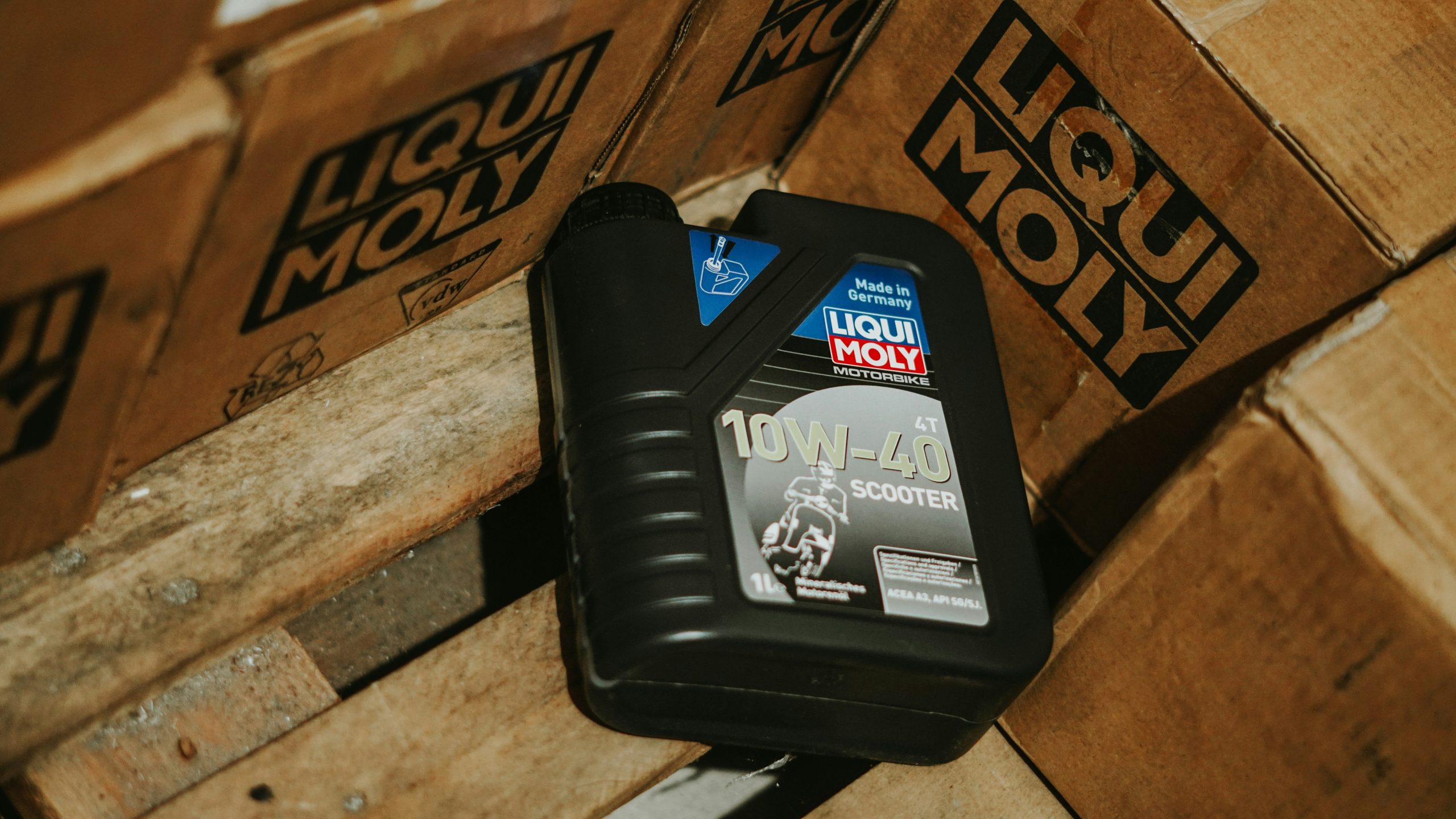
So, how often should you actually change your gearbox oil? It’s a question that pops up for most car owners eventually, and honestly, there isn’t a single, simple answer that fits every single vehicle out there. The ballpark figure you’ll often hear floats around the 30,000 to 60,000-mile mark, but that’s a pretty broad range, and we need to dig a bit deeper to figure out what applies to your car and your driving habits. Think of it less like a strict rule and more like a guideline that needs a bit of personalizing.
Understanding Your Gearbox Type is Key
Before we get too deep into mileage, it’s crucial to know what kind of gearbox your car is running. The technology involved in transferring power from your engine to your wheels has evolved a lot, and each type has its own quirks and needs when it comes to lubrication.
Manual Transmissions: The Traditionalists
These are the gearboxes most people are probably familiar with, featuring a clutch pedal and a gear stick. They’re generally robust and have been around for ages.
- Typical Intervals: For most manual transmissions, you’re looking at changing the gearbox oil somewhere between 30,000 and 60,000 miles if you’re in the UK or Europe. If you’re across the pond in the US, that range tends to be a bit longer, often 50,000 to 80,000 miles. The difference often comes down to the specific type of oil used and the driving conditions typically encountered in those regions.
- Why the Range? The exact mileage depends on a few factors, including the type of oil the manufacturer recommends (mineral vs. synthetic) and, importantly, how you drive. We’ll get into “severe use” later, but even within everyday driving, some manuals are just better built to handle longer intervals than others.
Automatic Transmissions (Conventional): The Smooth Operators
These are the automatic gearboxes that have been around for decades, where you select a drive mode (P, R, N, D) and the car handles the gear changes itself.
- Standard Service: Generally, a conventional automatic transmission will benefit from an oil change every 40,000 to 60,000 miles. This is a good baseline to consider.
- Synthetic Fluid Advantage: However, if your car uses synthetic transmission fluid, which is becoming increasingly common, you can often push that interval out further. Many modern vehicles equipped with synthetic fluid can comfortably go 60,000 to even 100,000 miles between changes. This is a significant advantage, as synthetic fluids offer better thermal stability and break down less over time.
CVTs: High-Maintenance, High-Efficiency
Continuously Variable Transmissions (CVTs) are a bit different. Instead of fixed gears, they use a system of belts and pulleys to achieve an infinite number of gear ratios. This offers smoother acceleration and better fuel economy, but they are also known to be more sensitive.
- Frequent Service Needed: Because of the way they operate and the potential for wear on the belts and pulleys, CVTs generally require more frequent servicing. You’re often looking at oil changes every 25,000 to 40,000 miles. It’s a good idea to stick closer to the lower end of this range.
- Check Your Manual: Given their sensitivity, it’s especially important to consult your owner’s manual for CVT oil change specifics. Skipping these can lead to premature wear and costly repairs.
DSG/DCT Gearboxes: The Performance Enthusiasts
Dual-Clutch Transmissions (DSGs) or Direct-Shift Gearboxes (DCTs) are a more recent innovation, often found in performance-oriented vehicles. They essentially combine the best of both manual and automatic worlds, offering lightning-fast shifts.
- Specific Intervals: For DSG or DCT gearboxes, particularly those with wet clutch systems, the recommended interval is typically around 40,000 to 60,000 kilometers (which is approximately 25,000 to 37,000 miles). This is a bit more specific than some other types, and it’s important to be aware of the km rather than miles in this case if that’s what’s stated in your manual.
- Wet vs. Dry Clutches: The type of clutch system (wet or dry) can sometimes influence the exact interval, with wet clutch systems generally needing their fluid changed more regularly as the clutches operate submerged in oil.
When considering the maintenance of your gearbox, it’s essential to understand not only how often to change the gearbox oil but also the importance of professional repair services when issues arise. For insights into reliable gearbox repair options, you can refer to this informative article on industrial gearbox repair in Hartford, Connecticut. It provides valuable information on ensuring your gearbox remains in optimal condition: Industrial Gearbox Repair in Hartford, Connecticut.
The “Sealed for Life” Myth
You might see this phrase in your car’s manual, especially for automatic transmissions, suggesting the gearbox fluid is designed to last the lifetime of the vehicle. While technically true in some very specific, ideal scenarios, seasoned mechanics often advise a different approach.
- Mechanical Recommendation: Even if manufacturers claim “sealed for life,” many experienced mechanics strongly recommend a gearbox oil change around the 60,000-mile mark for automatic transmissions.
- The Reality of Stop-Start Wear: The reasoning is that even the best fluids degrade over time and with use, especially in stop-and-go traffic. Constant acceleration and deceleration create microscopic wear particles. While a transmission might function with its original fluid for a long time, regularly changing the fluid helps remove these abrasive particles, significantly reducing wear on internal components and prolonging the transmission’s life. It’s a proactive measure against future issues.
When Driving Gets Tough: Severe Use Conditions
This is a big one, and it’s where many people overlook their gearbox maintenance. What might be a moderate interval for highway cruising can become a much shorter need if your driving habits are demanding.
- What Exactly is “Severe Use”? This generally includes:
- Towing: Pulling a trailer, caravan, or anything with significant weight puts a lot of strain on your gearbox.
- Off-roading: Bouncing over rough terrain and the constant shifting required can be hard on the transmission.
- Heavy City Driving: Frequent stop-start traffic, idling for long periods, and constant acceleration/deceleration in stop-and-go situations generate a lot of heat and wear.
- Extreme Temperatures: Consistently driving in very hot or very cold climates can also impact fluid performance.
- Frequent Short Trips: If you only drive short distances where the gearbox never fully warms up, condensation can form and degrade the oil over time.
- Reducing the Interval: If your driving often falls into these categories, you should realistically reduce your gearbox oil change intervals by 25–50%. For example, if your manual transmission typically calls for a change at 60,000 miles, you might want to consider doing it every 30,000 miles, or even sooner if you do a lot of heavy towing. This simple adjustment can save you a lot of money and hassle down the line.
Sure, here is the sentence with the clickable link:
Please feel free to contact Industrial Gearbox Solutions for any inquiries.
Don’t Forget Time: The Time-Based Rule
Mileage isn’t the only factor. Your gearbox oil can degrade over time, even if your car isn’t driven much.
- Low Mileage Drivers: If you’re someone who doesn’t rack up a lot of miles each year, relying solely on mileage for your interval might mean your gearbox oil is getting old and worn out.
- The 2-3 Year Guideline: As a general rule of thumb, if your mileage is low, it’s considered safest to change your gearbox oil at a minimum every 2 to 3 years, or when you hit around 60,000 miles, whichever comes first. Even if the oil looks clean, its lubricating properties diminish over time.
When considering the maintenance of your gearbox, it’s essential to understand not only how often to change the oil but also how to properly size your gearbox for optimal performance. A related article that delves into this topic is available here, which provides valuable insights on the importance of selecting the right gearbox size to ensure efficiency and longevity. Proper sizing can significantly impact the overall functionality, making it crucial to take this aspect into account alongside regular oil changes.
After a Repair: A Crucial Step
If you’ve had any work done on your transmission, it’s not just about fixing the immediate problem. The process of repairing can introduce new contaminants and wear particles.
- Clearing Out the Grime: It’s highly recommended to change the gearbox oil immediately, typically within 5,000 kilometers (about 3,000 miles), after any significant transmission repair. This helps to clear out any abrasion residues or debris created during the repair process.
- Ensuring Longevity: Skipping this step can mean that new or freshly repaired components are immediately exposed to abrasive particles, leading to premature wear and potentially undoing the repair work.
The Ultimate Authority: Your Owner’s Manual
We’ve covered a lot of general guidelines here, but the absolute best source of information for your specific vehicle is always its owner’s manual.
- Vehicle-Specific Recommendations: Manufacturers know their vehicles best. They conduct extensive testing, and the intervals they suggest are based on the design and intended use of your particular gearbox.
- Don’t Guess: Looking up your manual is easy, and it will provide you with the most accurate and reliable guidelines for your gearbox oil change intervals. If your manual is missing, a quick search online for your vehicle’s make, model, and year should help you find a digital version. When in doubt, always ask a trusted mechanic. They can also help interpret what the manual means in the context of your driving habits.
FAQs
1. What is gearbox oil and why is it important to change it regularly?
Gearbox oil, also known as transmission fluid, is a lubricant that helps to keep the gears in a vehicle’s transmission running smoothly. It is important to change gearbox oil regularly to prevent wear and tear on the transmission components and ensure optimal performance.
2. How often should gearbox oil be changed?
The frequency of gearbox oil changes can vary depending on the make and model of the vehicle, as well as the driving conditions. However, a general rule of thumb is to change the gearbox oil every 30,000 to 60,000 miles.
3. What are the signs that gearbox oil needs to be changed?
Some common signs that gearbox oil needs to be changed include rough or noisy shifting, slipping gears, and a burning smell coming from the transmission. It is important to address these issues promptly to prevent further damage to the transmission.
4. What are the consequences of not changing gearbox oil regularly?
Failing to change gearbox oil regularly can lead to increased friction and heat within the transmission, which can cause premature wear on the gears and other components. This can result in costly repairs and potential transmission failure.
5. Can I change the gearbox oil myself, or should I have it done by a professional?
While some vehicle owners may have the skills and tools to change gearbox oil themselves, it is generally recommended to have this service performed by a professional mechanic. They can ensure that the correct type and amount of oil is used, and that the transmission is properly inspected for any potential issues.