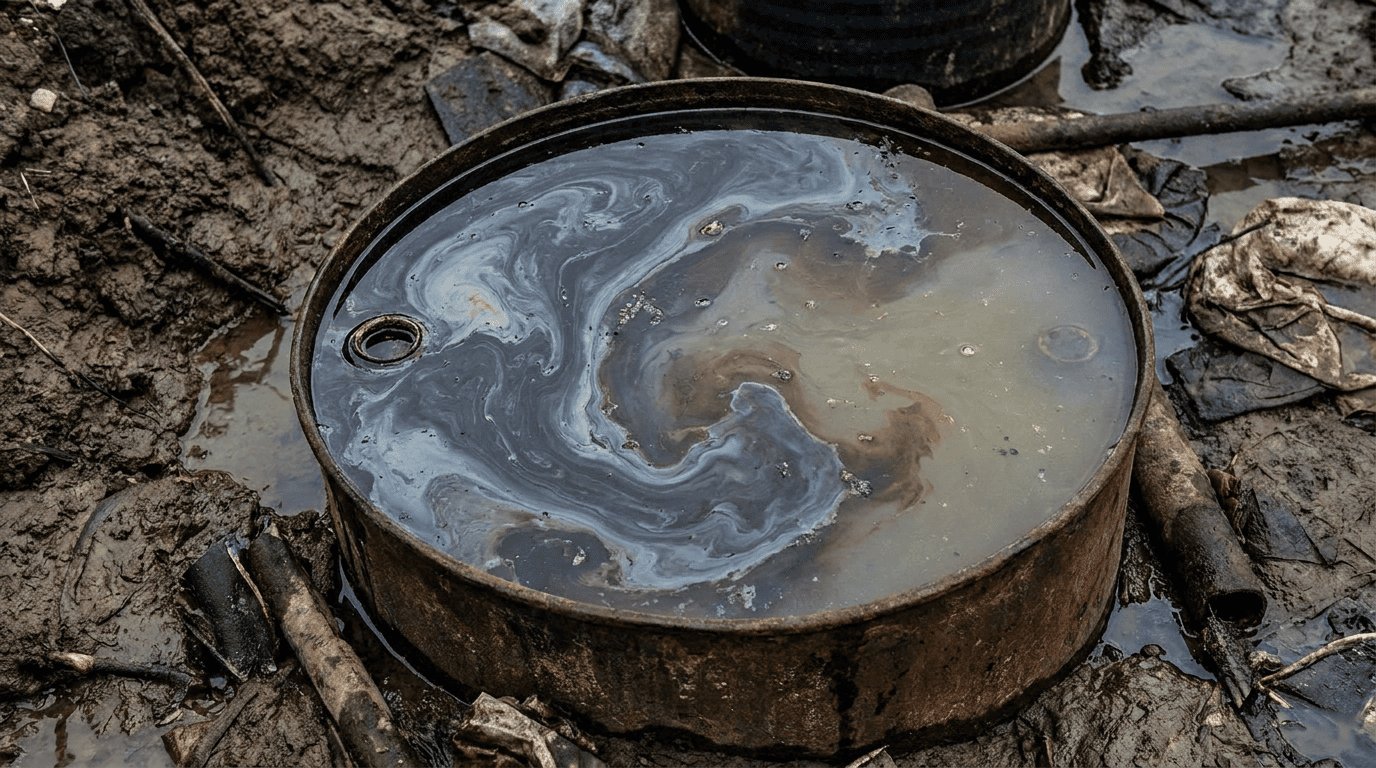
Contaminated oil bearing failure is one of the most preventable yet costly reliability problems in industrial gearboxes, reducers, pumps, motors, conveyors, and rotating equipment. When lubricant carries water, dirt, metal particles, process chemicals, or degraded oil byproducts, it can no longer protect rolling elements, races, cages, shafts, and seals as designed. For maintenance managers, plant engineers, reliability teams, mechanics, and purchasing professionals, understanding oil contamination is essential to reducing downtime, extending bearing life, and controlling repair costs. This guide explains the causes, symptoms, inspection methods, troubleshooting steps, prevention strategies, and repair-versus-replacement decisions related to oil-contaminated bearing failures.
Contaminated oil causes bearing failure by damaging the lubricant film that separates metal surfaces, introducing abrasive particles, accelerating corrosion, increasing operating temperature, and creating fatigue stress on rolling elements and raceways. Common contaminants include dirt, water, metal wear debris, degraded lubricant, incorrect oil, coolant, and process chemicals. The best prevention methods are routine oil analysis, proper filtration, contamination-controlled storage and handling, effective breathers and seals, correct lubricant selection, and scheduled gearbox inspections. If contamination has already caused pitting, spalling, overheating, or excessive vibration, the bearing and lubricant system should be inspected immediately to determine whether repair, flushing, bearing replacement, or full gearbox rebuild is required.
In addition to understanding how contaminated oil leads to bearing failure, it is also important to explore the impact of gear systems on machinery performance. An insightful article on bevel gears can provide valuable information on how these components function and their susceptibility to wear and tear. For further reading, you can check out the article on bevel gears at this link, which discusses the intricacies of gear design and maintenance, highlighting the importance of clean lubrication to prevent failures in gear systems.
Why Oil Contamination Is a Major Cause of Bearing Failure
Bearings depend on clean lubricant to create a protective oil film between rolling elements and raceways. In an ideal operating condition, this film reduces friction, controls heat, prevents metal-to-metal contact, and carries contaminants away from critical surfaces. When oil becomes contaminated, the film loses its ability to protect the bearing.
In industrial gearboxes, contaminated oil can damage not only bearings but also gears, shafts, seals, housings, and lubrication delivery systems. Because gearbox bearings often operate under high loads, variable speeds, shock loading, and elevated temperatures, even small amounts of contamination can shorten service life dramatically.
According to reliability principles commonly referenced by organizations such as SKF, Timken, AGMA, and Noria, lubricant cleanliness is directly tied to bearing and gear life. Cleaner oil generally means longer component life, fewer unplanned outages, and lower lifecycle cost.
Useful external references include:
- SKF bearing maintenance and lubrication guidance: https://www.skf.com
- Timken bearing damage analysis resources: https://www.timken.com
- AGMA technical standards and gearbox guidance: https://www.agma.org
- Noria lubrication and oil analysis education: https://www.noria.com
For related service support, see Industrial Gearbox Solutions resources on gearbox repair, industrial gearbox rebuilding, and gearbox inspection services.
How Contaminants Destroy the Lubricating Film
A bearing needs the right oil viscosity, additive package, and cleanliness level to maintain elastohydrodynamic lubrication. Contaminants interfere with this protection in several ways:
- Abrasive particles cut into raceways and rolling elements.
- Water reduces film strength and promotes rust.
- Heat and oxidation create sludge, varnish, and acidic byproducts.
- Metal particles from gear wear create a self-perpetuating wear cycle.
- Incorrect lubricant can cause additive incompatibility or viscosity loss.
- Air entrainment and foam reduce oil-film stability.
Once the lubricant film fails, microscopic surface damage begins. Over time, this damage progresses into pitting, spalling, scoring, cage wear, overheating, vibration, and eventual bearing seizure.
Why Bearing Failure Often Appears Suddenly
Oil contamination damage often develops gradually but becomes visible suddenly. A gearbox may run for months with dirty oil while microscopic damage accumulates. Then vibration increases, temperature rises, a seal begins leaking, or a bearing fails catastrophically.
This is why predictive maintenance is so important. Oil analysis, vibration analysis, infrared thermography, and visual inspections can identify contamination-related issues before a shutdown occurs.
Common Causes of Contaminated Oil in Industrial Gearboxes
Oil contamination can originate from the operating environment, poor maintenance practices, component wear, lubricant degradation, or improper storage and handling.
Dirt, Dust, and Airborne Particles
Industrial environments often contain dust, sand, cement powder, metal fines, coal dust, grain dust, or other airborne particles. These particles can enter a gearbox through:
- Damaged seals
- Open breathers
- Poorly sealed inspection covers
- Loose fill caps
- Improper maintenance practices
- Contaminated oil transfer containers
Abrasive dirt is especially damaging because hard particles become trapped between rolling elements and raceways. This creates dents, scratches, and stress risers that eventually lead to fatigue failure.
Water and Moisture Contamination
Water is one of the most destructive oil contaminants. It may enter a gearbox through:
- Washdown procedures
- Outdoor exposure
- High humidity
- Failed seals
- Condensation during temperature cycling
- Steam leaks
- Cooling system leaks
- Poorly sealed breathers or covers
Water contamination can cause rust, hydrogen embrittlement, additive depletion, reduced viscosity, and sludge formation. Even small quantities of water can significantly reduce bearing life.
Metal Wear Debris
Metal particles may come from normal wear, gear tooth distress, bearing fatigue, shaft damage, or previous component failure. Once metal debris enters the oil, it circulates through the bearing and creates additional damage.
Common metal contaminants include:
- Iron from gears, shafts, and bearing races
- Steel particles from rolling elements
- Bronze or brass from bushings and cages
- Aluminum from housings or components
- Copper from coolers or bearing materials
Oil analysis can identify the type and concentration of metal particles, helping reliability teams locate the source of wear.
Degraded or Oxidized Lubricant
Oil does not last forever. High temperature, air, moisture, and contamination accelerate oxidation. As oil degrades, it may form:
- Sludge
- Varnish
- Acids
- Carbon deposits
- Additive breakdown products
Oxidized oil can clog filters, restrict oil flow, coat bearing surfaces, and reduce heat transfer. In gearboxes, varnish and sludge can also block oil passages and starve bearings of lubrication.
Incorrect Lubricant or Additive Incompatibility
Using the wrong oil can mimic or accelerate contamination-related failure. Common mistakes include:
- Incorrect viscosity grade
- Mixing synthetic and mineral oils without compatibility checks
- Using gear oil with incompatible additives
- Using hydraulic oil where extreme-pressure gear oil is required
- Cross-contaminating transfer pumps or containers
- Topping off with an unknown lubricant
Incorrect lubricant selection can lead to inadequate film thickness, foaming, seal damage, additive dropout, and accelerated bearing wear.
Process Chemical Contamination
In chemical plants, food processing facilities, paper mills, mining operations, wastewater plants, and manufacturing environments, gearboxes may be exposed to process fluids. These can include:
- Acids
- Caustics
- Coolants
- Solvents
- Cleaning chemicals
- Sugar solutions
- Pulp and paper process water
- Mining slurry
- Cutting fluids
Chemical contamination may attack bearing steel, degrade additives, or change the lubricant’s viscosity and load-carrying ability.
Industrial gearbox bearing failure can lead to costly downtime and production losses, so it’s important to address the issue promptly. Industrial gearbox bearing failure
Symptoms of Bearing Failure Caused by Contaminated Oil
Contamination-related bearing failure often produces multiple warning signs. Maintenance teams should treat these symptoms as early indicators of deeper lubrication problems.
Increased Vibration
Vibration is one of the most common symptoms of bearing damage. Contaminants create surface defects on rolling elements and raceways. As the bearing rotates, these defects generate impact frequencies that can be detected through vibration analysis.
Common vibration indicators include:
- Increased high-frequency vibration
- Bearing defect frequencies
- Sidebands around gear mesh frequencies
- Random impacts or noise
- Changes in overall vibration trend
If vibration increases after an oil change, seal failure, washdown, or recent maintenance event, contamination should be considered a likely cause.
Elevated Operating Temperature
Contaminated oil increases friction and reduces heat transfer. Bearings may run hotter due to:
- Loss of lubricant film
- Sludge blocking oil flow
- Water reducing viscosity
- Abrasive wear increasing surface roughness
- Overfilled or foaming oil
- Incorrect lubricant viscosity
A gearbox that normally operates at a stable temperature but begins trending upward should be inspected promptly.
Unusual Noise
Mechanics may hear:
- Grinding
- Rumbling
- Clicking
- Growling
- Squealing
- Intermittent knocking
Noise often indicates advanced bearing damage. By the time noise is obvious without instrumentation, the bearing may already have significant raceway or rolling element distress.
Oil Discoloration or Cloudiness
Contaminated oil may appear:
- Milky, indicating water contamination
- Dark brown or black, suggesting oxidation or overheating
- Sparkly or metallic, indicating wear debris
- Thick and sludge-like, indicating degradation
- Foamy, indicating air entrainment or additive issues
Visual oil inspection is not a substitute for laboratory analysis, but it is a useful first-line maintenance check.
Seal Leakage
Contaminated oil and damaged seals often occur together. A failed seal can allow contaminants in and lubricant out. Conversely, contaminated oil can damage seals by carrying abrasive particles or causing chemical attack.
Signs include:
- Oil leaking from shaft seals
- Dirt buildup around seal areas
- Water intrusion near bearing housings
- Grease or oil discoloration at seals
- Hard, cracked, or worn seal lips
Shortened Bearing Life
If bearings repeatedly fail before their expected service life, contamination should be investigated. Replacing bearings without correcting oil cleanliness, breathers, seals, storage practices, and lubricant selection usually results in repeat failure.
Understanding the impact of contaminated oil on bearing failure is crucial for maintaining the efficiency of industrial machinery. For those interested in exploring related topics, an insightful article on industrial gearbox repair can provide valuable information on how to address issues stemming from oil contamination. You can read more about this in the article linked here: industrial gearbox repair. This resource highlights the importance of regular maintenance and the role of clean lubricants in preventing costly machinery breakdowns.
Inspection and Troubleshooting Methods
| Contaminant | Effect on Bearing |
|---|---|
| Water | Causes corrosion and pitting on bearing surfaces |
| Dirt and debris | Increases friction and wear on bearing components |
| Acids | Accelerates chemical breakdown of lubricant and bearing materials |
| Metal particles | Leads to abrasive wear and scoring on bearing surfaces |
Diagnosing contaminated oil bearing failure requires more than replacing the damaged bearing. The root cause must be identified and corrected.
Visual Inspection
A basic inspection should include:
- Oil color and clarity
- Odor of burnt oil or chemicals
- Presence of foam
- Sludge or varnish deposits
- Metallic particles on magnetic drain plugs
- Seal condition
- Breather condition
- Oil level
- Housing condition
- Evidence of water entry
During gearbox disassembly, inspect bearing raceways, rolling elements, cages, shafts, and gear teeth for consistent damage patterns.
Oil Sampling and Laboratory Analysis
Oil analysis is one of the most effective ways to detect contamination before failure occurs. A good oil analysis program may include:
- Particle count
- ISO cleanliness code
- Karl Fischer water test
- Viscosity testing
- Acid number
- Fourier-transform infrared spectroscopy
- Wear metal analysis
- Ferrous density
- Additive depletion
- Oxidation and nitration
- Analytical ferrography
Noria provides extensive education on lubrication contamination control and oil analysis best practices at https://www.noria.com.
Vibration Analysis
Vibration analysis can detect bearing defects caused by contamination. It is especially useful for identifying:
- Inner race defects
- Outer race defects
- Rolling element defects
- Cage defects
- Looseness
- Misalignment
- Gear mesh problems
- Lubrication-related friction
When combined with oil analysis, vibration data provides a stronger picture of both the contamination source and the mechanical damage.
Infrared Thermography
Thermal imaging can help identify overheating bearings, restricted oil flow, or abnormal gearbox operating temperatures. It is especially useful for monitoring hard-to-access gearboxes, conveyor drives, cooling tower gearboxes, and critical production assets.
Magnetic Plug and Filter Debris Inspection
Magnetic drain plugs and filter elements can reveal early wear debris. Maintenance teams should inspect them during oil changes and scheduled inspections.
Look for:
- Fine metallic paste
- Larger flakes or chips
- Bronze or brass particles
- Shiny bearing material
- Black sludge
- Rust-colored deposits
Filter patch analysis can also help determine whether debris is abrasive dirt, bearing steel, gear wear material, or oxidation byproduct.
Types of Contaminants and Their Effects on Bearings
The following table summarizes common oil contaminants and how they affect bearing reliability.
| Contaminant | Common Source | Effect on Bearings | Typical Warning Signs |
|||||
| Dirt and dust | Breathers, seals, open containers, environment | Abrasion, denting, fatigue cracking | High particle count, scratched races, rising vibration |
| Water | Washdown, condensation, failed seals, coolers | Rust, reduced film strength, additive depletion | Milky oil, corrosion, short bearing life |
| Metal debris | Gear wear, bearing wear, shaft damage | Three-body abrasion, surface fatigue | Metallic oil, magnetic plug debris, vibration spikes |
| Oxidation byproducts | Heat, aging oil, air exposure | Sludge, varnish, restricted oil flow | Dark oil, deposits, high acid number |
| Wrong lubricant | Misapplication, top-off error, cross-contamination | Viscosity loss, foaming, additive problems | Temperature rise, foam, abnormal wear |
| Chemicals | Process leaks, cleaners, coolants | Corrosion, additive breakdown, viscosity change | Odor, discoloration, rapid oil degradation |
| Air or foam | Low oil level, suction leaks, agitation | Poor film strength, cavitation-like damage | Foam, erratic temperature, noisy operation |
Particle Contamination
Particle contamination is often measured using ISO cleanliness codes. Lower ISO codes indicate cleaner oil. For critical gearboxes and bearing systems, cleanliness targets should be established based on operating load, speed, bearing type, and equipment criticality.
Even particles too small to see can damage bearings. A clean-looking oil sample may still contain harmful microscopic contaminants.
Water Contamination
Water can exist in oil in three forms:
- Dissolved water
- Emulsified water
- Free water
Free and emulsified water are especially harmful, but dissolved water can also reduce oil life and promote corrosion. Karl Fischer testing is commonly used to measure water content accurately.
Sludge and Varnish
Sludge and varnish are byproducts of oil degradation. These deposits can restrict oil passages, coat bearing surfaces, reduce heat transfer, and cause valves or lubrication systems to malfunction.
In gearboxes with splash lubrication, sludge can settle in the sump and be recirculated during operation. In circulating lubrication systems, varnish can accumulate in lines, coolers, filters, and bearing housings.
Bearing Damage Patterns Linked to Contaminated Oil
When a bearing fails, damage patterns can reveal the likely root cause. Timken and SKF both publish useful bearing damage analysis resources that help maintenance professionals distinguish contamination from overload, misalignment, improper mounting, and electrical damage.
Abrasive Wear
Abrasive wear appears as dull, scratched, or frosted surfaces. It is commonly caused by dirt, dust, or hard metal particles in the oil.
Signs include:
- Scratched raceways
- Polished or worn rolling elements
- Fine debris in lubricant
- Loss of original surface finish
- Increased bearing clearance
Surface Denting
Hard particles can become trapped between rolling elements and raceways, creating indentations. These dents act as stress concentration points and may develop into fatigue spalls.
Signs include:
- Small evenly distributed dents
- Raised edges around indentations
- Early-stage pitting
- Vibration at bearing defect frequencies
Corrosion and Etching
Water and chemical contamination can corrode bearing surfaces. Corrosion reduces surface integrity and creates roughness that accelerates fatigue.
Signs include:
- Rust-colored staining
- Etched raceways
- Black oxide deposits
- Pitting in non-contact zones
- Milky or watery oil
Spalling and Pitting
Spalling is the flaking or breaking away of bearing material due to fatigue. Contamination accelerates spalling by damaging the surface and increasing stress.
Signs include:
- Flaked raceway material
- Rough rolling path
- Increasing vibration
- Metallic debris
- Noise and heat
Cage Damage
Contaminated oil can also damage bearing cages by increasing friction, causing wear, or introducing abrasive debris.
Signs include:
- Worn cage pockets
- Cracked cage sections
- Discoloration from heat
- Loose rolling elements
- Bearing instability
Preventing Contaminated Oil Bearing Failure
Prevention is almost always less expensive than emergency gearbox repair. A strong contamination control program combines storage, handling, filtration, sealing, monitoring, and disciplined maintenance procedures.
Improve Lubricant Storage and Handling
Many contamination problems begin before the oil ever reaches the gearbox. Best practices include:
- Store oil indoors in clean, dry areas.
- Keep drums sealed when not in use.
- Use dedicated transfer containers for each lubricant type.
- Avoid open buckets and funnels.
- Label all lubricants clearly.
- Use filtered transfer carts.
- Clean fill ports before adding oil.
- Train technicians on contamination control.
Purchasing professionals should also consider lubricant packaging, supplier quality, and storage requirements when sourcing oils.
Install High-Quality Breathers
Standard open breathers can allow dirt and moisture into the gearbox. Desiccant breathers help remove moisture and particles from incoming air.
Breather selection should consider:
- Gearbox size
- Air exchange rate
- Humidity level
- Washdown exposure
- Dust level
- Outdoor installation
- Maintenance interval
Upgrade Sealing Systems
Seals are critical contamination barriers. Failed or inadequate seals are a common cause of bearing failure.
Consider:
- Labyrinth seals
- Contact lip seals
- Bearing isolators
- V-rings
- Improved shaft finish
- Proper seal material
- Correct installation tools
- Seal guards in harsh environments
For heavily contaminated environments, a seal upgrade may provide a strong return on investment.
Use Proper Filtration
Filtration removes particles before they damage bearings. Depending on the application, filtration options may include:
- Offline kidney-loop filtration
- Portable filter carts
- Full-flow filtration
- Bypass filtration
- Magnetic filtration
- Desiccant filtration
- Water removal systems
Filter selection should be based on target cleanliness, flow rate, oil viscosity, contaminant type, and gearbox criticality.
Establish Oil Cleanliness Targets
A contamination control program should define measurable targets. These may include:
- ISO particle cleanliness code
- Water content limits
- Viscosity limits
- Acid number limits
- Wear metal alarm levels
- Oil change criteria
- Filter change intervals
Targets should be stricter for critical assets, high-speed bearings, heavily loaded gearboxes, and equipment with high downtime costs.
Maintenance Best Practices for Gearbox Bearing Reliability
The following table outlines practical maintenance actions for reducing oil contamination and extending bearing life.
| Maintenance Task | Recommended Practice | Reliability Benefit |
||||
| Oil sampling | Use consistent sample points and intervals | Detects contamination trends early |
| Breather inspection | Replace saturated or damaged breathers | Reduces moisture and particle ingress |
| Seal inspection | Check for leaks, wear, and shaft damage | Prevents contamination entry |
| Oil filtration | Filter new and in-service oil | Improves cleanliness and bearing life |
| Visual checks | Inspect oil color, level, foam, and leaks | Identifies obvious problems quickly |
| Vibration monitoring | Trend bearing condition | Detects damage before failure |
| Temperature monitoring | Track abnormal heat | Identifies lubrication problems |
| Storage control | Keep oil sealed, clean, and labeled | Prevents contamination before use |
| Training | Standardize lubrication procedures | Reduces human error |
| Root cause analysis | Investigate repeat failures | Prevents recurrence |
Oil Change Intervals Should Be Condition-Based
Changing oil on a calendar schedule alone can be inefficient. Oil may be replaced too early, wasting money, or too late, allowing damage to occur. Condition-based oil changes use lab results and operating conditions to determine when oil should be replaced.
Key indicators include:
- Viscosity change
- Particle count
- Water content
- Oxidation
- Acid number
- Additive depletion
- Wear metals
- Sludge or varnish formation
Train Mechanics and Lubrication Technicians
Even the best oil can become contaminated through poor handling. Training should cover:
- Proper sampling methods
- Clean oil transfer
- Lubricant identification
- Seal inspection
- Breather maintenance
- Filter cart use
- Contamination control procedures
- Safe gearbox inspection practices
Standardize Lubricant Selection
Plants with many lubricant types are more likely to experience cross-contamination. Standardizing lubricants where practical can reduce errors and simplify purchasing.
A lubricant consolidation review may help reduce inventory while ensuring each gearbox receives the correct oil.
Troubleshooting Checklist for Suspected Contaminated Oil Bearing Failure
When contaminated oil is suspected, follow a structured troubleshooting process.
Step 1: Secure the Equipment
If bearing failure is advanced, continuing to operate the gearbox may cause severe secondary damage. Shut down the equipment if vibration, temperature, or noise exceeds safe limits.
Step 2: Collect Oil Samples Before Draining
Always sample the oil before draining the gearbox. Draining first may remove valuable evidence. Use a clean sampling method and document:
- Equipment ID
- Oil type
- Operating hours
- Recent oil additions
- Recent maintenance
- Temperature
- Visible oil condition
- Abnormal symptoms
Step 3: Inspect Filters, Breathers, and Magnetic Plugs
These components often contain evidence of contamination and wear. Save filter elements or debris samples for inspection if a root cause analysis is needed.
Step 4: Inspect Bearings and Gears
During teardown, document all bearing and gear damage with photographs. Look for:
- Pitting
- Spalling
- Scoring
- Rust
- Cage damage
- Blueing from heat
- Abnormal wear patterns
- Misalignment signs
- Seal wear
Step 5: Identify the Contamination Source
Do not stop at replacing the bearing. Determine how contamination entered or formed. Possible sources include:
- Failed seal
- Poor breather
- Dirty oil container
- Water washdown
- Incorrect top-off oil
- Internal gear wear
- Oxidized oil
- Cooler leak
- Maintenance error
Step 6: Correct the Root Cause
Corrective actions may include:
- Gearbox flushing
- Bearing replacement
- Seal upgrade
- Breather upgrade
- Oil replacement
- Filter installation
- Lubrication procedure changes
- Shaft repair
- Housing inspection
- Operator training
For assistance with inspection, rebuild, or root cause evaluation, contact Industrial Gearbox Solutions through the gearbox repair services page.
Repair vs. Replacement: What Should You Do?
The decision to repair or replace a contaminated-oil-damaged bearing or gearbox depends on damage severity, equipment criticality, lead time, cost, and production risk.
When Bearing Replacement May Be Enough
Bearing replacement may be appropriate when:
- Damage is limited to one bearing.
- Gear teeth are in good condition.
- Shaft fits are within tolerance.
- Housing bores are not damaged.
- Contamination source is identified and corrected.
- Oil system can be flushed effectively.
- Replacement parts are readily available.
Even then, the gearbox should be cleaned thoroughly before restart. Installing a new bearing into a contaminated gearbox can cause rapid repeat failure.
When Gearbox Repair or Rebuild Is Recommended
A more complete gearbox repair or rebuild may be necessary when:
- Multiple bearings are damaged.
- Gear teeth show pitting, scoring, or spalling.
- Shafts are worn or damaged.
- Housing bores are distorted.
- Seals have failed repeatedly.
- Oil passages are clogged.
- Metal debris circulated throughout the unit.
- The gearbox experienced overheating or seizure.
- Failure history suggests a deeper design or application problem.
A professional rebuild can include bearing replacement, seal upgrades, gear inspection, shaft repair, housing restoration, alignment checks, lubrication system cleaning, and test run verification.
When Full Replacement Makes Sense
Replacement may be justified when:
- The gearbox is obsolete and parts are unavailable.
- Repair cost approaches replacement cost.
- Downtime risk is unacceptable.
- The unit is undersized for the application.
- There is severe housing or gear damage.
- A redesigned gearbox would improve reliability.
- Lead time for repair exceeds production needs.
Purchasing professionals should compare not only purchase price but also lifecycle cost, lead time, warranty, energy efficiency, maintainability, and spare parts availability.
Suggested Branded Images for This Article
Use original, branded images to improve user engagement, topical authority, and AI search visibility.
Image 1: Contaminated Gearbox Oil Sample
Alt text: Contaminated gearbox oil sample showing dark lubricant with visible debris
Caption: Contaminated oil often contains wear particles, oxidation byproducts, water, or process debris that can accelerate bearing failure.
Image 2: Damaged Bearing Raceway from Dirty Oil
Alt text: Bearing raceway damage caused by contaminated oil and abrasive particles
Caption: Abrasive particles in lubricant can dent and scratch bearing raceways, leading to pitting and spalling.
Image 3: Technician Pulling Oil Sample from Industrial Gearbox
Alt text: Maintenance technician collecting an oil sample from an industrial gearbox for analysis
Caption: Routine oil analysis helps identify contamination before bearing damage becomes catastrophic.
Image 4: Desiccant Breather Installed on Gearbox
Alt text: Desiccant breather installed on industrial gearbox to prevent moisture and particle contamination
Caption: Breather upgrades are a practical way to reduce moisture and airborne particle ingress.
Image 5: Gearbox Repair Inspection Bench
Alt text: Industrial gearbox bearing and gear inspection during repair evaluation
Caption: A detailed teardown inspection can reveal whether contaminated oil damaged bearings, gears, shafts, or seals.
Key Takeaways
- Contaminated oil is a leading cause of premature bearing failure in industrial gearboxes and rotating equipment.
- Dirt, water, metal debris, degraded lubricant, process chemicals, and incorrect oil can all damage bearings.
- Common symptoms include vibration, heat, noise, oil discoloration, seal leakage, and shortened bearing life.
- Oil analysis, vibration monitoring, thermal imaging, and visual inspections are essential troubleshooting tools.
- Replacing a bearing without correcting the contamination source often leads to repeat failure.
- Prevention requires clean storage, proper handling, filtration, breather upgrades, seal maintenance, and condition-based oil changes.
- Repair versus replacement decisions should consider total gearbox condition, production risk, lead time, and lifecycle cost.
Frequently Asked Questions
How does contaminated oil cause bearing failure?
Contaminated oil causes bearing failure by reducing lubricant film strength, introducing abrasive particles, promoting corrosion, increasing heat, and accelerating fatigue damage. Once bearing surfaces are scratched, dented, or corroded, pitting and spalling often follow.
What is the most harmful oil contaminant for bearings?
Water and hard particles are among the most harmful contaminants. Water promotes rust and additive depletion, while hard particles create abrasion and surface dents. In many industrial gearboxes, both contaminants are present at the same time.
Can new oil be contaminated?
Yes. New oil is not always clean enough for critical gearbox or bearing applications. It can become contaminated during manufacturing, transport, storage, or transfer. Filtering new oil before use is a recommended best practice.
What does milky gearbox oil mean?
Milky oil usually indicates water contamination. The source may be condensation, washdown, a failed seal, outdoor exposure, or a leaking cooler. Milky oil should be investigated quickly because water can severely reduce bearing life.
Can contaminated oil be filtered and reused?
Sometimes. If contamination is primarily particles or free water, filtration or dehydration may restore oil condition. However, if the oil is oxidized, chemically degraded, or additive-depleted, replacement is usually required. Oil analysis should guide the decision.
How often should gearbox oil be analyzed?
Critical gearboxes may require monthly or quarterly oil analysis, while less critical equipment may be sampled semiannually or annually. Sampling frequency should depend on operating severity, downtime cost, environment, and failure history.
What oil analysis tests detect contamination?
Common tests include particle count, ISO cleanliness code, water testing, viscosity, acid number, oxidation, wear metal analysis, ferrous density, and ferrography. These tests help identify both contaminants and component wear.
Should bearings always be replaced after oil contamination?
Not always. If contamination is detected early and bearing damage has not occurred, flushing, filtration, and oil replacement may be enough. However, if there is vibration, noise, heat, pitting, spalling, or corrosion, bearing replacement may be necessary.
What is the best way to prevent water in gearbox oil?
Use high-quality seals, desiccant breathers, proper storage, controlled washdown practices, routine oil analysis, and regular inspections. Outdoor gearboxes may require additional protection against rain, humidity, and temperature cycling.
Who should inspect a gearbox after contamination-related bearing failure?
A qualified gearbox repair provider, reliability engineer, or experienced rotating equipment technician should inspect the unit. For critical drives, a professional teardown and root cause failure analysis are strongly recommended.
SEO Metadata Suggestions
SEO title: The Impact of Contaminated Oil on Bearing Failure
Meta description: Learn how contaminated oil causes bearing failure in industrial gearboxes, including causes, symptoms, troubleshooting, prevention, oil analysis, and repair options.
Primary keyword: contaminated oil bearing failure
Secondary keywords:
- bearing failure from contaminated oil
- gearbox oil contamination
- industrial gearbox bearing failure
- oil analysis for bearing failure
- contaminated lubricant symptoms
- water contamination in gearbox oil
- gearbox bearing repair
- lubricant contamination control
Suggested URL slug: contaminated-oil-bearing-failure
Suggested internal links:
- Gearbox repair: https://industrialgearboxsolutions.com/gearbox-repair/
- Gearbox rebuilding: https://industrialgearboxsolutions.com/gearbox-rebuilding/
- Gearbox inspection: https://industrialgearboxsolutions.com/gearbox-inspection/
- Industrial gearbox services: https://industrialgearboxsolutions.com/
Suggested external links:
- SKF bearing maintenance: https://www.skf.com
- Timken bearing damage analysis: https://www.timken.com
- AGMA standards and technical resources: https://www.agma.org
- Noria lubrication and oil analysis: https://www.noria.com
Conclusion
Contaminated oil bearing failure is preventable when maintenance teams treat lubrication as a critical reliability function rather than a routine consumable. Clean oil protects bearings, gears, shafts, and seals; dirty oil turns the lubricant system into a wear mechanism. By combining oil analysis, vibration monitoring, proper filtration, seal and breather upgrades, disciplined lubricant handling, and root cause failure analysis, industrial facilities can reduce unplanned downtime and extend gearbox life.
If your gearbox is showing signs of bearing noise, overheating, oil contamination, vibration, or premature failure, do not wait for a catastrophic breakdown. A professional inspection can determine whether the unit needs flushing, bearing replacement, seal upgrades, repair, rebuild, or replacement.
FAQs
What is contaminated oil?
Contaminated oil refers to oil that has been compromised by the presence of foreign particles such as dirt, metal shavings, water, or other contaminants. These particles can negatively impact the performance and longevity of the oil and the machinery it lubricates.
How does contaminated oil cause bearing failure?
Contaminated oil can lead to bearing failure by causing increased friction, wear, and corrosion within the bearing. The presence of contaminants can disrupt the lubrication process, leading to overheating and accelerated wear of the bearing surfaces. This can ultimately result in premature bearing failure.
What are the common sources of oil contamination?
Common sources of oil contamination include external factors such as dirt and dust entering the oil system, as well as internal factors such as wear debris from the machinery itself. Water ingress, improper maintenance practices, and inadequate filtration can also contribute to oil contamination.
How can contaminated oil be detected?
Contaminated oil can be detected through oil analysis, which involves testing the oil for the presence of contaminants and monitoring its condition. Visual inspection of the oil, as well as monitoring changes in equipment performance and operating temperatures, can also help identify contaminated oil.
How can bearing failure due to contaminated oil be prevented?
Preventing bearing failure due to contaminated oil involves implementing proper maintenance practices, such as regular oil analysis, filtration, and sealing to prevent external contaminants from entering the oil system. Additionally, following manufacturer recommendations for oil change intervals and using high-quality oil can help prevent bearing failure.