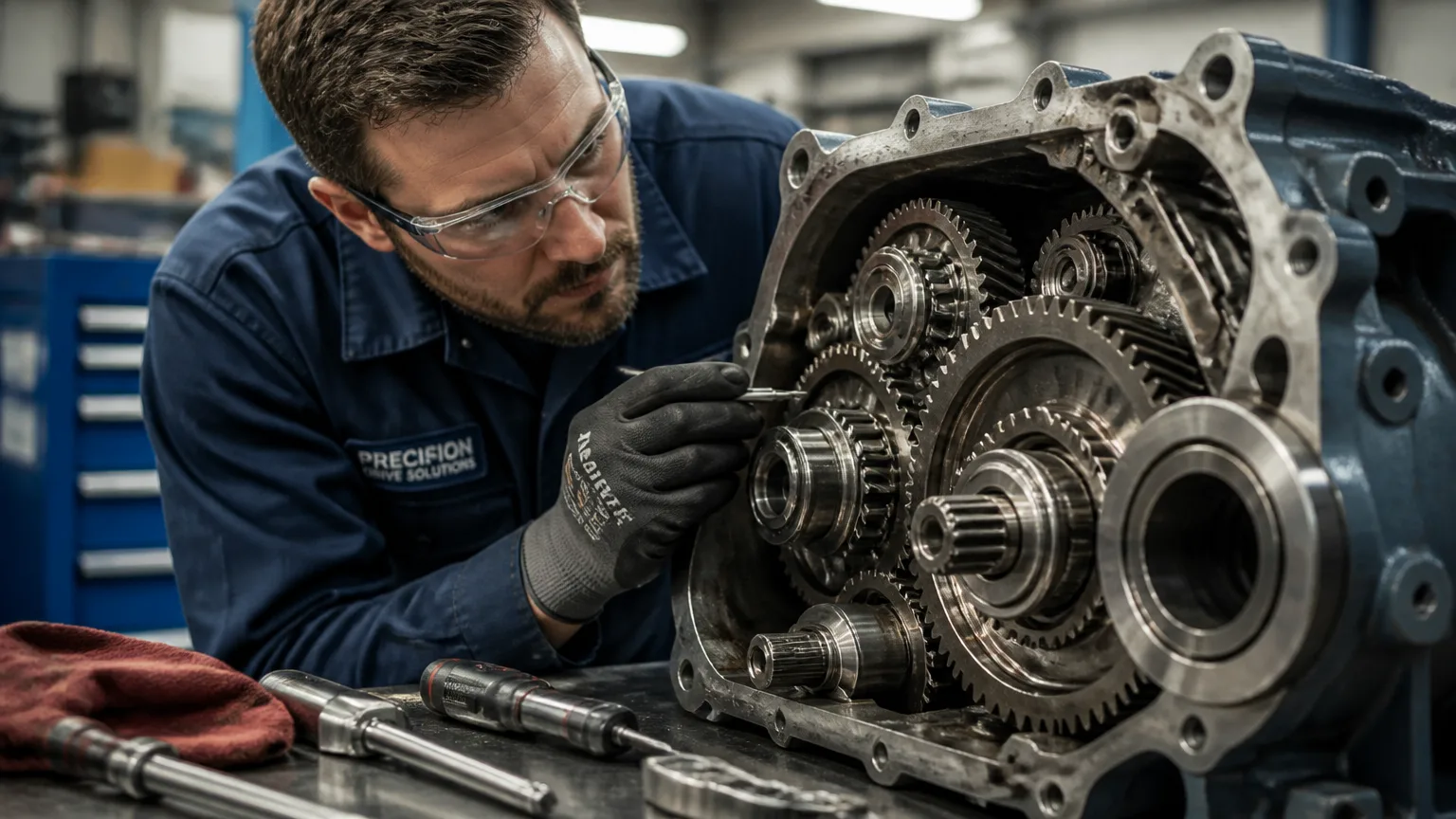
Effective gearbox repairing is crucial for maintaining the efficiency and longevity of industrial machinery. Gearboxes play a vital role in transferring power and ensuring smooth operations across various applications. When they fail, it can lead to significant downtimes and costly replacements, impacting overall productivity.
Timely repairs can mitigate these risks, allowing manufacturers to extend the lifespan of their equipment. However, gearbox issues often arise unexpectedly, presenting challenges that require both expertise and prompt action. Understanding the common problems associated with gearboxes, such as wear and tear or misalignment, is essential for effective troubleshooting.
In this article, we will explore key strategies for successful gearbox repairing. We will cover techniques for identifying issues early, choosing the right repair methods, and implementing best practices that can enhance reliability. By following these guidelines, you can ensure your machinery remains operational, reducing the likelihood of costly breakdowns and maximizing your investment in industrial equipment.
1. Conduct a Thorough Assessment of the Gearbox
A successful gearbox repair begins with a meticulous assessment to pinpoint the root cause of issues. This initial evaluation is crucial, as it guides the repair strategy and ensures that the correct actions are taken.
Utilizing diagnostic tools such as vibration analysis equipment and infrared thermography can reveal hidden problems. These methods help identify wear patterns and damages that may not be immediately visible, allowing for a more accurate diagnosis.
For instance, if excessive wear is detected on gear teeth, it indicates potential misalignment or inadequate lubrication. Recognizing these wear patterns early informs repair decisions, enabling technicians to address the underlying issues rather than just symptoms.
By conducting a thorough assessment, you not only enhance the effectiveness of gearbox repairing but also extend the lifespan of the equipment. For more detailed guidance, refer to the Essential Steps for Successful Koellmann Gearbox Repair.
2. Select Appropriate Replacement Parts
Choosing the right replacement parts for gearbox repairing is crucial for ensuring compatibility and maintaining optimal performance. When selecting components, consider whether to use Original Equipment Manufacturer (OEM) parts or aftermarket alternatives. OEM parts are designed specifically for your gearbox, guaranteeing a perfect fit and reliable functionality. In contrast, aftermarket parts may vary in quality and compatibility, potentially leading to premature failures.
Improper part selection can have serious implications. It can result in inefficient operation, increased wear, and even catastrophic failures. For example, using a substandard bearing could lead to misalignment, causing further damage to the gearbox and other connected systems.
To source reliable components, always look for reputable suppliers. Check their reviews and ensure they provide warranties on their products. For further insight into gearbox mechanisms, refer to our article on Essential Insights into Industrial Transmission Systems Explained. This knowledge will help you make informed decisions when it comes to part selection.
3. Address Common Gearbox Issues
Gearbox systems can encounter several common issues that, if left unaddressed, may lead to significant failures. Overheating is a frequent problem, often caused by insufficient lubrication or excessive load. To prevent this, regularly check oil levels and ensure proper cooling mechanisms are in place.
Excessive noise can indicate misalignment or wear in the gears. Conduct routine inspections and listen for unusual sounds; these can be early warning signs. If noise persists, consider realigning or replacing the affected components.
Oil leaks are another critical issue. They not only reduce lubrication but can also lead to environmental hazards. To manage this, inspect seals and gaskets regularly and replace them as needed.
Maintaining a checklist for troubleshooting these common problems can streamline your gearbox repairing process. For in-depth guidance on specific gearboxes, check out Mastering Your Baker Hughes Gearbox Rebuild: A Complete Guide. This resource offers detailed steps to tackle various gearbox challenges effectively.
4. Implement Regular Maintenance Practices
Routine maintenance is crucial for prolonging the lifespan of gearboxes and minimizing repair frequency. By adhering to a structured maintenance schedule, you can significantly enhance the reliability of your machinery.
Best practices for gearbox maintenance include regular lubrication and thorough inspections. Establish a lubricating schedule based on the manufacturer’s recommendations, ensuring that all moving parts are adequately greased. This helps reduce friction and wear, which are primary causes of failure.
Additionally, create an inspection checklist to monitor key components such as seals, bearings, and gears. Regularly checking for signs of wear or leaks can lead to early detection of potential issues. For instance, noticing unusual noises or vibrations can alert you to problems before they escalate.
By implementing these maintenance practices, you not only reduce the frequency of repairs but also ensure that your gearbox operates at peak efficiency. This proactive approach ultimately safeguards your investment in industrial equipment.
5. Consider Professional Repair Services
In certain scenarios, seeking professional assistance for gearbox repairing becomes crucial. If you encounter persistent issues that your in-house team struggles to resolve, it may be time to consult experienced technicians. Complex problems, such as internal gear damage or misalignment, often require specialized knowledge and tools that your staff may lack.
Utilizing experienced technicians offers numerous benefits. They bring expertise and diagnostic skills that can quickly pinpoint the root causes of gearbox failures. Additionally, professionals are equipped with advanced tools, ensuring repairs are conducted safely and effectively. This can save you time and reduce the risk of future breakdowns.
When selecting a service provider, it’s essential to choose a reputable company. Look for established businesses with positive reviews and a track record in gearbox repairs. For a comprehensive overview of one such option, check out The Ultimate Guide to Falk Gearbox Repair Services. A trustworthy provider not only guarantees quality repairs but also enhances your peace of mind.
Conclusion: Optimizing Gearbox Performance
In summary, successful gearbox repairing hinges on early detection, appropriate repair techniques, and proactive maintenance strategies. By prioritizing effective repairs and routine check-ups, manufacturers can significantly enhance the reliability and efficiency of their equipment.
Investing in the health of your gearbox not only prolongs its lifespan but also translates into substantial savings over time. Regular assessments of current gearbox conditions and operational standards can prevent costly breakdowns and improve overall productivity.
Take action now to implement these tips, ensuring your machinery operates at its best and safeguarding your investment in industrial performance.