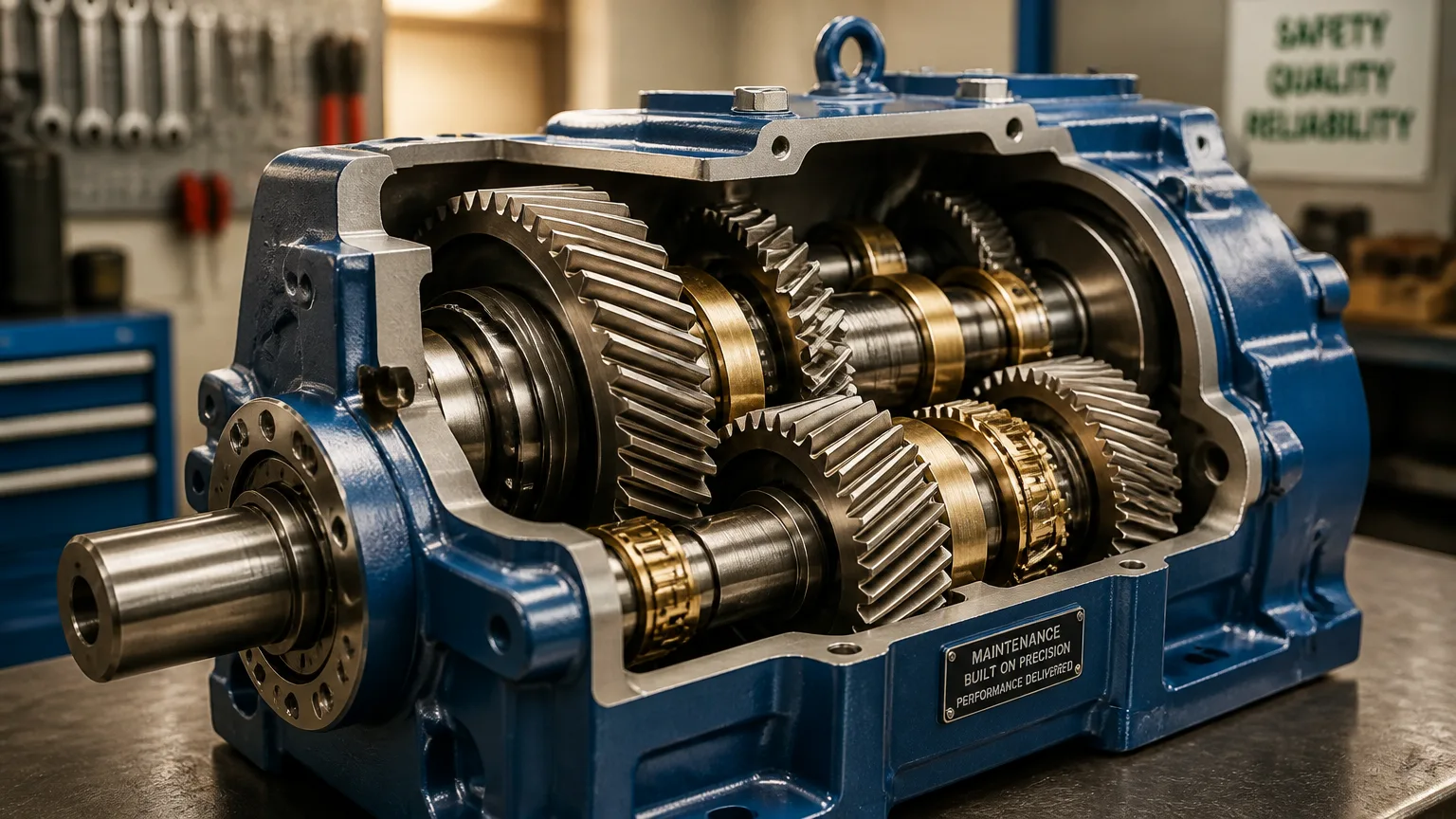
Gearboxes play a crucial role in the functionality of industrial machinery, impacting everything from production efficiency to overall operational reliability. Effective gearbox maintenance is essential for manufacturers and industrial facilities to prevent costly downtimes and ensure smooth operations. A well-maintained gearbox not only enhances performance but also extends the lifespan of the equipment, making it a vital component of any maintenance strategy.
Neglecting gearbox maintenance can lead to unexpected breakdowns and expensive repairs. Regular upkeep helps identify potential issues before they escalate, ensuring that operations remain uninterrupted. For those looking to enhance their maintenance practices, exploring tools like the Top 7 Gearbox Repair Tools Every Manufacturer Must Have can provide valuable insights into effective solutions.
In this article, we will delve into five essential gearbox maintenance tips that can significantly enhance the longevity and efficiency of your industrial gear systems. By implementing these strategies, you can safeguard your operations against unforeseen disruptions and maximize productivity.
1. Regular Lubrication Checks
Regular lubrication checks are vital for effective gearbox maintenance. Proper lubrication reduces friction, wear, and overheating, significantly extending the life of your gearbox. Over time, lubricant can break down or become contaminated, leading to increased wear on gears and components.
Different types of lubricants serve various gearbox applications. For instance, synthetic oils often provide superior performance in high-temperature environments, while mineral oils may suffice in less demanding conditions. Always consult your manufacturer’s specifications to determine the appropriate lubricant type and viscosity for your specific gearbox.
Adhering to manufacturer guidelines for lubrication frequency is crucial. Regular checks ensure that lubricant levels remain optimal and that any necessary changes are made promptly. Neglecting this aspect of maintenance can lead to costly repairs and unplanned downtime, ultimately impacting your operations.
2. Routine Inspection and Monitoring
Regular inspections are vital for maintaining gearbox health and longevity. By examining key components, you can catch signs of wear or damage early, preventing costly breakdowns. Focus on inspecting gears, bearings, seals, and mounting points for any signs of deterioration or misalignment.
Utilizing monitoring tools can greatly enhance your inspection efforts. Vibration analysis, for instance, can detect unusual patterns that indicate potential issues. Temperature monitoring can also help identify overheating, which is a common indicator of problems within the gearbox.
Incorporating these techniques into your maintenance routine allows for proactive management. By addressing minor issues before they escalate, you extend the life of your gearbox and maintain operational efficiency. Regular monitoring and inspections create a robust maintenance strategy that safeguards your equipment against unexpected failures.
3. Proper Alignment and Installation
Misalignment during installation can severely compromise gearbox performance and lead to premature failure. When gears are not aligned correctly, they experience uneven wear and increased stress, which can result in overheating and ultimately, breakdowns. This not only affects the gearbox but can also disrupt overall machinery operation.
To ensure proper alignment, start by using alignment tools such as dial indicators or laser alignment systems. These devices help you measure the alignment accurately, allowing for precise adjustments. It’s also essential to check that the mounting surfaces are flat and free of debris before installation.
Additionally, consider the use of flexible couplings, which can help accommodate minor misalignments. Always refer to manufacturer guidelines for installation practices, as they provide valuable insights tailored to your specific gearbox model. Taking these steps can significantly enhance gearbox longevity and performance, making proper alignment a critical aspect of effective gearbox maintenance.
4. Environmental Considerations
Environmental factors play a crucial role in the lifespan of industrial gearboxes. Temperature fluctuations can lead to thermal expansion or contraction, affecting the integrity of components. High humidity levels may introduce moisture, which can promote rust and corrosion. Additionally, contaminants such as dust and debris can infiltrate the gearbox, causing wear and tear.
To protect gearboxes from these adverse conditions, consider the following precautions:
- Seal Enclosures: Use protective seals to minimize exposure to moisture and dust.
- Temperature Control: Implement climate control measures in areas where gearboxes operate. This can include insulation or heating systems to maintain stable temperatures.
- Regular Cleaning: Schedule routine cleaning to remove any accumulation of dirt and debris around the gearbox.
- Corrosion-Resistant Coatings: Apply specialized coatings to gearboxes to fend off rust and corrosion.
- Air Filtration Systems: Install filters to prevent contaminants from entering the gearbox.
For harsh environments, consider modifications like:
By addressing environmental considerations, you enhance the longevity of your gearbox and ensure reliable operation.
5. Timely Repairs and Parts Replacement
Addressing gearbox issues promptly is crucial for maintaining operational efficiency. Small problems, if ignored, can escalate into significant failures, leading to costly downtime. For instance, a minor leak can result in lubricant loss, causing increased wear and tear on gears.
Using quality replacement parts is equally important. Sourcing components from reputable manufacturers ensures you receive durable and reliable products. These parts are designed to meet specific performance standards, reducing the risk of further complications. For more information on sourcing quality components, check out our guide on the Top Gearbox Manufacturers in the USA: A Complete Guide.
Investing in timely repairs and quality parts not only extends the lifespan of your gearbox but also safeguards your operations against unexpected interruptions. Prioritizing these practices is essential for effective gearbox maintenance.
Conclusion: Prioritizing Gearbox Maintenance
Incorporating systematic gearbox maintenance is crucial for enhancing longevity and operational efficiency. By adhering to the five essential tips outlined, you can significantly reduce the risk of unexpected failures and costly repairs. Regular inspections, appropriate lubrication, and proper alignment are foundational practices that directly impact your gearbox’s performance.
Moreover, environmental considerations, such as applying protective coatings and utilizing air filtration systems, can further extend the life of your gearboxes. A well-maintained gearbox not only ensures smooth operations but also contributes to increased productivity across your facility.
Lastly, for those looking to optimize their operations, explore resources like the Best Gearboxes for Conveyor Systems: Industrial Buyer Guide. By implementing these maintenance strategies, you create a robust framework for success, ultimately safeguarding your investments and enhancing operational reliability.