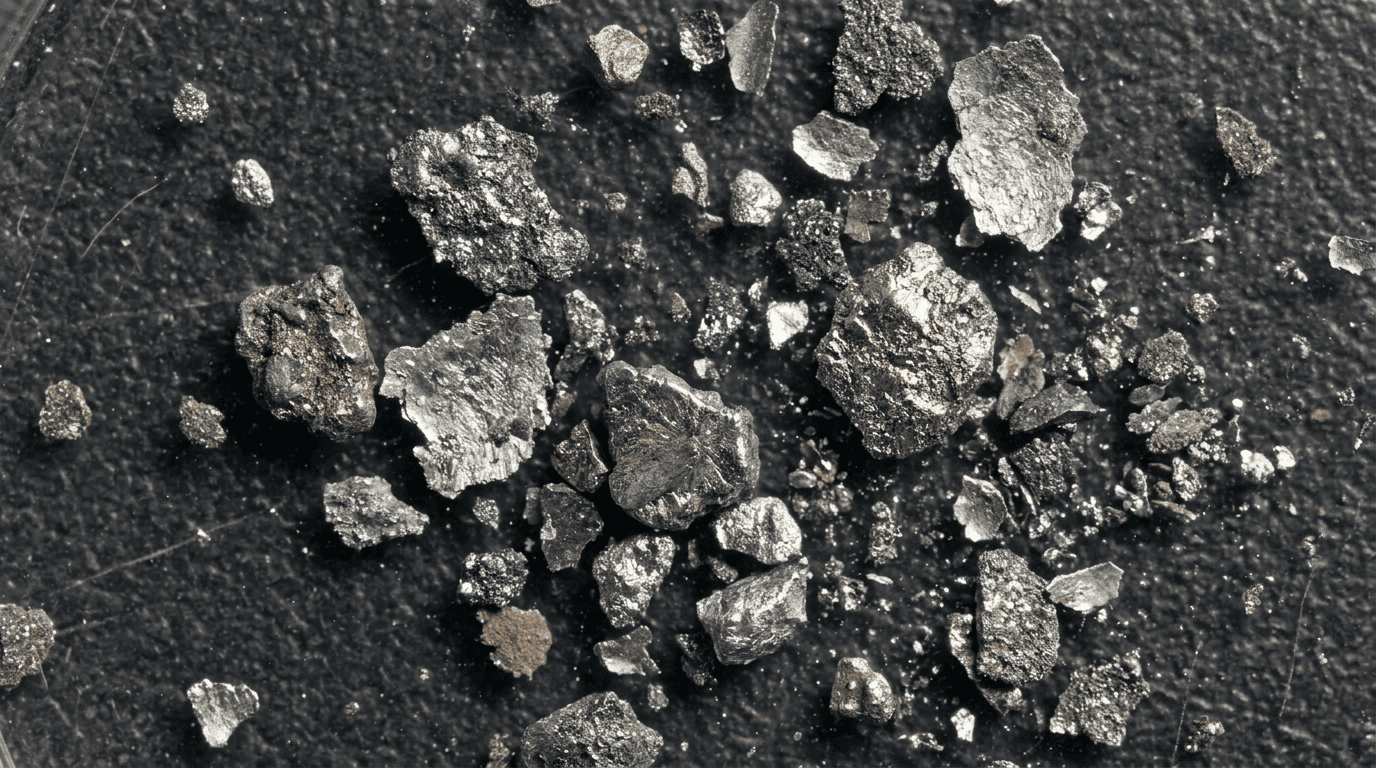
Metal particles in gearbox oil are one of the clearest warning signs that internal gearbox components may be wearing, failing, or operating under contaminated lubrication conditions. For maintenance managers, plant engineers, reliability teams, mechanics, and purchasing professionals, understanding what those particles mean can prevent unplanned downtime, catastrophic gear failure, and unnecessary replacement costs. Not every particle indicates immediate failure, but the size, type, quantity, and trend of the debris matter. A small amount of break-in wear may be normal; rising levels of ferrous particles, bronze flakes, or abrasive contamination are not. This guide explains how to interpret metal debris in gearbox oil and what actions to take next.
Metal particles in gearbox oil usually indicate wear from gears, bearings, shafts, bushings, thrust washers, or housings. Fine particles may be normal during break-in, but increasing particle counts, visible flakes, magnetic sludge, bronze-colored debris, or shiny chips often signal abnormal wear. The best response is to inspect the oil, trend oil analysis results, check filters and magnetic plugs, verify lubricant condition, inspect gear mesh and bearings, and determine whether the gearbox needs corrective maintenance, rebuild, or replacement.
Understanding the presence of metal particles in gearbox oil is crucial for diagnosing potential issues in industrial machinery. For a deeper insight into the importance of regular maintenance and repair of gearboxes, you can refer to a related article on industrial gearbox repair services in New York City. This resource provides valuable information on how to address gearbox problems effectively and ensure optimal performance. For more details, visit Industrial Gearbox Repair in New York City.
What Metal Particles in Gearbox Oil Mean
Metal particles are physical evidence of component wear inside a gearbox. Because industrial gearboxes operate under high loads, sliding contact, rolling contact, vibration, and heat, small amounts of wear are expected over time. However, abnormal metal debris can reveal problems long before vibration, temperature, or noise alarms occur.
In many cases, oil analysis identifies early failure modes before a technician can see external symptoms. This makes gearbox oil one of the most valuable diagnostic tools in a reliability program.
Common Sources of Metal Particles
Metal particles can originate from several internal components:
| Particle Source | Common Material | Typical Appearance | Possible Cause |
||:|||
| Gears | Steel / alloy steel | Shiny flakes, fine ferrous particles, chips | Pitting, scuffing, misalignment, overload |
| Bearings | Steel | Fine ferrous debris, spalls, magnetic paste | Fatigue, poor lubrication, contamination |
| Bushings | Bronze / brass | Yellow or copper-colored particles | Wear, misalignment, lubricant incompatibility |
| Shafts | Steel | Ferrous particles, scoring debris | Seal failure, misalignment, fretting |
| Housings | Cast iron / aluminum | Dark or gray particles | Internal rubbing, looseness, structural damage |
| Couplings | Steel / elastomer-related debris | Ferrous dust near input/output areas | Misalignment, vibration, poor installation |
Why Particle Type Matters
The type of metal can help identify the failing component. For example:
- Ferrous particles usually indicate wear from steel gears, shafts, or bearings.
- Bronze or copper-colored particles may point to bushings, thrust washers, cages, or worm gear components.
- Aluminum particles may come from housings, covers, or certain bearing cages.
- Chromium, nickel, or molybdenum may suggest alloy gear or bearing wear.
- Silicon and aluminum together may indicate dirt ingestion rather than internal metal wear.
For deeper root-cause evaluation, many reliability teams use laboratory oil analysis methods such as elemental spectroscopy, analytical ferrography, particle count testing, and ferrous density testing.
Useful external references include:
- SKF Bearing Damage and Failure Analysis
- Timken Bearing Damage Analysis
- AGMA Gear Standards and Technical Resources
- Noria Lubrication and Oil Analysis Resources
Causes of Metal Particles in Gearbox Oil
Metal debris does not appear randomly. It usually results from mechanical stress, lubricant failure, contamination, installation errors, or aging components.
Normal Break-In Wear
New or newly rebuilt gearboxes may produce fine metallic particles during the initial break-in period. During this stage, microscopic high spots on gear teeth and bearing surfaces smooth out under load.
Normal break-in wear usually has these characteristics:
- Fine particles rather than large flakes or chips
- Declining debris levels after the first oil change
- No abnormal vibration, heat, or noise
- Stable oil viscosity and additive condition
- No visible gear tooth damage during inspection
If particles continue increasing after break-in, the condition should be treated as abnormal.
Gear Tooth Pitting and Spalling
Gear teeth are exposed to repeated rolling and sliding contact. Over time, stress cycles can cause pitting, where small pieces of material break away from the tooth surface. Advanced pitting may become spalling, producing larger metallic flakes.
Common causes include:
- Overloading
- Shock loading
- Poor gear alignment
- Inadequate lubricant film strength
- Incorrect viscosity
- Contaminated oil
- Surface fatigue from age
Symptoms may include increased vibration, whining noise, magnetic debris, and visible pitting during borescope inspection.
Bearing Wear and Fatigue
Bearings are one of the most common sources of metal particles in gearbox oil. Rolling element bearings can shed particles when raceways, rollers, or balls begin to fatigue.
Bearing-related particles may indicate:
- Inadequate lubrication
- Overload
- Contamination by dirt or water
- Electrical fluting
- Misalignment
- Improper installation
- Excessive shaft deflection
As bearing damage progresses, oil may show rising iron levels, increased particle counts, and larger ferrous debris.
For related maintenance guidance, see IndustrialGearboxSolutions.com resources such as:
Lubricant Failure
Lubricant is the protective barrier between metal surfaces. When it fails, metal-to-metal contact increases and wear accelerates.
Lubricant failure may result from:
- Incorrect oil viscosity
- Oxidation
- Thermal degradation
- Depleted extreme-pressure additives
- Foaming
- Water contamination
- Wrong lubricant type
- Mixing incompatible oils
- Extended oil change intervals
Oil analysis can identify viscosity shifts, acid number increases, oxidation, additive depletion, and contamination levels.
Abrasive Contamination
Dirt, sand, process dust, metal dust, and other hard particles can enter the gearbox through damaged seals, breathers, inspection covers, or poor maintenance practices. Once inside, abrasive particles act like grinding compound between gear teeth and bearing surfaces.
Common entry points include:
- Failed shaft seals
- Open or damaged breathers
- Contaminated oil transfer containers
- Dirty funnels and fill ports
- Poor storage practices
- Pressure washing near seals
- Damaged inspection covers
Abrasive contamination often produces fine wear particles and elevated silicon levels in oil analysis.
Misalignment and Improper Installation
Misalignment between the motor, coupling, gearbox, and driven equipment can create uneven loading. This causes localized stress on gears and bearings, increasing metal wear.
Installation-related causes include:
- Soft foot
- Improper shaft alignment
- Incorrect coupling setup
- Inadequate foundation
- Improper gear contact pattern
- Wrong bearing preload
- Incorrect backlash
- Poor torqueing of fasteners
A gearbox may be mechanically sound but still fail prematurely if installation conditions are poor.
Industrial gearbox bearing failure can lead to costly downtime and production losses, so it’s important to address the issue promptly. Industrial gearbox bearing failure
Symptoms of Metal Contamination in Gearbox Oil
Metal particles may be discovered during oil sampling, routine oil changes, filter inspection, or magnetic plug inspection. However, there are often operational symptoms as well.
Visible Signs During Maintenance
Technicians may notice:
- Sparkling oil under light
- Gray or black metallic sludge
- Shiny flakes in drained oil
- Magnetic fuzz on drain plugs
- Clogged filters
- Bronze or copper-colored particles
- Silver chips at the bottom of oil containers
- Darkened or burnt-smelling oil
Visible metal chips should be taken seriously, especially if they are larger than fine powder or appear suddenly after normal operation.
Operating Symptoms
A gearbox generating metal particles may also show:
- Higher operating temperature
- New or increasing vibration
- Gear whine, rumbling, or knocking
- Increased amperage draw
- Oil foaming
- Leakage from seals
- Reduced output torque
- Erratic operation
- Increased backlash
- Frequent lubricant degradation
These symptoms should be cross-checked with oil analysis, vibration data, thermography, and physical inspection.
Oil Analysis Warning Signs
Oil analysis can reveal trends before obvious symptoms occur.
Key warning indicators include:
| Oil Analysis Indicator | What It May Mean |
|||
| Rising iron | Gear, bearing, or shaft wear |
| Rising copper | Bronze bushing, thrust washer, or bearing cage wear |
| Rising chromium | Bearing or hardened gear surface wear |
| High particle count | Contamination or abnormal wear |
| High ferrous density | Active steel wear |
| Increased viscosity | Oxidation, contamination, overheating |
| Decreased viscosity | Wrong oil, fuel/process dilution, shear |
| High water content | Seal failure, condensation, washdown ingress |
| High silicon | Dirt contamination |
| Elevated acid number | Oxidation and lubricant degradation |
The trend matters more than a single result. A sudden spike in iron, copper, or particle count is often more urgent than a stable value slightly above baseline.
Understanding the presence of metal particles in gearbox oil is crucial for maintaining the longevity and efficiency of industrial machinery. For those interested in exploring more about gearbox solutions and manufacturers, a related article can provide valuable insights into the offerings of Amarillo Gear. You can read more about their innovative designs and technologies by visiting this link. This information can help you make informed decisions regarding gearbox maintenance and performance optimization.
Troubleshooting Metal Particles in Gearbox Oil
| Metal Particle Type | Size (microns) | Quantity | Implication |
|---|---|---|---|
| Iron | 10-100 | High | Indicates wear on gears or bearings |
| Aluminum | 10-50 | Low | Possible presence of soft debris |
| Copper | 5-50 | Medium | Sign of bearing or bushing wear |
| Steel | 10-100 | High | Indicates gear or bearing wear |
When metal particles are found, the goal is to determine severity, source, and corrective action. Avoid assuming that an oil change alone will solve the issue.
Step-by-Step Troubleshooting Process
Use the following troubleshooting workflow:
- Stop and document the finding
Record oil condition, debris appearance, gearbox temperature, operating load, vibration, and recent maintenance history.
- Identify particle appearance
Note whether debris is powder-like, flake-like, chip-like, magnetic, bronze-colored, or sludge-like.
- Check the magnetic drain plug
Ferrous buildup indicates steel wear. Large chunks or sharp particles require immediate investigation.
- Inspect filters and strainers
Cut open filters if applicable and document debris quantity and type.
- Pull a representative oil sample
Use proper sampling procedures from a live zone, not from the bottom sludge layer unless specifically collecting drain analysis.
- Send oil for laboratory analysis
Request elemental analysis, particle count, viscosity, water, oxidation, acid number, and ferrography if severe wear is suspected.
- Compare to historical trends
Determine if the issue is new, increasing, or stable.
- Inspect gearbox externally
Look for leaks, loose bolts, misalignment, soft foot, overheating, and abnormal noise.
- Perform vibration analysis
Identify gear mesh issues, bearing defects, looseness, misalignment, or resonance.
- Conduct internal inspection
Use a borescope or open inspection cover if safe and practical.
- Decide corrective action
Options include filtration, oil change, bearing replacement, gear repair, rebuild, or replacement.
When to Shut Down Immediately
Immediate shutdown or controlled outage should be considered if you find:
- Large metal chips
- Rapidly increasing ferrous debris
- Loud knocking or grinding
- Sudden temperature rise
- Severe vibration alarm
- Loss of oil pressure or oil flow
- Burnt oil smell with metal flakes
- Visible broken gear teeth
- Bearing cage fragments
- Seal failure with severe oil loss
Running a gearbox to failure can damage gears, shafts, housings, couplings, motors, and driven equipment. In critical applications, early shutdown can save substantial repair cost.
When Continued Operation May Be Acceptable
Continued operation may be acceptable temporarily if:
- Particles are very fine
- Levels are stable or declining
- Oil analysis shows no severe trend
- Vibration and temperature are normal
- The gearbox is in break-in
- There are no visible chips or flakes
- Maintenance has a planned inspection window soon
Even then, increase monitoring frequency and document all findings.
Inspection Methods for Gearbox Oil and Internal Components
A strong inspection program combines oil analysis, visual inspection, vibration testing, thermography, and mechanical checks.
Visual Oil Inspection
Visual inspection is simple but valuable. Place a small oil sample in a clean, clear container and inspect it under strong light.
Look for:
- Shiny metallic reflection
- Cloudiness from water
- Dark sludge
- Foam
- Settled particles
- Bronze or copper tint
- Burnt odor
- Thick or sticky texture
A magnet can help separate ferrous from non-ferrous particles. However, visual checks do not replace laboratory analysis.
Magnetic Plug Inspection
Magnetic drain plugs and magnetic inspection rods capture ferrous debris from gears, bearings, and shafts.
Inspection tips:
- Check during scheduled maintenance
- Photograph the plug before cleaning
- Note whether debris is paste, fuzz, flakes, or chunks
- Save abnormal debris for analysis
- Compare debris amount over time
- Clean and reinstall properly
A small amount of fine magnetic fuzz may be normal. Sharp flakes or chips are not.
Laboratory Oil Analysis
Professional oil analysis provides the best evidence for decision-making.
Recommended tests include:
| Test | Purpose |
|||
| Elemental spectroscopy | Identifies metals, additives, and contaminants |
| Particle count | Measures contamination level |
| Ferrous density | Measures magnetic wear debris |
| Analytical ferrography | Examines particle shape and wear mode |
| Viscosity | Confirms lubricant grade and degradation |
| Water content | Detects moisture contamination |
| Acid number | Tracks oxidation and oil aging |
| FTIR | Detects oxidation, nitration, contamination |
| Karl Fischer water test | Measures low-level water contamination |
For severe wear, analytical ferrography is especially useful because particle shape can indicate cutting wear, sliding wear, fatigue wear, or corrosive wear.
Borescope Inspection
A borescope allows technicians to inspect gears, bearings, and internal surfaces without complete disassembly.
Use borescope inspection to look for:
- Gear tooth pitting
- Scoring or scuffing
- Broken teeth
- Abnormal contact patterns
- Bearing discoloration
- Loose components
- Debris accumulation
- Oil starvation marks
- Corrosion
Borescope inspection is particularly useful after oil analysis shows rising wear metals but before failure becomes obvious.
Vibration and Temperature Monitoring
Oil debris tells you that wear is occurring. Vibration analysis helps identify where and how.
Vibration can detect:
- Gear mesh defects
- Bearing faults
- Misalignment
- Imbalance
- Mechanical looseness
- Resonance
- Shaft defects
Thermal imaging and temperature trending can reveal lubrication failure, overload, bearing distress, or cooling problems.
Prevention: How to Reduce Metal Particles in Gearbox Oil
Preventing metal debris begins with controlling load, lubrication, contamination, alignment, and maintenance practices.
Use the Correct Lubricant
The lubricant must match the gearbox design, load, speed, temperature, and operating environment. Always follow OEM recommendations or consult a qualified lubrication specialist.
Key lubricant considerations:
- ISO viscosity grade
- Extreme-pressure additive package
- Synthetic vs. mineral oil
- Compatibility with seals and yellow metals
- Operating temperature range
- Water separation properties
- Foam resistance
- Micropitting protection
- Food-grade requirements if applicable
AGMA provides widely used standards and guidance related to enclosed industrial gear drives. Refer to AGMA resources for technical standards.
Control Contamination
Contamination control is one of the most cost-effective ways to extend gearbox life.
Best practices include:
- Install high-quality breathers
- Use desiccant breathers in humid environments
- Filter new oil before filling
- Use sealed oil transfer containers
- Keep fill ports clean
- Avoid open buckets and dirty funnels
- Repair leaking seals quickly
- Keep inspection covers sealed
- Prevent washdown water from entering the gearbox
- Use offline filtration where appropriate
Noria offers excellent practical guidance on contamination control and lubrication practices at Noria.com.
Maintain Proper Alignment
Proper alignment reduces uneven gear and bearing loading.
Alignment best practices:
- Use laser alignment for motor-to-gearbox couplings
- Check soft foot before alignment
- Verify baseplate and foundation integrity
- Confirm coupling tolerances
- Inspect for pipe strain or external loads
- Recheck alignment after thermal growth
- Document alignment readings
Misalignment can generate metal debris even when lubricant quality is excellent.
Avoid Overloading and Shock Loading
Excessive load increases contact stress and accelerates fatigue wear.
Prevention methods:
- Verify gearbox service factor
- Review application loads
- Check for process jams or torque spikes
- Use soft starts or VFDs where appropriate
- Inspect couplings and torque limiters
- Confirm driven equipment is not binding
- Avoid sudden start-stop cycles when possible
If the gearbox is undersized for the application, repeated rebuilds may not solve the root problem.
Repair vs. Replacement: How to Decide
When metal particles indicate internal damage, maintenance and purchasing teams must decide whether to repair, rebuild, or replace the gearbox.
When Repair May Be the Best Option
Repair or rebuild is often practical when:
- Gearbox housing is in good condition
- Damage is limited to bearings or seals
- Gears can be reconditioned or replaced
- Lead time for new gearbox is too long
- OEM unit is obsolete
- Rebuild cost is significantly lower than replacement
- A qualified repair facility can restore tolerances
- Downtime window supports repair
Common repair actions include bearing replacement, seal replacement, shaft repair, gear replacement, re-machining, re-shimming, alignment correction, and flushing.
For help evaluating rebuild options, see:
When Replacement May Be Better
Replacement may be the smarter choice when:
- Housing is cracked or distorted
- Multiple gears are severely damaged
- Shafts are bent or deeply scored
- Repair cost approaches replacement cost
- Gearbox is repeatedly failing
- Unit is undersized for the application
- Parts are unavailable or obsolete
- Efficiency upgrade is justified
- Plant reliability requires a new spare
Purchasing professionals should compare total cost of ownership, not just initial price. A lower-cost repair may be expensive if it fails again due to design limitations or poor application fit.
Cost and Risk Comparison
| Option | Best For | Advantages | Risks |
|||||
| Oil change and monitoring | Minor stable debris | Low cost, quick | May miss active failure |
| Filtration and flushing | Contamination control | Removes debris | Does not repair damaged parts |
| Bearing/seal repair | Localized bearing wear | Cost-effective | Gear damage may remain |
| Full rebuild | Worn but salvageable gearbox | Restores reliability | Requires skilled shop |
| Replacement | Severe or repeated failure | Long-term solution | Higher cost and lead time |
Maintenance Best Practices for Gearboxes with Metal Debris Risk
A proactive maintenance program can detect and reduce metal particles before they become catastrophic failures.
Recommended Maintenance Schedule
| Frequency | Task |
|||
| Daily/Weekly | Check oil level, leaks, temperature, noise |
| Monthly | Inspect breather, seals, vibration, magnetic plug if accessible |
| Quarterly | Pull oil sample for critical gearboxes |
| Semiannual | Inspect alignment, foundation, coupling, filters |
| Annual | Perform borescope inspection on critical assets |
| During outage | Drain inspection, flush if needed, open inspection covers |
| After rebuild | Early oil change and analysis after break-in |
Intervals should be adjusted based on asset criticality, operating conditions, load, environment, and oil analysis results.
Oil Sampling Best Practices
Poor sampling produces misleading results. Use consistent sampling methods.
Best practices include:
- Sample while the gearbox is operating or shortly after shutdown
- Use a dedicated sample port in a turbulent oil zone
- Avoid sampling from the drain unless evaluating settled debris
- Use clean sample bottles
- Label samples accurately
- Record operating hours and oil hours
- Note recent oil additions or changes
- Use the same lab and test slate for trending
Consistency is essential for meaningful trend analysis.
Gearbox Flushing After Metal Contamination
If abnormal metal debris is found, flushing may be necessary before refilling with clean oil.
Flushing may include:
- Draining hot oil safely
- Cleaning magnetic plugs
- Removing and cleaning inspection covers
- Flushing low points and dead zones
- Replacing filters
- Using compatible flushing oil
- Circulating oil through filtration
- Verifying cleanliness before startup
Do not assume a simple drain removes all debris. Metal particles can remain trapped in corners, bearings, oil passages, and housings.
Common Mistakes to Avoid
Even experienced teams can make costly mistakes when metal particles are discovered.
Mistake 1: Treating All Metal Debris as Normal
Break-in wear can be normal, but visible chips, flakes, or rising wear metals are warning signs. Always trend and investigate.
Mistake 2: Changing Oil Without Root-Cause Analysis
Fresh oil may temporarily reduce debris concentration, but it will not fix damaged bearings, misalignment, overload, or gear tooth distress.
Mistake 3: Ignoring Non-Ferrous Particles
A magnet will not capture bronze, brass, aluminum, or copper particles. Non-ferrous debris can indicate serious bushing, thrust washer, or worm gear wear.
Mistake 4: Using the Wrong Oil
Incorrect viscosity or incompatible additives can accelerate wear. Verify lubricant selection against OEM requirements and actual operating conditions.
Mistake 5: Waiting for Catastrophic Failure
Metal particles are an early warning. Waiting until the gearbox becomes noisy, hot, or seized usually increases repair cost and downtime.
Suggested Branded Images for IndustrialGearboxSolutions.com
Image 1: Metal Particles on Magnetic Drain Plug
Alt text: Metal particles in gearbox oil collected on a magnetic drain plug during industrial gearbox inspection
Caption: Magnetic drain plugs help maintenance teams identify ferrous wear debris before gearbox failure escalates.
Image 2: Technician Pulling Gearbox Oil Sample
Alt text: Industrial gearbox oil sampling by a reliability technician for wear metal analysis
Caption: Consistent oil sampling and trend analysis are essential for detecting abnormal gearbox wear.
Image 3: Borescope Inspection of Gear Teeth
Alt text: Borescope inspection showing gear tooth wear inside an industrial gearbox
Caption: Internal inspections help confirm whether metal particles are coming from gear pitting, scuffing, or bearing damage.
Image 4: Oil Analysis Report with Wear Metals
Alt text: Gearbox oil analysis report showing iron copper and particle count trends
Caption: Oil analysis helps maintenance managers determine whether metal debris is stable, increasing, or critical.
Image 5: Gearbox Rebuild Workbench
Alt text: Industrial gearbox rebuild with gears bearings and shafts inspected for metal wear damage
Caption: A professional rebuild can restore gearbox reliability when metal debris indicates internal component wear.
SEO Metadata Suggestions
SEO Title
Understanding Metal Particles in Gearbox Oil: Causes, Symptoms, and Solutions
Meta Description
Metal particles in gearbox oil can signal gear, bearing, or lubricant failure. Learn causes, inspection methods, troubleshooting steps, prevention, and repair options.
Primary Keyword
metal particles in gearbox oil
Secondary Keywords
- gearbox oil metal shavings
- metal flakes in gear oil
- gearbox wear particles
- industrial gearbox oil analysis
- ferrous debris in gearbox oil
- gearbox contamination
- gearbox failure analysis
- gearbox bearing wear
- gear oil inspection
- gearbox repair vs replacement
Suggested URL Slug
understanding-metal-particles-in-gearbox-oil
Search Intent
Informational and commercial investigation. The reader wants to understand what metal particles mean, how serious the issue is, and whether professional gearbox inspection, repair, rebuild, or replacement is needed.
FAQs
Are metal particles in gearbox oil normal?
A small amount of fine metallic debris can be normal during break-in or long-term operation. However, visible flakes, chips, bronze-colored particles, or increasing wear metal trends are not normal and should be investigated.
What do shiny metal flakes in gearbox oil indicate?
Shiny flakes often indicate surface fatigue, gear tooth pitting, spalling, or bearing damage. The gearbox should be inspected using oil analysis, magnetic plug checks, vibration analysis, and possibly borescope inspection.
What does magnetic sludge on a gearbox drain plug mean?
Magnetic sludge usually consists of fine ferrous wear particles from steel components such as gears, shafts, or bearings. A light paste may be normal, but heavy buildup, flakes, or sharp debris can indicate active wear.
Can I keep running a gearbox with metal particles in the oil?
It depends on particle size, quantity, trend, and operating symptoms. If debris is fine and stable, monitored operation may be acceptable. If there are chips, flakes, rising wear metals, high vibration, heat, or noise, continued operation may risk catastrophic failure.
Will changing the oil remove the problem?
An oil change can remove suspended debris, but it will not correct the root cause of abnormal wear. If the gearbox has damaged bearings, misalignment, contamination ingress, overload, or gear tooth distress, the problem will continue.
What oil analysis test is best for metal particles?
Elemental spectroscopy, particle count, ferrous density, and analytical ferrography are all useful. Analytical ferrography is especially valuable when abnormal wear is suspected because it evaluates particle shape, size, and wear mode.
What does bronze or copper-colored debris mean?
Bronze or copper-colored debris may indicate wear from bushings, thrust washers, bearing cages, worm gears, or other yellow-metal components. This is important because magnetic plugs will not capture non-ferrous particles.
How often should gearbox oil be analyzed?
Critical gearboxes are often sampled quarterly, while less critical units may be sampled semiannually or annually. High-risk gearboxes, severe-duty applications, or units showing abnormal debris should be sampled more frequently.
Can filtration remove metal particles from gearbox oil?
Yes, filtration can remove many suspended particles, and magnetic filtration can help remove ferrous debris. However, filtration does not repair damaged internal components. It should be used along with root-cause analysis.
When should a gearbox be rebuilt instead of replaced?
A gearbox may be rebuilt when the housing is sound, gears and shafts are repairable or replaceable, and rebuild cost and lead time are favorable. Replacement may be better when damage is severe, the unit is undersized, or repeated failures have occurred.
Key Takeaways
- Metal particles in gearbox oil are an important early warning sign of internal wear.
- Fine particles may be normal during break-in, but flakes, chips, bronze debris, or rising wear trends require investigation.
- Common sources include gears, bearings, shafts, bushings, thrust washers, and housings.
- Oil analysis, magnetic plug inspection, filter inspection, vibration analysis, and borescope inspection provide the best diagnostic picture.
- An oil change alone does not solve abnormal wear.
- Contamination control, correct lubricant selection, alignment, load management, and scheduled inspections reduce metal debris risk.
- Repair vs. replacement decisions should consider damage severity, downtime, parts availability, gearbox criticality, and total cost of ownership.
- Early action can prevent catastrophic gearbox failure and reduce maintenance cost.
Conclusion
Metal particles in gearbox oil should never be ignored. They provide direct evidence of what is happening inside the gearbox and can help maintenance teams identify wear before failure becomes catastrophic. The key is to evaluate particle type, size, quantity, and trend using proper inspection methods and oil analysis. Fine debris may call for monitoring, filtration, or an oil change, while flakes, chips, bronze particles, or rapidly increasing wear metals may require immediate inspection, repair, rebuild, or replacement.
For maintenance managers, plant engineers, reliability engineers, mechanics, and purchasing professionals, the best approach is proactive: sample consistently, inspect thoroughly, correct contamination and alignment issues, and involve experienced gearbox repair specialists when abnormal debris appears. Addressing metal particles early protects production, reduces emergency downtime, and extends gearbox life.
FAQs
What are metal particles in gearbox oil?
Metal particles in gearbox oil are small fragments of metal that have broken off from the internal components of the gearbox, such as gears, bearings, or shafts. These particles can be identified through oil analysis and are an indication of wear or damage within the gearbox.
What do metal particles in gearbox oil indicate?
The presence of metal particles in gearbox oil indicates that there is ongoing wear or damage occurring within the gearbox. This could be due to factors such as improper lubrication, misalignment, overloading, or the presence of contaminants in the oil.
How are metal particles in gearbox oil detected?
Metal particles in gearbox oil are typically detected through oil analysis, which involves taking a sample of the gearbox oil and examining it for the presence of metal particles using specialized equipment. The size, shape, and composition of the particles can provide valuable insights into the type and severity of the wear or damage occurring within the gearbox.
What are the potential consequences of metal particles in gearbox oil?
The presence of metal particles in gearbox oil can lead to increased friction, heat, and wear within the gearbox, ultimately resulting in reduced efficiency, increased maintenance requirements, and potential failure of the gearbox components if left unaddressed.
How can metal particles in gearbox oil be addressed?
Addressing metal particles in gearbox oil typically involves identifying and rectifying the underlying cause of the wear or damage, such as improving lubrication practices, addressing misalignment or overloading issues, and ensuring the gearbox is free from contaminants. Additionally, regular oil analysis and maintenance can help monitor and manage the presence of metal particles in gearbox oil.