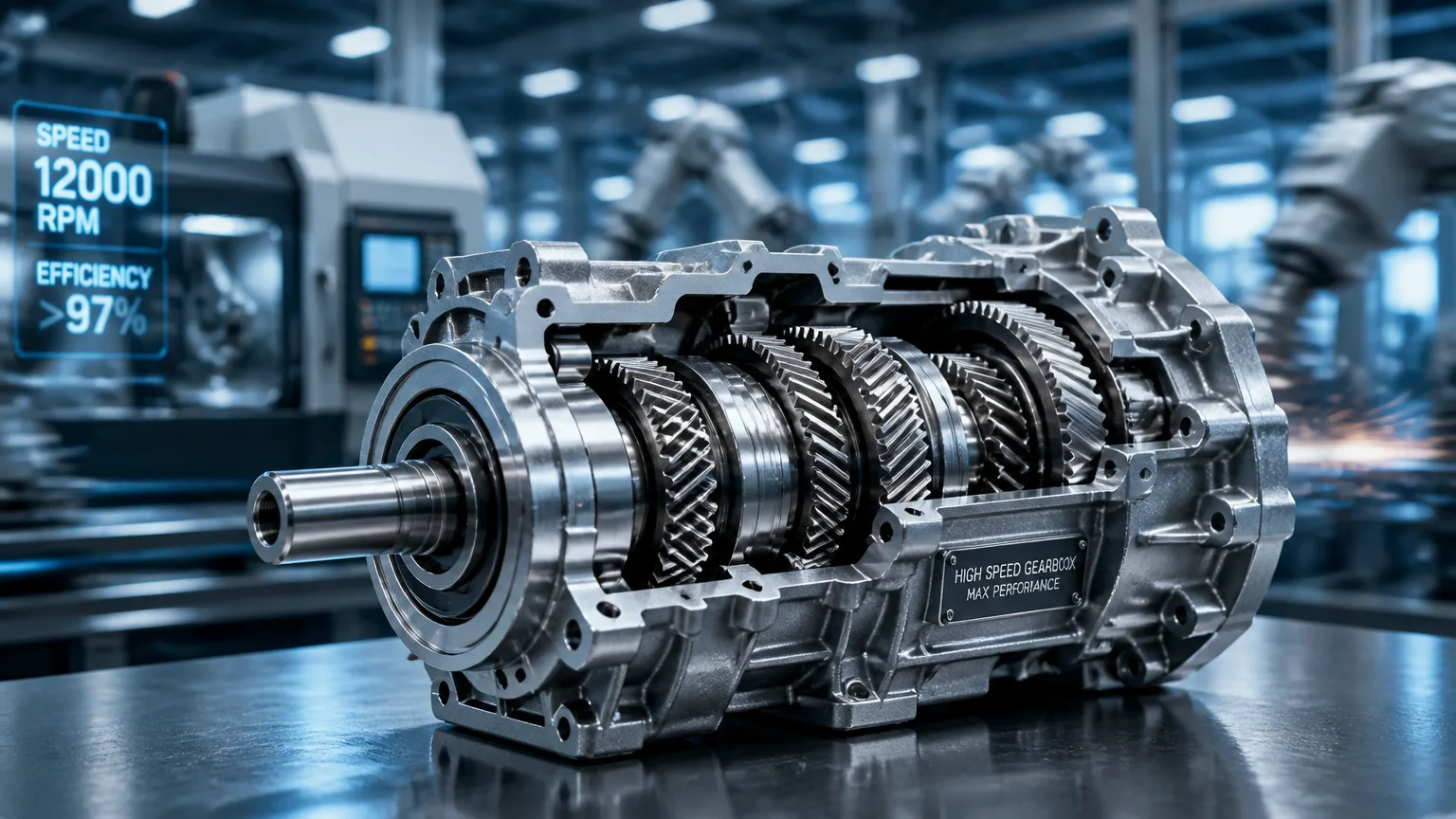
High-speed gearboxes have become integral to modern manufacturing, significantly enhancing production capabilities. As industries evolve, the demand for speed and efficiency drives innovations in gearbox technology. The transition from traditional gearboxes to high-speed alternatives showcases the industry’s commitment to optimizing performance.
In today’s competitive landscape, manufacturers must adapt to rapidly changing consumer demands. High-speed gearboxes offer a solution by facilitating faster operations and reducing downtime. These advancements not only improve productivity but also contribute to energy efficiency, which is increasingly vital in sustainable manufacturing practices.
Understanding the impact of high-speed gearboxes is crucial as they represent a key trend in industrial machinery. For more insights on how technology is reshaping the manufacturing sector, check out the article on the Top 5 Trends in Industrial Machinery Transforming Operations. Embracing these innovations can lead to significant operational benefits, positioning companies for future success.
Increased Efficiency and Productivity
High-speed gearboxes play a pivotal role in enhancing efficiency and productivity within manufacturing environments. By enabling faster production cycles, these gearboxes allow machinery to operate at higher RPMs, significantly reducing the time required to complete tasks. For example, in assembly lines, a high-speed gearbox can streamline the movement of components, leading to quicker turnaround times.
Moreover, the design of high-speed gearboxes minimizes energy loss during operation. This improvement in overall machinery efficiency not only boosts output but also reduces operational costs. Less energy consumption translates to lower utility bills, making the manufacturing process more cost-effective.
Additionally, high-speed gearboxes often feature advanced materials and engineering, which contribute to their durability and reliability. With less downtime due to maintenance, manufacturers can focus on maximizing production, ultimately driving profitability. By integrating high-speed gearboxes into machinery, companies can achieve a competitive edge in today’s fast-paced market.
Enhanced Precision in Operations
High-speed gearboxes play a crucial role in enhancing precision across various manufacturing applications. The relationship between speed and precision is vital; as machines operate at higher speeds, they require gearboxes that can maintain alignment and reduce backlash. This ensures that components move with extreme accuracy, minimizing errors in production.
Industries such as aerospace and automotive heavily rely on precision-driven processes. For example, in CNC machining, high-speed gearboxes enable precise cutting and shaping of materials, essential for creating intricate parts. Similarly, in robotics, accurate positional control is paramount, and high-speed gearboxes facilitate rapid and precise movements.
Furthermore, implementing a low backlash gearbox can significantly boost operational precision. By reducing unwanted movement, manufacturers can achieve tighter tolerances and improve overall product quality. To learn more about enhancing accuracy in your operations, check out our guide on how to Boost Precision in Industry with a Low Backlash Gearbox.
Cost-Effectiveness in Production
High-speed gearboxes offer significant cost benefits for manufacturers by enhancing operational efficiency. Their ability to transmit power more effectively means that machinery can operate at optimal speeds, reducing energy consumption. This increased efficiency directly translates to lower operational costs, allowing manufacturers to allocate resources more wisely.
Moreover, high-speed gearboxes typically require less frequent maintenance compared to traditional gear systems. With fewer components subject to wear and tear, manufacturers can experience decreased maintenance expenses. For best practices in maintaining these systems, consider exploring our article on 5 Essential Gearbox Maintenance Tips for Long-Lasting Performance.
In the long run, investing in high-speed gearboxes can lead to substantial savings, not only in energy costs but also in maintenance and operational downtime. This holistic approach to cost management can significantly enhance a manufacturer’s bottom line.
Improved Reliability and Durability
High-speed gearboxes are engineered with advanced materials that enhance their reliability and extend service life. For instance, many high-speed models utilize high-strength alloys and precision manufacturing techniques. This combination reduces wear and tear, ensuring that the gearbox can withstand demanding operational conditions.
Case studies reveal a stark contrast in failure rates between traditional gearboxes and high-speed variants. In one instance, a manufacturing plant reported a 50% reduction in gearbox failures after switching to high-speed gearboxes. This dramatic improvement not only minimizes downtime but also enhances overall productivity.
Moreover, the precise engineering of high-speed gearboxes allows for better load distribution, further increasing their durability. This reliability translates into lower maintenance costs and fewer interruptions in production, allowing companies to maintain a steady workflow and meet market demands effectively. Investing in high-speed gearboxes is a strategic move for manufacturers aiming to enhance operational resilience.
Versatility Across Industries
High-speed gearboxes exhibit remarkable versatility, making them essential across various manufacturing sectors. From automotive assembly lines to food processing plants, these gearboxes adapt to diverse operational needs, offering tailored solutions for efficiency and productivity.
In the automotive industry, high-speed gearboxes facilitate quick and precise movements required for assembly processes. Similarly, in the textile industry, they enable swift fabric handling, ensuring seamless production flows. The packaging sector also benefits, with high-speed gearboxes enhancing the speed and accuracy of packaging machinery.
Moreover, these gearboxes can be customized to meet the unique demands of different applications, whether it’s handling heavy loads or achieving high rotational speeds. This adaptability not only optimizes performance but also helps manufacturers remain agile in a competitive landscape, allowing them to respond swiftly to market changes and customer needs.
Conclusion: Embracing High-Speed Gearboxes for Future Manufacturing
In summary, high-speed gearboxes offer manufacturers a multitude of benefits, including enhanced efficiency, improved precision, and reduced operational costs. These advantages not only streamline production processes but also position companies for future growth in a competitive landscape.
Adopting high-speed gearboxes is a proactive step towards maintaining a resilient manufacturing operation. Regular upgrades and diligent maintenance can further amplify these benefits, ensuring that equipment runs at optimal performance.
To enhance your operational strategies, consider exploring options for equipment maintenance and repair. For guidance, check out Choosing the Right Industrial Gearbox Repair Service: Tips and Insights. Investing in high-speed gearboxes today can pave the way for increased productivity and profitability tomorrow.