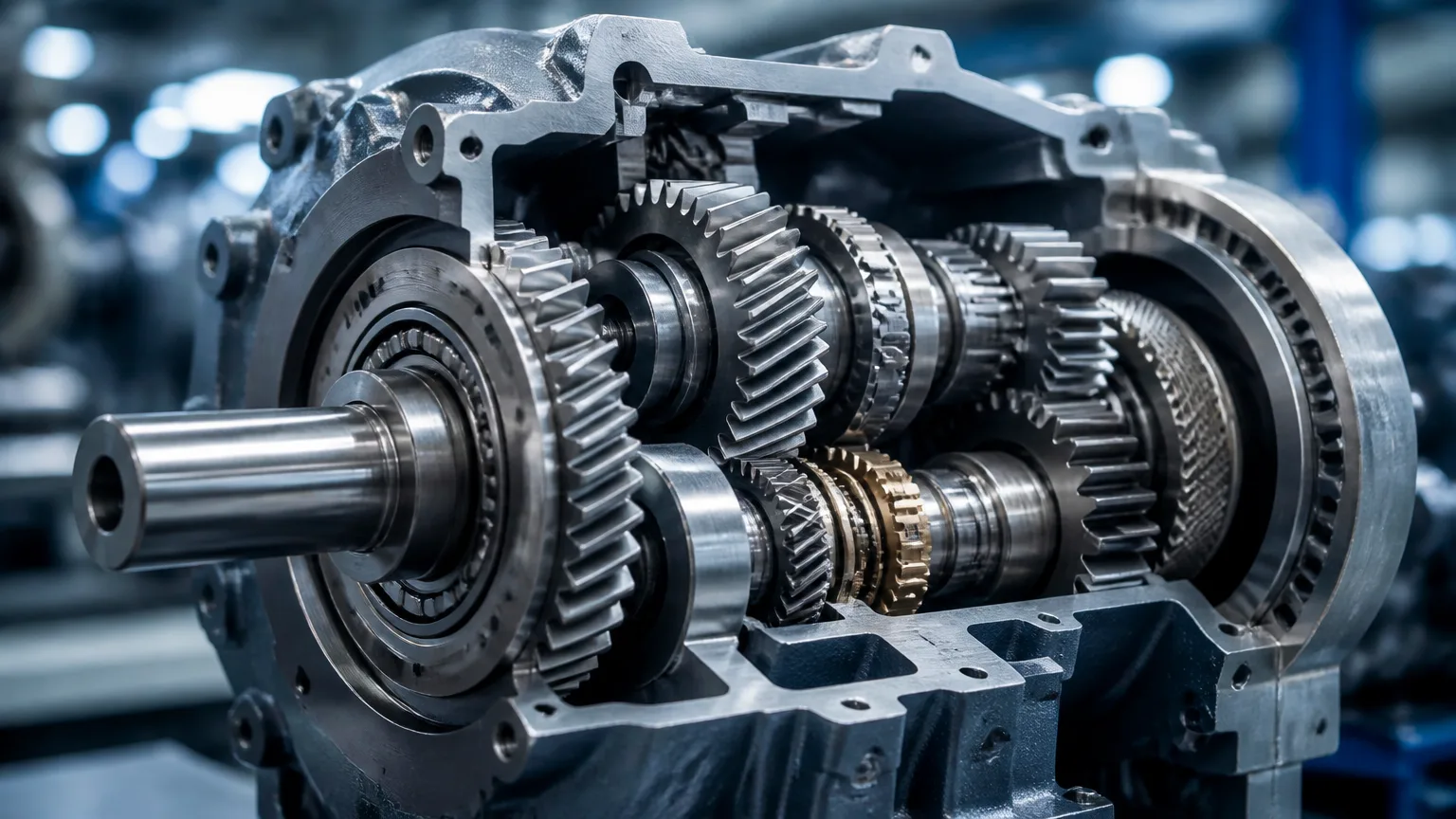
Understanding industrial equipment components is essential for achieving optimal performance in any industrial setting. Among these components, gearboxes play a critical role in converting input speeds and torque, ensuring machinery operates efficiently. Their reliability directly impacts production rates and equipment longevity, making them a focal point in industrial operations.
In this article, we will explore the key components of industrial equipment, emphasizing gearboxes and their various types, functions, and maintenance practices. We’ll discuss how gearboxes interact with other machinery parts and the significance of selecting the right type for specific applications. By grasping these concepts, you can enhance operational efficiency and reduce downtime, ultimately leading to more productive outcomes in your facility. Through a clear understanding of these crucial components, you’ll be better equipped to optimize your industrial processes.
1. Types of Gearboxes and Their Applications
Understanding the various types of gearboxes is crucial for selecting the right industrial equipment components. Each type is designed for specific applications, offering unique advantages.
Helical Gearboxes are known for their efficiency and quiet operation. They feature angled teeth that engage gradually, reducing noise and vibration. These gearboxes are ideal for applications requiring high torque and smooth operation, such as conveyors and mixers.
Planetary Gearboxes, on the other hand, are compact and provide high torque in a smaller footprint. Their design consists of multiple gears working together, distributing load effectively. This makes them perfect for applications in robotics and automation, where space is limited. For more insights into how a planetary gearbox can enhance your operations, consider reading about boosting industrial efficiency with planetary gearboxes.
Modular Gearboxes offer flexibility by allowing configurations to meet specific needs. Their adaptable design makes them suitable for various industries, including manufacturing and packaging.
Choosing the right gearbox type not only improves operational efficiency but also minimizes downtime. This ensures your industrial processes run smoothly, ultimately boosting productivity.
2. Key Benefits of Proper Gearbox Selection
Selecting the right gearbox is crucial for optimizing the performance of industrial equipment components. A well-chosen gearbox enhances efficiency, ensuring machinery operates at peak levels. This directly correlates with improved productivity and reduced energy consumption, which are essential in today’s competitive landscape.
Moreover, correct gearbox selection significantly impacts maintenance requirements. When gearboxes are suited to their applications, wear and tear are minimized. This leads to longer lifespan and fewer maintenance interventions, saving both time and resources. The result is a more reliable operation, allowing teams to focus on their core tasks instead of frequent repairs.
Cost savings are another vital advantage. Efficient gearboxes contribute to lower operational costs through reduced energy use and less frequent maintenance. By investing in the right gearbox, businesses can achieve substantial savings over time.
For those looking to deepen their understanding of gearbox efficiency and design principles, check out the 5 Essential Principles for Effective Gearbox Design. These insights can further guide your selections, ultimately enhancing machinery performance.
3. Maintenance and Care for Industrial Gearboxes
Effective maintenance of your industrial gearboxes is crucial for prolonging their lifespan and ensuring optimal performance. Regular lubrication is one of the most critical practices. Proper lubrication minimizes friction, reduces wear, and prevents overheating. Be sure to use the manufacturer-recommended lubricant and check levels frequently.
Inspections are equally important. Schedule routine checks to identify signs of wear, leaks, or abnormal noises. Early detection of issues can prevent minor problems from escalating into costly repairs or extended downtime.
In addition to lubrication and inspections, timely repairs are essential. If you notice any irregularities, address them immediately. Ignoring small issues can lead to more significant failures, which disrupt operations and impact productivity.
Adopting a preventive maintenance strategy can save your facility both time and money. By planning maintenance activities ahead of time, you can minimize operational interruptions. Remember, proactive care not only enhances the efficiency of your industrial equipment components but also ensures that your gearboxes perform at their best over the long term.
4. Choosing the Right Gearbox Repair Services
Selecting reliable gearbox repair services is critical for maintaining the optimal performance of your industrial equipment components. Start by evaluating the provider’s expertise. Look for companies with a proven track record in gearbox repairs specific to your industry. This ensures they understand the unique challenges and requirements your operations face.
Timeliness is equally vital. Delays in repair can lead to extended downtime, impacting productivity. Choose a service that emphasizes quick turnaround times without sacrificing quality. A reliable provider should communicate clearly about expected timelines and any potential issues.
Additionally, consider customer reviews and testimonials. Feedback from other businesses can provide insight into the provider’s reliability and service quality.
For more detailed guidance, refer to our article on Choosing the Right Industrial Gearbox Repair Service. This resource offers tips and insights that can aid you in making an informed decision, ensuring your gearbox repairs align with your operational goals.
5. Advances in Gearbox Technology
Recent innovations in gearbox technology are transforming operational capabilities across industries. Smart gearboxes, equipped with sensors and communication technologies, enable real-time monitoring and performance analytics. This shift allows for predictive maintenance, reducing unexpected downtimes and enhancing reliability.
Automation also plays a crucial role in modern gearbox designs. By integrating advanced control systems, manufacturers can optimize gearbox performance dynamically. These automated systems adjust to changing loads and conditions, ensuring maximum efficiency at all times.
For instance, the integration of electric motors with smart gearboxes has proven particularly effective. This synergy not only boosts performance but also enhances energy efficiency, making operations more sustainable. As outlined in our article on Unlocking Industrial Automation: Key Benefits for Manufacturers, these advancements can lead to significant cost reductions and productivity increases.
The ongoing development of gearbox technology is essential for maintaining competitiveness in today’s fast-paced industrial landscape. By investing in these innovations, businesses can achieve optimal performance from their industrial equipment components.
Concluding Thoughts on Optimal Gearbox Performance
Understanding the components of industrial gearboxes is essential for maximizing efficiency and performance in your operations. Selecting the right gearbox not only enhances productivity but also reduces the risk of unexpected downtime. This informed choice can lead to significant cost savings over time.
Proactive maintenance is equally crucial. Regular checks and timely repairs help ensure that your gearboxes operate at peak performance. Additionally, staying updated with the latest technological advancements can provide new opportunities for improved efficiency.
By prioritizing these aspects, you can ensure that your industrial equipment components work harmoniously, driving success in your facility. Take action today to optimize your gearbox performance and secure a competitive edge in your industry.