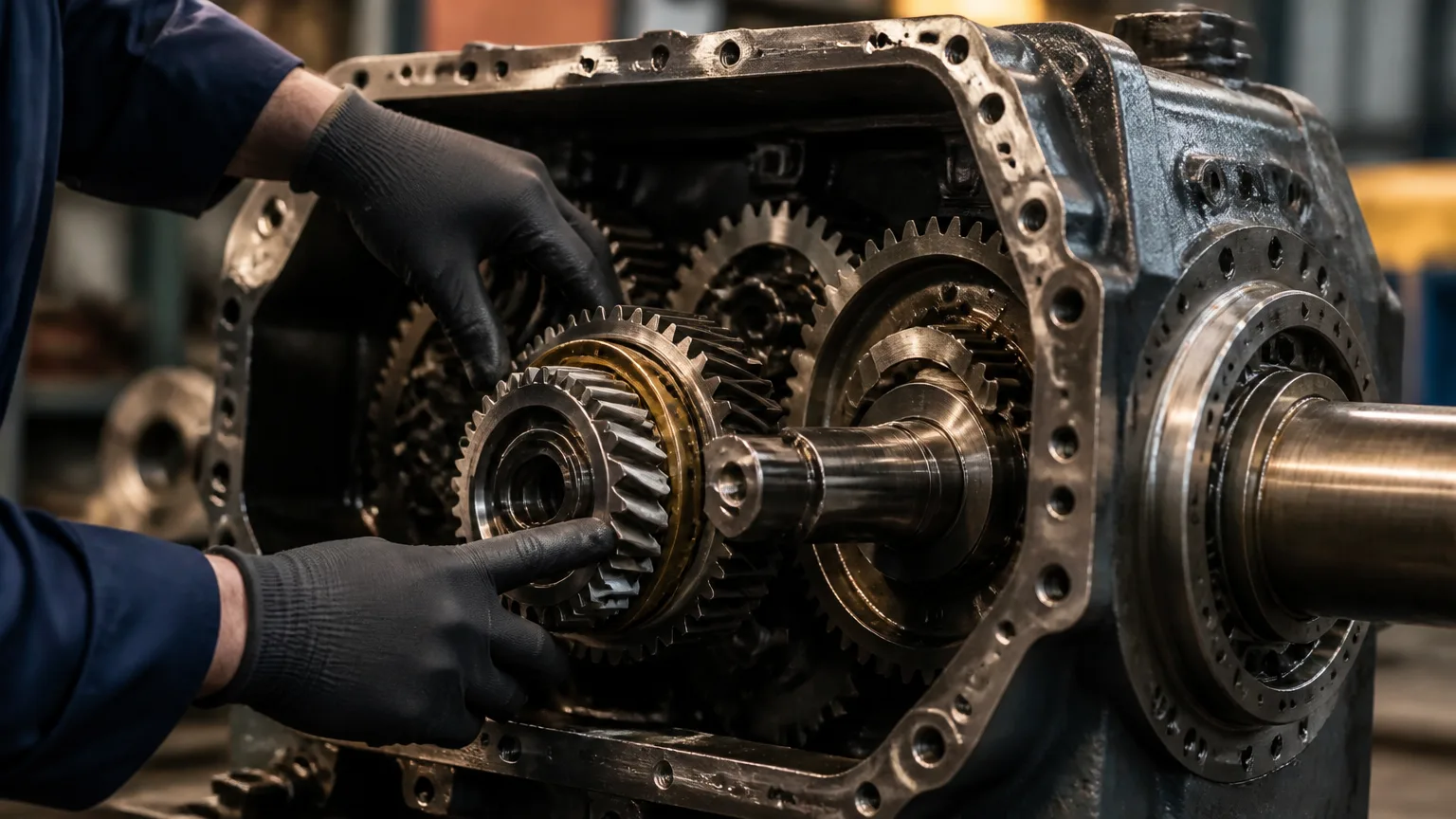
A battenfeld gearbox rebuild can restore the drive system that keeps plastics processing equipment productive. These gearboxes transmit high torque under demanding conditions, so wear may appear as unusual noise, overheating, oil leakage, vibration, or sudden failure.
Rebuilding offers a controlled alternative to immediate replacement. A qualified rebuild can restore performance, reduce capital cost, and potentially shorten lead time when new units are difficult to source. As discussed in this industrial gearbox rebuild context, the best choice depends on the housing condition, parts availability, failure severity, application demands, and production downtime costs.
This article explains the rebuild process and the cost factors that shape the decision. It also helps determine when rebuilding is practical—and when replacement provides greater long-term value.
Initial Inspection and Failure Diagnosis
Before approving a Battenfeld gearbox rebuild, a qualified repair provider reviews how the unit operated and failed. Technicians gather load conditions, operating hours, lubrication records, vibration trends, temperature readings, and symptoms observed before shutdown. Noise, overheating, oil leakage, rising vibration, or inconsistent torque can point to different internal problems.
The incoming inspection begins with photographs, nameplate details, and a complete condition report. Technicians check shafts, keyways, seals, mounting surfaces, and coupling areas for wear or impact damage. They also measure backlash and inspect the housing for distortion, cracks, or damaged bores. These findings help determine whether the gearbox can be restored within acceptable tolerances.
Root-cause analysis must come before a parts estimate. Bearing failure may result from misalignment, contamination, poor lubrication, or overload. Gear tooth damage may require correcting excessive loads, shaft runout, or inadequate oil protection. Inadequate maintenance can create several conditions at once, making a simple component replacement unreliable.
This diagnostic discipline applies across industrial gearbox repairs, but each Battenfeld unit requires application-specific evaluation. A documented gearbox repair process should identify the failure mechanism before recommending parts or labor. Only then can the provider determine whether rebuilding is practical or replacement offers better value.
The Battenfeld Gearbox Rebuild Process
A Battenfeld gearbox rebuild begins with controlled disassembly. Technicians photograph each stage, label parts, and record damage before removing components. The gearbox is then degreased, allowing accurate inspection of gears, bearings, seals, shafts, keys, housing bores, and lubrication components.
Reusable parts are measured against manufacturer specifications or approved engineering tolerances. Visual appearance alone cannot confirm serviceability. Technicians check gear tooth profiles, shaft diameters, bearing fits, backlash, runout, housing dimensions, and sealing surfaces.
Worn gears, bearings, seals, shafts, keys, and other components are replaced or refurbished as required. Replacement parts must match the original specifications, materials, clearances, load ratings, and operating conditions. Damaged bores, threads, fits, or mounting faces may require machining, sleeving, or corrective work when technically sound and economically justified.
During reassembly, technicians install bearings using the correct methods and tools. They set shims, verify shaft endplay, check gear backlash, and tighten fasteners to specified torque values. Seals must be positioned correctly, and the lubricant must match the gearbox design, speed, temperature, and load requirements.
The rebuilt unit then undergoes run testing before shipment or installation. Testing evaluates rotation, noise, vibration, operating temperature, leakage, and load behavior. Technicians document measurements, clearances, replaced parts, lubricant details, and test results. This record supports acceptance, installation, and future maintenance planning.
Key Cost Factors in a Battenfeld Gearbox Rebuild
A Battenfeld gearbox rebuild quotation begins with inspection and teardown. Technicians must identify the failure mechanism, measure clearances, and assess gears, shafts, housings, bearings, and seals. Extensive gear or shaft damage increases costs through replacement parts, machining, and specialized labor.
Bearing and seal replacement is common, but costs vary by design and availability. Genuine, upgraded, and aftermarket components may deliver different prices, service lives, and warranty coverage. Obsolete designs can require reverse engineering, custom machining, or difficult-to-source parts. Final testing also affects the estimate, particularly when load testing, vibration analysis, or extended run-in procedures are required.
Indirect costs can include shipping, expedited service, gearbox removal and installation, commissioning, temporary rental equipment, and lost production. Rapid response through emergency gearbox repair may increase immediate labor and freight costs, but it can limit the larger expense of extended downtime.
Request a written scope that separates inspection findings, mandatory repairs, optional upgrades, testing, warranty coverage, and exclusions. This detail helps plant managers compare complete proposals with incomplete low initial prices.
Rebuild or Replace: Making the Operational Decision
A Battenfeld gearbox rebuild is often practical when the housing and major geometry remain sound. Rebuilding also makes sense when the unit matches the application, replacement equipment has a long lead time, or a modern equivalent requires costly modifications.
Replacement may be better when the housing is cracked or severely distorted. It is also preferable when critical parts are unavailable, the design cannot handle current loads, or rebuild costs approach a dependable replacement unit.
Compare total lifecycle value, not the invoice price alone. Evaluate efficiency, reliability, warranty coverage, compatibility, delivery time, and future parts support. A lower-cost repair may create higher operating risk or repeated downtime.
When choosing a reliable gearbox repair partner, assess industrial gearbox experience, measurement and testing capabilities, documentation, turnaround commitments, and warranty terms. These factors help validate the repair strategy before production-critical work begins.
Planning a Reliable Battenfeld Gearbox Rebuild
A successful battenfeld gearbox rebuild depends on accurate diagnosis, disciplined workmanship, transparent cost evaluation, and correct installation and maintenance. Consider the gearbox condition, application demands, parts availability, downtime exposure, and total lifecycle cost before choosing repair or replacement.
When requesting an assessment, provide nameplate data, operating details, maintenance records, and failure symptoms. Qualified service supports industrial gearbox reliability, especially when rapid turnaround and dependable documentation are essential. A documented scope, tested repair, and clear maintenance plan help protect production and long-term equipment value.