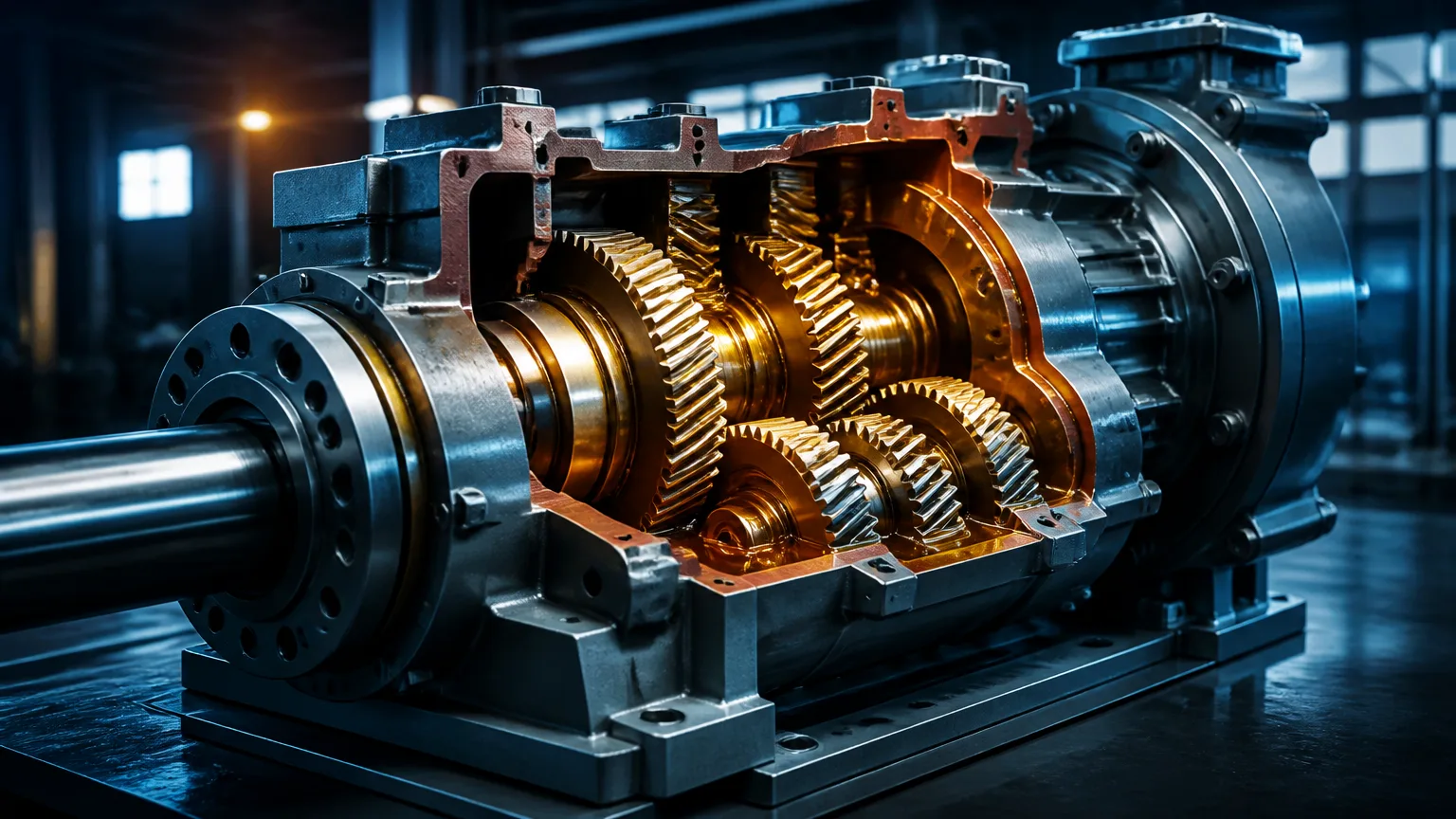
Synthetic lubricants can significantly influence an industrial gearbox’s reliability, operating life, and maintenance costs. By controlling heat and reducing wear, the right lubricant helps protect critical equipment, support uptime, and inform repair, refurbishment, or replacement planning. For manufacturers and facility managers, this makes lubrication a lifecycle decision—not simply a routine maintenance task.
Engineered for demanding temperatures, heavy loads, contamination risks, and extended service intervals, synthetic lubricants can outperform conventional options in specific applications. However, they are not automatically suitable for every gearbox. Selection should follow the gearbox manufacturer’s specifications, actual operating conditions, lubricant compatibility, and the equipment’s current condition.
This guide from Industrial Gearbox Solutions explains how to evaluate those factors. It also shows how lubricant choices can support practical decisions about heat management, wear prevention, service timing, and long-term gearbox reliability.
What Makes Synthetic Gearbox Lubricants Different?
Synthetic lubricants use engineered base stocks designed for predictable performance. Compared with conventional mineral oils, they typically maintain viscosity across a wider temperature range. This supports reliable lubrication during cold starts and sustained high-temperature operation.
Their more uniform molecular structure also improves resistance to oxidation, sludge formation, and thermal breakdown. These properties can help control lubricant degradation in demanding applications, including heavy-duty Cincinnati gearing systems and gearboxes exposed to continuous heat or variable loads.
Additive packages further shape lubricant performance. Depending on the formulation, additives can provide:
- Extreme-pressure protection for heavily loaded gear teeth
- Rust and corrosion control
- Foam suppression for stable oil-film formation
- Detergency and dispersancy to support internal cleanliness
However, no additive package suits every gearbox. Certain chemistries may affect specific seal materials, coatings, or nonferrous components. Compatibility must therefore be verified before switching products.
Synthetic labeling alone does not determine suitability. Select the lubricant by considering viscosity grade, base-oil chemistry, load rating, operating speed, temperature, and gearbox design together. A high-performance oil may still perform poorly if its viscosity or chemistry does not match the equipment’s requirements. Review the manufacturer’s specifications and inspect the gearbox’s current condition before making a change.
Key Benefits for Industrial Gearbox Reliability
When correctly matched to the gearbox, synthetic lubricants can improve reliability in demanding service. Their stronger oxidation and thermal stability helps protect oil exposed to continuous duty, high ambient temperatures, or elevated operating temperatures. This can reduce sludge, varnish, and viscosity breakdown that restrict lubrication.
Many synthetic formulations also provide strong film strength and wear protection. A stable lubricant film can help reduce gear pitting, scuffing, and bearing damage, supporting high-speed gearbox performance and reducing the risk of unplanned downtime. However, lubrication cannot correct misalignment, overload, incorrect assembly, or already damaged components.
Depending on the application, these benefits may support longer drain intervals and lower lubricant consumption. Reduced friction can also improve energy efficiency in some gearboxes. More stable lubricant performance makes service timing more predictable, helping maintenance teams plan inspections and replacement work before failures occur.
Verification remains essential. Use oil analysis to track viscosity, oxidation, contamination, and wear metals. Temperature tracking and vibration monitoring can reveal developing problems that lubricant performance alone cannot prevent. Inspect filters, breathers, seals, and magnetic plugs during scheduled service. These checks confirm whether the lubricant is delivering the expected protection and identify problems early.
How to Select and Introduce a Synthetic Lubricant
Begin with the gearbox manual and the lubricant manufacturer’s technical data. Confirm the required viscosity grade, performance classification, operating temperature range, load conditions, speed, and approved products. These specifications should guide selection, even when a higher-cost lubricant appears to offer better performance.
Before conversion, complete a compatibility review. Check seals, paints, residual mineral oil, and the existing lubricant’s synthetic chemistry. Some products require flushing, while others tolerate limited mixing. Do not combine lubricants without reviewing technical documentation or consulting the manufacturers. For gearboxes requiring Cincinnati Milacron repair, confirm lubricant requirements during the repair process.
Use this changeover sequence:
- Drain or clean the housing as appropriate for the gearbox and existing oil condition.
- Replace or inspect filters, and check the oil level, breathers, seals, and magnetic plugs.
- Fill with the approved synthetic lubricant, then record the product, viscosity, quantity, and fill date.
- Take a baseline oil sample and document operating temperature, noise, and vibration.
A new lubricant can loosen deposits or expose pre-existing wear. Schedule early follow-up inspections and oil analysis after conversion. Review debris, viscosity, contamination, and wear metals against the baseline. These checks help maintenance teams identify developing damage before it causes an unplanned shutdown.
When Lubrication Is Not Enough: Repair or Replacement Decisions
Synthetic lubricants can reduce friction, heat, and wear, but they cannot correct mechanical faults. Persistent overheating, abnormal noise, rising vibration, metal particles, repeated leaks, excessive backlash, or seal failure require investigation beyond an oil change. Visible gear or bearing damage also indicates a mechanical problem.
Contaminated or degraded oil can accelerate failure. However, replacing it will not correct misalignment, damaged teeth, bearing fatigue, inadequate cooling, or incorrect loading. Oil analysis can identify viscosity loss, contamination, and wear metals. Inspection findings then show whether damage is active, localized, or widespread.
A gearbox may be repairable in place when damage is limited and critical components remain serviceable. A rebuild or gearbox refurbishment versus replacement may be better when bearings, seals, or gears need extensive renewal. Replacement deserves consideration when the unit is outdated, inefficient, difficult to support, or structurally damaged.
Base the decision on production criticality, spare-part availability, lead time, and total downtime cost. Also compare expected efficiency and reliability with the age and design limitations of the existing gearbox. Act promptly when oil evidence and inspection results point to escalating damage.
Build Synthetic Lubricants Into a Gearbox Reliability Strategy
Selecting synthetic lubricants is one part of a complete asset-management program. Choose the correct lubricant for the gearbox design and duty, introduce it carefully, then verify performance through inspections and oil analysis.
Recurring lubricant problems may indicate mechanical wear, sealing, cooling, contamination, or installation issues—not simply a need for more frequent oil changes. When monitoring shows damage, seek qualified gearbox assessment and repair support. This is especially important when a lubrication upgrade coincides with rebuilding or replacing the gearbox.