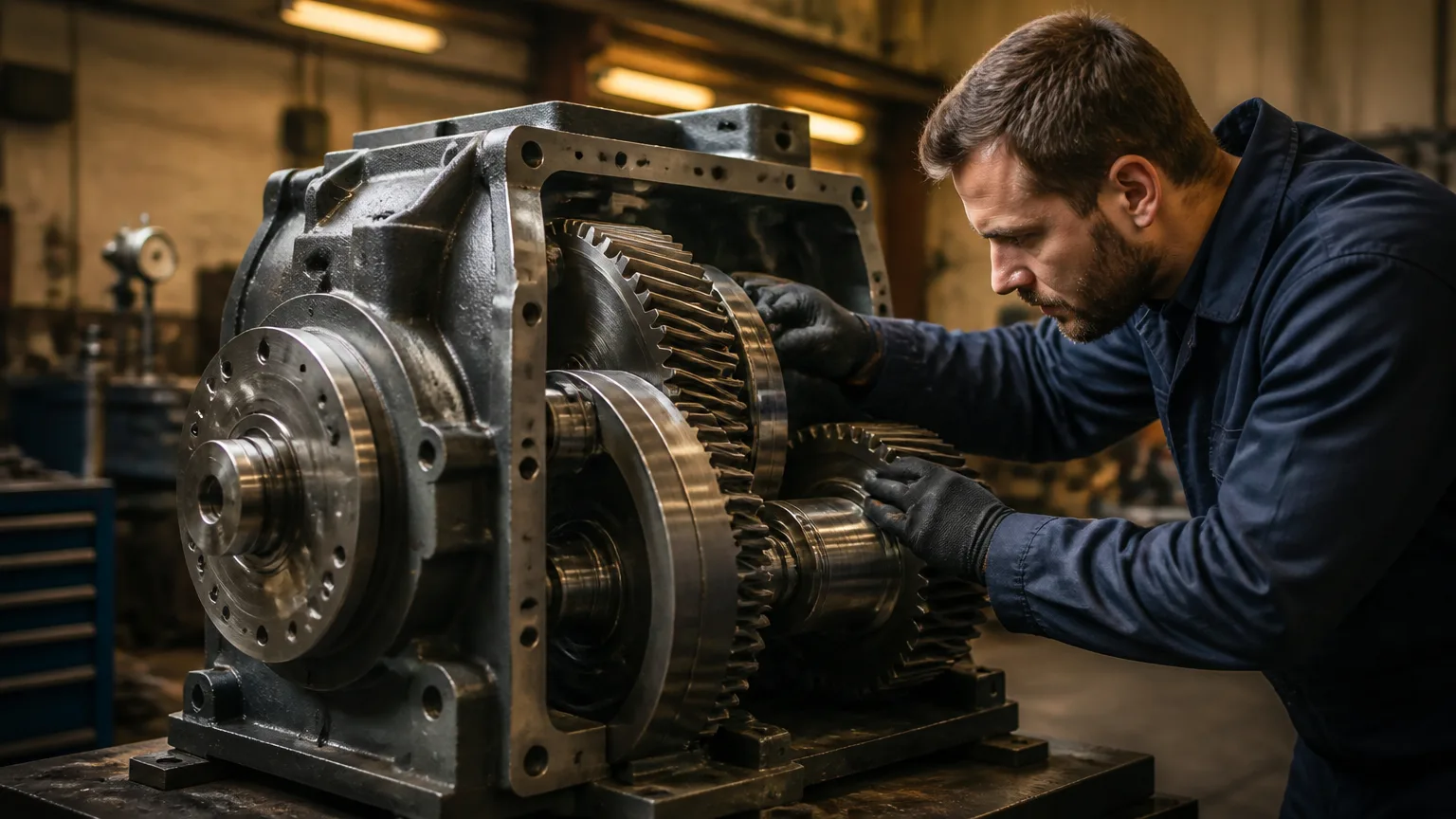
A Gloucester gearbox failure can quickly stop production, damage connected machinery, and create serious safety concerns. For local manufacturers and industrial facilities, even a short interruption may lead to missed delivery targets and costly recovery work.
Effective gearbox service involves more than swapping components. Engineers must diagnose the fault, assess repair or replacement options, check alignment, test performance, and plan maintenance to prevent repeat failures. The right approach protects motors, conveyors, pumps, and other connected equipment.
This guide explains how to reduce unplanned downtime and choose a responsive service partner for urgent repairs and planned maintenance. Industrial Gearbox Solutions provides a useful resource for facilities comparing industrial gearbox service options and planning reliable long-term support.
Diagnosing Gearbox Problems Before They Escalate
Early diagnosis helps maintenance teams prevent minor defects from becoming costly failures. Technicians investigate warning signs such as abnormal noise, vibration, overheating, oil contamination, leakage, inconsistent speed, and rising power consumption. Each symptom can indicate several causes, so testing must go beyond visual inspection.
A service provider will review the gearbox’s operating loads and duty cycles. It also needs lubrication history, shaft condition, alignment data, and maintenance records. Details about connected equipment, recent process changes, and failure timing can reveal whether the unit faces overload or unusual operating stress.
Technicians may inspect gear teeth, bearings, seals, shafts, and couplings. They can also use vibration analysis, temperature readings, oil sampling, and backlash measurements to assess damage severity. This evidence helps determine whether repair, component replacement, or a complete gearbox replacement is appropriate. For additional heavy-duty gearbox selection and repair guidance, facilities should compare equipment requirements with proven service practices.
A proper root-cause analysis is essential before returning a Gloucester gearbox to service. Otherwise, overload, misalignment, poor lubrication, or a connected-equipment fault may damage the repaired unit again. Maintenance teams should provide:
- Recent inspection findings and operating data
- Lubricant type, condition, and change intervals
- Load, speed, temperature, and duty-cycle information
- Records of previous repairs, alarms, and failures
What Professional Gearbox Repair in Gloucester Should Include
A professional Gloucester gearbox repair begins with a detailed inspection. Engineers assess gears, bearings, shafts, seals, housings, keys, and lubrication systems. They measure damaged parts against manufacturer specifications or approved engineering tolerances. This identifies the true failure cause, rather than treating only the visible symptom.
The gearbox is then safely disassembled, cleaned, and documented. Precision work may include gear inspection, shaft repair, bearing replacement, seal renewal, and housing corrections. Engineers also check backlash, tooth contact patterns, keyways, fits, and alignment. Where replacement is required, Hansen gearbox repair and replacement considerations can support informed component decisions.
During restoration, parts are repaired or replaced to suit the gearbox’s duty, speed, and load. New seals and bearings must match the application, while lubrication passages and breathers require careful attention. Reassembly should follow controlled procedures, using correct clearances, torque settings, shimming, and alignment.
Final testing separates a thorough repair from a short-term fix. The gearbox should run smoothly while technicians verify temperature, noise, vibration, lubrication, and load performance. Testing may also confirm backlash and shaft alignment under operating conditions. Only after these checks should the unit return to production with documented findings and service recommendations.
Repair or Replacement: Choosing the Practical Option
A damaged gearbox is not always a replacement case. Manufacturers should compare rebuilding costs with replacement lead times, equipment age, parts availability, damage extent, and expected efficiency. The cost of continued downtime may outweigh a higher repair bill, especially when production schedules are tight.
Repair often suits newer units with repairable gears, bearings, housings, and shafts. It can preserve a proven configuration and restore performance with a suitable warranty. Replacement may be more practical when the gearbox is obsolete, severely damaged, inefficient, or difficult to support with genuine parts.
A replacement must match the complete application, not just the original dimensions. Confirm:
- Torque, speed ratio, shaft configuration, and mounting dimensions
- Service factor, environment, lubrication requirements, and driven-load characteristics
- Efficiency targets, warranty expectations, and commissioning requirements
Facilities should also consider refurbished, upgraded, or interchangeable gearboxes. These options can shorten lead times while reducing future maintenance risk, provided they meet the application requirements. Understanding how to choose the right shop gearbox helps teams assess compatibility before ordering.
A Gloucester gearbox specialist can compare repair findings with available replacement units and production needs. This supports a lifecycle-cost decision rather than one based on upfront price alone.
Supporting Gearboxes Across Gloucester Industrial Applications
Gloucester industrial facilities rely on gearboxes across conveyors, mixers, pumps, blowers, extruders, and processing machinery. Each application creates different demands, so technicians must understand the wider mechanical transmission applications and repair principles before recommending repairs or replacements.
Load characteristics, frequent starts and stops, contamination, washdown conditions, temperature, and continuous operation all affect gearbox selection and repair strategy. For example, a conveyor with repeated heavy starts may need higher starting-torque capacity, while a washdown mixer requires suitable sealing and corrosion protection. Correct specification can improve reliability, energy performance, and production consistency.
A gearbox also operates within a larger drive train. A thorough Gloucester gearbox assessment should include the motor, couplings, brakes, shafts, foundations, and driven equipment. Misalignment, soft foot, excessive loading, or a failing pump can damage a repaired unit again. Addressing these connected issues helps extend service life and reduce recurring downtime across varied industrial applications.
Building a More Reliable Gearbox Maintenance Plan
A reliable gearbox maintenance plan starts with prompt diagnosis, technically sound repairs, and correct replacement selection. These decisions protect uptime, operator safety, equipment availability, and total cost of ownership—not just the immediate repair budget.
Document inspection findings, repair specifications, lubrication requirements, alignment results, and commissioning data. This record supports better future decisions and helps prevent repeat failures. When a Gloucester gearbox shows warning signs, or a critical replacement must align with production demands, consult a qualified specialist with confidence.