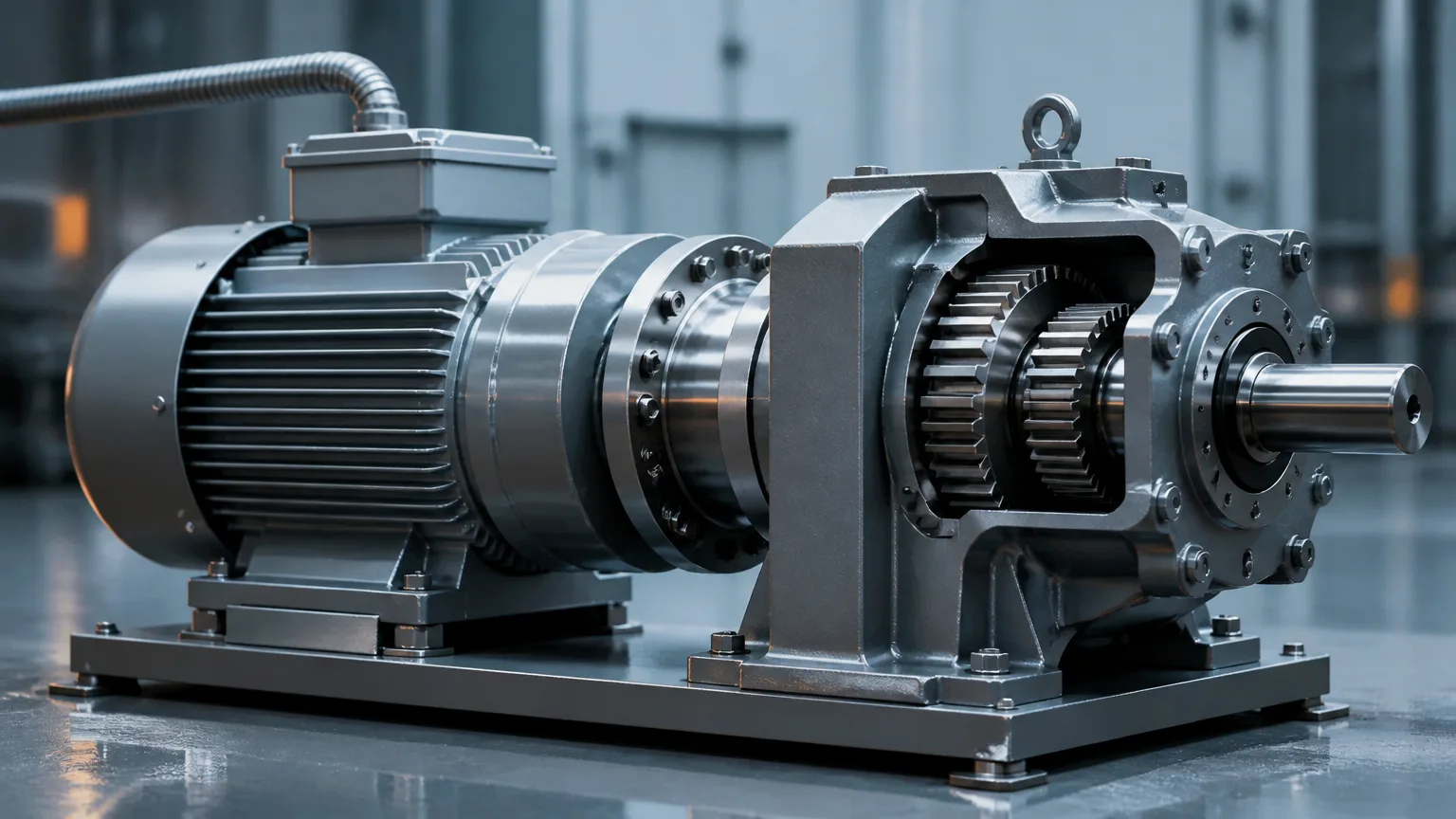
Selecting or replacing synchronous motors and gearboxes is not a matter of matching ratings on two separate components. The motor’s constant-speed behavior depends on its electrical supply and pole count; the gearbox then changes output speed and torque to suit the driven load. Together, they must meet process demands and fit real operating conditions. Compare industrial electric motors alongside the gearbox’s mechanical requirements.
Whether you’re planning a repair, replacement, or new installation, a mismatch can lead to poor performance or costly downtime. This guide offers practical ways to assess the assembly as a system and choose industrial gearbox solutions that support reliable operation.
Start With the Motor’s Speed and Load Requirements
Before selecting a gearbox ratio or replacement unit, confirm the synchronous motor’s operating speed and the required output speed. A synchronous motor’s speed is tied to supply frequency and pole count, so these values help establish the ratio needed. However, actual application performance also depends on load and overall system design. Confirm the motor’s rated speed, supply frequency, and the gearbox output speed required by the driven equipment.
Next, define the torque demand and load profile. A conveyor carrying a steady load may need a different gearbox than a mixer with changing resistance. Identify whether the load is continuous, intermittent, or variable, and account for shock loading that can raise torque above normal operating levels. This information helps determine whether the gearbox can handle both routine duty and peak demands.
Starting conditions matter too. Check the torque needed to start the load, how often the motor starts and stops, and whether frequent cycling could increase gearbox stress. Synchronous motors operate differently from other motor types, but none is universally preferable; the right choice depends on the application. For context, review DC motor types and maintenance basics. These checks give your team a practical basis for comparing gearbox ratios and selecting a unit suited to real operating conditions.
Match the Gear Ratio to the Driven Equipment
Once you’ve confirmed the motor type, match its speed and torque to the driven equipment’s requirements. Gear ratio is the input speed divided by output speed. For example, a 1,800 rpm motor paired with a 10:1 reduction gearbox produces an output speed of about 180 rpm. The reduction also increases output torque, but actual performance depends on gearbox efficiency and rated load.
Start by confirming the machine’s required speed and torque, duty cycle, mounting arrangement, and available space. A conveyor, mixer, or pump may need different operating speeds and may experience different loads during startup or continuous operation. These conditions help determine the suitable gearbox type and service factor—the allowance for load variations and demanding operating conditions.
An undersized gearbox may overheat, wear prematurely, or fail under load. An oversized unit can add cost, weight, and space requirements; it may also operate less efficiently if it is poorly matched to the application. Consider efficiency alongside ratio, especially when synchronous motors must maintain precise speed at the machine.
For more guidance on choosing a reduction, review industrial gearbox ratios. Use the ratio as a starting point, then check the complete gearbox rating against the equipment’s real operating demands.
Diagnose the Assembly Before Deciding to Repair or Replace
A gearbox symptom does not always mean the gearbox has failed. Abnormal noise, vibration, overheating, lubricant leaks, rising current draw, speed instability, or repeated trips can point to faults elsewhere in the drive assembly. Synchronous motors depend on stable operating conditions, so assess the motor, gearbox, and driven equipment together.
Start with basic checks before recommending a component replacement. Confirm alignment and inspect the coupling, lubrication, bearings, and seals. Check the electrical supply and look for changes in load, such as a jammed machine or a process demand that exceeds the original design. These issues can create symptoms that resemble internal gear damage.
Use inspection findings to determine the likely failure and repair scope. For example, a leaking seal may be a straightforward repair, while damaged gears, unavailable parts, or extensive bearing and shaft wear may make replacement more practical. Compare expected service life after repair, parts availability, warranty coverage, and the cost of the required outage. The lowest purchase price may not be the lowest-cost option if installation or repeat failures extend downtime.
For additional industrial gear repair decisions, weigh repair feasibility against the operational cost of waiting. If evidence is unclear, gather vibration, temperature, and current readings during operation, then compare them with equipment history. This helps your team avoid replacing a healthy component and address the system-level cause.
Specify a Replacement Gearbox That Fits the Application
Before sourcing a replacement, confirm whether you need the gearbox alone or the complete drive assembly. Gather the nameplate data and verify dimensions, but don’t rely on those checks alone: actual operating conditions and changes to the process load can affect the required rating.
Compare the existing unit and application against these specifications:
- Ratio, input and output configuration, and motor interface
- Torque rating and service factor
- Mounting arrangement and shaft dimensions
- Lubrication requirements and operating environment
A unit with matching dimensions may still be undersized for frequent starts, shock loads, or higher production demands. Confirm that the replacement can handle the machine’s real duty cycle and load, especially when a synchronous motor must maintain precise speed.
For a Link Belt unit, consider repair cost and lead time alongside gearbox condition, parts availability, and the consequences of downtime. Review these Link Belt gearbox repair-or-replace factors to help weigh the options and reduce the risk of repeating a failure.
Make the Decision as a Complete Drive System
Select the motor and gearbox as one drive system. Confirm motor and load requirements, choose a suitable ratio, and verify the gearbox can handle actual operating demands. For synchronous motors, account for the need to maintain precise speed.
Before requesting repair or replacement proposals, document operating data, equipment specifications, and inspection findings. Compare repair feasibility with lifecycle costs, and investigate the root cause before acting. Correct matching and diagnosis can reduce repeat failures and unplanned downtime.