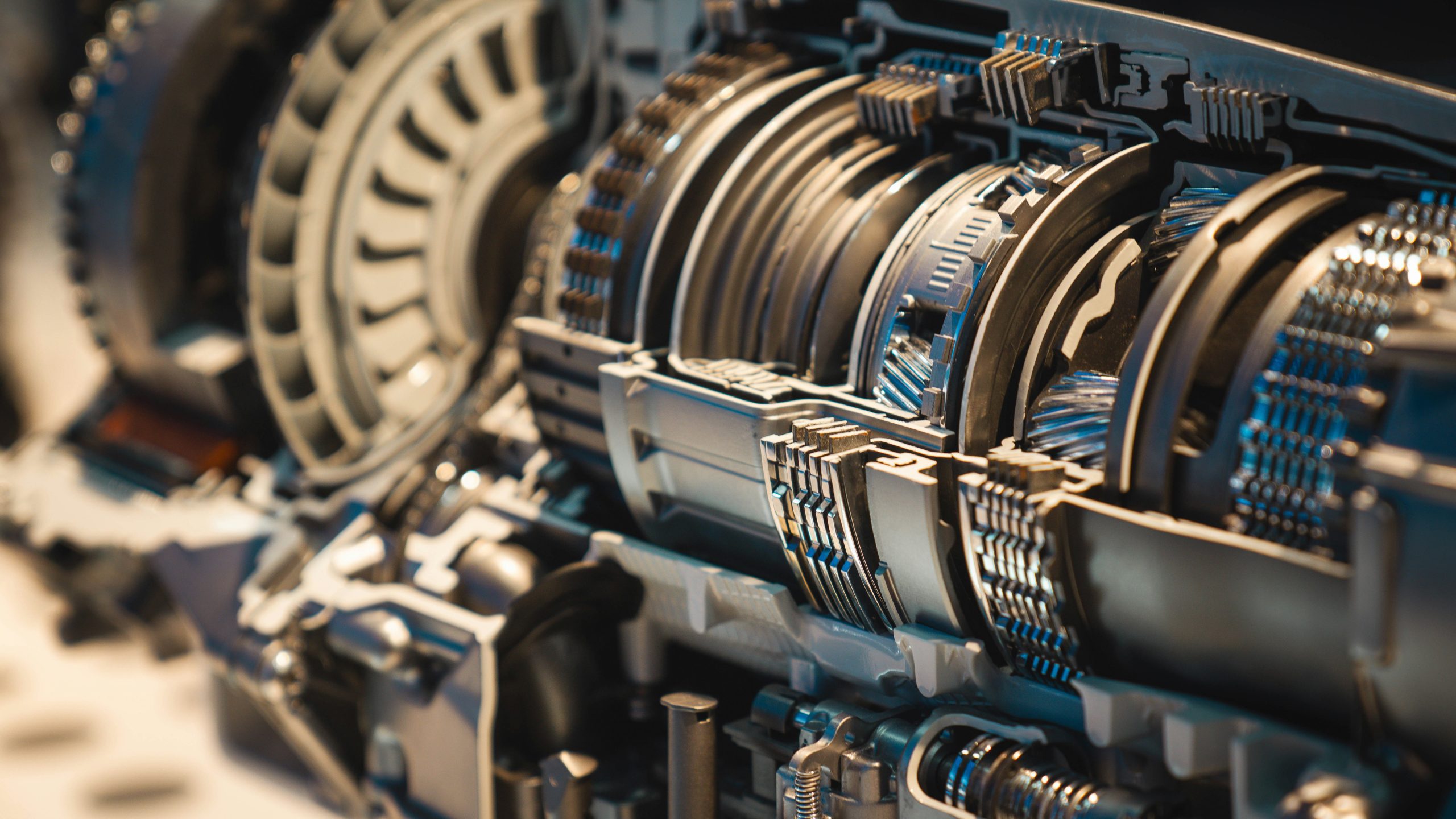
When it comes to industrial gearboxes, contamination is a pretty big deal. Seriously, it’s one of the primary culprits behind premature wear, breakdowns, and a whole lot of operational headaches. At its core, contamination in a gearbox means there’s something in the oil that shouldn’t be there, whether it’s dirt, water, metal particles, or even air. This unwelcome guest can drastically reduce the lifespan of your critical components, leading to unexpected downtime and expensive repairs. Understanding where these contaminants come from and how to deal with them is key to keeping your machinery running smoothly and efficiently.
Contamination doesn’t just spontaneously appear; it has origins. Knowing these origins helps you plan your defenses.
External Ingress: The Outside World Creeping In
Think of your gearbox as a fortress. If the seals are compromised, the outside world (and all its grit) can sneak in.
Environmental Dirt and Dust
Manufacturing environments are rarely pristine. Dust, sand, machining swarf, and even microscopic filings are constantly in the air. If seals aren’t doing their job, these particles can easily find their way into your gearbox oil. It’s like leaving a window open during a sandstorm – eventually, things get dirty.
Water Ingress
Water is a silent killer in gearboxes. It can get in through leaky seals, condensation from temperature fluctuations, or even during washdowns if precautions aren’t taken. Water doesn’t just rust components; it also interferes with the lubricant’s ability to protect surfaces and can lead to corrosive wear. It’s particularly problematic because it can form emulsions with the oil, significantly reducing the oil’s lubricating properties.
Incorrect Lubricant Handling
Believe it or not, sometimes we introduce contaminants ourselves. Storing new oil in dirty containers, using uncleaned funnels, or even pouring from a drum that’s been left open can introduce foreign particles. It’s a classic case of trying to help but actually making things worse. Always treat new oil as if it’s already got some dirt in it and filter it before use.
Internal Generation: The Enemy Within
Sometimes, the contamination is born right inside the gearbox itself.
Wear Debris
As gears mesh and bearings rotate, there’s always a tiny bit of wear. This creates microscopic metal particles. In a healthy gearbox, these are minimal and typically filtered out. However, if wear accelerates due to other factors (like, ironically, other contaminants), the amount of debris can skyrocket, leading to a self-perpetuating cycle of damage. It’s like a tiny snowball rolling downhill, picking up more snow as it goes.
Degradation of Lubricant
Oil isn’t immortal. Over time, heat, oxidation, and chemical reactions can cause the lubricant itself to break down. This breakdown creates sludge, varnish, and acidic byproducts. These aren’t just “dirty”; they fundamentally alter the oil’s chemistry, reducing its effectiveness and potentially accelerating wear. It’s like leaving fruit out too long – it spoils and becomes something undesirable.
Coating Flakes and Paint Chips
Sometimes, internal surfaces are coated with protective layers or painted. Over time, especially with vibration or temperature extremes, these coatings can flake off and enter the oil. While often inert, they can still contribute to particle contamination and clog filters.
Contamination in industrial gearboxes can lead to significant operational issues and costly repairs. For a deeper understanding of how to address these challenges, you can refer to a related article that discusses the importance of regular maintenance and effective repair strategies. This article provides insights into the best practices for keeping your gearboxes in optimal condition. To learn more, visit Industrial Gearbox Repair in Atlanta, Georgia.
The Nasty Effects of Contamination
So, why should you care so much about a bit of dirt? Because that “bit of dirt” can cause a lot of damage.
Accelerated Wear of Components
This is perhaps the most obvious consequence. Contaminants act like sandpaper, grinding away at precision surfaces.
Abrasive Wear
Hard particles (like dirt, sand, or hard metal fragments) get trapped between moving parts – think gear teeth, bearing rollers, and races. As these parts move, the particles scrape and gouge the surfaces, removing material. This is direct, physical damage that changes the geometry of your components and reduces their load-carrying capacity.
Fatigue Wear
Even if particles aren’t directly scratching, they can indent surfaces. These indentations create stress points, which can lead to fatigue cracks forming and propagating under repeated loading. Eventually, these cracks can cause spalling – chunks of material breaking off – particularly in bearings and gear teeth.
Corrosive Wear
Water and acidic byproducts from oil degradation are the main drivers of corrosive wear. They attack the metal surfaces, forming oxides and other compounds that weaken the material and make it more susceptible to mechanical wear. It’s not just rust; it’s a chemical assault on your components.
Reduced Lubricant Effectiveness
Contaminants don’t just damage parts; they mess with the very fluid designed to protect them.
Viscosity Changes
Water or certain solid particles can significantly alter the oil’s viscosity. If it gets too thin, it can’t maintain a proper lubricating film, leading to metal-on-metal contact. If it gets too thick (due to sludge or heavy solid loads), it might not flow properly, leading to starved lubrication in critical areas.
Additive Depletion
Lubricants contain a cocktail of additives for specific purposes: anti-wear agents, rust inhibitors, detergents, etc. Contaminants can react with these additives, depleting them prematurely. For example, water can strip certain additives from the oil, leaving it less capable of performing its protective functions.
Filter Clogging
While filters are there to remove contaminants, if the oil is exceptionally dirty, filters can clog rapidly. A clogged filter can lead to bypass mode (where oil flows around the filter, unchecked) or restrict oil flow, starving components of lubrication. It’s a Catch-22: the more contaminants, the harder the filter works, until it can’t work at all.
Detecting the Unseen Threat
You can’t fix what you don’t know is broken. Early detection is crucial here.
Oil Analysis: Your Gearbox’s Blood Test
This is arguably the most powerful tool in your arsenal. Regular oil samples sent to a lab can tell you a lot about what’s going on inside.
Particle Count
This test quantifies the number and size of solid particles in the oil. A sudden jump in particle count, or a significant increase in larger particles, can indicate accelerated wear or a seal failure. It’s like getting a red flag that something is off.
Spectrometric Analysis
This analysis identifies and quantifies specific metal elements in the oil. Presence of iron, copper, chromium, lead, etc., can pinpoint which components are wearing: iron for gears, copper for bushings, chromium for rolling elements. It’s like a forensic investigation inside your gearbox.
Water Content
Self-explanatory: it measures how much water is present. Even small amounts (e.g., above 100 ppm for many systems) can be problematic. This is usually measured by Karl Fischer titration.
Viscosity and Acid Number (AN)
These tests tell you about the oil’s health. Changes in viscosity can indicate oil breakdown or contamination. An increasing acid number suggests oxidation and the formation of corrosive acids.
Visual Inspection: Don’t Underestimate Your Eyes
While not as precise as lab tests, visual inspection can sometimes catch glaring issues.
Oil Sight Glasses
If your gearbox has a sight glass, periodically check the oil level and color. Murky, cloudy, or foam-ridden oil can indicate water contamination or severe degradation. Darkening is normal to an extent, but rapid darkening or extreme opacity is a red flag.
Breathers and Seals
Look for signs of damage or leaks around seals and breathers. A weeping seal isn’t just an oil loss; it’s an open door for contaminants. Breathers should be clean and clear.
Filter Condition (if accessible)
Sometimes, checking the filter itself can tell a story. An exceptionally dirty filter might point to high levels of ingress or internal wear.
Sure, here is the sentence with the clickable link:
Please feel free to contact Industrial Gearbox Solutions for any inquiries.
The Defense Strategy: Keeping it Clean
Prevention is always better than cure, especially in complex machinery like gearboxes.
Proactive Sealing and Filtration
Stopping contaminants at the entry point is your first line of defense.
High-Quality Seals
Invest in good seals and replace them proactively based on maintenance schedules or condition. Lip seals, labyrinth seals, and magnetic seals all have their place depending on the application. Don’t skimp here; a cheap seal can lead to expensive damage.
Desiccant Breathers
These breathers actively remove moisture and airborne particles from the air entering the gearbox as it breathes (expands and contracts with temperature changes). They typically contain a desiccant material (like silica gel) that changes color when saturated, indicating it’s time for replacement. They are particularly effective in humid or dusty environments.
Effective Filtration Systems
Beyond the standard in-line filters, consider adding off-line filtration (kidney loop) systems, especially for critical or large gearboxes. These continuously filter the oil to very fine levels, keeping it exceptionally clean. Using finer filter elements can also make a big difference, but always check compatibility with your oil and system pressure.
Best Practices for Lubricant Management
How you handle and manage your oil makes a huge difference.
Clean Oil Delivery and Storage
Always ensure new oil is stored in clean, sealed containers. Filter new oil before adding it to the gearbox, even if it claims to be “new clean.” Use dedicated, clean equipment (pumps, hoses, funnels) for each type of lubricant to prevent cross-contamination.
Scheduled Oil Changes
While oil analysis can extend oil drain intervals, don’t neglect regular changes. Even the best oil eventually degrades. Following manufacturer recommendations or adjusting based on oil analysis results is key.
Preventative Maintenance Routines
Regularly inspect seals, breathers, and oil levels. Train staff on proper lubricant handling and contamination control. A small investment in training can save huge repair costs down the line.
Contamination in industrial gearboxes can lead to significant operational issues and costly repairs. Understanding the various factors that contribute to this problem is essential for maintaining the longevity and efficiency of your equipment. For a deeper insight into effective maintenance strategies and repair solutions, you can explore this informative article on industrial gearbox repair in Mesa, Arizona. This resource provides valuable information on how to address contamination and ensure optimal performance in your gear systems.
Beyond the Basics: Advanced Contamination Control
| Contamination Type | Severity Level | Impact |
|---|---|---|
| Water | High | Corrosion, reduced lubricant effectiveness |
| Particulate Matter | Medium | Increased wear, reduced component life |
| Chemical Contaminants | Low | Reduced lubricant performance |
For really critical applications, you might need to go a step further.
Contamination Control Targets (CCTs)
Instead of just hoping your oil is clean, establish specific cleanliness targets (e.g., ISO 4406 cleanliness codes like 18/16/13). These targets dictate the maximum allowable particle count for your specific equipment. Meeting these targets often requires a more rigorous approach to filtration and prevention.
Automated Monitoring Solutions
For high-value assets, consider integrating online oil condition monitoring sensors. These can continuously track parameters like particle count, water content, and even oil degradation, providing real-time alerts if contamination levels spike. This allows for immediate intervention rather than waiting for a scheduled oil analysis.
Flush and Fill Procedures
After repairs or during major overhauls, a thorough flush of the gearbox with a suitable flushing oil or even fresh operating oil is crucial to remove any residual debris before refilling with new oil. This prevents “built-in” contamination right from the start.
In conclusion, contamination in industrial gearboxes isn’t just a minor nuisance; it’s a fundamental threat to your equipment’s longevity and your operation’s efficiency. By understanding its sources, its damaging effects, and implementing effective preventive measures and detection strategies, you can significantly extend the life of your gearboxes, reduce maintenance costs, and avoid unexpected downtime. It’s an investment in diligence that pays dividends in reliability.
FAQs
What is contamination in industrial gearboxes?
Contamination in industrial gearboxes refers to the presence of foreign particles such as dirt, metal shavings, water, and other debris that can negatively impact the performance and lifespan of the gearbox.
What are the common sources of contamination in industrial gearboxes?
Common sources of contamination in industrial gearboxes include inadequate sealing, improper maintenance practices, ingress of water or other liquids, and wear and tear of internal components.
What are the effects of contamination on industrial gearboxes?
Contamination can lead to increased friction, accelerated wear of gears and bearings, reduced lubrication effectiveness, overheating, and ultimately, premature failure of the gearbox.
How can contamination in industrial gearboxes be prevented?
Contamination can be prevented through regular maintenance, proper sealing and filtration systems, using high-quality lubricants, and implementing best practices for gearbox operation and maintenance.
What are the consequences of ignoring contamination in industrial gearboxes?
Ignoring contamination in industrial gearboxes can lead to costly repairs, unplanned downtime, decreased productivity, and potential safety hazards in the industrial environment. Regular monitoring and proactive maintenance are essential to prevent these consequences.