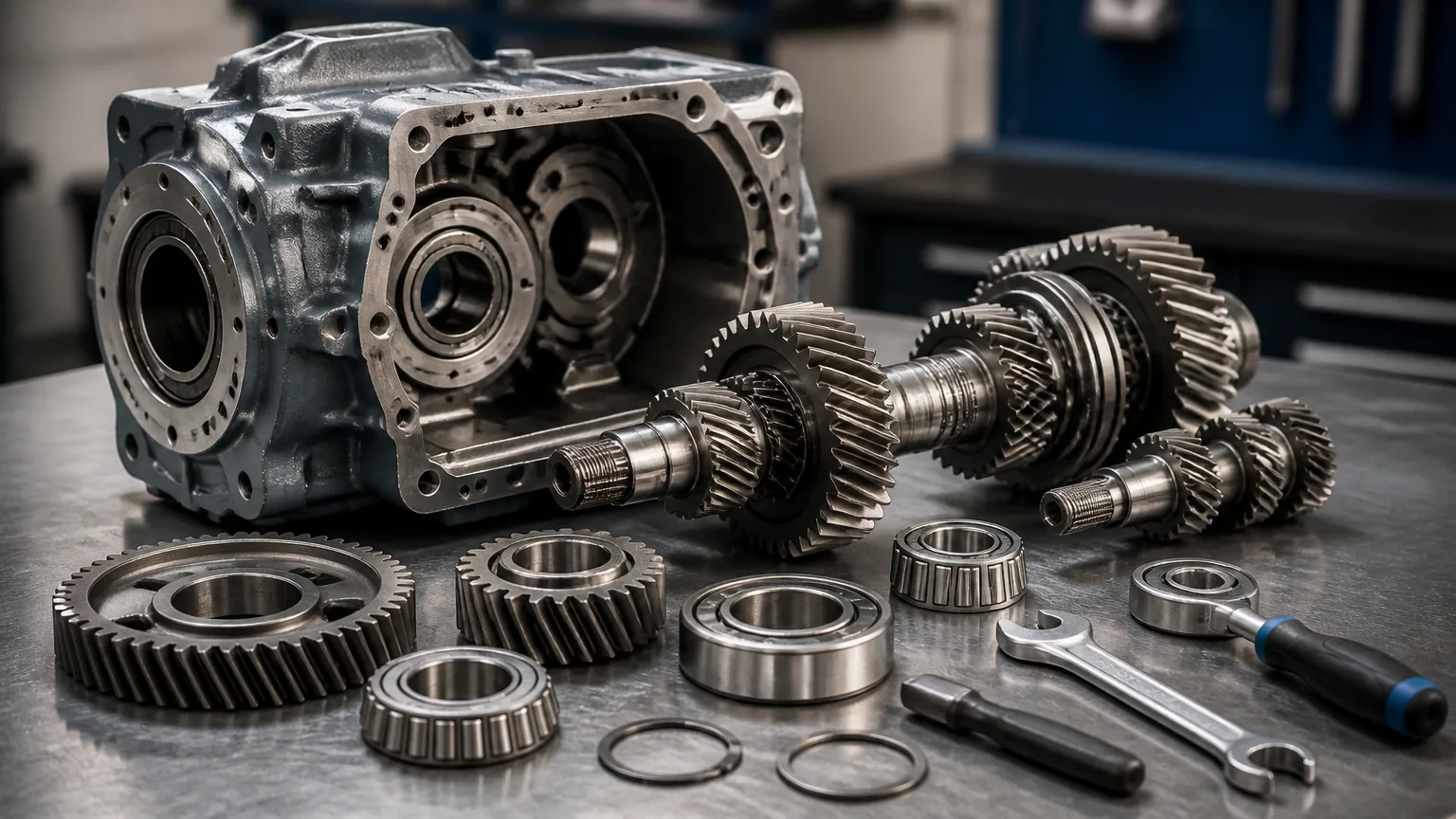
In industrial environments, understanding gearbox parts and components is crucial for maintaining optimal performance and extending equipment lifespan. These components work in tandem to transmit power efficiently, ensuring that machinery operates smoothly under various conditions. Any malfunction can lead to significant downtime and costly repairs, making knowledge of these parts essential for operators and maintenance teams.
This guide delves into the critical elements of gearboxes, equipping you with the insights needed for effective repairs. From gears and bearings to seals and housings, we will explore each component’s role and how they contribute to overall functionality. Additionally, we’ll touch on the essential considerations for selecting industrial gearboxes, helping you make informed decisions tailored to your operational needs. Understanding these aspects not only aids in repairs but also enhances your ability to prevent future issues, ensuring your equipment remains reliable and efficient.
1. Gears: The Core Component
Gears are the heart of any gearbox, playing a vital role in transferring motion and torque. There are several types of gears, each with a specific function. Spur gears are the most common and feature straight teeth, making them efficient for parallel shaft applications. Helical gears, on the other hand, have angled teeth that allow for smoother and quieter operation, ideal for high-speed applications. Bevel gears are designed to change the axis of rotation, making them essential for gearboxes that require direction changes.
The material and design of gears significantly impact their durability and efficiency. For instance, gears made from high-strength steel or composite materials can withstand greater loads and resist wear. A well-designed gear profile can minimize friction, enhancing overall performance. Understanding these gear types and materials is crucial when considering repairs, as selecting the right gearbox parts and components directly influences the longevity and reliability of your machinery.
2. Bearings: Supporting Mechanical Functionality
Bearings are crucial gearbox parts and components that support mechanical functionality by enabling smooth rotation and reducing friction. Their primary role is to allow moving parts to interact efficiently while minimizing wear.
There are several types of bearings, each designed for specific applications. Deep groove bearings are versatile and widely used due to their ability to accommodate radial and axial loads. Spherical bearings, on the other hand, excel in handling misalignment, making them ideal for applications with varying loads.
Selecting the right bearing impacts both maintenance cycles and overall gearbox efficiency. Properly chosen bearings can extend the life of your gearbox, reducing the frequency of repairs and minimizing downtime. Conversely, incorrect selection may lead to increased friction and premature failure, highlighting the importance of understanding bearing characteristics in your repair strategies.
3. Seals and Gaskets: Ensuring Integrity
Seals and gaskets play a crucial role in maintaining the integrity of industrial gearboxes. These components prevent contamination from external elements and oil leakage from the gearbox, which are vital for optimal performance.
Common types of seals include lip seals, O-rings, and rotary seals. Lip seals are often used for shafts, while O-rings provide a reliable barrier against fluids. Gaskets, typically found between flanged connections, help ensure a tight fit and prevent leaks.
Improper sealing can lead to significant issues. For instance, oil leaks can result in inadequate lubrication, causing increased friction and wear on the gears. Additionally, contamination from dirt or moisture can compromise the gearbox’s internal components, leading to premature failure.
Choosing the right seals and gaskets is essential for extending the lifespan of gearbox parts and components. Regular inspection and timely replacement of these elements can save you from costly repairs and downtime in the future.
4. Lubrication Systems: The Lifeblood of Gearboxes
Lubrication systems are vital for the smooth operation of gearbox parts and components. They minimize friction, reduce wear, and help dissipate heat, ensuring the longevity of your machinery. There are two primary lubrication types: oil and grease.
Oil lubrication is often preferred for high-speed applications. It provides excellent heat dissipation and can easily circulate throughout the gearbox. On the other hand, grease offers superior adhesion and is ideal for low-speed, heavy-load conditions. It stays in place, reducing the risk of leakage, which is crucial for maintaining optimal performance.
Regular maintenance and adherence to lubrication schedules cannot be overstated. Neglecting these practices can lead to increased wear and potential gearbox failures. Setting a routine for checking and replenishing lubricants ensures that your gearboxes operate efficiently and reliably, ultimately saving you time and money on repairs.
5. Housing and Framework: Structural Integrity
The housing of a gearbox plays a crucial role in protecting its internal components. Typically made from materials like aluminum or steel, each offers distinct advantages. Aluminum is lighter and provides excellent corrosion resistance, making it suitable for applications where weight is a concern. On the other hand, steel offers superior strength and durability, ideal for heavy-duty environments.
The design of the housing significantly impacts heat dissipation, which is vital for maintaining optimal performance. A well-ventilated design can help manage heat buildup, reducing the risk of component failure. Conversely, inadequate housing can lead to overheating, diminishing efficiency and increasing maintenance costs.
Understanding how these factors influence gearbox performance is essential for effective repairs. For further insights, consider exploring understanding different types of gearbox systems for efficiency. By selecting the right housing materials and designs, you can enhance the longevity and reliability of your gearbox parts and components.
Summarizing Gearbox Components for Effective Repairs
Understanding gearbox parts and components is crucial for successful repairs and maintenance. Each component, from gears to bearings, plays a vital role in the overall functionality of your machinery. By familiarizing yourself with these elements, you can make informed decisions that enhance the longevity and reliability of your gearboxes.
Proactive maintenance is essential. Regular inspections and timely replacements of critical components like seals and gaskets can prevent costly breakdowns. Always consider the quality of parts during repairs; choosing high-grade materials can significantly impact performance and durability.
For further insights into specific gearbox solutions, check out The Ultimate Guide to Amarillo Gears: Repair & Replacement Solutions. By prioritizing knowledge and quality in your repairs, you can ensure your equipment remains efficient and dependable for years to come.