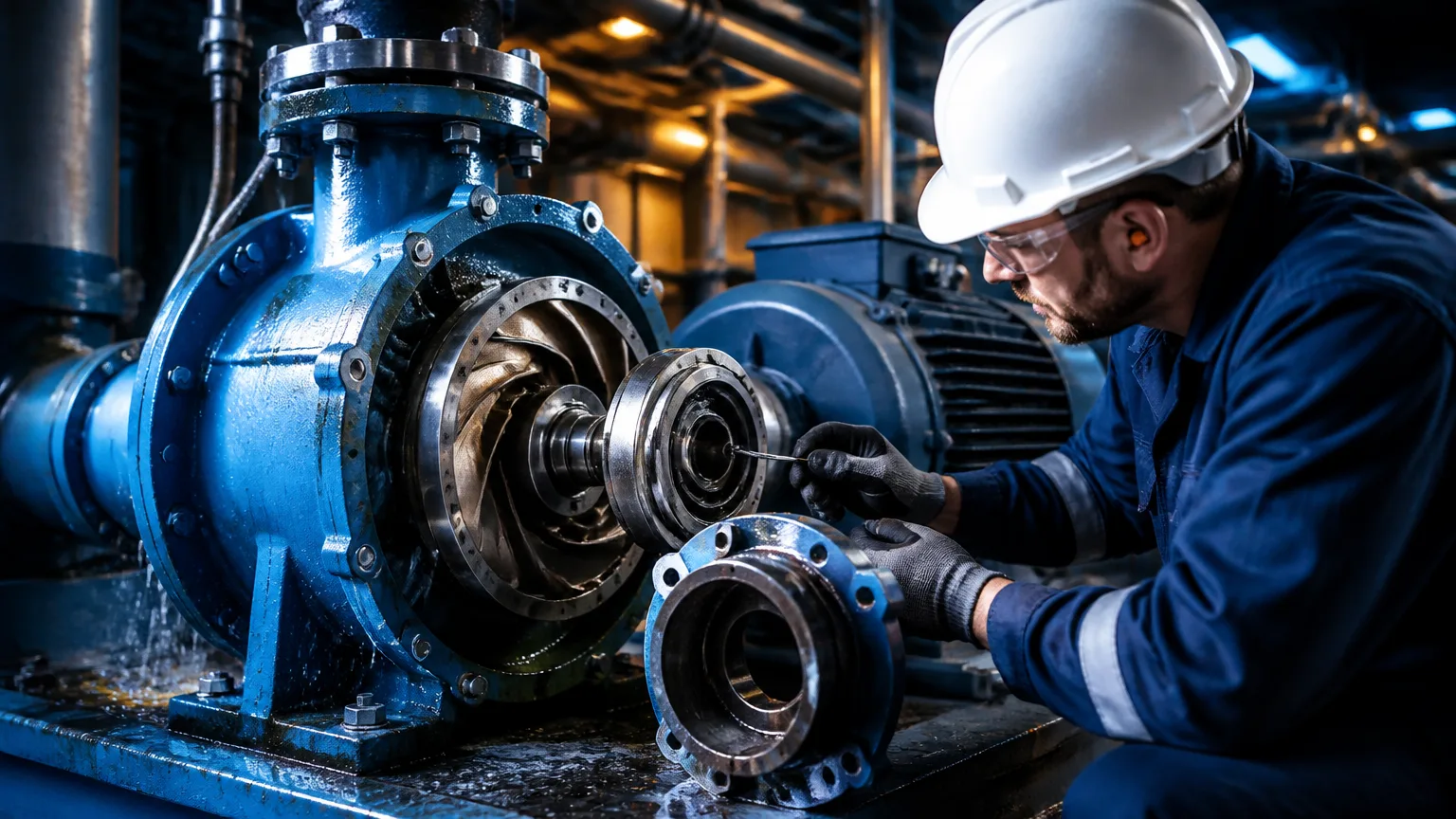
Gould pump repair requires more than replacing a worn part. Gould pumps are critical assets in industrial fluid-handling systems, where a developing fault can disrupt connected gearboxes, motors, production schedules, and operating costs. Fast, accurate diagnosis helps manufacturers address the real problem before it escalates.
Noise, vibration, overheating, low flow, and seal leakage can each have multiple causes. Misalignment, bearing wear, cavitation, blocked lines, electrical faults, or gearbox issues may produce similar symptoms. Replacing a gearbox or pump component without inspection may therefore leave the underlying failure unresolved.
This article focuses on practical repair decisions for industrial facilities, including what to check first and when specialized support is warranted. It also places Gould pump service within broader industrial pump repair experience, helping teams connect pump performance with the condition of surrounding equipment. The goal is clear: reduce downtime, control repair costs, and restore reliable operation with confidence.
Common Gould Pump Problems and the Warning Signs
Mechanical seal failure often appears as visible leakage near the shaft, while packing or gasket failure produces seepage at joints or stuffing boxes. Worn bearings may cause rising bearing temperature, rumbling sounds, or excessive vibration. These signs warrant prompt inspection before damage spreads to the shaft or housing.
Damaged impellers and blocked passages are common hydraulic problems. They can reduce discharge pressure, create inconsistent flow, and increase motor load. Inspect the impeller for erosion, corrosion, or broken vanes, and check screens, valves, and internal passages for debris.
Cavitation is another hydraulic concern. It typically produces a crackling sound, fluctuating flow, and vibration. Continued cavitation can pit the impeller and reduce pump capacity. Check suction pressure, fluid temperature, liquid level, and restrictions in the suction line.
Mechanical problems require a different diagnostic approach. Shaft misalignment can create vibration and accelerate wear in bearings, couplings, seals, and connected gearbox components. Coupling wear may appear as rattling, uneven rotation, or repeated alignment problems.
Before starting Gould pump repair, document operating conditions, fluid properties, recent process changes, and trend data. Record pressure, flow, motor load, temperature, and vibration readings before dismantling the equipment. This evidence helps separate hydraulic faults from mechanical failures and supports faster decisions, including emergency industrial pump repair when production risks are immediate.
How Technicians Diagnose Gould Pump Damage
Technicians begin by reviewing the pump’s maintenance history and recent operating data. They verify suction and discharge pressure, flow conditions, valve positions, and possible restrictions. Alignment is checked, while vibration, temperature, motor load, and lubrication condition provide early clues about the failure mechanism.
If external checks indicate mechanical damage, technicians perform a controlled teardown. They examine the casing, shaft, impeller, wear rings, bearings, seals, and couplings. The inspection also includes the motor interface and any connected gearbox, since drive-system problems can appear as pump faults. Teams should review what to check before arranging gearbox repairs when abnormal noise, backlash, or oil contamination points beyond the pump.
Reliable Gould pump repair requires more than visual inspection. Technicians measure shaft runout, bearing fits, wear-ring clearances, impeller dimensions, seal surfaces, and casing condition. They compare these results with manufacturer tolerances to determine whether parts can be reused, machined, or replaced.
Finally, technicians perform root-cause analysis. A failed seal may result from shaft misalignment, excessive vibration, or suction restrictions. Correcting the underlying hydraulic or alignment issue prevents repeat failures instead of simply installing another seal or bearing.
Repair or Replace? Choosing the Right Gould Pump Solution
The right Gould pump repair strategy depends on condition, cost, and operating risk. Rebuilding is practical when the casing and major structural parts remain serviceable. It also requires available replacement components and the ability to restore reliable clearances and tolerances.
Replace the pump or major components when the casing has severe erosion, the shaft is damaged or obsolete, or failures continue after previous repairs. Unavailable parts, poor hydraulic efficiency, and repair costs approaching replacement value also support installing a replacement assembly. A complete evaluation should include compatibility with the existing process, connections, controls, and operating conditions.
Treat gearbox decisions separately from pump decisions. Inspect torque capacity, gear and bearing condition, lubrication, ratio, mounting, and alignment before selecting a replacement gearbox. In some cases, gearbox rebuilding restores dependable service without replacing the entire drive system.
Finally, compare total cost of ownership rather than the initial repair quote. Include lead time, downtime exposure, energy efficiency, warranty coverage, maintenance requirements, and process compatibility. A lower-cost repair may create repeat failures, while a replacement assembly could reduce long-term operating risk.
Preventing Repeat Gould Pump Failures in Industrial Service
Installation quality strongly influences pump and gearbox life after Gould pump repair or replacement. Verify soft foot, piping strain, shaft alignment, fastener torque, and rotation direction before startup. Record commissioning measurements for pressure, flow, motor load, vibration, and bearing temperature.
Use scheduled checks to confirm alignment, lubrication, coupling condition, seal performance, vibration, bearing temperature, and operating pressure. Keep the pump within its intended flow range and maintain adequate suction conditions. These practices reduce cavitation, hydraulic instability, and premature component wear.
Condition monitoring supports trend-based maintenance. Compare readings over time and investigate small changes before they develop into an unplanned shutdown. Rising vibration, bearing temperature, or seal leakage can signal developing alignment, lubrication, or hydraulic problems. Prompt corrective action protects repaired components and extends reliable service life.
A Reliable Gould Pump Repair Strategy Starts with Root Cause
Successful Gould pump repair addresses the original failure, verifies component condition, and tests the repaired assembly under operating conditions. A structured diagnosis and qualified workmanship help protect uptime and prevent repeat failures.
When requesting repair or replacement support, provide equipment data, failure history, performance requirements, and downtime constraints. Choose a partner that evaluates the pump, motor, coupling, and gearbox as one connected system.