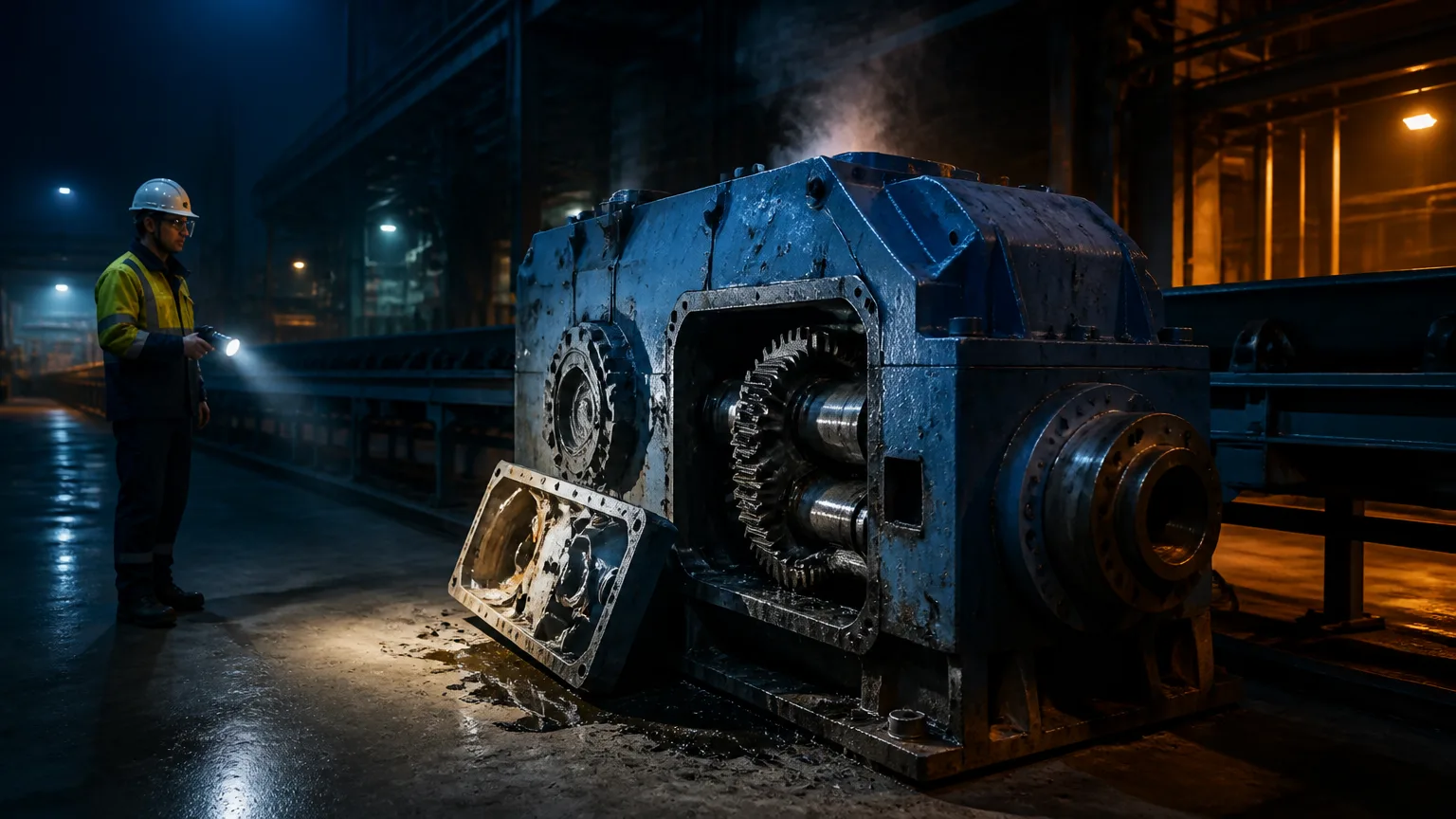
When production stops, gearbox failure becomes more than a mechanical inconvenience. It can create safety risks, disrupt supply chains, and increase costs with every hour of downtime. If you need gearbox repairs 24/7, a structured response is safer and more cost-effective than rushing into an unverified replacement.
Start by stabilizing the equipment and keeping personnel clear of potential hazards. Then gather key failure information, including operating conditions, unusual noise, temperature changes, and recent maintenance records. A qualified specialist can use these details to perform technical triage, identify likely causes, and outline realistic recovery options.
Reliable 24/7 support should include more than an after-hours phone line. It should connect you with a repair partner prepared to manage emergency service, repair-versus-replacement decisions, and long-term reliability. For related motor issues, review these 24/7 electric motor repair services as part of your response plan.
Step 1: Make the Equipment Safe and Capture the Symptoms
When gearbox trouble appears, follow site procedures for a controlled shutdown. Notify operations and maintenance teams before inspection begins. Apply lockout/tagout procedures and isolate every electrical, hydraulic, pneumatic, and mechanical energy source.
Do not restart, rotate, or open the gearbox to investigate. Keep guards in place until a qualified technician evaluates the unit. Premature disassembly can destroy evidence, increase contamination, and create additional damage.
Record the gearbox nameplate data, driven equipment, load, speed, and operating temperature. Note unusual noise, vibration, oil condition, leakage, and the exact point when the failure occurred. Capture alarm codes, photos, and recent process changes if conditions allow.
These symptoms can indicate different failure modes. Unusual noise may suggest bearing or gear damage, while rising temperature can indicate overload, lubrication problems, or misalignment. Metal particles in lubricant, damaged teeth, or shaft movement may change the repair decision and urgency. Accurate records help a 24/7 response team assess gearbox efficiency and operating performance and prepare the right tools and parts.
Step 2: Call a Specialist Who Can Diagnose Before Recommending a Fix
When you need gearbox repairs 24/7, call a provider with proven industrial experience—not just an after-hours answering service. Ask whether technicians can inspect the unit on site, support removal and installation, perform emergency repairs, and complete a full rebuild when necessary. Experience with your gearbox manufacturer, model, and application can also shorten diagnosis time.
Confirm the provider has field-service technicians, inspection equipment, machining capabilities, and access to critical replacement parts. These resources allow the repair team to address damaged shafts, gears, bearings, and housings without unnecessary delays. For additional guidance, review choosing the right gearbox repair shop before an emergency occurs.
During the first call, share photographs, nameplate details, drawings, maintenance records, and production requirements. Explain the operating conditions, recent changes, unusual noise, vibration, leaks, temperature increases, or loss of output. This information helps the technician prepare tools, lifting equipment, and likely parts before arrival.
A credible repair shop should separate confirmed findings from assumptions. It should inspect the failure, document the root cause, and explain whether overload, lubrication problems, contamination, or misalignment contributed. Simply replacing visibly damaged parts may restore operation briefly while leaving the underlying failure unresolved.
Step 3: Decide Between Repair, Rebuild, and Replacement
The inspection should guide the decision, not urgency alone. Technicians assess the condition of the gears, bearings, shafts, housing, seals, lubrication system, and mounting interfaces. They also confirm the failure’s root cause, including overload, contamination, poor lubrication, or misalignment.
A repair in place may suit limited damage, such as a failed seal, bearing, coupling, or lubrication component. This option can minimize downtime when the housing, shafts, gears, and mounting surfaces remain serviceable. A rebuild is more appropriate when internal components require replacement but the main housing and interfaces remain sound.
Rebuilding retains a known fit and restores critical internal components. It may also preserve existing alignment, motor connections, and controls. Replacement can provide faster recovery when a compatible unit is available, or when extensive damage makes rebuilding uneconomical.
Compatibility involves more than physical dimensions. Verify torque, ratio, input and output speed, duty cycle, alignment, motor connection, environmental conditions, controls, and available space. An upgraded design may improve capacity or efficiency, but it can require changes to the drive system, foundation, or controls.
Manufacturer-specific knowledge also matters. For example, evaluating Koellmann gearbox repair and replacement requires familiarity with its designs, parts, and service requirements. A qualified provider can compare recovery time, budget, lead time, and performance before recommending the best path for gearbox repairs 24/7.
Step 4: Confirm the Recovery Plan and Prevent a Repeat Failure
Before authorizing gearbox repairs 24/7, obtain a written scope of work. It should identify the failure, proposed repairs, replacement parts, inspection methods, estimated turnaround, testing requirements, and warranty terms. Confirm installation requirements, delivery schedules, and whether specialized tools or site access are needed.
After repair, verify shaft and coupling alignment, fastener torque, lubrication, guarding, and mounting conditions. The provider should complete commissioning and monitor temperature, noise, vibration, and load during a controlled startup. These checks help confirm the gearbox is ready for service.
A repair should also support a longer-term reliability plan. Schedule vibration checks, oil analysis, temperature tracking, and recurring inspections. Document operating limits, failure findings, lubrication requirements, and recommended spare parts.
Finally, confirm that the gearbox suits the application. Reviewing different types of gearbox systems can help identify a better match and reduce future overload, heat, and wear problems.
Get the Line Moving Without Sacrificing Reliability
The fastest responsible response is disciplined: make the equipment safe, collect failure data, and contact a qualified gearbox repairs 24/7 specialist. Approve repair or replacement based on documented evidence, protecting personnel, connected equipment, and future uptime.
Prepare a response file with nameplate photos, drawings, maintenance history, approved vendors, critical spares, and escalation contacts. Professional diagnosis and documented commissioning turn an urgent breakdown into a controlled recovery. Keep this information ready before the next failure.