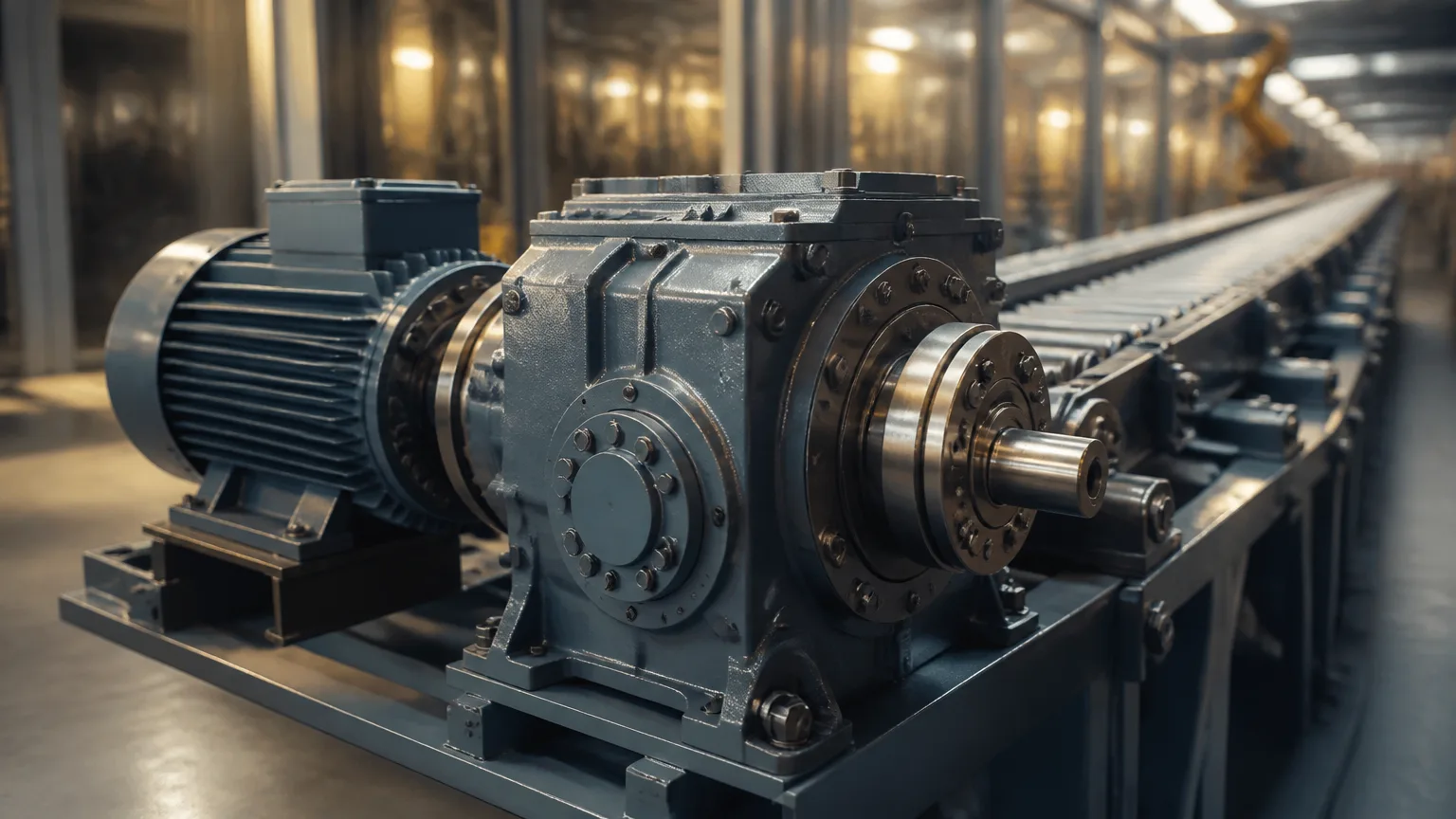
In automated systems, a gearbox does more than connect a motor to a machine. It controls output speed and multiplies torque, helping equipment perform tasks such as moving conveyors or positioning components with the force and precision required.
Because the gearbox sits between the motor and the driven machinery, its condition can affect throughput, product consistency, and unplanned downtime. Recognizing how it works helps maintenance teams spot early warning signs and make informed repair or replacement decisions. Explore industrial gearbox solutions to better understand the options for keeping operations running reliably.
The Gearbox’s Role in Automated Equipment
A gearbox helps automated systems match a motor’s output to the work a machine must perform. Motors often run at high speeds, while conveyors, mixers, and packaging lines need controlled motion suited to their loads. A speed reducer lowers motor speed and increases available torque, helping equipment move, blend, or position products reliably.
The gear ratio determines how much the gearbox changes speed and torque. A higher reduction ratio typically delivers slower output with more torque, which can help a loaded conveyor start or a mixer turn through thick material. Packaging equipment may need a different balance, using a specific output speed to keep products moving in time with filling, sealing, or labeling operations.
Choosing a gearbox requires more than matching speed and torque. Consider the machine’s duty cycle, load characteristics, operating environment, and required output speed. These factors influence gearbox design, service life, and maintenance needs. For practical guidance on how speed reducers are selected and maintained, review the conditions the driven equipment faces during normal operation.
How Gearbox Health Affects System Reliability
Gearbox condition affects the performance of the entire automated system. Wear can increase friction and backlash, reducing efficiency and causing inconsistent speed or positioning. Lubrication problems may accelerate wear, while misalignment and excessive loads can place added stress on bearings, shafts, couplings, and connected equipment.
Unusual noise, vibration, heat, or oil leaks can signal a developing issue. Changes in output speed, product quality, or cycle time may also point to gearbox trouble. These symptoms need proper diagnosis; guessing at the cause can lead to unnecessary repairs or missed damage.
Routine inspections, correct lubrication, alignment checks, and condition monitoring help teams catch problems before they interrupt production. Reliability standards provide useful context for evaluating equipment consistently and planning maintenance. Reviewing gearbox reliability standards can help maintenance teams align inspection practices with operational needs and reduce avoidable downtime.
Repair, Rebuild, or Replace: Choosing the Right Response
When a gearbox shows signs of failure, the first step is a qualified evaluation—not an automatic decision to replace it. Inspection can reveal the root cause, such as worn bearings, damaged gears, lubrication problems, or misalignment. Component condition helps determine whether a targeted repair is practical or a broader rebuild is needed.
Repair can restore a gearbox with localized damage and preserve useful service life. A rebuild may suit equipment with multiple worn components but a sound housing and viable design. Replacement is often the better choice when damage is extensive, expected service life is short, or the unit cannot meet current operating demands.
Compare each option by total cost, including parts, labor, lead time, and the consequences of downtime. A quick repair may limit an immediate production loss, while replacement may reduce recurring failures over time. Availability matters too: a replacement unit with a long lead time may make rebuilding the existing gearbox more practical.
Gearbox type and application also shape the decision. Hydraulic gearboxes have distinct operating and repair considerations, so review how hydraulic gearboxes work and are repaired before choosing a remedy. For automated systems, match the solution to the gearbox’s condition, duty cycle, and reliability requirements.
Keeping Repairs from Becoming Production Disruptions
Once a gearbox issue is identified, clear coordination can keep repairs from becoming production disruptions. Before arranging service, record operating conditions, recent maintenance, alarm history, and observed symptoms. Note when the problem occurs and whether load, temperature, noise, or vibration changes.
Share these details with the service provider, then discuss inspection findings and the recommended repair scope. Confirm what testing will be completed, what results to expect, and what conditions must be met before returning the gearbox to service. These conversations reduce uncertainty and help maintenance teams plan a smoother restart.
A gearbox rebuild is one example where planning ahead can help manage downtime. Compare the provider’s inspection process, shop capabilities, parts availability, testing procedures, and estimated turnaround. Knowing what to compare when choosing a gearbox rebuild shop helps teams weigh service options against the operating schedule.
Before installation, confirm that the repaired unit suits the application’s load, speed, duty cycle, and operating environment. Agreeing on these requirements with the provider helps ensure the gearbox is ready for the automated systems it supports.
A Well-Maintained Gearbox Supports Reliable Automation
A gearbox’s performance affects the reliability of the entire automated process. Correct application, routine condition checks, and timely attention to emerging wear can reduce avoidable interruptions and help maintain throughput and product consistency.
Treat gearbox repair and replacement as part of an overall equipment reliability strategy, not simply a response to failure. Use inspection findings, operating conditions, and service history to guide decisions. With preventive attention and evidence-based service choices, manufacturers can support dependable operation and keep automated systems running.