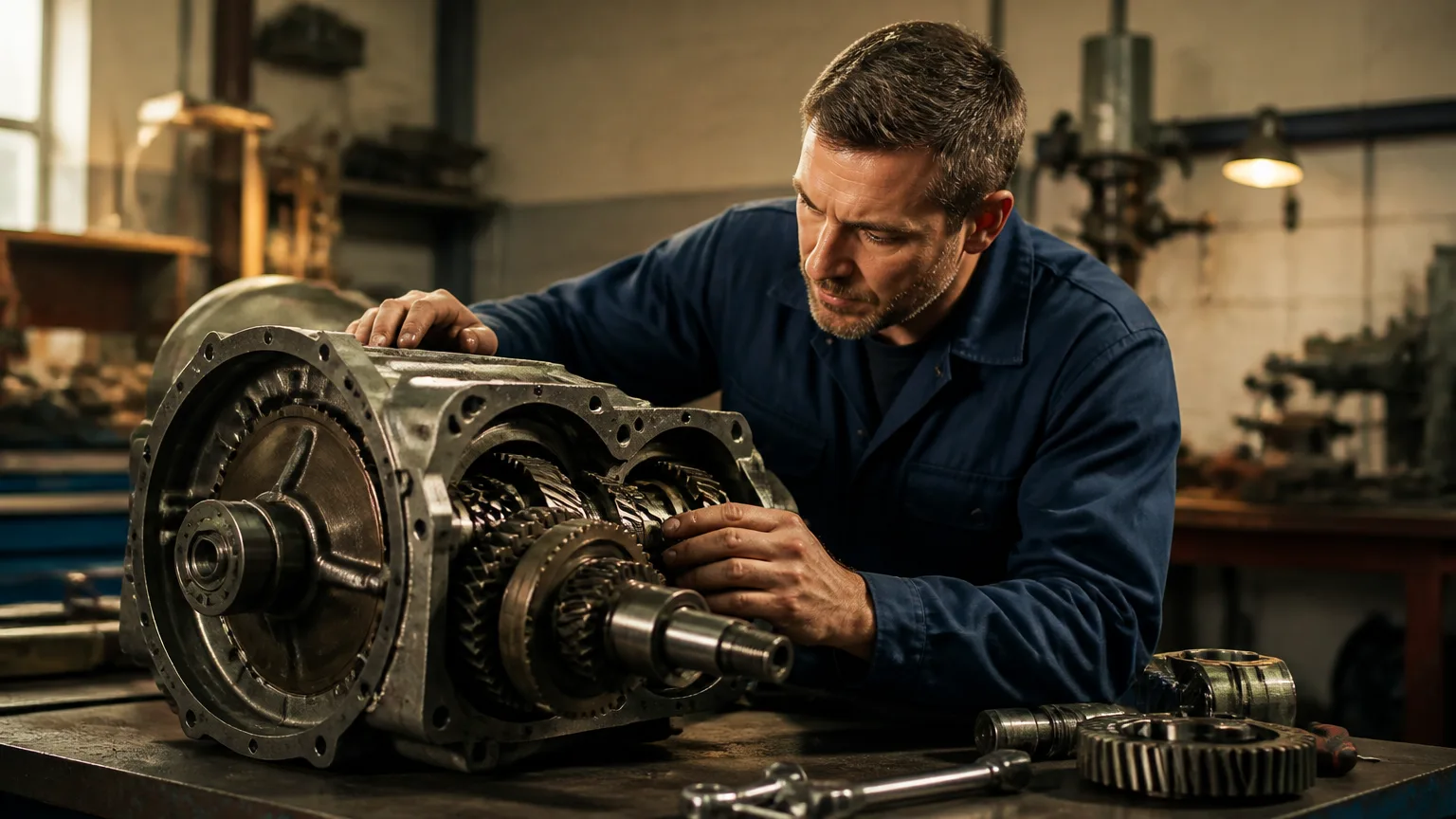
When a gearbox fails, production can stall, schedules slip, and equipment may face further damage. Searching for gearbox rebuilds near me is a practical first step, but choosing a provider is about more than distance or the lowest initial quote. The goal is to minimize downtime and restore dependable performance—not simply get the unit running again.
A qualified provider should demonstrate the technical capability and diagnostic process to identify the cause of failure, explain the work clearly, and give a realistic turnaround estimate. This article covers what to compare, including pricing transparency and support after repair, so you can choose industrial gearbox repair and rebuild services with confidence.
Start with the gearbox’s needs and the provider’s technical fit
Before contacting providers for gearbox rebuilds near me, gather the gearbox make, model, and serial number. Note its application, operating history, and current symptoms, such as unusual noise, overheating, vibration, or lubricant leaks. These details help a provider determine whether it can assess your unit and prepare for an informed evaluation.
Look for experience with your gearbox type and its duty requirements—not just general repair experience. A unit running continuously under heavy loads may need a different inspection and rebuild approach than one used intermittently. Ask how the provider inspects gears, bearings, shafts, and housing, and how it sources replacement parts.
A capable provider should investigate why the gearbox failed, not simply replace visibly damaged components. Ask how it evaluates operating loads, alignment, lubrication, and application conditions that may have contributed to the problem. For additional context, review this guidance on choosing a gearbox for heavy-duty machinery.
The right technical fit depends on both repair capability and application knowledge. Confirm that the provider can explain its findings, identify likely root causes, and recommend a rebuild suited to your operating conditions. This helps reduce the risk of repeated failures after the gearbox returns to service.
Compare inspection, rebuild scope, and quote transparency
A reliable proposal starts with a condition assessment and explains whether teardown is warranted. After inspection, the provider should document the condition of gears, bearings, shafts, seals, and housing, then share a findings report. This gives you a clear basis for comparing recommendations.
Ask providers to specify the proposed work, replacement parts, machining, testing, warranty, and exclusions. A low headline price may omit essential work, such as shaft machining or load testing. Compare quotes line by line so you understand what each provider will deliver and what could trigger additional charges.
The provider should explain whether repair, rebuild, or replacement makes the most sense. That recommendation should reflect the gearbox’s condition, parts availability, expected service life, and total cost—not price alone. For application-specific considerations, see a plant manager’s guide to Cone Drive gearbox repair.
When comparing gearbox rebuilds near me, look for clear findings and a defined scope before authorizing work. Ask how the provider will handle newly discovered damage and whether you’ll approve extra work before costs change.
Weigh location, turnaround, and service coordination
Proximity can simplify inspection, pickup, delivery, and day-to-day coordination. For facilities comparing gearbox rebuilds near me, local service may also make it easier to discuss findings in person. Still, location should not outweigh proven capability, documented quality controls, and experience with your gearbox type. Review local gearbox service considerations alongside the provider’s technical qualifications.
Ask for realistic lead times, not best-case estimates. Confirm when you’ll receive updates during teardown, how the provider will present findings, and whether you must approve additional work before costs change. If the gearbox supports a critical production line, ask what options are available for urgent needs, such as expedited repair or a temporary replacement unit.
Clarify responsibilities before authorizing service. Confirm who handles removal, transport, reinstallation, alignment, commissioning, and any required site work. A provider may rebuild the gearbox but leave installation to your maintenance team or another contractor. Defining these handoffs early helps prevent scheduling gaps and delays when the unit is ready to return to service. For specialized units, review repair and replacement considerations for Tandler gearboxes to understand how equipment-specific needs can affect planning.
Check verification, warranty, and long-term service support
Before the rebuilt gearbox returns to production, ask what checks the provider will perform. These may include dimensional inspections, backlash checks, run testing, or vibration measurements, depending on the unit and repair scope. Request records showing the work completed, parts replaced, test results, and any limits on the testing.
Review the warranty before approving the rebuild. Confirm its duration, what parts and labor it covers, and any exclusions tied to operating conditions or maintenance. Ask what steps to take if a problem appears after installation, including whom to contact and what information the provider needs to assess a claim.
A warranty offers limited protection if the cause of failure remains unresolved. Ask for maintenance recommendations and clear guidance on lubrication, alignment, loading, and operating conditions. For example, incorrect lubricant or shaft misalignment can damage a properly rebuilt gearbox and lead to repeat downtime.
Strong providers explain how to monitor the unit after startup and when to schedule follow-up checks. When comparing gearbox rebuilds near me, look for support that continues beyond delivery. Clear verification and practical service guidance help protect the repair investment and keep production on track.
Choose the provider that reduces risk—not just the quote
A nearby provider can simplify logistics, but convenience matters most when it comes with a disciplined rebuild process and clear accountability. Compare written proposals for documented scope, technical fit, communication, and lifecycle value—not price alone.
Share your gearbox details and operating symptoms with qualified providers. Then compare their proposals against the same criteria before choosing a partner.