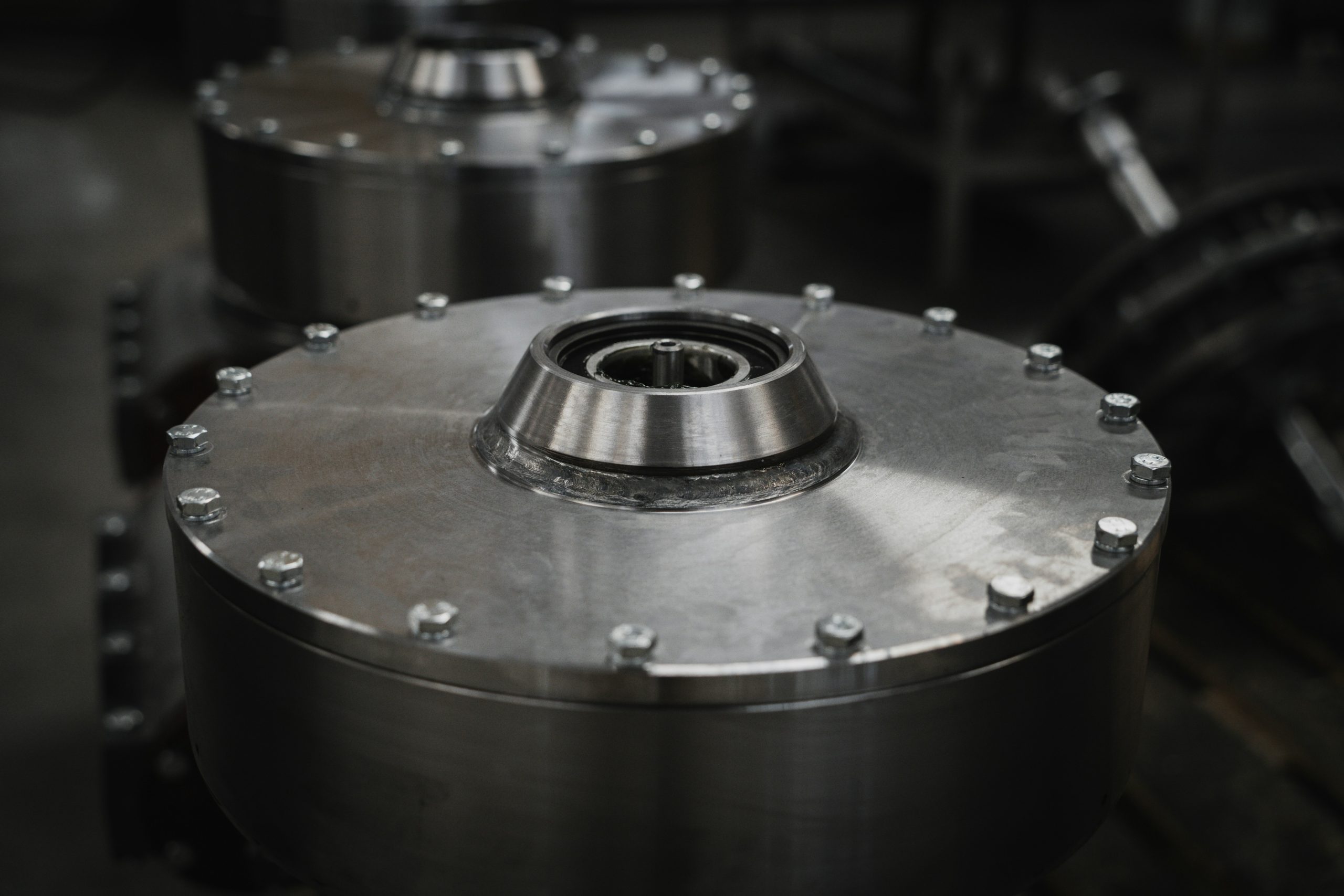
Figuring out why an industrial gearbox bearing is overheating can feel like a bit of a detective job, but it’s crucial for keeping things running smoothly. The short answer? Overheating usually boils down to excessive friction creating too much heat that the system can’t dissipate fast enough. This friction can come from a few common culprits, ranging from how the bearing is installed and lubricated to the conditions it’s operating under. Let’s dig a bit deeper into what causes these issues and what you can do about them.
Lubrication is arguably the most critical factor in a bearing’s life and its thermal performance. When things go wrong with the oil or grease, significant heat generation is almost guaranteed.
Insufficient Lubrication
This is probably the most straightforward cause. If there isn’t enough lubricant present, whether it’s grease or oil, the metal-on-metal contact increases dramatically. This lack of a protective film leads to high friction and, consequently, high temperatures.
- Symptoms: You might notice a noticeable drop in efficiency, increased noise, and obviously, rising temperatures.
- Causes:
- Under-filling: Simply not putting enough lubricant in during assembly or maintenance.
- Leakage: Seals can fail, allowing lubricant to escape over time.
- Incorrect relubrication intervals: Not relubricating frequently enough for the application’s demands.
- Dried/Hardened Grease: Over time, grease can lose its oil content or solidify, making it ineffective.
Excessive Lubrication (Over-greasing)
While it might seem counterintuitive, too much lubricant, especially grease, can also cause overheating. When a bearing housing is packed too full with grease, the rotating elements have to churn through this excess material. This “churning” or “shearing” action generates significant heat.
- Symptoms: High temperatures, especially shortly after relubrication, and sometimes grease leakage from seals.
- Causes:
- Misunderstanding relubrication amounts: Assuming more is better.
- Improper relubrication techniques: Using a grease gun until resistance is felt, rather than measuring the correct amount.
- Incompatible Grease Mixing: Mixing different types of grease can lead to a breakdown of their structure and functionality, producing a sludge-like material that creates drag and heat.
Incorrect Lubricant Type
Not all lubricants are created equal. Using the wrong type of oil or grease for a specific application can lead to overheating, even if the quantity is correct.
- Symptoms: Poor performance, rapid temperature rise, and potentially early bearing failure.
- Causes:
- Viscosity Mismatch:
- Too low viscosity: The oil film isn’t thick enough to separate the moving parts, leading to metal-on-metal contact.
- Too high viscosity: The lubricant is too thick, causing excessive churning and drag, especially at higher speeds.
- Incompatible Additives: Different lubricants have different additive packages designed for specific operating conditions (e.g., extreme pressure, rust inhibition). Using the wrong package or mixing incompatible lubricants can degrade performance.
- Temperature Range Mismatch: Lubricants are formulated to perform optimally within a specific temperature range. If the bearing operates outside this range, the lubricant’s properties can change, leading to ineffective lubrication.
Contaminated Lubrication
Dirt, dust, water, or even wear particles from the gearbox itself can turn the lubricant into an abrasive paste, leading to increased friction and wear.
- Symptoms: Noise, vibration, increased wear, and overheating.
- Causes:
- Poor sealing: Ingress of contaminants from the environment.
- Improper storage: Lubricants stored in open containers or dirty environments.
- Wear particles: Metal particles from the gearbox itself circulating in the lubricant.
Understanding the reasons behind industrial gearbox bearing overheating is crucial for maintaining optimal equipment performance. For further insights into related maintenance practices, you may find the article on electric motor repair particularly useful. It discusses essential strategies for ensuring the longevity and efficiency of electric motors, which often work in conjunction with gearboxes. You can read more about it in this comprehensive guide: The Ultimate Guide to 24/7 Electric Motor Repair in California.
Installation Errors: A Foundation for Failure
How a bearing is installed can significantly impact its operating temperature and overall lifespan. Even slight errors can introduce stresses that lead to premature overheating.
Misalignment
This is a very common and costly installation error. When a bearing isn’t perfectly aligned with its shaft or housing, it experiences uneven load distribution.
- Symptoms: Vibration, noise, premature wear patterns (often localized), and elevated temperatures.
- Causes:
- Angular Misalignment: The shaft and housing bore are not parallel.
- Parallel Offset Misalignment: The shaft and housing bore are parallel but not concentric.
- Bent Shaft: The shaft itself is not straight.
- Improper Shimming: Incorrect or inadequate shims during assembly.
Incorrect Fit (Too Tight)
Bearings are designed to have a specific fit (interference or clearance) with the shaft and housing. An excessively tight fit can reduce the internal clearance of the bearing.
- Symptoms: Increased torque requirement, stiffness, and rapid temperature increase shortly after startup.
- Causes:
- Oversized Shaft/Undersized Housing Bore: The shaft is too large for the bearing’s inner ring, or the housing bore is too small for the bearing’s outer ring.
- Incorrect mounting procedure: Applying excessive force during mounting, deforming the bearing.
- Thermal Expansion Issues: If the shaft heats up and expands more than the inner ring, it can reduce clearance.
Damage During Mounting
Even the most robust bearings can be damaged if not handled and installed correctly. Striking the inner ring to seat the outer ring (or vice-versa), or using excessive force, can cause brinelling, false brinelling, or cage damage.
- Symptoms: Noise, vibration, uneven rotation, and localized heating.
- Causes:
- Using improper tools: Hammers instead of hydraulic presses or induction heaters.
- Applying force to the wrong ring: Pressing on the outer ring to mount on a shaft, or vice-versa.
- Lack of training: Inexperienced personnel performing mounting.
Operating Conditions: The Environmental Factor
The environment and how the gearbox is used play a substantial role in bearing thermal management. Sometimes, the issue isn’t even with the bearing itself, but with the conditions it has to endure.
Overloading
Putting more load on a bearing than it’s designed to handle dramatically increases the friction between rolling elements and raceways.
- Symptoms: Excessive heat, increased noise, reduced speed, and rapid bearing fatigue.
- Causes:
- Incorrect bearing selection: Using a bearing with insufficient dynamic load rating for the application.
- Unexpected load increases: Changes in the process that impose higher loads than anticipated.
- Shock loads: Sudden, heavy impacts that exceed design limits.
Excessive Speed
Operating a bearing at speeds higher than its design limit also generates disproportionate heat due to increased churning of the lubricant and higher centrifugal forces on the rolling elements.
- Symptoms: High temperatures, especially at the outer ring, and potential for cage failure.
- Causes:
- Incorrect bearing selection: Bearings have a “limiting speed” and “reference speed” which must be considered.
- Application changes: Modifying the gearbox to run faster without re-evaluating the bearings.
- Lubrication type: The wrong viscosity or type of lubricant for high-speed operation.
Inadequate Cooling
Even if friction is within acceptable limits, the system needs to dissipate the generated heat. If heat can’t escape, temperatures will rise.
- Symptoms: Persistent high temperatures even when other factors seem normal.
- Causes:
- Blocked cooling fins/channels: Dust, dirt, or debris accumulating on the gearbox housing.
- Insufficient airflow: Obstructions around the gearbox preventing natural convection.
- High ambient temperature: Operating in a very hot environment without adequate supplementary cooling.
- Cooling system malfunction: If the gearbox has a dedicated cooling system (e.g., oil cooler, fan), a failure here will lead to overheating.
Sure, here is the sentence with the clickable link:
Please feel free to contact Industrial Gearbox Solutions for any inquiries.
Seal and Drag Issues: Hidden Resistance
While seals are essential for keeping lubricants in and contaminants out, they can also be a source of heat generation if not chosen or installed correctly.
Excessive Seal Drag
Some seals, particularly contact seals, generate friction as they rub against the shaft or housing. While this is normal to some extent, excessive drag can contribute to overheating.
- Symptoms: Localized heat around the seal area, increased power consumption.
- Causes:
- Incorrect seal material: Harder materials can create more friction.
- Improper seal installation: Seals installed with too much compression.
- Seal damage: A damaged or deformed seal can rub incorrectly.
- Incorrect seal type: Using a contact seal when a non-contact option would suffice for the application.
Contamination Ingress (and subsequent drag)
As mentioned under lubrication, seals are the first line of defense against contaminants. If they fail, or if the environment is particularly harsh, contaminants can enter the bearing. These particles then get trapped between the rolling elements and raceways, acting as abrasives.
- Symptoms: Grinding noise, high vibration, increased operating temperature, accelerated wear.
- Causes:
- Worn or damaged seals: Seals degrade over time and lose their effectiveness.
- Poor seal design: Inadequate sealing for the operating environment.
- High pressure washdowns: Water jetting directly onto seals.
- Breather issues: Clogged or missing breathers creating pressure differentials that pull in contaminants.
Understanding the causes of overheating in industrial gearbox bearings is crucial for maintaining optimal performance and longevity of machinery. For a deeper insight into effective maintenance strategies and repair solutions, you can explore a related article that discusses the importance of timely interventions and professional services. This resource can be found at industrial gearbox repair in Jonesville, Michigan, where you will find valuable information that complements your knowledge on preventing overheating issues.
Internal Component Issues: The Bearing Itself
| Reasons for Industrial Gearbox Bearings Overheating | Effects | Solutions |
|---|---|---|
| Insufficient lubrication | Increased friction, wear, and potential bearing failure | Regular lubrication maintenance and monitoring |
| Contamination of lubricant | Reduced lubricating properties and increased friction | Regular lubricant analysis and replacement |
| Overloading | Increased heat generation and accelerated wear | Proper load monitoring and adjustment |
| Poor alignment or installation | Uneven load distribution and increased friction | Proper alignment and installation procedures |
Sometimes, the problem lies within the bearing itself, due to manufacturing defects or degradation over time.
Manufacturing Defects
While rare with reputable manufacturers, defects can occasionally occur that predispose a bearing to overheat.
- Symptoms: Early failure, high temperatures from the start, uneven wear patterns.
- Causes:
- Material inconsistencies: Imperfections in the steel.
- Incorrect geometry: Slight deviations in raceway or rolling element dimensions.
- Poor surface finish: Rough surfaces lead to increased friction.
Cage Failure
The cage separates the rolling elements and guides them. If the cage fails or becomes damaged, the rolling elements can rub against each other, creating significant friction and heat.
- Symptoms: Loud grinding noise, increased vibration, rapid temperature spike, often leading to catastrophic failure.
- Causes:
- Fatigue: Prolonged stress over time.
- Impact damage: Shock loads.
- High speeds: Exceeding the design limits of the cage material.
- Inadequate lubrication: Lack of lubricant can cause the rolling elements to directly contact and wear on the cage.
- Contamination: Particles can cause wear and damage to the cage.
Rolling Element/Raceway Damage (Pitting, Spalling)
Over time, or due to overloading/contamination, the surfaces of the rolling elements or raceways can develop fatigue cracks, which eventually lead to pitting or spalling (flaking of metal). This damage creates uneven surfaces that generate significant heat as the rolling elements pass over them.
- Symptoms: Loud, irregular noise, increased vibration, localized heating, and eventually, catastrophic failure.
- Causes:
- Fatigue: The most common cause, due to millions of stress cycles.
- Contamination: Particles indenting the surfaces.
- Overloading: Exceeding the bearing’s load rating.
- Lack of lubrication: Metal-on-metal contact causing surface damage.
Preload Issues
Some bearings are deliberately preloaded to increase stiffness or accuracy. However, if the preload is too high, it effectively increases the radial or axial load on the bearing, leading to excessive friction and heat.
- Symptoms: Stiffness, high torque during rotation, and significant temperature rise.
- Causes:
- Incorrect shimming: During assembly, too much shimming can induce excessive preload.
- Thermal expansion: If components expand differently, it can inadvertently increase preload.
- Improper nut tightening: For bearings that use lock nuts for adjustment, overtightening can cause too much preload.
Understanding these various factors is the first step in diagnosing and preventing bearing overheating. A systematic approach, considering all potential causes, will help you get to the root of the problem and ensure your industrial gearboxes run efficiently and reliably.
FAQs
What are industrial gearbox bearings?
Industrial gearbox bearings are components used in industrial gearboxes to support and facilitate the movement of gears and shafts. They are crucial for the smooth operation of the gearbox and the machinery it is a part of.
What causes industrial gearbox bearings to overheat?
Industrial gearbox bearings can overheat due to a variety of reasons, including inadequate lubrication, excessive loads, misalignment, improper installation, and contamination from dirt or debris. Overheating can lead to premature bearing failure and costly downtime.
How can overheating of industrial gearbox bearings be prevented?
To prevent overheating of industrial gearbox bearings, it is important to ensure proper lubrication, correct installation, regular maintenance, and monitoring of operating conditions. Using high-quality bearings and addressing any issues such as misalignment or excessive loads can also help prevent overheating.
What are the consequences of overheating industrial gearbox bearings?
Overheating of industrial gearbox bearings can lead to reduced efficiency, increased wear and tear, and ultimately, premature failure of the bearings. This can result in costly repairs, downtime, and potential damage to other components of the gearbox and machinery.
How can overheating of industrial gearbox bearings be addressed?
If industrial gearbox bearings are overheating, it is important to identify and address the root cause of the issue. This may involve inspecting and replacing the bearings, improving lubrication practices, addressing misalignment or excessive loads, and implementing preventive maintenance measures to ensure optimal performance and longevity of the bearings.