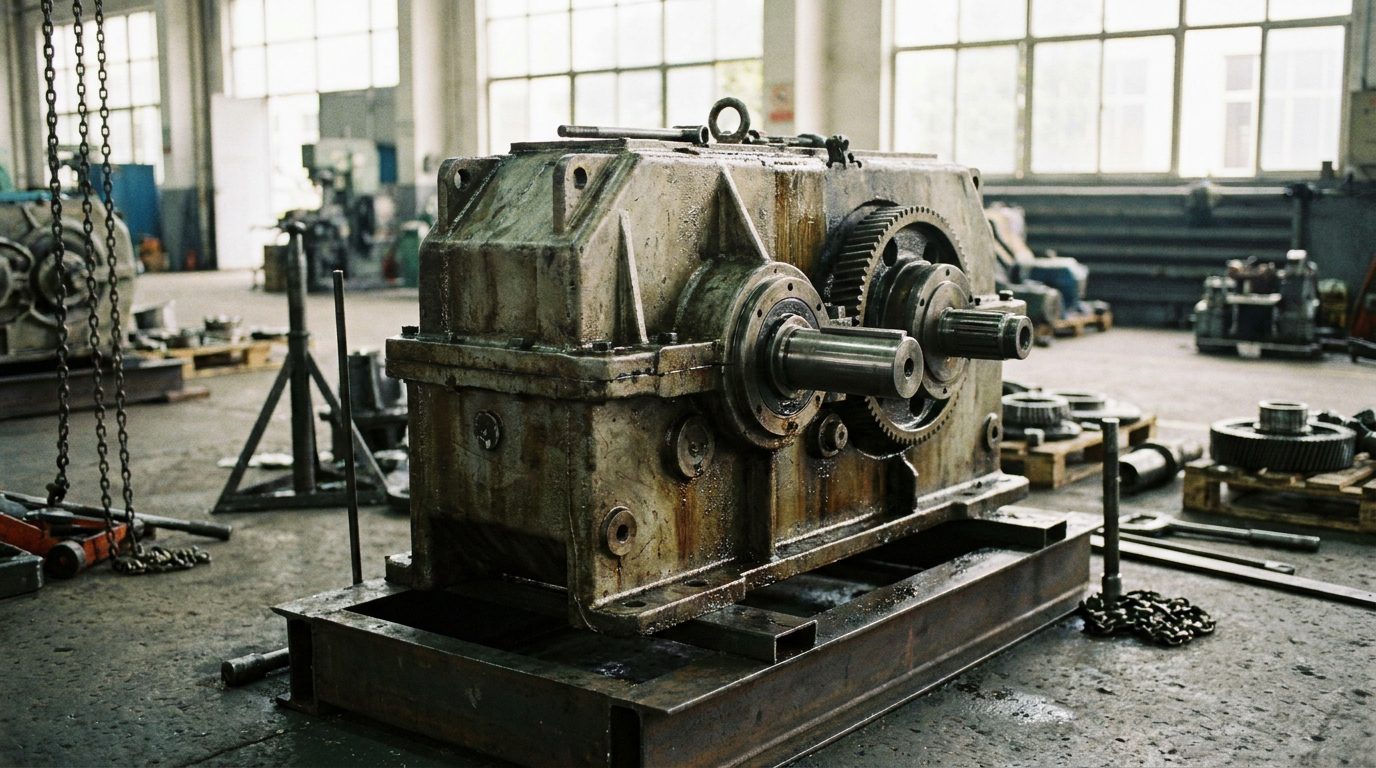
Industrial gearboxes are the unsung heroes of countless manufacturing processes, diligently converting motor speed and torque to power essential machinery. However, a common and persistent adversary threatens their efficiency and longevity: oil leaks. These seemingly minor seepages can escalate into significant operational disruptions, leading to premature wear, catastrophic failures, costly downtime, and environmental concerns. For plant managers, maintenance teams, engineers, buyers, and operators, understanding the root causes, recognizing the warning signs, and implementing effective solutions for gearbox oil leaks is paramount. This article delves deep into the multifaceted issue of industrial gearbox oil leaks, providing practical, technically accurate insights to help you maintain peak performance and avoid costly consequences. We’ll explore the underlying reasons for leaks, how to identify them early, diagnostic approaches, repair and replacement strategies, associated costs and risks, and, most importantly, how to prevent them in the first place.
Understanding the reasons behind oil leaks in industrial gearboxes is crucial for maintaining equipment efficiency and longevity. For a deeper insight into the repair processes and solutions available for industrial gearboxes, you can refer to the article on industrial gearbox repair in Kailua, Hawaii. This resource provides valuable information on common issues and effective repair strategies. To learn more, visit Industrial Gearbox Repair in Kailua, Hawaii.
Unlock Expert Solutions: Upload Your Nameplates Here
The Pervasive Problem of Industrial Gearbox Oil Leaks
Oil leaks from industrial gearboxes are far more than just an unsightly mess. They represent a tangible loss of a critical lubricant that is essential for the smooth operation and protection of intricate internal components. Lubricant prevents metal-to-metal contact, dissipates heat, washes away wear debris, and protects against corrosion. When oil leaks, these vital functions are compromised, leading to a cascade of negative effects. The lubricant level drops, increasing friction and heat buildup. This elevated temperature accelerates the degradation of remaining oil, reducing its viscosity and lubricating properties. Metal parts grind against each other, generating abrasive wear particles that further contaminate the oil and exacerbate the damage. In severe cases, a significant oil loss can lead to gearbox seizure, a catastrophic failure that halts production and necessitates expensive emergency repairs or even full unit replacement.
Beyond the direct mechanical impact, leaks pose significant environmental risks. Spilled oil can contaminate soil and waterways, leading to hefty fines and reputational damage. Furthermore, the constant need to top off leaking gearboxes is an ongoing operational expense, consuming valuable maintenance time and resources that could be better allocated. Addressing gearbox oil leaks proactively is not merely about tidiness; it’s a critical aspect of asset management, operational efficiency, and environmental stewardship.
The Financial and Operational Toll of Leaks
The economic ramifications of uncontrolled oil leaks are substantial and often underestimated. They encompass several key areas:
- Lost Productivity: Gearbox failure due to insufficient lubrication or contamination halts production lines, leading to significant revenue loss. Emergency repairs and extended downtime further amplify this impact.
- Increased Maintenance Costs: Frequent topping off of lubricant, cleanup of spills, and the labor involved in identifying and addressing leaks all contribute to higher operational expenditures.
- Premature Component Wear: Without adequate lubrication, gears, bearings, and seals experience accelerated wear, leading to earlier-than-expected component failures and the need for costly replacements.
- Energy Inefficiency: Increased friction caused by inadequate lubrication requires more energy to operate the machinery, leading to higher electricity bills.
- Environmental Fines and Remediation: In jurisdictions with strict environmental regulations, oil spills can result in significant fines and the expensive process of cleaning up contaminated sites.
- Safety Hazards: Oil slicks on factory floors create slip-and-fall hazards for personnel, increasing the risk of accidents and injuries.
Check out our blog for more articles on industrial gearbox solutions: more articles.
Decoding the Causes: Why Do Industrial Gearboxes Leak Oil?
The reasons behind industrial gearbox oil leaks are diverse, stemming from issues related to the gearbox design, manufacturing, installation, operation, and maintenance. Understanding these root causes is the first step toward effective prevention and repair.
1. Seal Degradation and Failure
Seals are the primary barrier preventing lubricant from escaping the gearbox and contaminants from entering. Their degradation is a leading cause of leaks.
a. Material Deterioration
- Age and Oxidation: Over time, elastomeric seals (like O-rings, lip seals, and gaskets) naturally degrade due to oxidation, exposure to heat, and chemical attack from the lubricant. This leads to hardening, cracking, and loss of elasticity, diminishing their sealing ability.
- Incompatibility: Using the wrong type of seal material for the specific lubricant or operating environment can cause premature failure. For instance, certain synthetic lubricants can degrade older rubber compounds.
- Heat Exposure: Excessive operating temperatures, often exacerbated by insufficient lubrication or overload, can bake seals, causing them to become brittle and crack.
b. Mechanical Damage
- Improper Installation: Nicked, pinched, or twisted seals during installation can create immediate leak paths or lead to early failure.
- Shaft Surface Finish: A rough or damaged shaft surface can abrade the sealing lip, leading to wear and leakage. Foreign debris trapped between the seal and the shaft can also cause scoring.
- Shaft Runout or Vibration: Excessive shaft runout or vibration can cause the seal lip to lift off the shaft intermittently, allowing oil to escape.
c. Seal Design and Application Issues
- Undersized or Oversized Seals: A seal that is too small will not create sufficient contact pressure, while one that is too large can be difficult to install correctly and may be damaged during fitting.
- Incorrect Seal Type: Using a seal not designed for the specific application (e.g., a static seal in a dynamic application) will lead to failure.
- Lack of Proper Sealing Grooves: In some designs, inadequate or missing sealing grooves can prevent the seal from being properly seated and maintaining its integrity.
2. Gasket Failures
Gaskets are used to seal flanges and joints in the gearbox housing, preventing leaks at assembly points.
a. Material Breakdown
- Aging and Brittleness: Similar to seals, gasket materials (cork, rubber, composite) can become brittle with age and exposure to heat and chemicals.
- Chemical Attack: Aggressive lubricants or cleaning agents can degrade gasket materials.
b. Improper Installation and Sealing Surfaces
- Uneven Torquing: Bolts securing a gasketed flange must be tightened in a specific sequence and to the correct torque. Uneven tightening can distort the flange and create leak paths.
- Damaged Gasket Surfaces: Scored, corroded, or warped flange surfaces will prevent a gasket from forming a tight seal.
- Debris on Sealing Surfaces: Any dirt, grit, or old gasket material left on the sealing surfaces will compromise the seal.
3. Cracked or Damaged Housing
The gearbox housing itself can be a source of leaks if it is damaged.
a. Physical Impact
- Collisions: Accidental impacts from forklifts, falling objects, or during maintenance can crack or deform the housing.
- Over-Tightened Fasteners: Excessive force applied to mounting bolts or other fasteners can stress and crack the housing, especially at mounting points.
b. Manufacturing Defects
- Casting Porosity: Tiny pores or voids within the cast metal of the housing can allow oil to seep through, especially under pressure. This is more common in older or lower-quality castings.
- Weld Defects: If the gearbox housing is fabricated and welded, flaws in the welds can create leak paths.
4. Venting Issues and Pressure Buildup
Gearboxes generate heat during operation, causing the oil to expand and the air inside to heat up. Proper venting is crucial to manage this pressure.
a. Clogged Vents
- Dust and Debris: The most common cause of clogged vents is the accumulation of dust, dirt, or dried lubricant, preventing air exchange.
- Improper Vent Installation: Some vents have breather caps with filters that can become saturated with oil mist and clogged.
b. Excessive Lubricant Fill Level
- Overfilling: Filling the gearbox beyond the recommended level can lead to excess oil churning, increasing pressure and heat, and forcing oil past seals and vents.
- Incorrect Oil Viscosity: Using an oil with too low a viscosity at operating temperature can contribute to higher churning and pressure.
c. High Operating Temperatures
- Overload: Operating the gearbox beyond its rated capacity generates excessive heat.
- Insufficient Cooling: If the gearbox relies on external cooling (fans, oil coolers) that is malfunctioning or blocked, temperatures will rise.
- High Ambient Temperatures: In extremely hot environments, the gearbox may struggle to dissipate heat effectively.
5. Bearing and Shaft Issues
Problems with the internal rotating components can also contribute to leaks.
a. Worn or Damaged Bearings
- Excessive Shaft Movement: Worn bearings allow for increased shaft play, which can distort seals and create gaps for oil to escape.
- Heat Generation: Failing bearings generate significant heat, which can degrade seals and pressurize the oil.
b. Shaft Damage or Misalignment
- Bent Shafts: A bent shaft will cause uneven rotation and put stress on seals.
- Shaft Misalignment: If the driven and driving shafts are not perfectly aligned, it can cause excessive side-loads on bearings and seals.
6. Improper Lubrication Practices
Incorrect lubrication procedures are a frequent, though often overlooked, contributor to leaks.
a. Incorrect Lubricant Type or Viscosity
- Wrong Viscosity: Using an oil that is too thin at operating temperature will not provide sufficient sealing and can lead to leaks. Too thick an oil can also cause issues, especially at start-up.
- Incompatible Lubricants: Mixing different types of lubricants can cause chemical reactions that degrade seals or reduce the oil’s viscosity.
b. Incorrect Fill Level
- Overfilling: As mentioned earlier, overfilling is a major cause of pressure-related leaks.
- Underfilling: While not a direct cause of leaks, underfilling leads to increased friction and heat, which can then degrade seals and cause them to leak.
Understanding the reasons behind oil leaks in industrial gearboxes is crucial for maintaining equipment efficiency and longevity. For a deeper insight into how to address these issues effectively, you may find it helpful to explore the article on industrial gearbox repair, which discusses common problems and solutions that can help prevent leaks and ensure optimal performance.
Recognizing the Warning Signs: Early Detection is Key
The ability to spot the early indicators of a gearbox oil leak can save significant time, money, and prevent catastrophic failures. Vigilance and regular inspections are crucial.
Visual Cues: The Obvious and the Subtle
- Visible Oil Stains: The most apparent sign is oil dripping onto the floor, machinery, or surrounding surfaces. These stains can vary in size from small puddles to significant accumulations.
- “Sweating” or Seepage: Sometimes, leaks are not overt drips but rather a damp film of oil on the exterior of the gearbox, particularly around seals, gaskets, or casing joints. This is often an early warning.
- Oil on Adjacent Components: Oil can migrate and coat nearby equipment, motor windings, or structural elements. This indicates a leak has been present for some time.
- Discoloration or Darkening of Oil: If you can see the oil level through a sight glass and it appears darker than usual, it might indicate overheating due to low lubricant levels, which can lead to leaks.
Olfactory and Auditory Clues
- Burning Oil Smell: Overheating oil emits a distinct burning odor. This is a critical warning sign of inadequate lubrication, often associated with leaks that have reduced the oil level.
- Unusual Noises: While not always directly linked to leaks, increased friction from low lubrication levels can manifest as whining, grinding, or increased operational noise from the gearbox.
Performance Indicators
- Increased Operating Temperature: Gearboxes with oil leaks will often run hotter than normal due to reduced lubrication and increased friction. This can be detected with infrared thermometers or by feeling the external casing (with caution).
- Reduced Efficiency: As lubrication degrades and friction increases, the gearbox may become less efficient, requiring more power to perform the same task.
Environmental Contamination
- Oil Residue in Cooling Systems: If the gearbox has an oil cooler, oil residue in the cooling fins or surrounding areas can indicate a leak.
- Contaminated Shaft Output: Oil seeping around the output shaft seals can contaminate the driven equipment.
Diagnosing the Leak: Pinpointing the Source
Once a leak is suspected, a systematic diagnostic approach is necessary to accurately identify its origin and severity.
Initial Assessment and Documentation
- Clean the Area: Thoroughly clean the exterior of the gearbox to remove any existing oil. This allows for precise identification of new leak points.
- Observation Period: Run the gearbox for a period and carefully observe for the reappearance of oil. Note the exact location where the oil emerges.
- Document Findings: Take clear photographs or videos of the leak location and any associated damage. Note the date, time, and operating conditions during the observation.
Systematic Inspection of Common Leak Points
- Shaft Seals: Inspect the seals on both the input and output shafts. Look for signs of wear, cracking, hardening, or lubricant escaping around the sealing lip.
- Gasketed Joints: Examine all flange connections, cover plates, and inspection covers for signs of oil seeping from the gasket. Check the tightness of fasteners.
- Breather and Vent Plugs: Ensure the vent is clean and unobstructed. Check for oil residue around the vent, which could indicate pressure buildup forcing oil out.
- Housing Integrity: Inspect the entire gearbox housing for cracks, porosity, or signs of impact damage.
- Drain and Fill Plugs: Verify that these plugs are properly sealed and tightened.
Pressure Testing and Dye Tracing
- Pressure Testing (for certain designs): In some cases, the gearbox can be pressurized (with air or inert gas) while submerged in water or with a leak detection fluid applied to the exterior. Bubbles indicate a leak. Caution: This method requires specialized knowledge and equipment and should only be performed by qualified personnel.
- Dye Tracing: A fluorescent dye can be added to the gearbox oil. After running the unit, a UV light can reveal the exact path of the leak. This is particularly useful for identifying small or intermittent leaks.
Oil Analysis
- Lubricant Analysis: While not directly diagnosing a leak location, a used oil analysis can reveal issues contributing to leaks, such as the presence of wear particles indicating bearing failure or excessive heat degradation of the lubricant which can compromise seals.
Repair or Replacement: Weighing Your Options
Once the leak source is identified, the next step is to determine the most appropriate course of action: repair or replacement. This decision hinges on factors like the severity of the leak, the condition of the gearbox, cost, and available time.
Repair Options
- Seal Replacement: This is the most common repair for leaks originating from worn or damaged seals.
- Procedure: The gearbox typically needs to be partially or fully disassembled to access and replace the faulty seals. Shaft surfaces must be inspected and cleaned to ensure proper sealing.
- Considerations: Use high-quality, compatible replacement seals. Ensure proper installation techniques are followed.
- Gasket Replacement: Leaking gaskets are usually replaced as part of a flange or cover re-sealing.
- Procedure: Disassemble the affected joint, clean sealing surfaces, install a new gasket, and reassemble with appropriate torquing procedures.
- Considerations: Ensure sealing surfaces are free of nicks and corrosion. Use the correct gasket material for the application.
- Housing Repair: Minor cracks or porosity in the housing can sometimes be repaired.
- Methods: Welding (for cast iron or steel housings) or specialized epoxy compounds can be used for sealing.
- Considerations: This often requires specialized skills and may not be suitable for all housing materials or crack locations. The integrity of the repair needs to be thoroughly tested.
- Vent Cleaning or Replacement: A clogged vent can be cleaned or replaced to restore proper pressure equalization.
- Procedure: Remove the vent, clean out any debris, and ensure the filter element (if present) is clean or replaced.
- Shaft/Bearing Repair or Replacement: If leaks are caused by worn bearings or damaged shafts, these components will need to be repaired or replaced, often requiring significant disassembly.
Replacement Options
- Component Replacement: If a specific internal component like a bearing or gear is the root cause, it may be more economical to replace that component rather than attempt a complex repair of a severely damaged part.
- Gearbox Unit Replacement: In cases of severe housing damage, widespread internal wear, or when the cost of repair approaches the cost of a new unit, full gearbox replacement becomes the most practical solution.
- Considerations:
- Cost-Benefit Analysis: Compare the cost of repair (including labor and downtime) versus the cost of a new or remanufactured gearbox.
- Lead Time: Consider the availability of replacement parts or new units. Urgent situations may necessitate a readily available replacement.
- Upgrade Opportunities: Replacing a unit offers an opportunity to upgrade to a more efficient, robust, or feature-rich model.
- Availability of Spare Parts: For critical applications, ensure spare parts are readily available for the new gearbox.
Remanufacturing
- Benefits: Remanufactured gearboxes offer a cost-effective alternative to new units, often coming with a warranty. They are rebuilt to original specifications using new or refurbished components.
- Considerations: Ensure the remanufacturer has a good reputation and provides a comprehensive warranty.
Cost and Risk Assessment: Making Informed Decisions
The decision to repair or replace a leaking gearbox involves a careful assessment of associated costs and risks.
Cost Factors
- Labor Costs: The time required for disassembly, repair, reassembly, and testing.
- Parts Costs: The price of seals, gaskets, bearings, shafts, housing sections, or a complete new unit.
- Downtime Costs: The financial impact of production stoppage during the repair or replacement process. This is often the most significant cost.
- Environmental Remediation Costs: If leaks have resulted in spills, cleanup and disposal expenses can be substantial.
- Disposal Costs: For old or unrepairable units.
Risk Factors
- Repair Risks:
- Incomplete Repair: The leak may not be fully resolved, leading to recurring issues.
- Secondary Damage: Mishandling during repair can cause further damage to internal components.
- Material Defects: Replacement parts may be of lower quality, leading to premature failure.
- Replacement Risks:
- Incorrect Specification: Choosing a replacement gearbox that is not adequately sized or spec’d for the application.
- Installation Errors: Improper mounting or alignment of a new unit can lead to premature failure.
- Compatibility Issues: Ensuring the new gearbox integrates seamlessly with existing drive systems and controls.
- Downtime Risks: Extended or unplanned downtime can have severe consequences for production schedules and customer commitments.
- Environmental Risks: Continued leaks pose ongoing environmental hazards and potential regulatory violations.
Prevention is Better Than Cure: Proactive Strategies
The most effective way to manage gearbox oil leaks is to prevent them from occurring in the first place. Implementing a robust preventative maintenance program is key.
Robust Preventative Maintenance Program
- Regular Inspections:
- Visual Checks: Conduct daily or weekly visual inspections for any signs of oil seepage.
- Scheduled Inspections: Perform more thorough inspections during planned maintenance intervals, including checking oil levels, looking for wear, and verifying seal integrity.
- Lubrication Management:
- Correct Lubricant Selection: Always use the lubricant recommended by the gearbox manufacturer, considering viscosity, temperature range, and environmental factors.
- Proper Fill Levels: Adhere strictly to the manufacturer’s fill level recommendations. Use sight glasses or dipsticks accurately. Avoid overfilling.
- Regular Oil Analysis: Periodic used oil analysis can detect early signs of wear, contamination, or lubricant degradation, providing early warnings of potential problems.
- Scheduled Oil Changes: Follow the manufacturer’s recommended schedule for oil changes.
- Temperature Monitoring:
- Regularly Monitor Operating Temperatures: Use thermometers or infrared scanners to check gearbox temperatures. Investigate any unusual increases.
- Venting System Maintenance:
- Regular Cleaning: Inspect and clean breather vents regularly to ensure they are free from debris and oil mist.
- Vibration Analysis:
- Early Detection of Bearing/Shaft Issues: Regularly monitor gearbox vibration levels. Elevated vibration can indicate bearing wear or shaft misalignment, precursors to seal failure.
- Proper Installation Practices:
- Adherence to Manufacturer Guidelines: Ensure all installation and reassembly procedures strictly follow the manufacturer’s recommendations. This includes correct torquing of fasteners and proper alignment.
- Environmental Protection:
- Drip Pans and Containment: Install drip pans or secondary containment systems under gearboxes in critical areas to catch minor leaks and prevent spills.
- Operator Training:
- Educate Operators: Train operators to recognize the early signs of gearbox problems, including unusual noises, smells, or visual leaks, and to report them immediately.
Seal and Gasket Selection
- Use High-Quality Components: Always opt for reputable brands and high-quality replacement seals and gaskets.
- Ensure Material Compatibility: Verify that the seal and gasket materials are compatible with the lubricant, operating temperature, and any other chemicals present in the environment.
- Proper Seal Fitment: Ensure seals are the correct size and type for the application and are installed without damage.
Frequently Asked Questions (FAQ)
Q1: How often should I inspect my industrial gearboxes for leaks?
A1: Visual inspections should be performed frequently, ideally daily or at least weekly, especially for critical machinery. More thorough inspections should be part of your scheduled maintenance program.
Q2: What is the most common cause of gearbox oil leaks?
A2: Degradation and failure of shaft seals are overwhelmingly the most common cause of industrial gearbox oil leaks, followed closely by gasket failures.
Q3: Can a gearbox leak oil if it’s brand new?
A3: While less common, a new gearbox can leak due to manufacturing defects, improper installation, or damage during shipping. It’s important to inspect new installations thoroughly.
Q4: Is it safe to continue operating a gearbox with a minor oil leak?
A4: It is generally not advisable. Even minor leaks can lead to gradual lubricant loss, increased friction and heat, and accelerated wear. It’s best to address them promptly.
Q5: How do I know if I’m using the correct type of oil?
A5: Always refer to the gearbox manufacturer’s specifications and recommendations for the correct oil type and viscosity. Consulting with your lubricant supplier is also recommended.
Conclusion: Vigilance and Proactive Care for Gearbox Longevity
Industrial gearbox oil leaks are a persistent challenge that demands a comprehensive and proactive approach. By understanding the diverse causes, diligently recognizing the warning signs, employing effective diagnostic techniques, and implementing robust repair, replacement, and, most importantly, preventative strategies, plant managers, maintenance teams, engineers, buyers, and operators can significantly minimize the impact of these issues. Investing in regular inspections, proper lubrication management, and timely interventions not only preserves the integrity and performance of your gearbox assets but also safeguards operational efficiency, reduces costs, and contributes to a safer and more environmentally responsible workplace. Treat your gearboxes with the attention they deserve, and they will continue to drive your operations reliably for years to come.