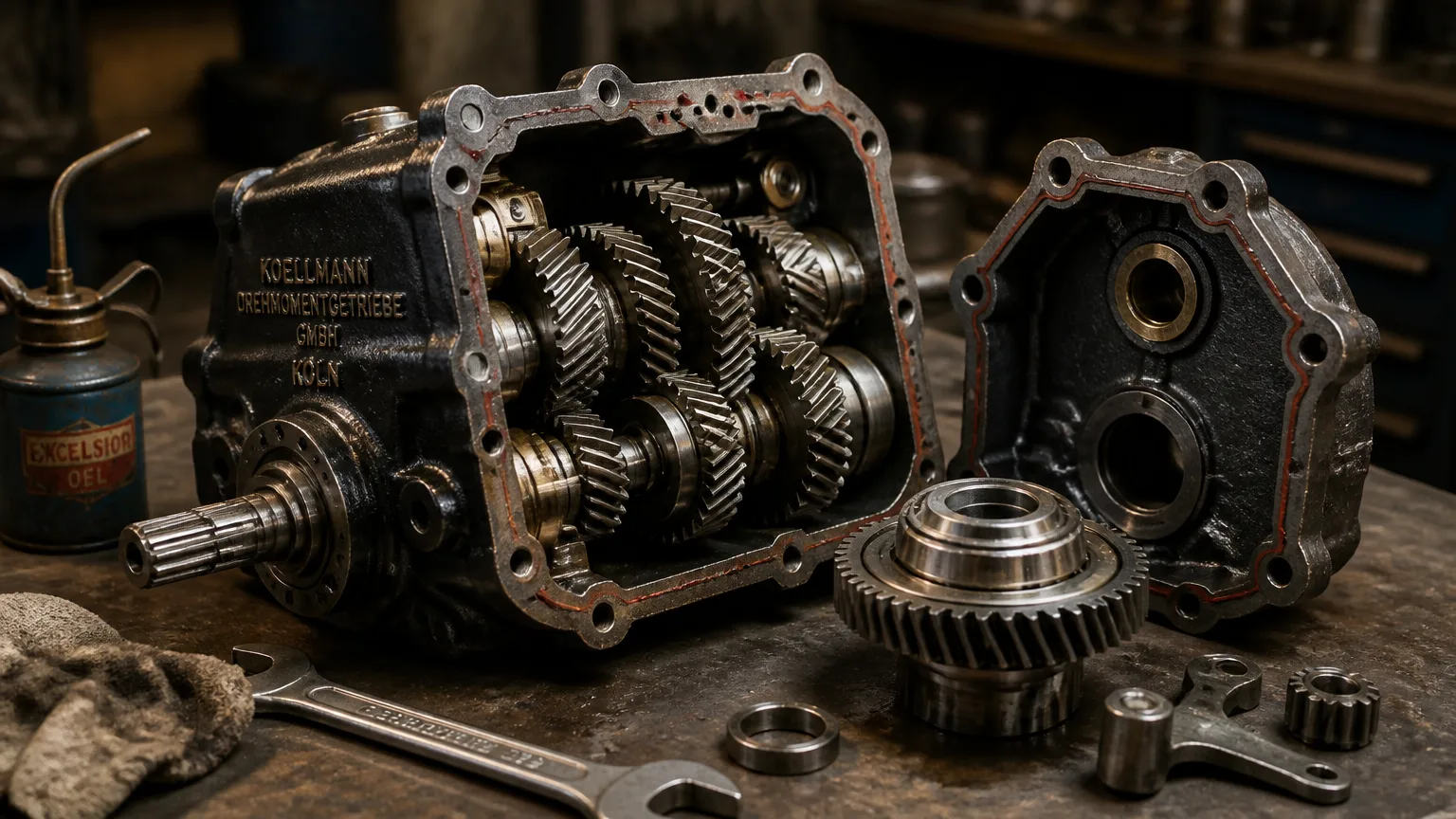
Effective Koellmann gearbox repair is crucial for maintaining the efficiency and productivity of manufacturing and industrial facilities. Gearboxes play a pivotal role in transmitting power and ensuring smooth operations. When these components fail, it can lead to costly downtimes and reduced output, making timely and effective repairs essential.
Common issues faced in Koellmann gearboxes include wear and tear, misalignment, and lubrication failures. These problems can significantly impact performance if not addressed promptly. A systematic approach to repairs not only resolves existing issues but also helps prevent future breakdowns. By prioritizing maintenance, facilities can extend the lifespan of their gearboxes, resulting in substantial cost savings over time.
Understanding the importance of effective repairs is part of a broader strategy for optimizing industrial operations. For more insights on enhancing efficiency, consider exploring how you can maximize gearbox efficiency with the latest trends in industrial machinery. By staying informed, you can ensure your operations remain robust and competitive in the market.
Step 1: Assessment and Diagnosis of Gearbox Issues
The first step in effective Koellmann gearbox repair is a thorough assessment and diagnosis. Begin by listening for unusual noises or vibrations, as these can be early warning signs of underlying issues. For instance, grinding sounds may indicate gear wear, while excessive vibrations could signal misalignment.
Next, document the operational parameters of the gearbox. This includes monitoring temperature, speed, and load conditions. By tracking these metrics, you can better trace the root causes of any problems.
Common failure modes include gear tooth wear, bearing failure, and lubrication issues. Identifying these symptoms early can save time and resources during the repair process.
By systematically assessing the gearbox, you set the foundation for a successful repair. Accurate diagnosis not only enhances the longevity of the equipment but also ensures optimal performance.
Step 2: Disassembly of the Gearbox
Disassembling a Koellmann gearbox requires precision and care. Begin by gathering the correct tools, such as wrenches, screwdrivers, and gear pullers. Using the appropriate tools is crucial to avoid damaging sensitive components, like bearings and seals.
Before starting the disassembly, take time to label all parts clearly. This step will make reassembly much easier and ensure that no components are misplaced. Consider using a dedicated workspace with containers to keep smaller parts organized.
As you remove components, follow a systematic approach. Document the order of disassembly, noting any specific configurations or orientations. This practice prevents confusion and helps maintain the integrity of the gearbox during the repair process. By adhering to these techniques, you can effectively prepare the gearbox for inspection and further repairs.
Step 3: Inspection and Replacement of Damaged Parts
During the Koellmann gearbox repair process, inspecting components is crucial. Start by measuring wear on gears and bearings using precision tools. This assessment helps determine if parts are salvageable or if they need replacement. Pay close attention to any irregularities, such as pitting or excessive wear.
When deciding to replace parts, consider using OEM (Original Equipment Manufacturer) components. These parts are designed specifically for your gearbox, ensuring optimal performance and compatibility. Using OEM parts can significantly enhance the reliability and efficiency of the repaired gearbox.
For a more in-depth understanding of the various components involved, refer to our Essential Guide to Gearbox Parts and Components for Repairs. This resource will help you make informed decisions during the inspection and replacement process, ultimately contributing to a successful repair.
Step 4: Reassembly and Alignment
Reassembling the Koellmann gearbox requires meticulous attention to detail. Always follow the service manual closely for specific reassembly procedures. This ensures that every component is returned to its correct position, maintaining the gearbox’s integrity.
During the reassembly process, alignment is crucial. Use precision measuring tools to check alignment at key points. Proper alignment minimizes wear and tear, enhancing the gearbox’s longevity and functionality.
As you reassemble, consider using alignment aids such as dowel pins or alignment fixtures. These tools help maintain accuracy and can prevent costly misalignments. Additionally, double-check that all fasteners are torqued to the manufacturer’s specifications to ensure stability.
By focusing on these critical aspects of reassembly and alignment, you can significantly improve the performance and lifespan of the repaired Koellmann gearbox.
Step 5: Testing and Quality Control
The final step in effective Koellmann gearbox repair involves rigorous testing to ensure functionality. It’s essential to simulate operational conditions that the gearbox will encounter in the field. This testing phase validates that the repairs have restored the unit to its intended performance levels.
During testing, collect and document results meticulously. This not only provides a record for future reference but also ensures compliance with industry standards. A thorough quality control process will help identify any potential issues before the gearbox returns to service.
Implementing these testing protocols will significantly reduce the risk of unexpected failures in the field. For added performance assurance, consider how you can boost system performance with a reduction gearbox solution. By adhering to these quality control measures, you can confidently deliver a reliable gearbox that meets operational demands.
Key Takeaways for Successful Koellmann Gearbox Repair
In conclusion, effective Koellmann gearbox repair hinges on a methodical approach. Regular maintenance and systematic repairs are crucial for enhancing overall efficiency and extending equipment lifespan. By accurately diagnosing issues early, you can prevent costly downtime and unexpected failures.
Staying informed about advancements in gearbox technology and repair practices empowers you to make better decisions. Keep abreast of new techniques and innovations to ensure your repairs meet the highest standards. Ultimately, a diligent focus on these essential steps will set the foundation for long-term operational success in your industrial applications.