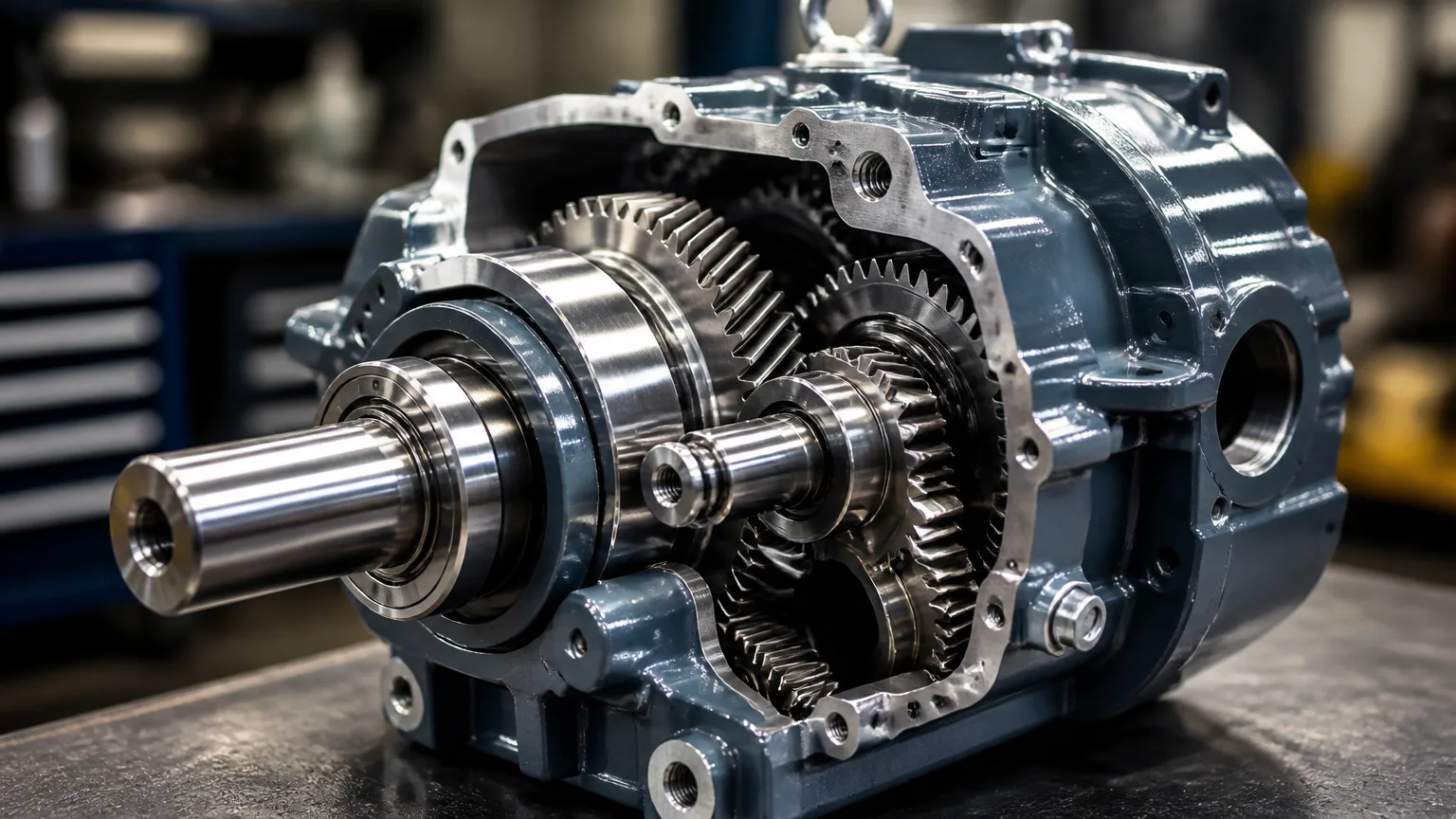
Gearbox refurb is an essential process in the industrial sector, aimed at revitalizing aging equipment to ensure optimal performance. As machinery ages, efficiency declines, leading to increased operational costs and potential downtime. Understanding the significance of gearbox refurbishment is crucial for manufacturers looking to maintain competitive advantage and productivity.
Common issues faced by manufacturers with aging gearboxes include wear and tear, misalignment, and lubrication failures. These problems can lead to unexpected breakdowns, which in turn disrupt production schedules and inflate maintenance expenses. By investing in a gearbox refurb, facilities can restore functionality, extend equipment lifespan, and enhance overall efficiency.
It’s important to recognize that gearbox efficiency directly impacts operational success. For deeper insights, explore our article on Maximizing Gearbox Efficiency. This resource highlights the critical connection between well-maintained gearboxes and a thriving industrial environment. By prioritizing refurbishment, manufacturers can mitigate risks and achieve sustained performance in their operations.
Key Benefits of Gearbox Refurbishment
Refurbishing gearboxes offers several key advantages that can significantly enhance the performance of industrial facilities. One of the most compelling benefits is increased operational efficiency. By restoring gearboxes to optimal condition, facilities can minimize downtime associated with unexpected failures. This proactive approach allows for smoother operations and better productivity.
Another major advantage is the substantial cost savings associated with refurbishment. Replacing gearboxes can be prohibitively expensive, not only for the equipment itself but also for installation and downtime. Gearbox refurb typically costs a fraction of replacement, making it a financially sound option for many businesses.
Additionally, refurbishment promotes sustainability by extending the lifecycle of existing equipment. By choosing to refurbish rather than replace, companies can reduce waste and minimize their environmental impact. This aligns with modern industrial practices that prioritize sustainability and responsible resource management.
For those interested in further benefits, consider exploring Discover the Top 5 Benefits of High-Speed Gearboxes. By understanding these advantages, manufacturers can make informed decisions about their gearbox maintenance strategies.
Steps for a Successful Gearbox Refurbishment
Successful gearbox refurbishment begins with a thorough assessment of the existing gearbox condition. This involves inspecting for signs of wear, damage, or inefficiency. Understanding the extent of the issues allows for targeted interventions and helps prioritize which components need immediate attention.
Next, it’s essential to replace worn parts and upgrade components as necessary. Utilizing high-quality replacements can significantly enhance performance and extend the lifespan of the gearbox. For a comprehensive understanding of the components involved, refer to the Essential Guide to Gearbox Parts and Components for Repairs. This guide provides valuable information on identifying and selecting the right parts for your refurbishment.
Once the replacements are made, quality assurance tests are crucial. These tests verify the efficiency and functionality of the gearbox post-refurbishment. They often include performance assessments under load, ensuring that the gearbox operates smoothly and meets operational standards.
By following these steps, manufacturers can achieve optimal results, ensuring their gearboxes run efficiently and reliably in the long term.
Choosing the Right Service Provider
Selecting a qualified service provider for gearbox refurbishment is crucial to ensure optimal performance. Start by prioritizing experience and specialization. Look for companies that have a proven track record in gearbox services, as they are more likely to understand the nuances of different gearbox types and applications.
Next, evaluate the service provider’s certifications and guarantees. Certifications from recognized industry bodies indicate a commitment to quality and safety. Guarantees on workmanship and parts can provide additional peace of mind, ensuring that your refurbishment investment is protected.
Don’t overlook the importance of customer testimonials and case studies. Reviewing past client experiences offers insight into the provider’s reliability and effectiveness. Positive feedback often highlights successful refurbishments that resulted in improved efficiency and reduced downtime. For more on minimizing operational interruptions, check out 5 Effective Gearbox Solutions to Reduce Downtime Efficiently.
By carefully assessing these factors, you can make a well-informed decision that aligns with your operational goals. A qualified service provider can significantly enhance the longevity and performance of your gearbox, ensuring it operates at its best.
Ensuring Long-Term Gearbox Efficiency
In conclusion, gearbox refurb offers numerous advantages, including enhanced performance and extended lifespan. By investing in refurbishment, businesses can significantly reduce the risk of unexpected failures, ultimately leading to increased operational efficiency.
Regular maintenance is essential for sustaining these benefits. Prioritizing gearbox upkeep not only promotes reliability but also ensures that your operations run smoothly. For further insights into the manufacturing side, check out our article on Essential Insights into Gearbox Manufacturing Processes.
Embrace a proactive approach to gearbox maintenance today, and secure the operational success of your facility for years to come.