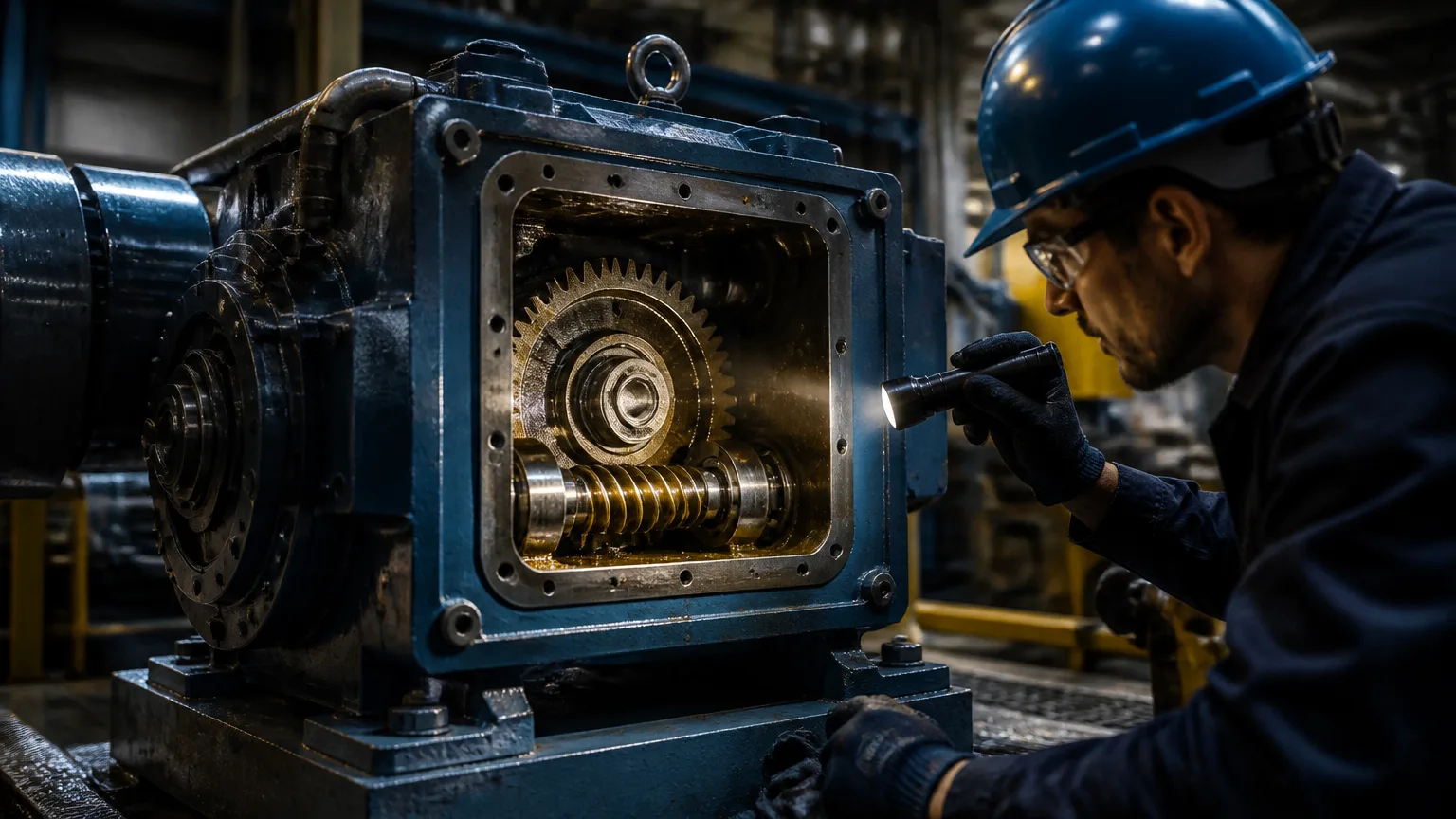
Cone drive gearbox repair can directly affect uptime, safety, and production costs. These gearboxes support critical power transmission, so unusual noise, excess heat, vibration, oil leakage, or inconsistent output should never be dismissed as normal wear. Early symptoms often indicate developing bearing, seal, gear, or lubrication problems.
Plant managers must balance emergency repairs with planned maintenance, replacement availability, and production demands. The right decision depends on failure severity, operating conditions, equipment age, and the cost of lost output. Industrial Gearbox Solutions can help evaluate whether repair, a complete rebuild, replacement, or a compatible alternative offers the most reliable path forward. This article outlines the practical considerations for making that decision while protecting personnel, equipment, and long-term plant performance.
Recognizing When a Cone Drive Gearbox Needs Attention
Early warning signs can indicate that a Cone Drive gearbox needs inspection before a minor issue causes secondary damage. Rising operating temperature may point to bearing wear, excessive loading, poor lubrication, misalignment, or restricted cooling. Grinding, whining, or irregular noises can also suggest gear or bearing problems, although installation conditions and operating speed may influence sound levels.
Watch for increasing vibration, backlash, or inconsistent output motion. These symptoms may relate to worn gears, loose components, coupling misalignment, or a load that exceeds the gearbox’s rating. Oil contamination can indicate internal wear, moisture entry, or degraded lubricant. Leaks may result from damaged seals, excessive pressure, shaft wear, or improper installation.
Operators should record when each symptom occurs, the applied load, operating speed, and gearbox temperature. This information helps technicians distinguish load-related behavior from faults that worsen as components heat up. Routine inspections and condition monitoring can identify developing failures through vibration trends, temperature readings, oil analysis, and visual checks.
Useful gearbox maintenance practices include checking lubricant condition, verifying alignment, inspecting seals, and reviewing unusual noise or vibration. Acting on trend changes early can support timely Cone Drive gearbox repair and reduce the risk of an unplanned shutdown.
What a Professional Cone Drive Gearbox Repair Includes
A reliable cone drive gearbox repair begins with documentation. Technicians should record the gearbox model, ratio, mounting arrangement, service factor, input and output requirements, operating environment, and application history. This information helps confirm that the repair matches the equipment’s actual duty.
The process typically includes these stages:
- Inspection and disassembly: Technicians document the gearbox condition, then disassemble it in a controlled environment. They inspect gears, shafts, bearings, seals, housings, keys, bores, and lubrication systems.
- Component evaluation: Measurements determine whether parts need replacement, reconditioning, or continued service. Visual checks alone may miss wear, distortion, incorrect clearances, or damage beneath contact surfaces.
- Rebuild: The repair team restores or replaces components according to manufacturer specifications. They verify dimensions, install the correct bearings and seals, and confirm proper gear contact and shaft fit.
- Testing and return to service: Technicians check alignment, select the appropriate lubricant, and test the rebuilt unit under suitable operating conditions. Results should be documented before shipment or installation.
Dimensional verification is especially important for mounting faces, bores, shafts, and bearing seats. These checks support proper alignment and help prevent repeat failures. For additional heavy-duty gearbox repair guidance, plant managers should also review load conditions, lubrication practices, and maintenance history before approving the repair.
Repair, Rebuild, or Replace: Making the Right Plant Decision
Repair is often sensible when the gearbox housing remains serviceable, replacement parts are available, and the failure is localized. A qualified rebuild can restore predictable performance when shafts, bearings, seals, and gearing meet required specifications. This approach may also reduce lead time and preserve existing mounting and shaft arrangements.
Replacement may be better when the housing has extensive damage, components are obsolete, or failures continue after previous repairs. Poor efficiency, an inadequate service factor, or an urgent need for a readily available unit can also favor replacement. A new gearbox may provide longer service life and reduce future maintenance exposure.
Compare more than the shop price. A total-cost review should include repair labor, freight, installation, alignment, lost production, spare-parts strategy, and expected future maintenance. Consider downtime exposure and lead times alongside equipment condition, compatibility, and remaining service life. These gearbox repair and replacement considerations can support a more defensible plant decision.
When evaluating an equivalent gearbox, confirm torque capacity, ratio, input and output speed, mounting dimensions, shaft dimensions, and duty cycle. Environmental conditions, including temperature, moisture, contamination, and washdown requirements, must also match. The right cone drive gearbox repair or replacement option should restore reliable operation without creating a new fit or performance problem.
How to Prepare for a Faster, More Reliable Repair
Before authorizing cone drive gearbox repair, gather complete operating and equipment information. Provide the nameplate, photographs, dimensional details, application description, operating speed and load, lubricant type, failure history, and any vibration or oil-analysis results.
Preserve failed components whenever possible. Clearly label every removed part and record its location. This helps technicians identify the root cause instead of replacing only visibly damaged items.
Give the service provider clear expectations for:
- Turnaround time, inspection reporting, warranty terms, repair-versus-replace recommendations, and installation support.
Ask whether the proposed solution matches the actual plant duty. Load variation, duty cycle, alignment, environment, and maintenance conditions may differ from the original specification. These factors also guide choosing the right gearbox for your plant. A thorough preparation package enables better recommendations and reduces avoidable delays.
Protecting Uptime After Cone Drive Gearbox Service
Successful cone drive gearbox repair depends on accurate diagnosis, correct equipment matching, and quality workmanship. The lowest immediate price may not be the lowest-cost solution if it increases repeat failures or extends downtime.
After installation, confirm alignment, lubrication, load conditions, and break-in procedures. Schedule follow-up inspections to identify abnormal noise, vibration, temperature, or wear early. When failures are complex, equipment is obsolete, or production consequences are significant, consult an experienced industrial gearbox specialist.