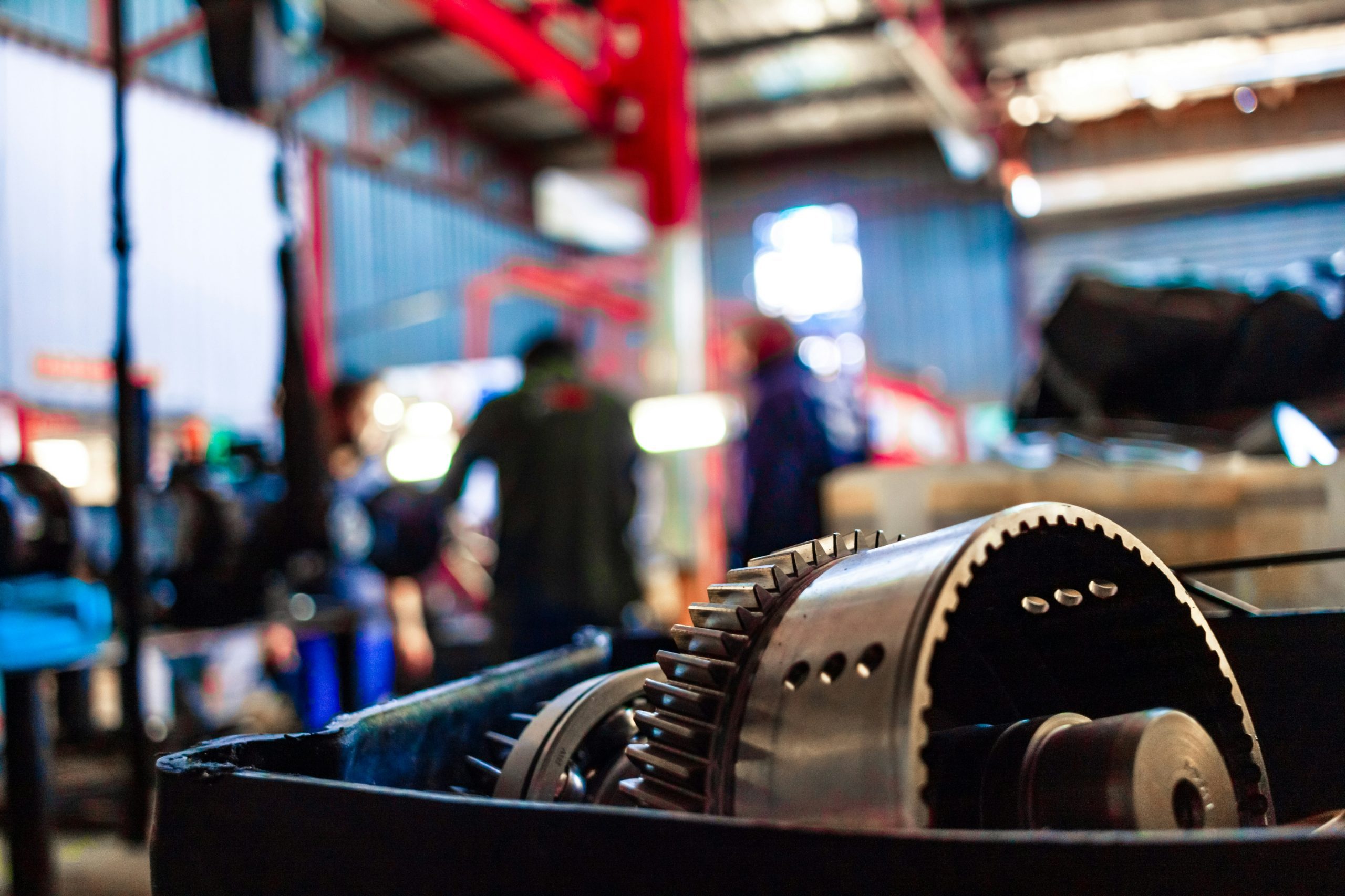
So, you’ve got a gearbox humming along, but how do you really know it’s happy? This guide is all about keeping your gearbox in top shape by keeping an eye on its condition, without getting bogged down in jargon. Think of it as a practical check-up for your mechanical workhorse.
Why Bother with Gearbox Condition Monitoring?
Let’s cut to the chase: why should you spend time and effort on gearbox condition monitoring? It’s not just about preventing a sudden, catastrophic failure – though that’s definitely a big perk. It’s also about making your equipment last longer, perform better, and ultimately, saving you money and hassle.
Avoiding Costly Downtime
Nobody likes a machine that decides to take an unscheduled break. When a gearbox goes down, everything else that relies on it stops too. This means lost production, missed deadlines, and potentially scrambling to find emergency repair services. Regular monitoring helps you catch problems before they escalate into full-blown crises, meaning you can plan downtime when it’s least disruptive.
Extending Gearbox Lifespan
Gearboxes are built to last, but they aren’t invincible. Continuous operation, stress, and the inevitable wear and tear can take their toll. By understanding what’s happening inside your gearbox, you can address minor issues early. This proactive approach dramatically increases the chances of your gearbox reaching its intended design life, and often exceeding it.
Optimizing Performance
A well-maintained gearbox runs smoothly and efficiently. When things start to go wrong – a bearing getting a bit rough, a gear tooth developing a slight chip – it can impact the gearbox’s overall performance. This might manifest as decreased efficiency, increased noise, or even vibration that affects other components. Monitoring helps ensure your gearbox is always giving you its best.
Saving Money in the Long Run
This is often the bottom line. While there’s an initial investment in monitoring tools or services, the savings often far outweigh the cost. You’ll spend less on emergency repairs, less on premature replacements, and less on lost production. It’s an investment in reliability and operational efficiency.
For those interested in enhancing their understanding of gearbox maintenance and monitoring, the article on Gearbox Condition Monitoring Guide is a valuable resource. Additionally, you may find the related article on various services offered for gearbox solutions particularly insightful. It covers essential aspects of gearbox care and can be accessed here: Gearbox Services.
What to Look For: Key Indicators of Gearbox Health
The “condition” of your gearbox can be assessed through various observable and measurable factors. These are the tell-tale signs that something might be amiss, or that things are running just as they should.
Visual Inspection: The First Line of Defense
Before you even get technical, a good old-fashioned look can tell you a lot. This requires a bit of curiosity and attention to detail.
Signs of Leaks
Oil is the lifeblood of a gearbox. Seeing oil where it shouldn’t be is a pretty clear indicator that seals might be failing, or that the gearbox is overfilled and the pressure is pushing it out. Even small leaks can lead to lubricant degradation and eventual component damage.
Exterior Damage
Look for any dents, cracks, or signs of impact on the gearbox casing. These can indicate that the gearbox has experienced a severe shock or has been struck by something, which could lead to internal misalignment or damage.
Unusual Discoloration
While not always definitive, significant discoloration of the exterior casing, especially around heat dissipation areas, could suggest overheating.
Auditory Clues: Listening to Your Gearbox
Gearboxes don’t need to be silent, but they do have a “normal” operational sound. Anything outside that can be a warning.
Abnormal Noises: Grinding, Whining, and Knocking
This is where your ears become invaluable. A healthy gearbox often produces a consistent hum. Grinding noises usually point to gear tooth damage or debris in the lubricant. Whining can sometimes indicate bearing issues or improper gear meshing. Knocking might suggest loose components or severe backlash.
Changes in Sound Profile
Even if you don’t hear a specific “bad” noise, a noticeable change in the gearbox’s typical sound can be a sign that something is developing. This is why establishing a baseline sound is important.
Tactile Feedback: Feeling the Vibrations
Vibration is a direct consequence of the moving parts within a gearbox. Monitoring how much and what type of vibration is occurring is a powerful diagnostic tool.
Understanding Vibration Signatures
Different types of faults produce distinct vibration patterns. For example, a failing bearing might create a characteristic high-frequency vibration, while a gear issue might manifest as a more periodic, lower-frequency vibration.
Identifying Vibration Sources
Sophisticated vibration analysis can pinpoint the specific component that is experiencing the problem. Is it a bearing, a gear, an imbalance in a shaft, or even a foundation issue?
Common Gearbox Faults and How to Spot Them Early
Knowing what to look for is one thing; understanding what those indicators mean is another. Here are some of the most common culprits that can affect gearbox health.
Bearing Failures: The Silent Killer
Bearings are critical for smooth rotation, and when they go bad, it’s rarely a good sign.
Early Signs of Bearing Wear
You might start hearing a higher-pitched whine or a rumbling noise, especially when the gearbox is under load. Increased vibration, particularly in the high-frequency range, is also a classic indicator. Sometimes, an increase in operating temperature around the bearing housing can be observed.
Types of Bearing Damage
Common issues include spalling (flaking of the metal surface), pitting, and brinelling (permanent indentations from excessive load). These can be identified through vibration analysis or, in severe cases, during a teardown.
Gear Tooth Damage: The Teeth Are Chattering
The gears themselves are the heart of the gearbox, and damage to their teeth can be a serious problem.
Scoring and Galling
This appears as surface damage where metal has been rubbed or torn away, often due to insufficient lubrication or high loads. It can lead to increased noise and inefficiency.
Chipping and Breaking
A chipped or broken gear tooth is a more severe issue. It can cause loud, jarring noises, and the debris generated can quickly damage other parts of the gearbox. Vibration analysis will show a distinct pattern related to the passing of the damaged tooth.
Wear and Backlash Issues
Over time, gear teeth can wear down, leading to increased clearance or “backlash” between meshing gears. This can cause clunking noises, especially on load changes, and reduce the precision of the gearbox.
Lubrication Issues: The Slippery Slope
Proper lubrication is paramount. Problems here can cascade into other issues very quickly.
Contamination
Dirt, metal particles, water, or other foreign substances in the oil are a major problem. Contaminants act as abrasives, accelerating wear on bearings and gears.
Degradation and Overheating
Lubricants break down over time, especially under high temperatures and pressures. This reduces their ability to protect components, leading to increased friction, wear, and potential seizure. Signs include a change in oil color (darkening or becoming murky) and a burnt odor.
Low Oil Levels
As mentioned, this is a visual cue, but it’s crucial. Insufficient lubrication leads to increased friction and rapid overheating and wear.
Sure, here is the sentence with the clickable link:
Please feel free to contact Industrial Gearbox Solutions for any inquiries.
Practical Monitoring Techniques and Tools
You don’t need to be a rocket scientist to monitor your gearbox. A range of tools, from simple to sophisticated, can help you keep tabs on its health.
Routine Inspections: Consistency is Key
This refers to the regular, scheduled checks that form the backbone of any monitoring program.
Daily and Weekly Checks
These are often visual and auditory. A quick walk-around, listening for unusual noises, and checking for obvious leaks are essential. Checking oil levels can also be part of a weekly routine.
Monthly and Quarterly Assessments
These can involve more detailed checks, including oil sampling and perhaps basic vibration logging if you have simple equipment.
Vibration Analysis: Listening to the Machine’s Heartbeat
This is where technology really shines in gearbox monitoring.
Handheld Vibration Meters
These are relatively simple devices that provide an overall vibration reading. They’re good for detecting significant changes in vibration levels and identifying machines that need closer examination.
Advanced Vibration Analysis Systems
These systems use accelerometers placed on the gearbox to collect detailed vibration data. Sophisticated software then analyzes this data to identify specific fault frequencies, allowing for early diagnosis of bearing failures, gear problems, and imbalance issues.
Oil Analysis: A Window into the Gearbox’s Insides
The oil within a gearbox is a treasure trove of diagnostic information.
Wear Debris Analysis
By examining the oil for microscopic metal particles, you can identify which components are wearing and how quickly. The type of metal (e.g., steel, bronze) can even indicate the specific part that’s failing.
Oil Properties Testing
This includes checking the viscosity (thickness), oxidation levels, and presence of any contaminants like water or fuel. Changes in these properties can signal potential problems.
Thermal Imaging: Spotting the Hot Spots
Infrared cameras can detect temperature differences non-intrusively.
Identifying Overheating Components
A gearbox that is running hotter than normal can indicate increased friction due to lubrication issues, bearing wear, or gear problems. Thermal imaging can quickly pinpoint the specific areas of concern.
For those looking to enhance their understanding of gearbox maintenance, the Gearbox Condition Monitoring Guide is an essential resource. Additionally, you may find it beneficial to explore a related article that discusses common pitfalls in gearbox selection, which can lead to significant financial losses for engineers. This insightful piece can be found here and provides valuable information that complements the monitoring strategies outlined in the guide.
Developing a Comprehensive Monitoring Strategy
Simply buying a few tools won’t solve anything. You need a plan.
Setting Baselines: Know What’s Normal
Before you can identify a problem, you need to know what “normal” sounds, feels, and looks like for your specific gearbox.
Establishing Normal Operating Parameters
Take measurements – vibration, temperature, sound – when the gearbox is known to be in good condition. Record these values.
Documenting Operational Load and Speed
Consider how the gearbox is being used when you take baseline readings. A gearbox under heavy load will naturally operate differently than one under light load.
Trending: Watching for Changes Over Time
Monitoring isn’t a one-off event. It’s an ongoing process of observation.
Tracking Key Metrics
Consistently record your vibration readings, oil analysis results, and any observations from visual or auditory checks.
Recognizing Deviations
Look for trends that show an increase in vibration, a change in oil condition, or the emergence of new noises. Even small, gradual changes can be significant when viewed over time.
Actionable Insights: Turning Data into Decisions
The whole point is to do something with the information you gather.
Establishing Trigger Points
Decide what level of change in a metric will prompt a more in-depth investigation or corrective action.
Creating Maintenance Schedules Based on Condition
Instead of relying solely on time-based maintenance, use your monitoring data to inform when actual work needs to be done. This is the essence of predictive maintenance.
By getting comfortable with these basic principles and techniques, you can significantly improve the reliability and longevity of your gearboxes, saving yourself a lot of headaches and keeping your operations running smoothly.
FAQs
What is gearbox condition monitoring?
Gearbox condition monitoring is the process of regularly inspecting and analyzing the condition of a gearbox to detect any potential issues or signs of wear and tear. This helps to prevent unexpected breakdowns and costly repairs.
Why is gearbox condition monitoring important?
Gearbox condition monitoring is important because it allows for early detection of potential issues, which can help prevent costly downtime and repairs. By monitoring the condition of the gearbox, maintenance can be scheduled proactively, reducing the risk of unexpected failures.
What are the common methods used for gearbox condition monitoring?
Common methods for gearbox condition monitoring include vibration analysis, oil analysis, thermography, and acoustic monitoring. These methods help to detect abnormal operating conditions, such as excessive vibration, high temperatures, or abnormal noise levels.
What are the benefits of implementing gearbox condition monitoring?
Implementing gearbox condition monitoring can lead to increased equipment reliability, reduced maintenance costs, improved safety, and extended equipment lifespan. It also allows for better planning of maintenance activities and helps to optimize equipment performance.
How often should gearbox condition monitoring be performed?
The frequency of gearbox condition monitoring depends on factors such as the criticality of the equipment, operating conditions, and manufacturer recommendations. In general, it is recommended to perform regular inspections and monitoring, with more frequent checks for critical or high-load applications.