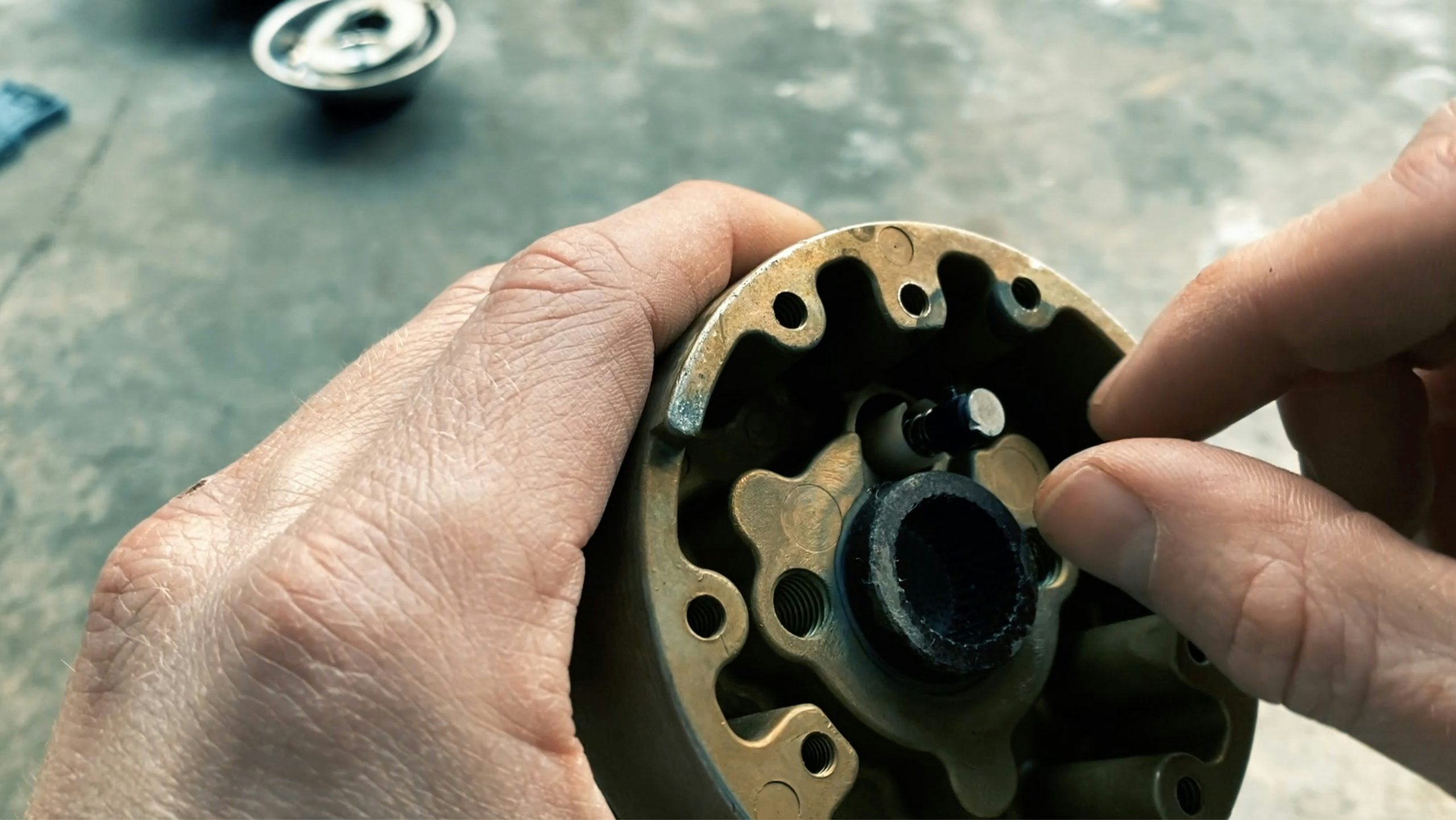
If your car’s making a mess in the driveway, leaving oily puddles, there’s a good chance a gearbox seal is to blame. Simply put, gearbox seals are designed to keep the lubricating fluid inside the transmission where it belongs and prevent dirt and moisture from getting in. When these seals fail, you get leaks, and unresolved leaks can lead to some serious (and expensive) internal damage to your gearbox. So, understanding why they fail, how to spot it, and what to do about it is pretty essential for any car owner.
Gearbox seals don’t just spontaneously decide to give up; there are several common culprits behind their deterioration. Understanding these can help you potentially prevent issues or at least anticipate them.
Age and Wear
Like most rubber or synthetic components on your car, seals have a finite lifespan. Over time, constant exposure to heat cycles, vibrations, and the chemicals in transmission fluid takes its toll.
- Material Degradation: The rubber or silicone compounds used in seals can harden, become brittle, or even crack with age. This loss of elasticity means they can no longer maintain a tight seal against the mating surfaces. You might notice them looking flattened or dried out when inspecting.
- Constant Friction: Some seals, like input and output shaft seals, are constantly rotating around a shaft. This continuous friction, even with lubrication, leads to wear over thousands of miles, gradually wearing down the sealing lip.
Contamination
The presence of foreign particles or corrosive substances can severely compromise a seal’s integrity.
- Abrasive Particles: If contaminants like dirt, dust, or metal shavings find their way to a seal, they can act like sandpaper, scoring the sealing surface and creating tiny pathways for fluid to escape. This is more common in off-road vehicles or those frequently driven on unpaved surfaces.
- Corrosive Fluids: While transmission fluid is designed to be compatible with seals, exposure to other harsh chemicals (like certain cleaning agents or incompatible aftermarket additives) can cause the seal material to swell, shrink, or degrade prematurely.
Improper Installation
A significant number of seal failures can be traced back to incorrect installation during a previous repair or factory assembly.
- Damage During Fitting: Seals are delicate. If they are crimped, folded, or nicked during installation, they won’t seal correctly from day one. Using the wrong tools or excessive force is often the cause.
- Incorrect Seating: A seal that isn’t pressed in squarely or to the correct depth won’t provide an even seal around its entire circumference, inevitably leading to leaks.
- Lack of Lubrication: Some seals require a thin coat of assembly lube on the sealing lip to prevent damage during initial rotation. Skipping this step can lead to immediate wear and tearing.
- Mating Surface Condition: If the shaft or housing surface where the seal sits is scratched, pitted, or grooved, even a perfectly installed new seal won’t be able to form an effective barrier. Sometimes a “speedi-sleeve” is needed to repair a worn shaft journal rather than just replacing the seal.
Overheating
Excessive temperatures are detrimental to almost every component in a transmission, and seals are no exception.
- Fluid Degradation: When transmission fluid overheats, it breaks down faster, losing its lubricating properties and potentially becoming more corrosive to seal materials.
- Seal Hardening: Prolonged exposure to high temperatures accelerates the hardening and embrittlement of rubber-based seals, making them lose their flexibility and ability to conform to minor surface imperfections. Common causes of overheating include towing heavy loads, aggressive driving, low fluid levels, or a clogged transmission cooler.
Understanding gearbox seal failure is crucial for maintaining the efficiency of industrial machinery. For those looking to minimize downtime and enhance productivity, a related article offers valuable insights into effective solutions for manufacturers. You can explore these strategies further in the article on minimizing downtime, which discusses how to address common issues that can lead to seal failure and improve overall gearbox performance.
Pressure Issues
Unusual pressure fluctuations within the gearbox can also stress seals beyond their design limits.
- Clogged Vent: Transmissions have a vent system to equalize internal pressure. If this vent becomes clogged, internal pressure can build up excessively, forcing fluid past seals that are otherwise healthy. It’s like trying to keep air in an over-inflated balloon.
- Excess Fluid: Overfilling the transmission can create hydraulic pressure that pushes against seals, especially those designed for a lower fluid level. Always refer to your vehicle’s specific filling procedure.
- Worn Bearings: While not a direct cause, worn internal bearings can allow excessive shaft movement (runout), which can stress and wear out seals prematurely, as the shaft isn’t consistently centered as it rotates.
Gearbox seal failure can lead to significant operational issues and costly repairs if not addressed promptly. Understanding the causes, diagnosis, and solutions for this problem is crucial for maintaining the efficiency of industrial machinery. For further insights into effective gearbox repair strategies, you can refer to a related article on industrial gearbox repair services in Texas, which provides valuable information on how to tackle such issues effectively. You can read more about it here: Industrial Gearbox Repair in Texas.
How to Diagnose a Gearbox Seal Leak
Spotting a gearbox seal leak usually isn’t too tricky, but identifying which seal is leaking can sometimes require a bit of detective work. Early detection is key, as low transmission fluid can quickly cause severe damage.
Visual Inspection for Leaks
The most obvious sign is visible fluid.
- Puddles Under the Car: This is the dead giveaway. Small drips that accumulate overnight, or larger puddles if the leak is more severe. Note the color and consistency of the fluid. Transmission fluid is typically red or reddish-brown, semi-transparent, and has a distinct odor, often described as sweet or burnt, depending on its condition. Engine oil is usually darker brown or black. Coolant is often green, pink, or orange.
- Underbody Stains: Even if you don’t see puddles, look under the vehicle (safely, on a lift or jack stands). You might see dried fluid streaks, wet areas, or a general greasy film around the transmission housing.
- Specific Seal Locations:
- Input Shaft Seal: Located at the front of the transmission where it bolts to the engine. A leak here might mimic an engine oil leak from the rear main seal, so careful distinction is needed. You’d typically see fluid between the engine and transmission bell housing.
- Output Shaft Seals: Located at the rear of the transmission (for RWD vehicles) or where the drive shafts attach (for FWD and AWD vehicles). Leaks here will usually be visible near the driveshaft flanges or axle boots.
- Pan Gasket/Seal: If your transmission has a fluid pan, the gasket sealing it can leak. This would be visible along the perimeter of the pan.
- Shift Shaft Seal: Where the shift lever linkage enters the transmission case.
- Speed Sensor Seal: Many transmissions have a speed sensor, and its O-ring or seal can fail.
Checking Fluid Levels
If you suspect a leak, checking your fluid level is crucial.
- Dipstick Check: For transmissions with a dipstick (many older automatics, some manuals), follow your owner’s manual instructions carefully. This usually involves checking with the engine running and warm, in park or neutral, on level ground.
- No Dipstick? Many modern transmissions (especially manuals and some automatics) don’t have a dipstick. Checking the fluid level usually involves removing a fill plug on the side of the transmission housing and ensuring fluid drips out or is within a certain range of the fill hole. This often requires the vehicle to be level and sometimes specific temperature conditions. If you’re unsure, consult a professional.
- Consistent Drop: If you’re consistently topping up your transmission fluid, and there’s no internal consumption (which is very rare for transmission fluid), then you definitely have an external leak.
Smelling Burnt Fluid
While less direct, a distinct smell can also point to trouble.
- Burnt Odor: Transmission fluid should have a slightly sweet, distinct smell. If it smells distinctly burnt, it usually indicates that the fluid is overheating or degrading due to internal friction or heat. While not a direct sign of a seal leak, it can point to conditions that cause seal leaks (like overheating from low fluid levels due to a leak, or a failing transmission).
Professional Inspection
When in doubt, or if you can’t pinpoint the source yourself, a professional is your best bet.
- UV Dye: Mechanics can add a special UV dye to your transmission fluid. After driving for a bit, they’ll use a UV light to easily spot the leak as the dye fluoresces brightly. This is extremely effective for hard-to-find leaks.
- Smoke Test: In some rare cases, a smoke machine might be used to pressurize the transmission slightly and look for smoke escaping through tiny cracks or failed seals, though this is less common for fluid leaks compared to vacuum leaks.
- Experienced Eye: An experienced technician has seen countless leaks and can often quickly identify the source based on the fluid’s appearance, location, and their knowledge of common failure points for your specific vehicle.
Addressing a Gearbox Seal Leak: Solutions
Once you’ve identified a leaking gearbox seal, it’s time to fix it. The approach will depend on the specific seal and the access required.
Simple Seal Replacement
For many seals, especially those on drive shafts or accessible shafts, direct replacement is the go-to solution.
- Output Shaft Seals: These are relatively common leaks. For FWD vehicles, this involves removing the wheel, brake caliper, rotor, and sometimes disconnecting suspension components to remove the drive shaft. The old seal is then carefully pried out, and the new one is pressed in. For RWD vehicles, it means removing the driveshaft from the transmission, which is generally simpler.
- Input Shaft Seal: This is usually more involved as it requires removing the transmission from the vehicle, which is a major job in itself. Once the transmission is out, accessing and replacing this seal is straightforward, but the labor cost is significant due to the transmission R&R (remove and replace).
- Shift Shaft Seals/Speed Sensor Seals: These are often simpler as they are usually externally mounted and don’t require internal transmission work or full transmission removal. They can often be replaced in situ.
Addressing Associated Issues
Replacing just the seal without addressing underlying issues might lead to a recurring problem.
- Worn Bearing/Shaft: If a worn bearing is causing excessive shaft movement, simply replacing the seal won’t fix the root problem. The new seal will wear out quickly. The bearing (and potentially the shaft) would need to be replaced.
- Damaged Mating Surface: If the shaft or housing where the seal seats is grooved or scratched, a new seal won’t make a proper seal.
- Speedi-Sleeve: For worn shafts, a thin metal sleeve (like a “Speedi-Sleeve”) can be installed over the worn area, providing a fresh, smooth surface for the new seal to ride on, preventing a costly shaft replacement. This is a common and effective repair.
- Sealant for Housing: For minor imperfections in the housing bore, a thin layer of appropriate gasket sealant (like RTV or anaerobic sealant) might be used in conjunction with the new seal, but this is less common for dynamic shaft seals.
- Clogged Vent: If a blocked vent caused excess pressure, cleaning or replacing the vent is essential to prevent future leaks.
Repair vs. Replace Decisions
Sometimes, it’s not just about one seal.
- Pan Gasket: If your transmission pan gasket is leaking, it’s generally a straightforward replacement. While you’re there, it’s often a good idea to inspect the pan for any dents and replace the transmission filter, as these drain and fill procedures go hand-in-hand.
- Beyond Seals: If the seal failure is due to severe internal transmission damage (e.g., bearings so worn they’ve eaten into the shaft), merely replacing the seal isn’t going to cut it. In such cases, a full transmission overhaul or replacement might be necessary, which is a much larger and more expensive endeavor.
- Cost-Benefit Analysis: Always weigh the cost of repairs against the value and remaining life of the vehicle. For a very old, high-mileage car, a major transmission repair might not be financially sensible compared to the car’s overall worth, especially if transmission removal is required for a small seal.
“Stop Leak” Additives: Use with Caution
“Stop leak” products are formulated to swell rubber seals to stop minor leaks.
- Temporary Fix: They can sometimes work for small, slow leaks, but they are almost always a temporary solution. They don’t fix the underlying cause of the seal degradation or damage.
- Potential Side Effects: Over time, these additives can lead to seals becoming too soft and breaking down further. They can also affect other rubber components or interfere with the friction modifiers in your transmission fluid, potentially causing shifting issues or internal damage.
- Not a Recommended Long-Term Solution: Most reputable mechanics will advise against them for anything other than a very short-term, get-you-home solution, or if the cost of repair genuinely outweighs the vehicle’s value. For a primary vehicle you rely on, a proper repair is always the better choice.
Sure, here is the sentence with the clickable link:
contact Industrial Gearbox Solutions for all your gearbox needs.
Preventing Gearbox Seal Failure
While some failures are inevitable due to age, there are definitely steps you can take to extend the life of your gearbox seals and minimize the risk of expensive leaks.
Regular Fluid Maintenance
This is arguably the most critical aspect of transmission longevity and seal health.
- Follow Manufacturer’s Schedule: Your vehicle’s owner’s manual provides a recommended service schedule for transmission fluid changes. Stick to it. Don’t fall for the “lifetime fluid” myth; while some manufacturers claim this, the fluid can still degrade, especially under severe conditions.
- Use the Correct Fluid: Always use the exact type of transmission fluid specified by the manufacturer (e.g., DEXRON, MERCON, ATF+4, gear oil of a specific viscosity). Using the wrong fluid can lead to improper lubrication, overheating, and chemical incompatibility with seals, causing premature hardening or swelling.
- Consider Severe Service Intervals: If you frequently tow, drive in extreme temperatures, or in heavy stop-and-go traffic, consider changing your transmission fluid more frequently than the standard schedule. These conditions put extra stress on the fluid and the transmission, leading to faster degradation.
- Check Fluid Level Regularly: Even if you don’t suspect a leak, periodically checking your transmission fluid level (if your vehicle has a dipstick) and its condition (color, smell) can catch potential problems early.
Avoid Overheating
Heat is a primary enemy of transmission fluid and seals.
- Maintain Cooling System: Ensure your engine’s cooling system (radiator, coolant, fan, thermostat) is in good working order. An overheated engine can lead to an overheated transmission, especially since the transmission fluid cooler is often integrated into the engine’s radiator.
- Don’t Overload or Over-Tow: Respect your vehicle’s towing and payload capacities. Exceeding these limits puts enormous strain on the transmission, generating excessive heat.
- Consider an Auxiliary Cooler: If you frequently tow heavy loads or drive in very hot climates, installing an auxiliary transmission cooler can significantly reduce fluid temperatures and extend the life of the transmission and its seals.
- Check for Blocked Vents: Periodically inspect any external transmission vents for debris or clogs. A blocked vent can lead to pressure buildup, forcing fluid past seals.
Gentle Driving Habits
How you drive has a direct impact on transmission wear.
- Smooth Shifts: Avoid harsh, abrupt acceleration and braking. Smooth, gradual gear changes reduce shock loads on internal components and seals.
- Avoid Excessive Idling in Gear: For automatic transmissions, prolonged idling in gear (e.g., at very long traffic lights) can generate heat. Shifting to neutral can sometimes help, especially in older transmissions.
- Warm Up Gently: In cold weather, give your vehicle a minute or two to warm up slightly before driving off, and drive gently for the first few miles. This allows the transmission fluid to circulate and reach operating temperature, providing proper lubrication to seals and bearings.
Professional Inspections
Regular check-ups can catch issues before they escalate.
- Routine Servicing: During routine oil changes or other maintenance at a reputable shop, mechanics often perform a basic visual inspection of the underside of the vehicle, which can include spotting early signs of leaks.
- Address Unusual Sounds/Behaviors: If you notice any strange noises, rough shifting, or unusual smells coming from your transmission, don’t ignore them. These can be early warnings of problems that could eventually lead to seal failure or more severe damage. Getting it checked out promptly can save you significant repair costs down the line.
By being proactive with maintenance and mindful of your driving habits, you can significantly reduce the likelihood of experiencing gearbox seal failures, saving yourself headaches and costly repairs in the long run.
FAQs
What are the common causes of gearbox seal failure?
Common causes of gearbox seal failure include wear and tear, improper installation, excessive heat, and contamination from dirt or debris.
How can gearbox seal failure be diagnosed?
Gearbox seal failure can be diagnosed by inspecting for oil leaks around the seal, checking for excessive oil consumption, and conducting a visual inspection for signs of wear or damage.
What are the potential consequences of gearbox seal failure?
Potential consequences of gearbox seal failure include loss of lubrication, increased friction and heat, damage to gearbox components, and potential safety hazards.
What are the solutions for gearbox seal failure?
Solutions for gearbox seal failure include replacing the seal with a high-quality, compatible replacement, ensuring proper installation, and addressing any underlying issues such as excessive heat or contamination.
How can gearbox seal failure be prevented?
Gearbox seal failure can be prevented by using high-quality seals, following proper installation procedures, conducting regular maintenance and inspections, and addressing any issues that may contribute to seal failure.