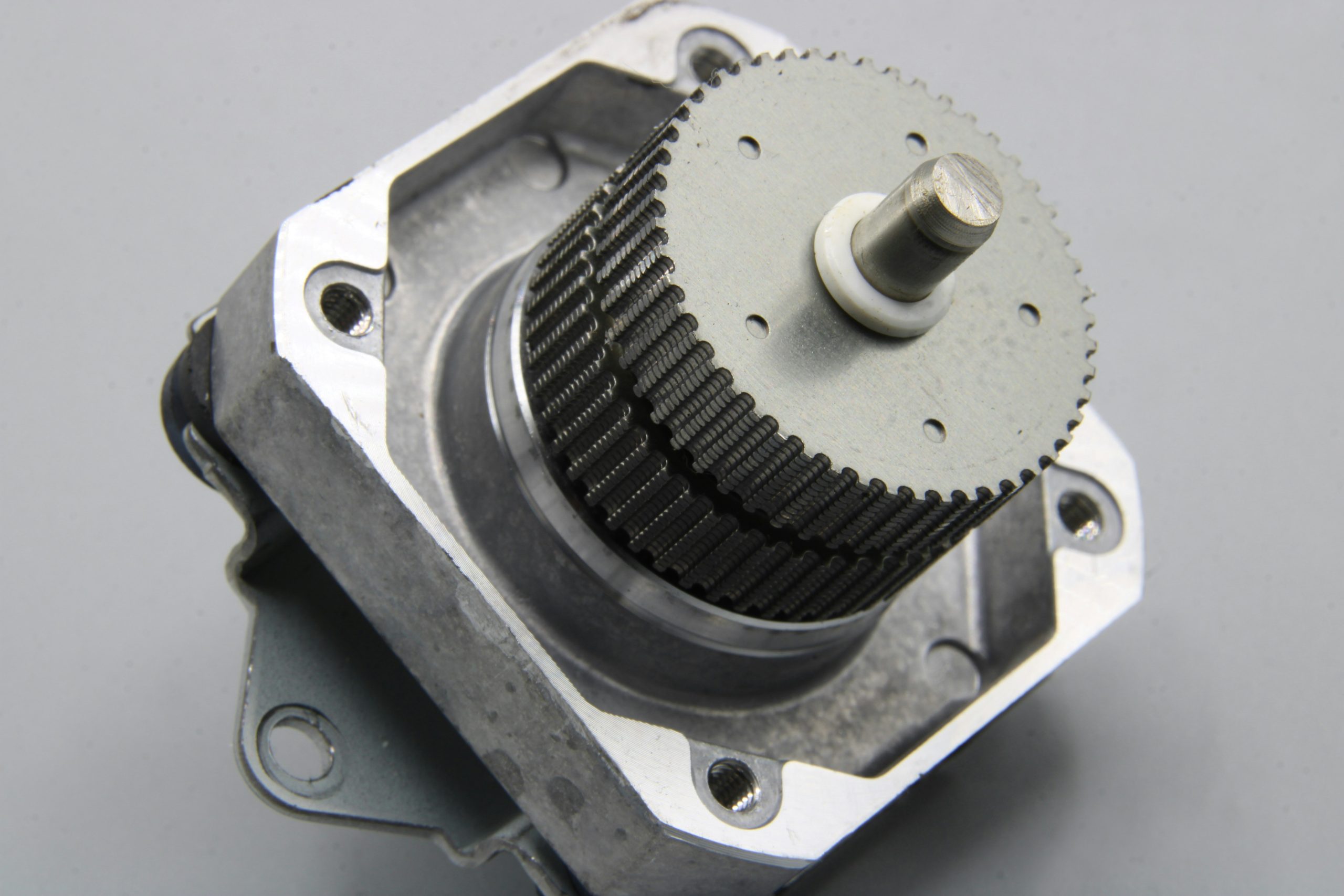
You’re likely here because you’ve experienced or are trying to prevent gearbox shaft failure. In a nutshell, gearbox shafts break down due to a combination of forces exceeding their design limits, material fatigue, and sometimes manufacturing quirks. It’s not usually one thing, but a perfect storm of factors. Understanding these helps you pinpoint the problem and get things back on track.
Gearbox shafts are the workhorses of many mechanical systems, transferring power and torque. When they fail, it’s a big deal, often leading to significant downtime and repair costs. Let’s dig into the most common culprits.
Overload and Excessive Torque
This is probably the most straightforward cause. Every shaft is designed to handle a certain amount of torque. Push it beyond that, and it’s going to struggle.
Sudden Shock Loads
Imagine dropping a heavy weight onto a running machine – that’s a shock load. These quick, intense bursts of torque, often much higher than the steady operating load, can instantly snap a shaft or introduce micro-cracks that grow over time. Think about engaging a clutch too abruptly or a sudden jam in the machinery.
Continuous Overloading
Even if it’s not a sudden shock, consistently running the gearbox above its rated capacity will inevitably lead to failure. This could be due to changes in the process, unexpected material resistance, or simply using the wrong gearbox for the job. The shaft is constantly stressed, approaching its yield strength, and eventually, it just can’t take it anymore.
Miscalculation of Design Loads
Sometimes, the problem starts on the drawing board. If the initial design calculations underestimate the actual loads the shaft will experience in real-world operation, it’s set up for failure from the start. This ties into factors like power surges, dynamic forces, and variations in material properties that might not have been fully accounted for.
Material Fatigue: The Silent Killer
Fatigue is a sneaky one. A shaft might look perfectly fine on the outside, but repeated loading and unloading cycles can create microscopic cracks that grow until catastrophic failure occurs. It’s often responsible for failures in shafts that aren’t obviously overloaded.
High Cycle Fatigue
When a shaft undergoes millions of stress cycles at relatively low stress levels (below its yield strength), high cycle fatigue sets in. Each cycle makes tiny, almost imperceptible damage. Eventually, these tiny damages link up to form a crack that propagates until the shaft can no longer bear the load. This is very common in continuously operating machinery.
Low Cycle Fatigue
In contrast, low cycle fatigue occurs when the shaft experiences a fewer number of cycles but at much higher stress levels, sometimes exceeding the material’s yield strength. Think of equipment that starts and stops frequently or experiences regular, significant load variations. While fewer cycles are involved, the intensity of each cycle is far more damaging.
Stress Concentration Points
Any sharp corner, groove, spline, keyway, or even a scratch on the shaft surface acts as a stress concentrator. These areas experience much higher localized stress than the surrounding material. This is where fatigue cracks are most likely to initiate, as the material at these points reaches its fatigue limit much faster. Improper machining or poor surface finish can dramatically exacerbate these issues.
Manufacturing and Material Defects
Not all failures are due to operational stress. Sometimes, the problem is inherent in the shaft itself, right from how it was made or the material it’s composed of.
Inclusions and Voids in Material
During the steel-making process, tiny impurities (inclusions) or air bubbles (voids) can get trapped in the metal. These act as internal stress concentrators, similar to surface irregularities, making the shaft more susceptible to fatigue crack initiation and propagation. Even small, seemingly harmless defects can become critical failure points under dynamic loading.
Incorrect Heat Treatment
Heat treatment processes (like hardening, tempering, and annealing) are crucial for giving the shaft its desired strength, hardness, and ductility. If these processes are not meticulously controlled – too hot, too cold, held for too long or too short – the material’s microstructure can be compromised. This can result in a shaft that’s too brittle, too soft, or has internal residual stresses, all of which hasten failure.
Poor Machining and Surface Finish
A shaft’s surface finish is more important than you might think. Rough surfaces, tool marks, nicks, or burrs left from machining act as perfect sites for stress concentration. Even microscopic imperfections can become starting points for fatigue cracks. Precision machining and proper surface finishing are critical to extending shaft life.
Misalignment: A Silent Strainer
Misalignment is a chronic problem that slowly but surely wears down components, including shafts. It introduces bending moments and vibrations that the shaft wasn’t designed for.
Angular Misalignment
This occurs when the centerlines of two connected shafts (e.g., motor and gearbox) intersect at an angle rather than running parallel. This forces the shaft to bend and flex with every rotation, creating continuous cyclical stress on the shaft, bearings, and couplings. It’s like constantly trying to snap a twig by bending it back and forth.
Parallel Misalignment
Here, the centerlines of the shafts are parallel but offset from each other. While it might look less severe than angular misalignment, it still induces a significant bending load on the shaft. The shaft essentially tries to “walk” sideways in its bearings, leading to excessive radial forces and ultimately, fatigue failure over time.
Combined Misalignment
Most often, misalignment isn’t purely angular or parallel; it’s a combination of both. This creates an even more complex and damaging stress pattern on the shaft, as it attempts to compensate for both types of deviation simultaneously. Accurately diagnosing and correcting combined misalignment requires careful measurement and skilled adjustment.
Understanding the intricacies of gearbox shaft failure is crucial for maintaining the efficiency of industrial machinery. For those looking to delve deeper into the topic, a related article discusses various aspects of gearbox repair and maintenance, providing valuable insights into preventing such failures. You can find this informative piece on industrial gearbox repair in Murfreesboro, TN, by following this link: industrial gearbox repair. This resource can help you implement effective solutions and enhance the longevity of your equipment.
Inadequate Lubrication and Bearing Issues
While not a direct cause of shaft failure, poor lubrication and failing bearings can quickly lead to conditions that do cause shaft failure.
Bearing Degradation
When bearings start to fail – due to lack of lubrication, contamination, or general wear and tear – they generate excessive heat and vibration. This heat can reduce the strength of the shaft material, and the vibration introduces additional dynamic loads, accelerating fatigue. A seized bearing can instantly transfer massive torque directly to the shaft, often shearing it.
Lubricant Contamination
Dirty or contaminated lubricant contains abrasive particles that can wear down bearing surfaces and shaft journals. It also loses its ability to form a protective film, leading to metal-on-metal contact. This increases friction, heat, and wear, weakening the shaft and accelerating bearing failure, which in turn stresses the shaft.
Incorrect Lubricant Type or Level
Using the wrong type of lubricant (e.g., too thin, too thick, incorrect additive package) or not enough lubricant means the gearbox components aren’t adequately protected. This leads to increased friction, heat build-up, and premature wear throughout the gearbox, with the shaft often bearing the brunt of these issues through increased stress and heat.
In the context of understanding gearbox shaft failure, it is essential to consider the design and operational differences between various gearbox types. A related article that provides valuable insights into this topic is titled “Worm Gearbox vs. Helical Gearbox,” which discusses the advantages and disadvantages of these two common gearbox designs. You can read it for a deeper understanding of how the choice of gearbox can impact performance and reliability, potentially influencing the likelihood of shaft failure. For more information, visit this article.
Solutions: Getting Your Gearbox Shafts Back on Track
Knowing why shafts fail is only half the battle. The other half is implementing practical solutions to prevent these issues and ensure reliable operation.
Proper Design and Material Selection
Prevention starts way upstream, often at the design phase. Getting this right can save a lot of headaches later.
Accurate Load Assessment
Before a single piece of metal is cut, thoroughly understand the loads the gearbox will encounter – static, dynamic, shock, and fatigue loads. This requires detailed analysis of the application, including potential worst-case scenarios, and using appropriate safety factors to ensure the shaft is adequately sized for its designed lifespan.
Use of High-Strength Materials
Selecting the right material is crucial. Steels like alloy steels (e.g., 4140, 4340) or case-hardened steels offer superior strength, toughness, and fatigue resistance compared to plain carbon steels. Sometimes, exotic alloys might be necessary for extreme environments. The choice depends on the specific loads, operating temperature, and required lifespan.
Optimized Geometry and Surface Finish
Design shafts to minimize stress concentration. This means avoiding sharp corners, using generous fillets at shoulders, and carefully designing keyways and splines to distribute stress. Specifying a smooth surface finish (e.g., grinding or polishing) reduces potential crack initiation sites. Shot peening or surface hardening can also improve fatigue life by introducing beneficial residual compressive stresses.
Precision Installation and Alignment
Many shaft failures can be traced back to sloppy installation. Taking the time to do it right pays dividends.
Laser Alignment Techniques
Gone are the days of relying on straightedges and feeler gauges. Laser alignment tools offer incredible precision, allowing technicians to align shafts to within thousandths of an inch. This eliminates angular and parallel misalignment, drastically reducing bending stresses on the shaft and extending the life of bearings and couplings.
Proper Coupling Selection and Installation
The coupling connects the shaft to another component, and its design and installation are critical. Choose a coupling that can accommodate any residual minor misalignment without imposing excessive loads on the shafts. Ensure it’s correctly installed, torqued to specification, and checked for run-out. Flexible couplings are often preferred for their ability to absorb minor shock and misalignment.
Secure Mounting and Foundation
A stable foundation for both the motor and the gearbox is paramount. Vibrations from an unstable mount can induce cyclic stresses and accelerate wear. Ensure all bolts are tightened to specification, and regular checks are performed to ensure they remain tight. Grouting gaps can further enhance stability.
Effective Lubrication and Maintenance
Lubrication is the lifeblood of a gearbox. Neglecting it is a direct path to failure.
Scheduled Oil Analysis
Taking regular samples of the gearbox oil for analysis can tell you a lot about the health of your system. It can detect wear metals (indicating bearing or gear wear), contamination (e.g., water, dirt), and lubricant degradation long before a catastrophic failure occurs. This allows for proactive maintenance, like oil changes or component replacements, preventing more extensive damage.
Correct Lubricant Type and Level
Always use the lubricant specified by the gearbox manufacturer. Pay attention to viscosity, additive package, and temperature range. Ensure the lubricant level is maintained at the correct mark; too little lubrication means wear, too much can cause overheating and seal damage. Regular top-ups or changes are essential.
Regular Bearing Inspections and Replacement
Bearings are often the first line of defense against shaft failure. Regularly inspect them for signs of wear, unusual noise, or excessive heat. Don’t wait for them to totally seize. Proactive replacement of worn bearings, using quality replacements and proper installation techniques (e.g., heating bearings for mounting), can significantly extend shaft life.
Monitoring and Predictive Maintenance
Moving beyond reactive fixes, predictive maintenance helps catch problems before they cause significant damage.
Vibration Analysis
This is a powerful tool. By attaching sensors to the gearbox, you can detect abnormal vibration patterns. These patterns can indicate everything from bearing wear, misalignment, gear tooth damage, and even shaft cracks. Changes in the vibration signature over time can alert you to developing issues, allowing for planned shutdowns and repairs.
Temperature Monitoring
Excessive heat is a strong indicator of friction and impending failure. Monitoring gearbox oil temperature, bearing housing temperatures, and even shaft surface temperatures (using thermal cameras or embedded sensors) can provide early warnings. Sudden spikes or sustained high temperatures warrant immediate investigation.
Acoustic Monitoring
Sometimes, problems announce themselves with sound. Unusual noises – growls, whines, clunks – can indicate issues with gears, bearings, or even a fracturing shaft. While more qualitative, experienced technicians can often diagnose problems based on sound alone. Automated acoustic monitoring systems are also becoming more common.
Repair, Reinforcement, and Redesign
When a shaft does fail, it’s an opportunity to learn and implement improvements.
Material Reinforcement Techniques
For existing shafts that may be prone to fatigue, techniques like shot peening (as mentioned before) can improve surface fatigue resistance. Surface hardening processes (like nitriding or carburizing) can also enhance the surface hardness and wear resistance, while keeping the shaft core tough and ductile.
Redesigning Weak Points
If a shaft repeatedly fails at the same location, it’s a clear signal that the design at that point is flawed. This might involve increasing the shaft diameter, using a stronger material, modifying the fillet radius, or changing the design of a keyway or spline to distribute stress more evenly. Sometimes, it might mean choosing a completely different gearbox or drive system better suited to the application.
Expert Failure Analysis
After a shaft breaks, a thorough failure analysis is critical. This isn’t just about figuring out what broke, but why. Metallurgists and mechanical engineers can examine fracture surfaces, material microstructure, and operational data to pinpoint the root cause (e.g., fatigue, overload, material defect). This information is invaluable for preventing future failures.
By adopting a proactive approach that encompasses careful design, precise installation, diligent maintenance, and smart monitoring, you can significantly reduce the likelihood of gearbox shaft failures and ensure your machinery operates reliably for years to come.
FAQs
What are the common causes of gearbox shaft failure?
Common causes of gearbox shaft failure include excessive loads, misalignment, improper lubrication, and material defects. These factors can lead to fatigue, wear, and ultimately failure of the shaft.
How can excessive loads contribute to gearbox shaft failure?
Excessive loads can cause stress and deformation in the gearbox shaft, leading to fatigue and eventual failure. It is important to ensure that the gearbox is properly sized and rated for the loads it will be subjected to.
What role does misalignment play in gearbox shaft failure?
Misalignment can cause uneven distribution of forces on the gearbox shaft, leading to increased stress and wear. Proper alignment of the gearbox components is crucial to prevent shaft failure.
How does improper lubrication impact gearbox shaft failure?
Improper lubrication can lead to increased friction and wear on the gearbox shaft, reducing its lifespan and increasing the risk of failure. Regular maintenance and proper lubrication are essential for preventing shaft failure.
What are some solutions to prevent gearbox shaft failure?
Solutions to prevent gearbox shaft failure include proper maintenance, regular inspection, ensuring proper alignment, using high-quality materials, and ensuring the gearbox is properly sized for the application. Additionally, using advanced monitoring and predictive maintenance techniques can help identify potential issues before they lead to shaft failure.