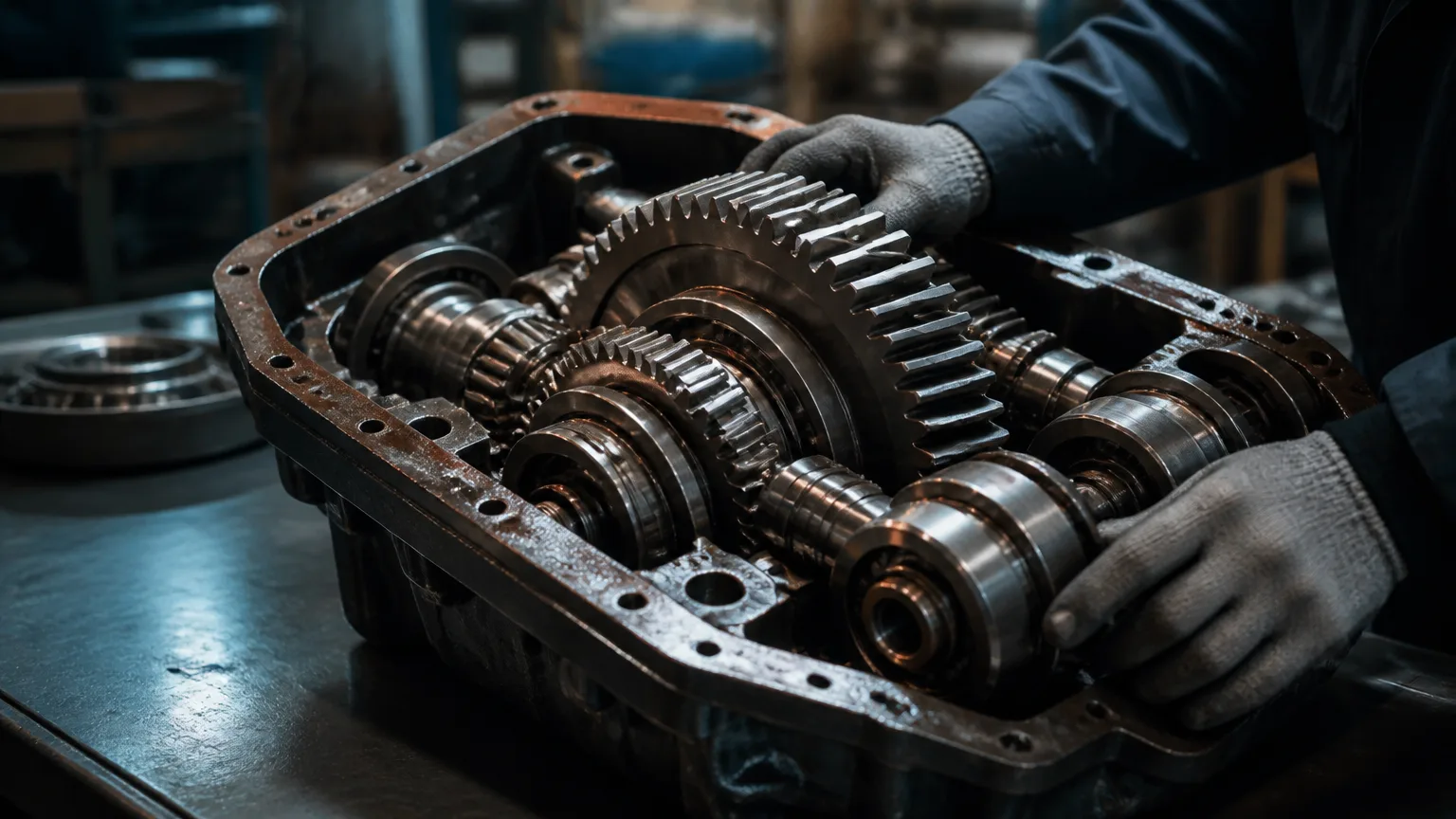
Werner Pfleiderer gearboxes support demanding manufacturing processes where reliable torque transmission directly affects uptime and product quality. Werner Pfleiderer gearbox repair requires timely, technically informed decisions when noise, heat, vibration, oil leakage, or inconsistent output appears.
These symptoms may result from normal wear, bearing or gear damage, misalignment, lubrication problems, or overload. For plant managers, maintenance leaders, and engineering teams, the right response can protect production schedules while controlling operating costs.
A professional assessment should come first. It can determine whether targeted repairs, a complete rebuild, or replacement offers the best value. Industrial Gearbox Solutions helps teams evaluate these options using equipment condition, operating demands, and long-term reliability goals. This article explains what to examine before committing to a repair strategy.
Recognizing Common Werner Pfleiderer Gearbox Failure Symptoms
Early symptoms can reveal developing problems before a Werner Pfleiderer gearbox repair becomes more extensive. Abnormal grinding, whining, or knocking may indicate worn gear teeth, damaged bearings, shaft defects, or inadequate lubrication. However, vibration and noise can also come from couplings, poor alignment, or foundation problems. Do not assume damaged gears are the only cause.
Watch for these warning signs:
- Rising operating temperature, which may result from excessive load, oil breakdown, restricted cooling, or internal friction
- Contaminated oil containing metal particles, discoloration, water, or unusual odors
- Seal leakage around input or output shafts, often linked to worn seals, excessive pressure, or shaft damage
- Excessive backlash, suggesting gear wear, loose bearings, or misalignment
- Reduced torque transmission, which may reflect worn gears, slipping couplings, or problems elsewhere in the gear reduction system
Document when each symptom occurs and the operating load at that time. Note whether noise, vibration, temperature, or torque changes with speed or oil temperature. These details help technicians separate internal gearbox faults from system-level causes and select the correct inspection method. Prompt evaluation can prevent secondary damage and unplanned production downtime.
How a Professional Gearbox Inspection and Rebuild Works
A professional rebuild begins with controlled removal and accurate documentation. Before disassembly, technicians record the gearbox model, gear ratios, input and output speeds, torque requirements, lubricant type, and operating history. This information establishes the original operating conditions and helps identify changes that may have contributed to the failure.
The repair process typically follows these steps:
Remove and document the gearbox. Technicians label connections, record mounting positions, and inspect the unit for external damage or oil leakage.
Teardown and cleaning. The housing is opened carefully, and components are cleaned to remove oil residue, sludge, and metal particles. Clean parts make wear patterns easier to identify.
Inspect and measure components. Gears, shafts, bearings, seals, housings, keys, splines, and mounting surfaces are checked for wear, cracks, scoring, distortion, and dimensional changes. Technicians compare measurements with manufacturer specifications.
Replace or restore parts. Damaged gears, bearings, seals, keys, or shafts are replaced or repaired as required. Housing bores and mounting surfaces may also require machining.
Reassemble and test. The gearbox is rebuilt with the correct clearances, lubrication, and alignment. Testing verifies noise, vibration, temperature, backlash, leakage, and operating performance.
Effective Werner Pfleiderer gearbox repair addresses the root cause of the failure, not only visibly damaged parts. Contamination, overload, misalignment, and inadequate lubrication can quickly damage new components. A detailed rebuilding a gearbox process helps correct these conditions before the unit returns to service.
Repair, Rebuild, or Replacement: Choosing the Right Path
The right solution depends on equipment condition, production demands, parts availability, and expected service life. A targeted repair may be appropriate when the housing and shafts remain sound. Replacing worn bearings, seals, or damaged gearing can restore performance while limiting downtime and cost.
A full rebuild is more practical when damage extends beyond individual components. Cracked housings, worn shaft journals, severe gear damage, or repeated failures may require complete disassembly, machining, and replacement of internal parts. A properly rebuilt original unit can preserve mounting fit, process performance, and established operating characteristics.
Replacement may be necessary when parts are unavailable, lead times are excessive, or the gearbox cannot meet current production requirements. Confirm dimensional compatibility, mounting configuration, gear ratio, torque capacity, operating speed, and motor interface before selecting a substitute. Also verify the supplier’s lead time and commissioning requirements. The Western Gear gearbox repair and replacement guide provides additional comparison criteria.
Do not choose based on the lowest initial quote alone. Compare total lifecycle cost, expected service life, maintenance needs, and downtime risk. In many cases, Werner Pfleiderer gearbox repair or rebuilding delivers better long-term value than adapting an unfamiliar replacement.
Technical Information to Provide Before Requesting Service
Before requesting Werner Pfleiderer gearbox repair, provide clear equipment and operating data. Include nameplate photographs, gearbox drawings, serial and model numbers, application details, operating speed, transmitted torque, duty cycle, lubricant history, and a description of the failure.
Torque and load data help technicians evaluate replacement gearing and upgraded components. Production changes may have increased demand beyond the original design. If needed, review this torque calculation for industrial gearboxes to improve the accuracy of submitted information.
Also describe unusual noise, vibration, temperature changes, leaks, or performance loss. Before work begins, confirm requirements for tolerances, materials, heat treatment, seals, lubrication, balancing, and testing. Complete information helps the provider scope the repair accurately, identify potential root causes, and reduce delays.
Planning a Reliable Werner Pfleiderer Gearbox Repair
Early diagnosis helps prevent secondary damage, unplanned shutdowns, and costly emergency replacement work. Once symptoms appear, document operating conditions and involve qualified technicians before the failure progresses.
Before authorizing service, verify the repair scope, replacement-part quality, inspection and testing procedures, warranty terms, and expected turnaround. These details support a sound decision based on application data, lifecycle cost, and long-term reliability.
When the gearbox is mission-critical or its failure history is unclear, consult an experienced industrial gearbox specialist. Their evaluation can confirm whether repair, rebuilding, or replacement provides the most dependable result.