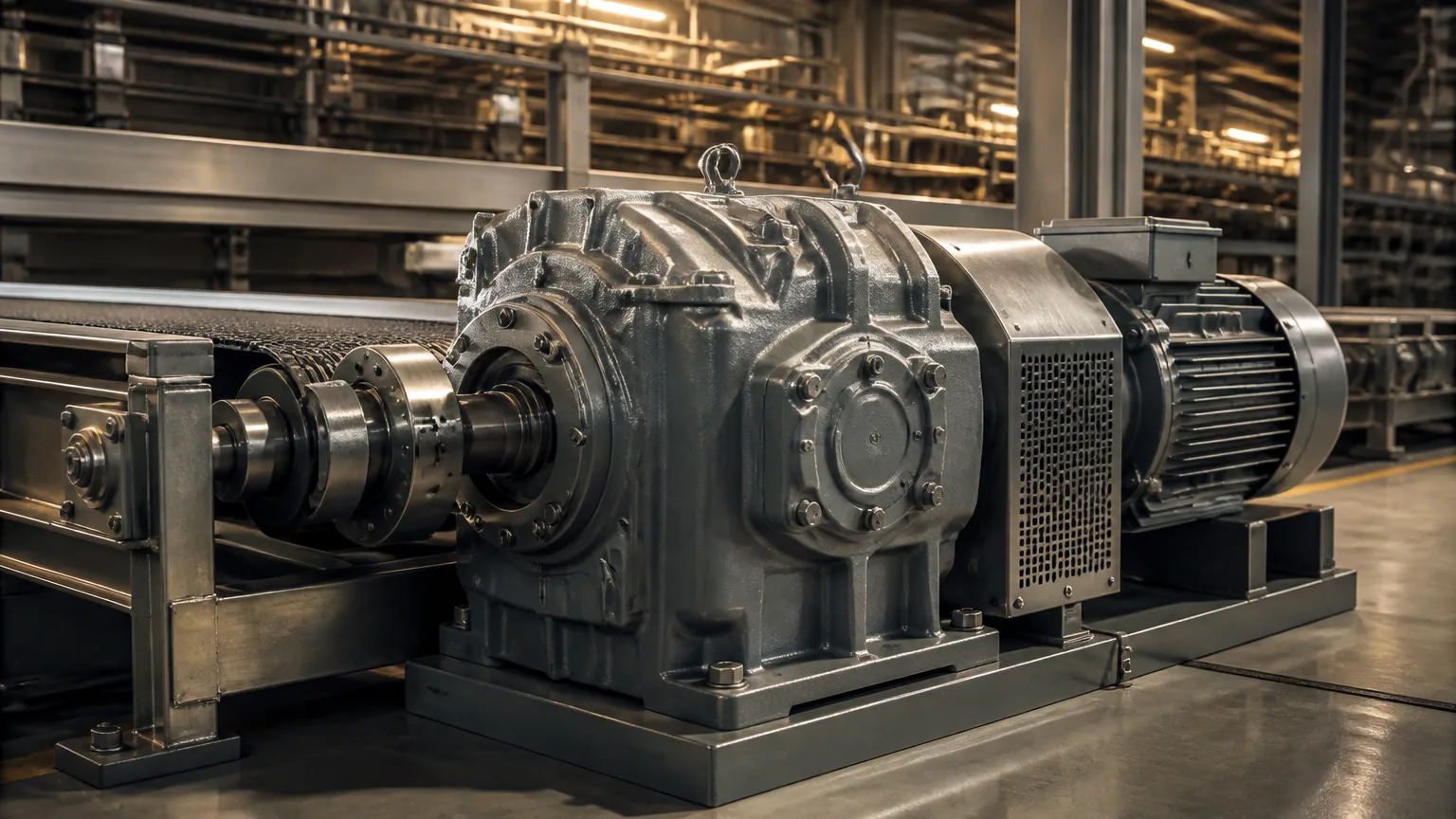
Choosing the right shop gearbox can protect production capacity, product quality, and maintenance budgets. Whether replacing failed equipment or specifying a unit for a new production line, the decision requires more than comparing purchase prices. A gearbox must match the driven equipment, motor, duty cycle, operating environment, and maintenance strategy.
Incorrect sizing or application can cause overheating, excessive vibration, premature wear, and unplanned downtime. It can also lead to repeated repairs that quickly exceed the cost of a properly selected unit. This guide explains how to evaluate fit, reliability, serviceability, and total operating cost with support from industrial gearbox solutions.
Treat gearbox selection as a practical engineering and operations decision. Input from maintenance teams and qualified gearbox specialists helps ensure the unit performs reliably throughout its service life.
Start With the Application and Required Performance
Before comparing a shop gearbox, define the machine’s actual job. Identify the driven equipment, required output speed, torque, horsepower, operating hours, and available motor speed. A conveyor, mixer, crusher, and pump impose different demands, even when their motors have similar ratings.
Document the load pattern clearly. Note whether the application has steady, variable, shock, reversing, or peak loads. Nominal motor power alone is not enough for sizing. For example, a conveyor that starts under a full load may need more capacity than its running horsepower suggests.
Gear ratio connects motor speed to output speed. If a 1,800 rpm motor must drive equipment at 60 rpm, the gearbox needs an approximate 30:1 ratio, subject to efficiency and operating requirements. The selected ratio must support production speed without creating unnecessary gearbox stress. Review how industrial gearbox ratios work before finalizing this specification.
Also account for service factors and real operating conditions, including:
- Frequent starts and stops
- Jams, impacts, and acceleration loads
- Reversing cycles or intermittent duty
- Extended daily operating hours
- Planned production increases or process changes
Maintenance teams can provide valuable operating history, including overload events and actual cycle patterns. Share this information with a qualified gearbox specialist to select a unit that performs reliably throughout its service life.
Match Torque, Speed, and Gearbox Configuration
Start by matching the gearbox’s rated torque to the driven equipment’s real operating demand. Continuous torque describes the load during normal operation, while peak or breakaway torque covers startup, jams, and sudden resistance. A shop gearbox must safely handle the highest realistic load, not just the average cycle.
Use torque conversion principles to translate motor horsepower and speed into required output torque. Then confirm the target output speed and reduction ratio. Conveyors, mixers, pumps, and crushers may require very different speed ranges and overload capacity.
Configuration also affects performance and installation. Inline helical units suit direct-drive layouts, while parallel-shaft designs fit compact conveyor arrangements. Right-angle options use bevel or worm gearing when space requires a 90-degree turn. Consider efficiency, backdriving, heat generation, and duty cycle before choosing among them.
Verify mechanical interfaces before ordering. Check output shaft diameter, keyway dimensions, flange sizes, mounting orientation, and available mounting positions. Confirm the input shaft, coupling, brake, and motor interface match the plant’s existing equipment. Small dimensional differences can delay installation or require costly modifications. Involve maintenance personnel and a qualified gearbox specialist when specifications or operating conditions remain uncertain.
Evaluate the Plant Environment and Efficiency Requirements
The plant environment directly affects gearbox life, maintenance intervals, and reliability. Dust, water, chemicals, outdoor exposure, high ambient temperatures, and washdown procedures may require specific seals, housings, finishes, lubricants, or protection ratings. Corrosive materials may also call for stainless components or protective coatings.
Review these conditions before selecting a shop gearbox:
- Lubrication type, oil level, viscosity, and relubrication intervals
- Cooling requirements at high loads or ambient temperatures
- Inspection access for oil checks, seal condition, and wear
- Noise limits near operators or occupied work areas
- Moisture, contamination, and washdown exposure
Lubrication should be part of the original selection, not an afterthought. The correct oil viscosity supports proper film strength, while adequate cooling limits heat-related degradation. Easy inspection access can also reduce downtime during routine maintenance.
Efficiency affects more than performance. Gearbox losses become heat and increase energy consumption, especially on continuously operating equipment. Review mechanical gearbox efficiency when comparing options. Small efficiency differences can create significant operating expenses across multiple machines and shifts, making efficiency an important total-cost-of-ownership factor.
Compare New, Rebuilt, and Repairable Gearbox Options
A new shop gearbox may provide the longest service life and current parts support. However, a rebuild can be more practical when the housing, shafts, gears, and other major components remain serviceable. Review when to repair or replace an industrial gearbox before selecting an option.
Inspect the failed gearbox carefully before making a decision. Look for misalignment, inadequate lubrication, overload, contamination, or poor installation. Correcting the root cause prevents a rebuilt or replacement unit from failing again.
Compare lead time, installed cost, warranty coverage, spare-parts availability, engineering support, and expected service life. A replacement that fits the current installation may reduce modifications and speed commissioning. Severe damage, obsolete designs, or repeated failures may justify replacing the entire unit.
Finally, connect the choice to production risk. A slightly cheaper gearbox may create greater costs if it has a long lead time or limited emergency repair support. Confirm that the supplier can provide dependable service and parts throughout the unit’s expected operating life.
Verify Installation, Supplier Support, and Maintenance Fit
Before purchasing a shop gearbox, confirm the dimensional drawings, shaft rotation, mounting orientation, lubrication instructions, and rated loads. Verify compatibility with the existing motor and coupling to prevent installation delays or costly modifications.
Installation quality can determine whether a correctly specified gearbox performs reliably. Confirm requirements for alignment, soft-foot correction, fastening, coupling fit, and initial lubrication. Ask the supplier to support commissioning and provide inspection reports, test results, and clear warranty terms.
Evaluate future support before selecting the supplier. Discuss rebuild capabilities, replacement parts, field service, emergency response, and turnaround times. A gearbox should also enter the plant’s preventive maintenance program, with scheduled vibration, temperature, noise, oil, and leakage checks.
These checks reduce production risk. A slightly cheaper unit may cost more if parts are unavailable or emergency repairs take too long. Choose a supplier that can support the gearbox throughout its expected operating life.
Make the Gearbox Decision With Lifecycle Value in Mind
Choosing a shop gearbox is one connected engineering and operations decision. Verify load, torque, speed, ratio, configuration, environment, efficiency, installation requirements, and service support together. The best unit must meet mechanical demands, withstand plant conditions, and remain practical to maintain.
Before approving a replacement or new installation, involve maintenance, engineering, and operations personnel. Their input can confirm actual duty cycles, interface requirements, access limitations, and production priorities. Consider lifecycle value, not only purchase price or initial delivery time.
If specifications, repairability, or compatibility remain uncertain, assess the current gearbox’s condition first. Then consult an experienced industrial gearbox provider. A qualified specialist can identify risks, confirm suitable options, and help ensure reliable performance throughout the gearbox’s expected service life.