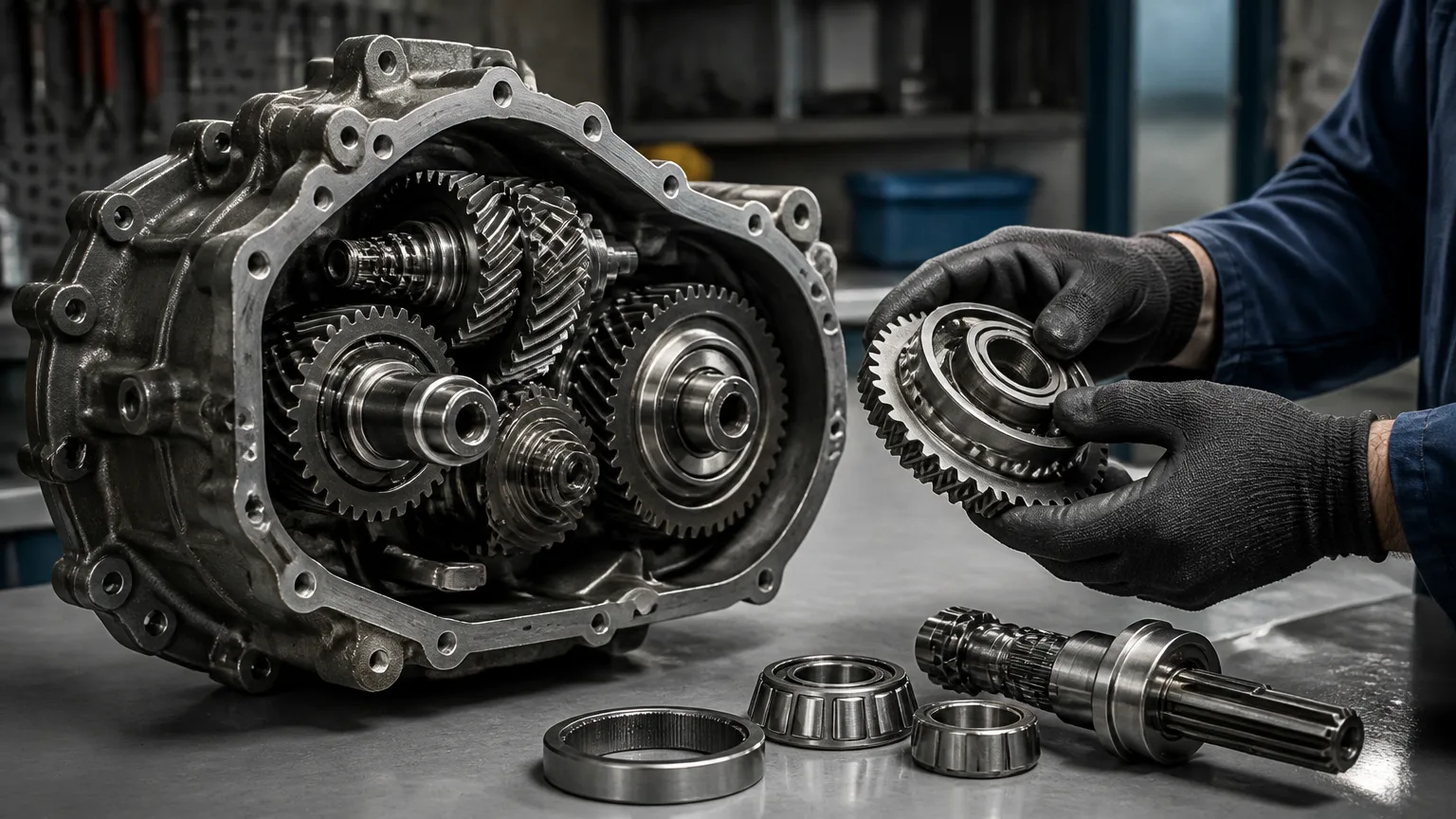
A parts gearbox quote is a practical first step toward reducing downtime and avoiding components that do not fit your equipment. Clear details help suppliers identify suitable parts, compare repair and replacement options, and prepare an estimate based on your needs.
The request may cover individual replacement components, a gearbox rebuild, or a complete gearbox. State what you need and share equipment details, such as the gearbox model and operating conditions, to support an accurate assessment. Industrial Gearbox Solutions is a useful starting point for exploring industrial gearbox services and your options.
Gather the Gearbox and Equipment Details
Once you know what you need, collect the information a supplier needs to identify the correct gearbox or parts. Record the manufacturer, model, serial number, and nameplate details. Include the gear ratio and shaft configuration, and attach any available drawings or parts lists. Photos of the nameplate and gearbox can also help clarify details.
Next, describe the application and operating conditions. Note the driven equipment, motor specifications, operating speed, expected load, and duty cycle. Include site conditions such as temperature, dust, moisture, or limited installation space, as these may affect material and configuration requirements.
If some information is unavailable, label your figures as approximate rather than presenting estimates as confirmed data. Accurate load details help a supplier assess whether the gearbox is suitable and quote the right components. If you are unsure how to determine the load, review how to calculate industrial gearbox load capacity rather than guessing.
Organizing these details before you request a parts gearbox quote can reduce follow-up questions and help prevent mismatched parts. Share what you have, and identify any gaps so the supplier can advise what to verify next.
Describe the Failure and Define the Parts Scope
Once you have gathered the gearbox and operating details, describe what prompted the request. Note observable symptoms such as unusual noise, vibration, overheating, oil leaks, or visible wear. Include when the problem began, whether it has changed, and whether the gearbox is still operating.
Share inspection reports, clear photos, oil analysis, or findings such as metal debris in the lubricant. If parts have been removed, include their measurements and identifying marks when available. These details help the supplier assess the situation; avoid stating a suspected cause as fact until it has been confirmed.
Be explicit about the work you want priced. Ask whether the supplier can provide a parts-only quote for individual components, assess a repair or rebuild, and price a replacement gearbox. If you are unsure which option is suitable, request an assessment alongside the parts gearbox quote so you can compare paths.
Precision engineering can help determine whether damaged components can be repaired to the required tolerances or should be replaced. Learn how precision engineering in industrial gearbox repair informs repair decisions. Share any gaps in your inspection information so the supplier can recommend what to verify before confirming parts and pricing.
Request a Clear, Comparable Quote
A useful parts gearbox quote should show what the price covers, not just provide a total. Ask the supplier to identify included parts and labor, inspection or teardown charges, exclusions, and any assumptions about the gearbox’s condition. Confirm whether freight and installation are included or billed separately.
Request the expected lead time, quote validity period, warranty terms, payment requirements, and any customer approvals needed before work begins. If inspection could change the scope, ask whether pricing may change afterward and how the supplier will obtain approval before proceeding.
When your request includes repair services as well as parts, ask for an overview of the gearbox repair process. Inspection, teardown, and testing can affect both the final scope and cost. Understanding these stages helps maintenance and procurement teams compare proposals on service coverage, timing, and risk—not only initial price.
A detailed parts gearbox quote makes differences between suppliers easier to assess and reduces the chance of unexpected charges. If a term or assumption is unclear, request clarification before comparing or approving proposals.
Communicate Urgency and Confirm the Next Steps
A detailed parts gearbox quote makes supplier proposals easier to compare. Help the supplier assess timing by stating your required return-to-service date, the production impact of downtime, and the shipping location. Include site access constraints and any shutdown or installation window that could affect delivery or work.
Ask whether expedited inspection, parts sourcing, or repair is available. Confirm what additional cost, documentation, or equipment information each option requires; expedited service may not be available for every request. Agree on who will follow up, when you can expect an inspection or quote, and what approvals are needed before work proceeds.
If a gearbox failure is already disrupting production, review emergency gear repair options to understand possible steps for restoring production. Share urgent constraints early so the supplier can assess available options and coordinate next steps.
Send a Complete Request and Keep the Quote on File
A useful parts gearbox quote starts with accurate equipment identification, operating context, failure details, requested scope, and schedule needs. Sharing these details helps the supplier provide relevant pricing and identify information that still needs verification.
Before approving parts or repair work, confirm any open technical questions and clarify the quote’s scope and assumptions. Then save the quote with equipment records, inspection findings, and service history to support future maintenance planning.